

A busy week, a short night, and meals eaten between commitments can all leave you feeling like your body is running on reserve. Learning how to support immune resilience naturally is less about finding one miracle ingredient and more about giving your body consistent, practical support through the habits you repeat every day.
Immune resilience describes your body’s ability to respond appropriately to everyday challenges and return to balance. It depends on much more than a seasonal supplement. Nutrition, sleep, stress load, movement, gut health, and nutrient status all influence how well your immune system is supported. The goal is not perfection. It is creating a foundation that is realistic enough to maintain through changing seasons, travel, family demands, and full calendars.
Start With Food-First Immune Support
The immune system needs steady access to protein, vitamins, minerals, and plant compounds. Restrictive eating, skipped meals, and heavily processed convenience foods can make it harder to meet those needs consistently. A whole-food approach gives your body broad nutritional support rather than relying on one nutrient to do every job.
Build meals around a quality protein source, colorful produce, healthy fats, and fiber-rich carbohydrates when they work for you. Protein supplies amino acids used throughout the body, while fruits and vegetables provide vitamin C, carotenoids, polyphenols, and other naturally occurring compounds that support healthy cellular function. Zinc, selenium, iron, vitamin A, vitamin D, and B vitamins also play meaningful roles in immune health.
Instead of viewing food as a checklist, consider the rhythm of your week. Can you include eggs or Greek yogurt at breakfast, a hearty salad or soup at lunch, and cooked vegetables with dinner? Can you keep easy staples on hand, such as berries, citrus, pumpkin seeds, beans, leafy greens, wild-caught fish, or bone broth? The most effective plan is usually the one that still works when you are tired and short on time.
Do not overlook hydration
Hydration supports normal circulation, digestion, and the moisture balance of tissues throughout the body. Water needs vary with body size, activity level, climate, and medications, so there is no universal number that fits everyone. Aim to drink regularly throughout the day, and consider water-rich foods, herbal tea, or mineral-rich beverages if plain water feels difficult to maintain.
Alcohol can interfere with sleep quality and add to your body’s stress burden, particularly when intake is frequent or high. You do not have to take an all-or-nothing approach, but reducing alcohol during demanding periods can be a practical way to support recovery.
Protect Sleep Like a Daily Wellness Practice
Sleep is when many repair and regulatory processes take place. One restless night is normal, but chronic short sleep can affect the healthy balance of immune activity and leave you feeling depleted. For many adults, a consistent sleep window matters as much as the total number of hours.
Start by choosing a realistic bedtime and wake time that you can follow most days. Dim lights in the evening, keep the bedroom cool and dark, and put screens away before bed when possible. If your mind races at night, try a short wind-down routine: a warm shower, gentle stretching, a paper book, or a simple brain-dump list for tomorrow.
Caffeine timing matters, too. Some people can enjoy coffee later in the day without a problem, while others notice disrupted sleep from an afternoon cup. If you wake unrefreshed, experiment with moving caffeine earlier before assuming you need another energy product.
Support Your Stress Response, Not Just Your Schedule
Stress is not always avoidable, and it is not a personal failure to feel its effects. Work demands, caregiving, financial pressure, grief, and hormonal changes can all strain the body. The useful question is not whether you can eliminate stress, but whether your day includes enough moments that signal safety, rest, and recovery.
A 10-minute walk outside, breathing slowly before a meal, a phone call with a supportive friend, or a brief break between meetings can make a meaningful difference when practiced regularly. These are simple tools, but simple does not mean insignificant. A sustainable stress-support practice is often more valuable than an elaborate routine that lasts three days.
Regular movement supports circulation, mood, metabolic health, and sleep. Moderate activity is a strong place to begin: walking, cycling, light strength training, yoga, swimming, or gardening. Intense training can be appropriate for some people, but recovery needs to match the workload. If exercise leaves you persistently exhausted, sore, or unable to sleep, your body may benefit from more rest, fuel, or a less demanding plan.
How to Support Immune Resilience Naturally With Gut Care
A large share of immune activity is connected to the gastrointestinal tract, which is one reason digestive health deserves attention in an immune-support plan. Your gut is home to a diverse community of microorganisms influenced by food choices, sleep, stress, medications, and regularity.
Fiber is one of the most practical places to start. Vegetables, fruits, beans, lentils, oats, nuts, seeds, and whole grains help nourish beneficial gut microbes. Increase fiber gradually and drink enough fluids, especially if your current intake is low. For people with digestive conditions or significant bloating, the right foods and amount of fiber can be highly individual. Personalized guidance is preferable to forcing a plan that makes symptoms worse.
Fermented foods, such as yogurt with live cultures, kefir, sauerkraut, kimchi, or miso, may also fit well for some people. Others prefer targeted probiotic support. The best choice depends on your digestion, food tolerance, health history, and goals. More is not automatically better.
Use Supplements to Fill Gaps, Not Replace Foundations
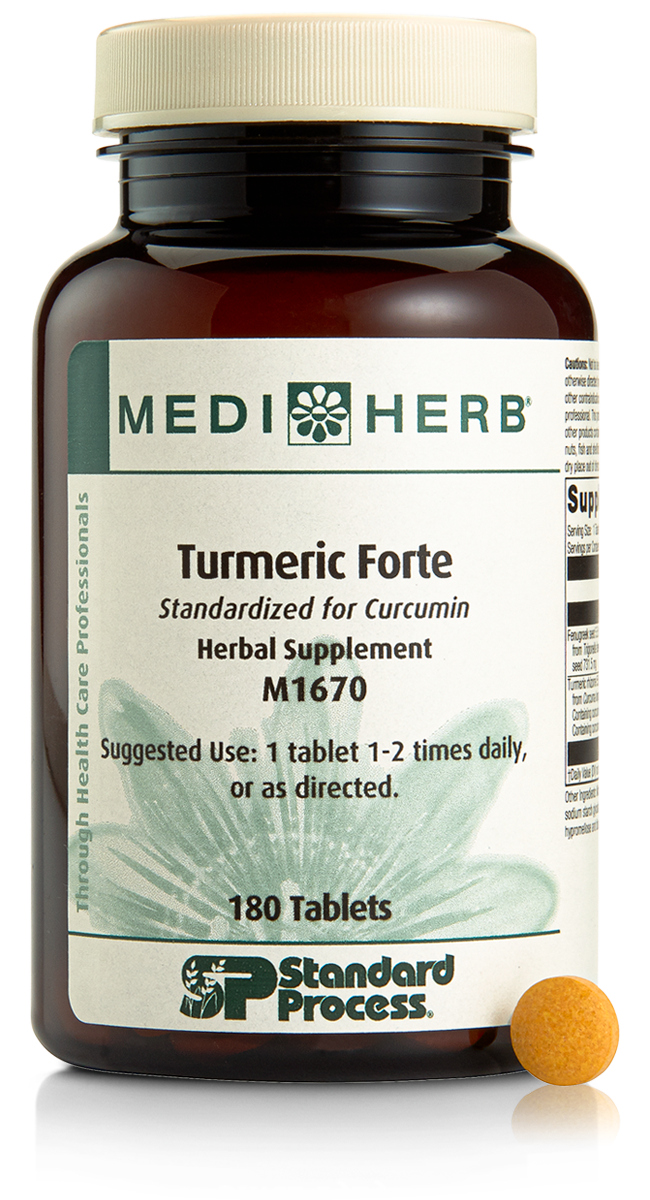
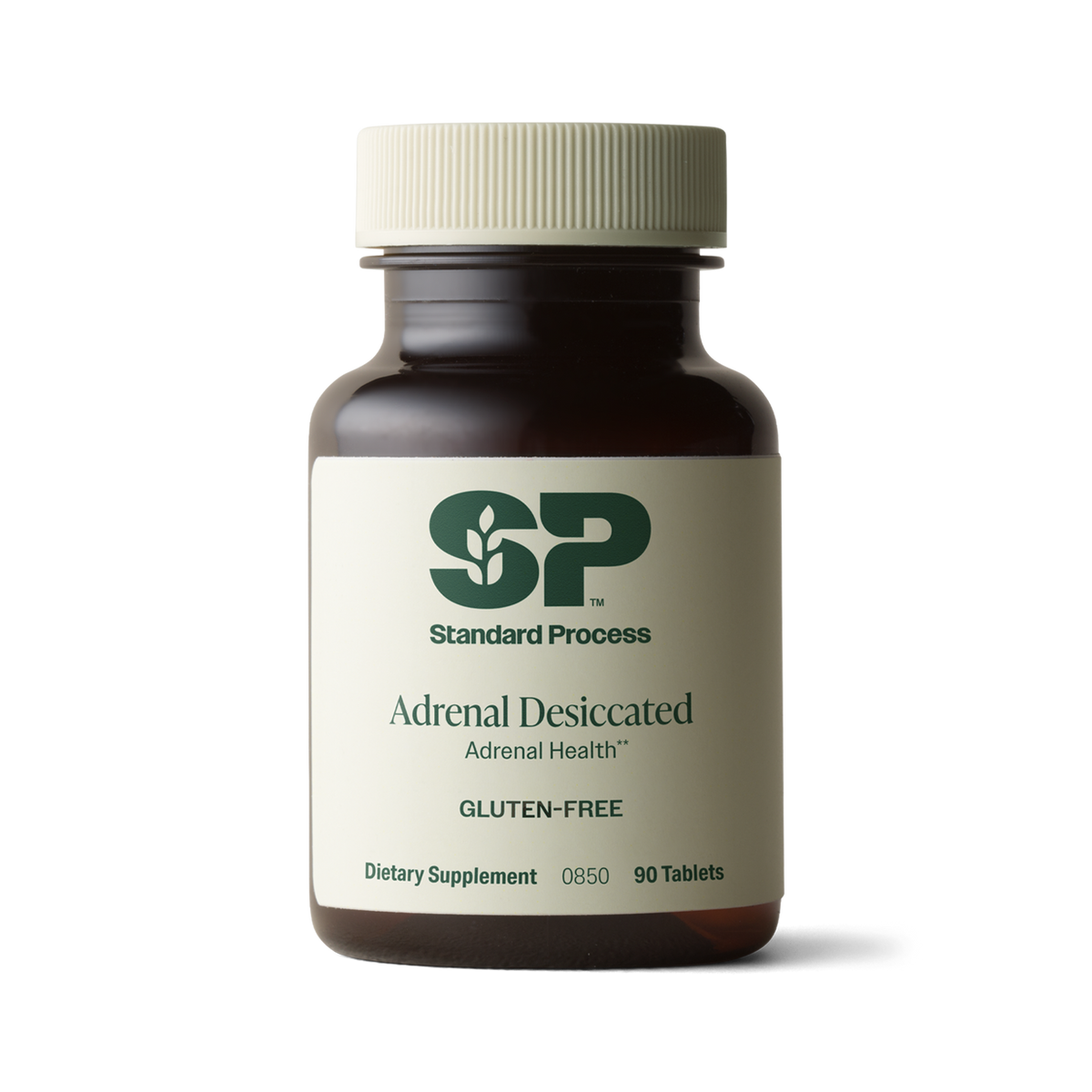
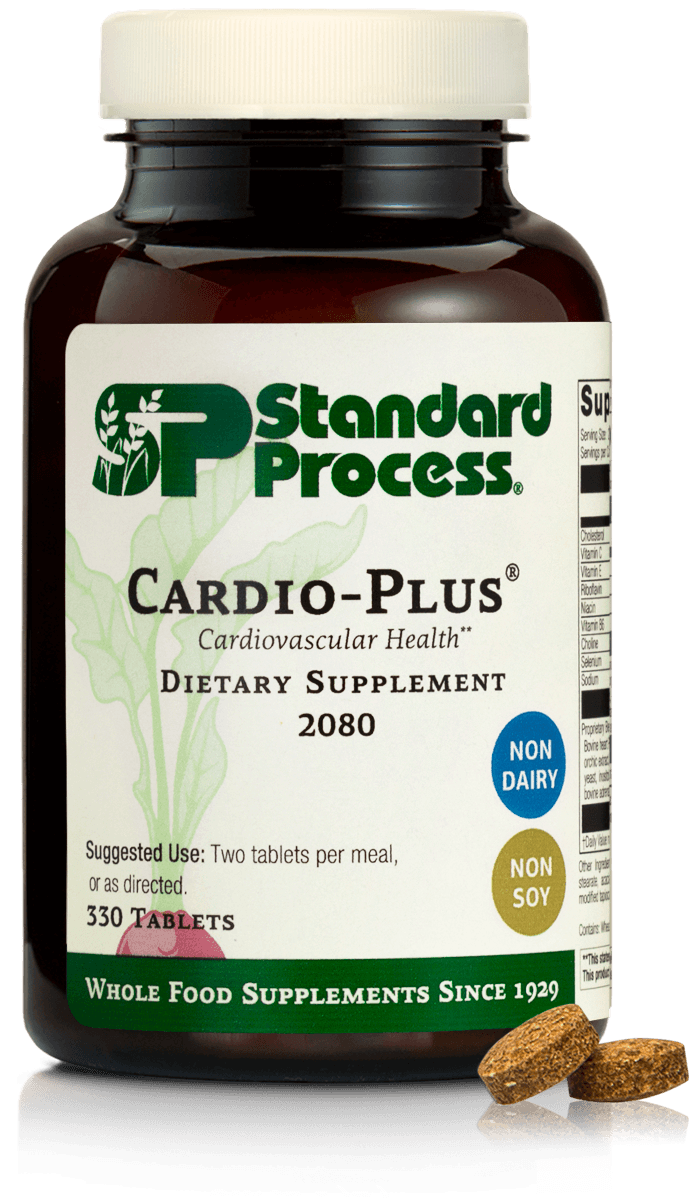
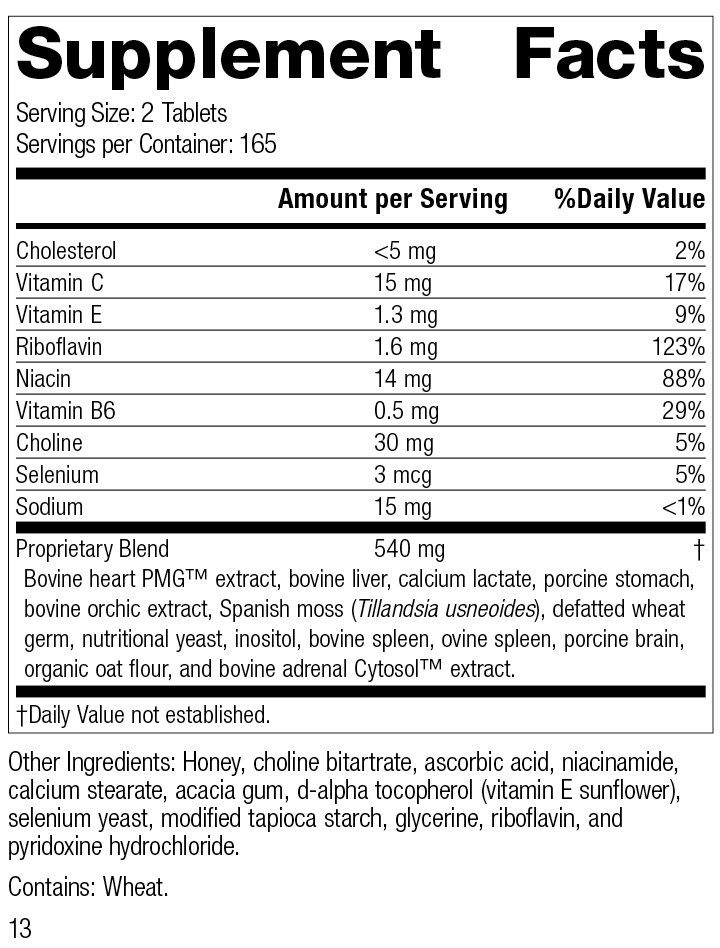
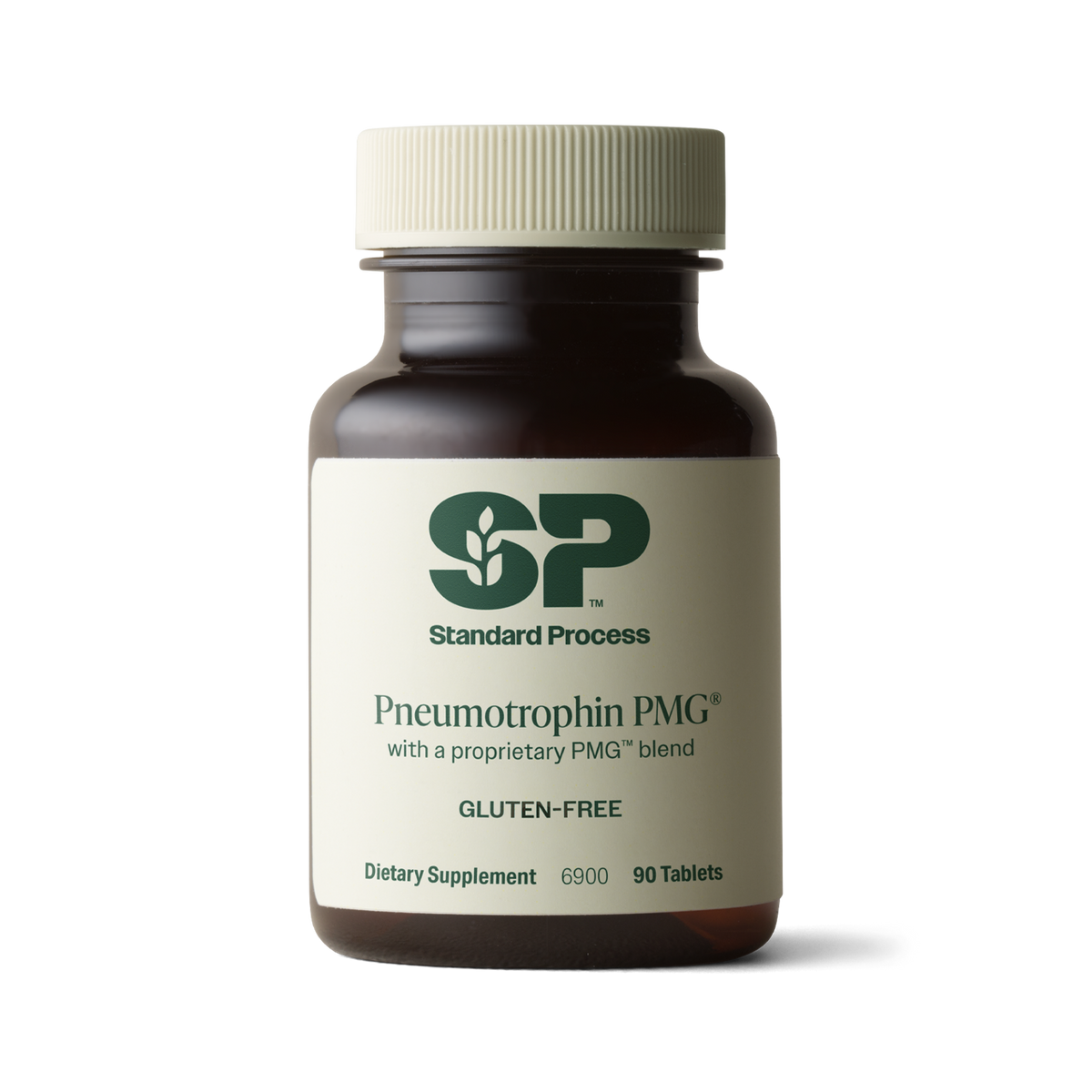
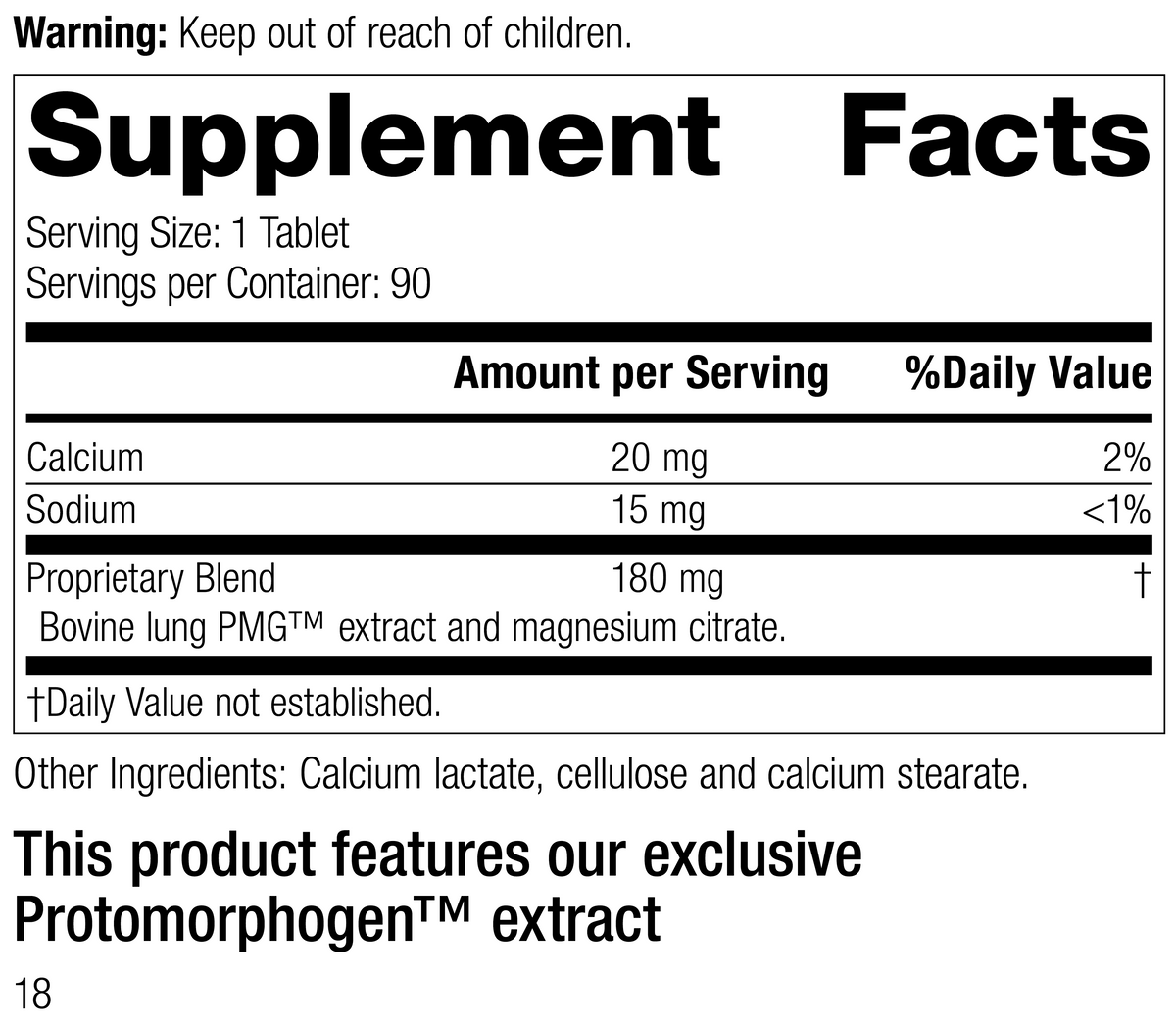
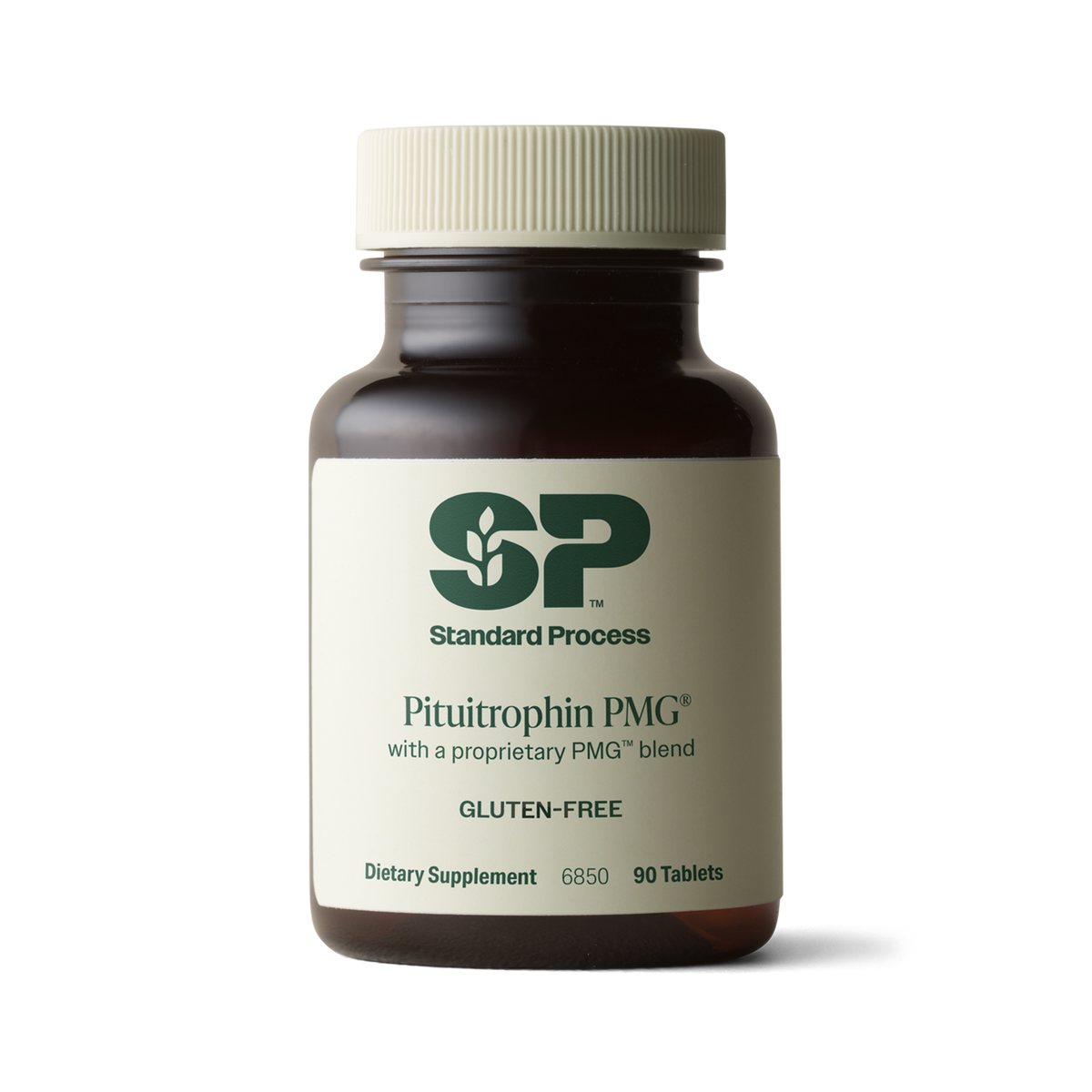
Supplements can be a valuable part of a natural immune wellness plan, particularly when dietary intake, testing, lifestyle factors, or a practitioner’s assessment identifies a need. They are most helpful when selected with a clear purpose rather than added impulsively during every seasonal shift.
Common areas practitioners may consider include vitamin D, vitamin C, zinc, selenium, probiotics, and whole-food or botanical formulas designed to support healthy immune function. The right option, dose, and timing vary. Vitamin D needs, for example, can differ significantly based on sun exposure, age, skin tone, dietary pattern, location, and lab results.
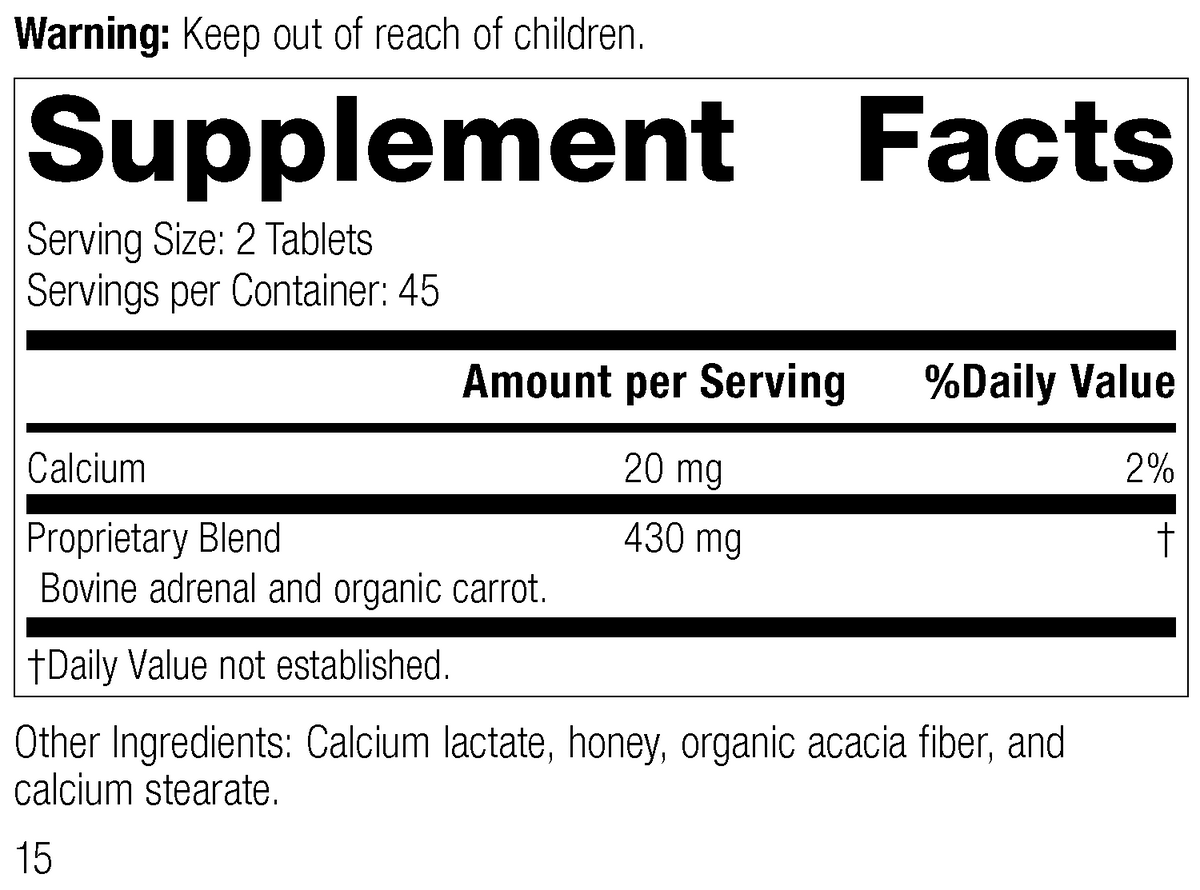
Quality matters as much as the ingredient list. Look for practitioner-trusted products with transparent labeling and formulas designed for meaningful nutritional support. Whole-food-based supplements can be a helpful complement to a nutrient-dense diet, but they should not be used as permission to ignore sleep, food quality, or chronic stress.
Take extra care if you are pregnant or breastfeeding, manage an autoimmune condition, take prescription medications, have a chronic health condition, or are choosing supplements for a child. Certain botanicals and nutrients may not be appropriate in every situation, and interactions are possible. A qualified health professional can help you build a plan that supports your needs without unnecessary overlap.
Make Your Plan Seasonal and Personal
Immune needs can feel different during travel, back-to-school season, winter months, high-stress work periods, or times when sleep is disrupted. Rather than waiting until you are already run down, create a simple baseline routine you can return to: balanced meals, adequate fluids, a dependable bedtime, regular movement, and a supplement plan suited to your individual needs.
You may also benefit from tracking a few signals for two to four weeks. Notice your energy, digestion, sleep quality, stress level, and how consistently you eat. This is not about obsessing over every sensation. It is about identifying patterns. Someone who feels low in energy may need more protein and sleep, while someone else may benefit from digestive support or a conversation about nutrient testing.
Fast Track To Health offers practitioner-trusted wellness options and personalized support for people who want more clarity than a one-size-fits-all supplement aisle can provide. If you are unsure where to begin, a practitioner-guided plan can help connect your daily habits, health history, and nutritional needs.
Your immune system is supported by what happens on ordinary days: the breakfast you eat, the water you drink, the boundaries you keep, and the rest you allow yourself. Start with one change you can repeat this week, then let consistency do the meaningful work.





Leave a comment
This site is protected by hCaptcha and the hCaptcha Privacy Policy and Terms of Service apply.