

Your dog does not need a cabinet full of powders, chews, and trendy add-ons to stay well. What they do need is an immune system that is supported in the right way for their age, stress level, diet, and overall health. That is where thoughtful immune support for dogs matters - not as a quick fix, but as part of a bigger wellness plan.
For some dogs, that plan starts with food quality and digestion. For others, it starts when you notice a pattern - recurring skin issues, frequent ear irritation, slow recovery after stress, or simply a pet who seems less resilient than they used to. The goal is not to chase symptoms. The goal is to support the systems that help your dog respond, recover, and maintain balance over time.
What immune support for dogs really means
A healthy immune system is not supposed to be switched all the way on all the time. It needs to respond when necessary, stay calm when appropriate, and work in coordination with the gut, skin, nervous system, and endocrine system. That is why immune support for dogs is more nuanced than buying the first product labeled "immune."
In practice, immune support often means nourishing the body with the nutrients, glandular support, and whole food compounds that help normal defense mechanisms function well. It can also mean reducing the burden on the system. If a dog is dealing with poor digestion, chronic stress, low-quality food, or ongoing environmental triggers, the immune system is often working harder than it should.
This is also why two dogs may need very different support. A senior dog with lower vitality may benefit from a different approach than a young dog with seasonal skin flare-ups. The best plan depends on the dog in front of you.
Signs your dog may need extra immune support
Not every issue points to immunity, and not every dog needs a supplement. Still, there are common signs that suggest it may be time to look more closely at immune resilience.
A dog who seems to struggle with frequent skin irritation, recurring ear concerns, sluggish recovery after boarding or travel, or a general decline in vitality may be asking for more support. Some pet owners also notice coat quality changes, digestive inconsistency, or that their dog seems to get run down more easily during life transitions.
That does not automatically mean you should start a complex protocol. It means the body may need better foundational support. A veterinarian should always be part of the conversation if symptoms are persistent, severe, or new. Supplements work best when they are chosen with context, not guesswork.
The foundation comes before the formula
Before looking at any practitioner-grade product, it helps to ask a few basic questions. Is your dog eating a nutrient-dense diet? Are they digesting and absorbing food well? Are they under regular stress from environmental change, overtraining, poor sleep, or chronic discomfort? Is there an underlying issue that needs medical evaluation?
Immune health is closely tied to daily inputs. Dogs do not build resilience from one chew alone. They build it through consistent nutrition, appropriate exercise, restorative sleep, healthy body weight, and reduced inflammatory burden where possible.
Gut health deserves special attention here. A large share of immune activity is connected to the digestive tract, so dogs with poor stool quality, food sensitivity patterns, or inconsistent appetite may need digestive support as part of an immune plan. If the gut is off, the immune system often feels the effects.
Nutrients and ingredients that support canine immune health
The best immune formulas for dogs are usually not the flashiest ones. They tend to focus on foundational nutrients and whole food ingredients that support normal immune function rather than overstimulating it.
Antioxidant support matters because immune cells are active cells. Nutrients that help protect tissues from oxidative stress can play a useful role, especially in aging dogs or dogs under higher physical stress. Vitamins and phytonutrients from whole food sources are often preferred by pet owners who want a more comprehensive wellness approach.
Trace minerals are another piece of the puzzle. Zinc, selenium, copper, and manganese all help support normal immune processes, but balance matters. More is not always better. This is one reason practitioner-trusted formulations stand out from generic products - they are typically designed with synergy and dosing in mind.
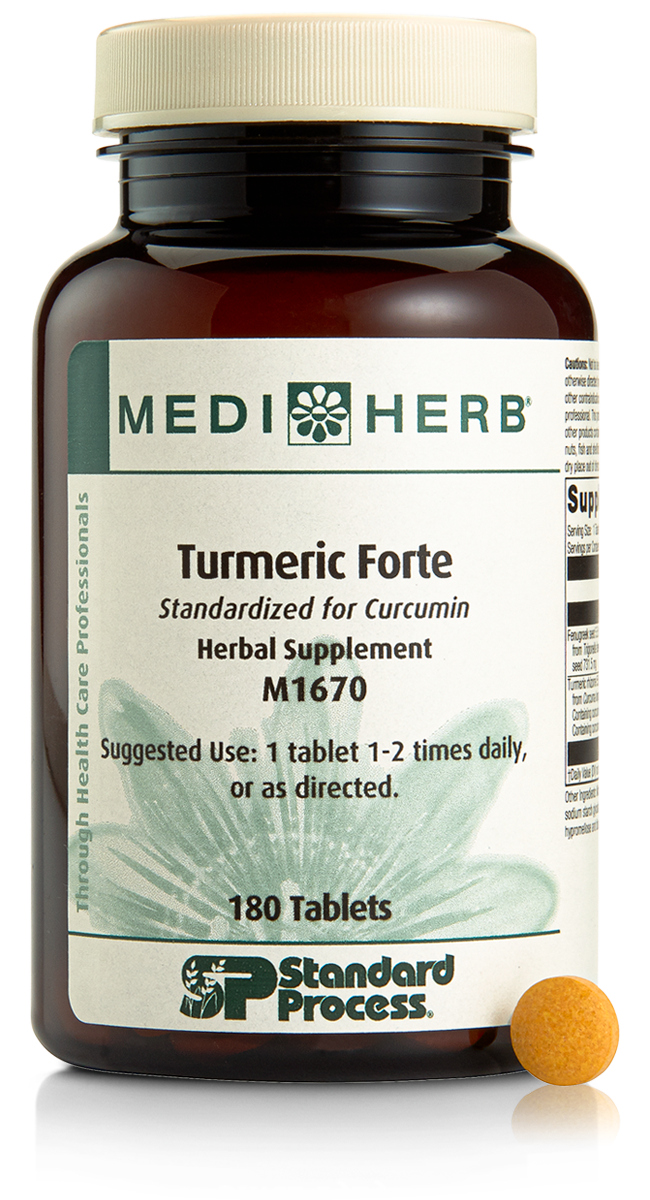
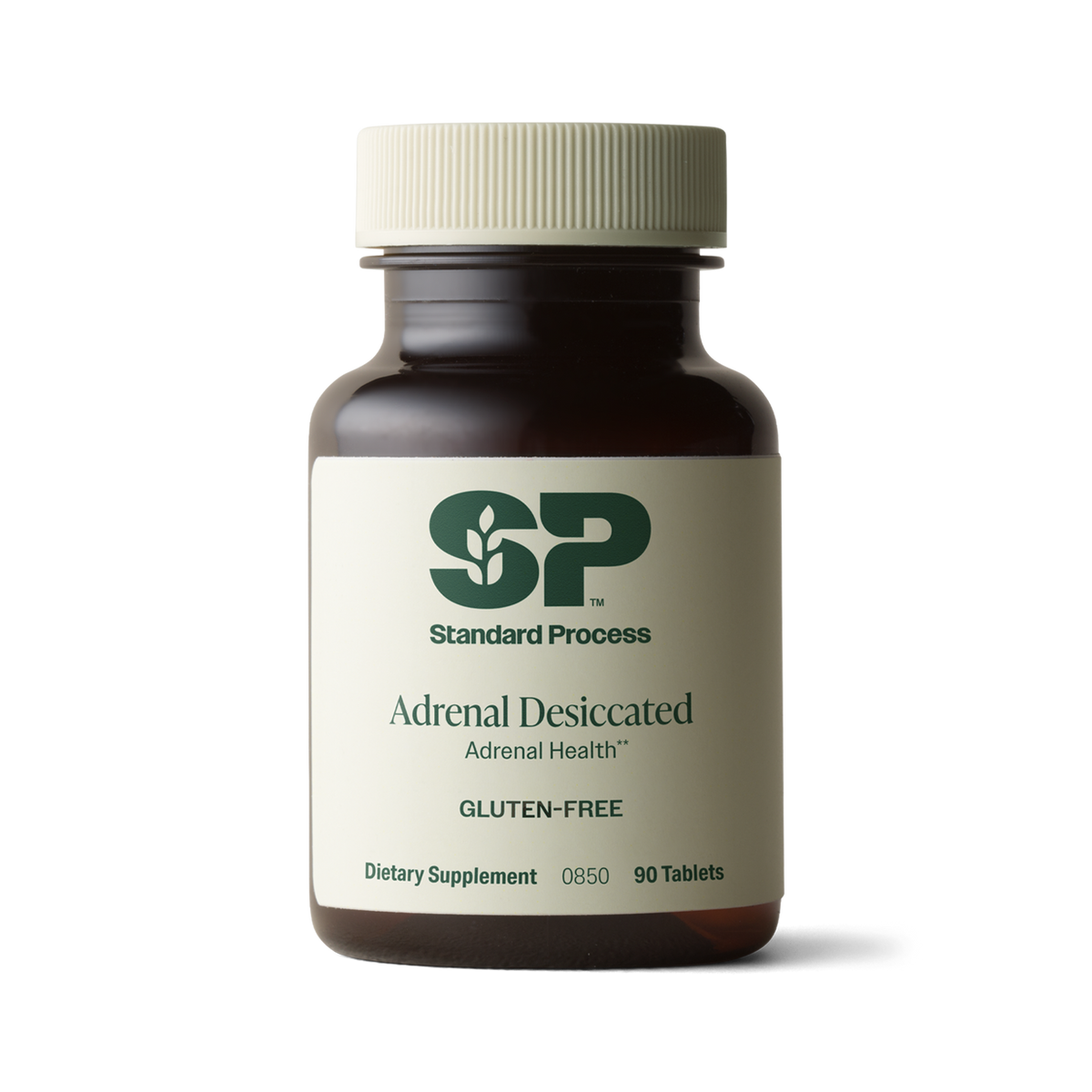
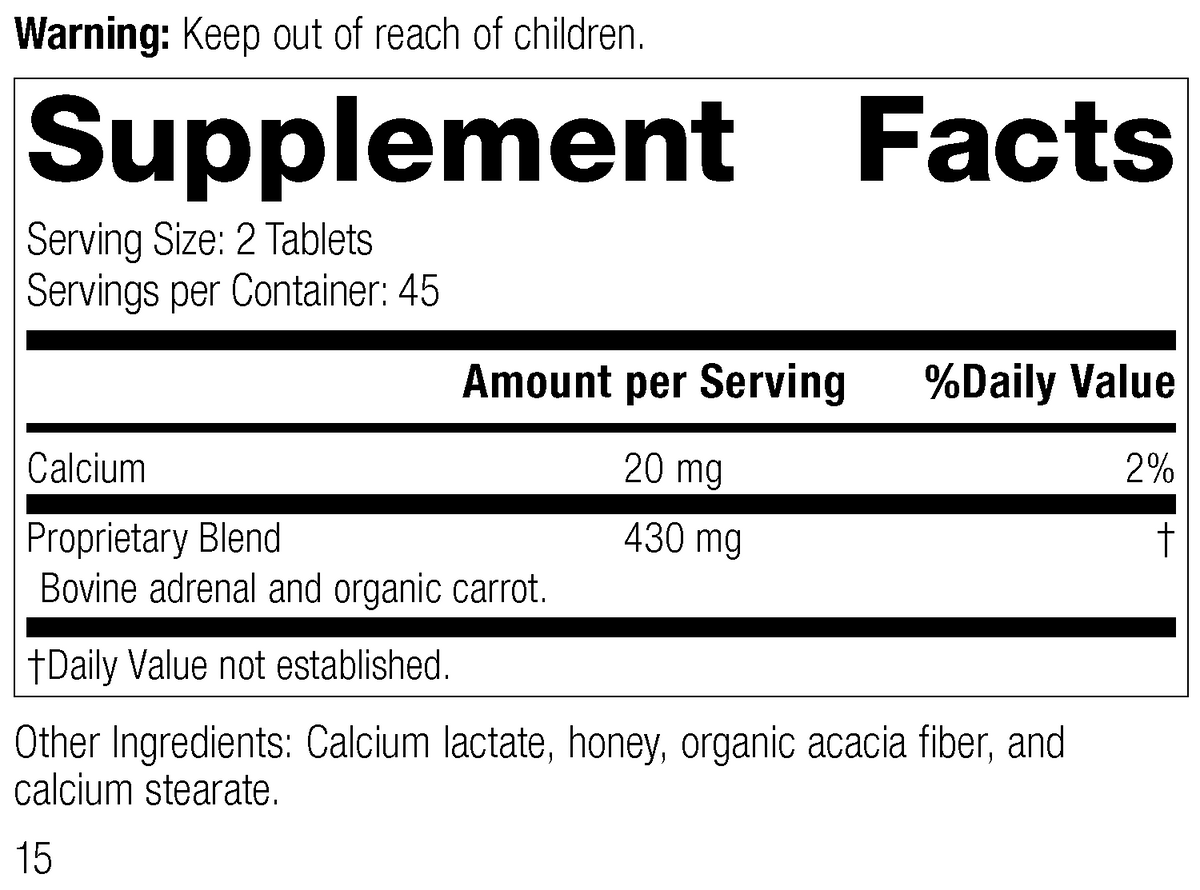
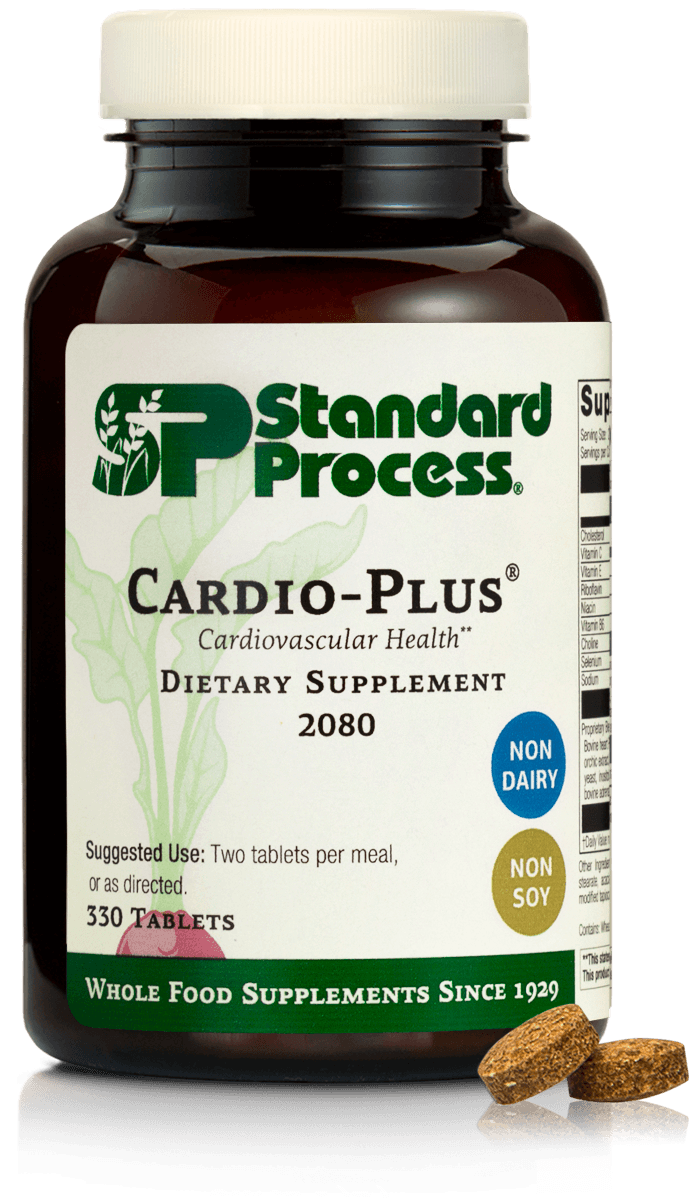
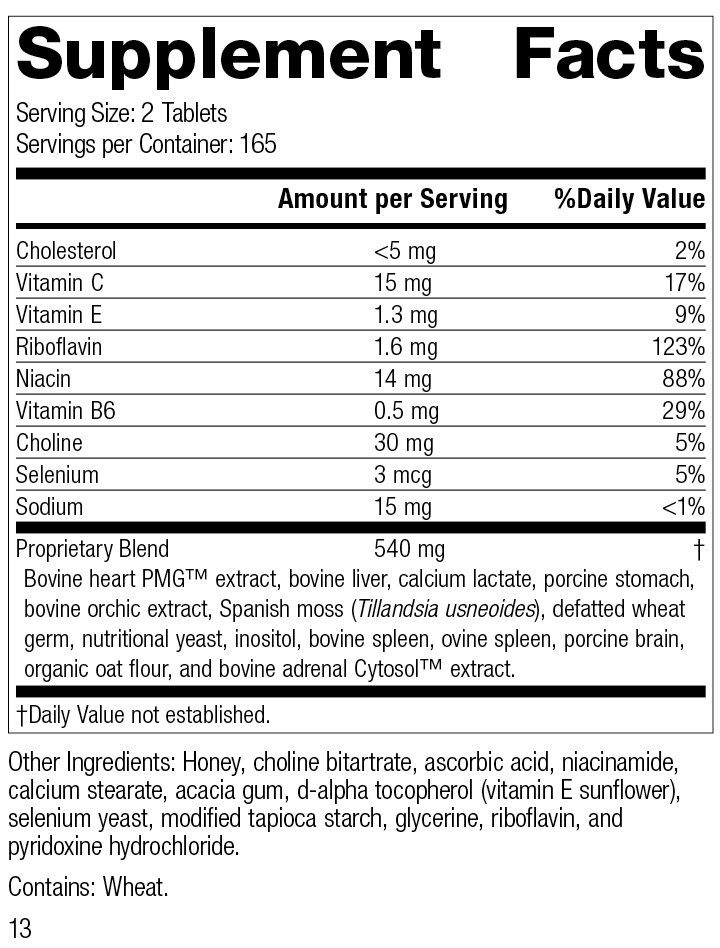
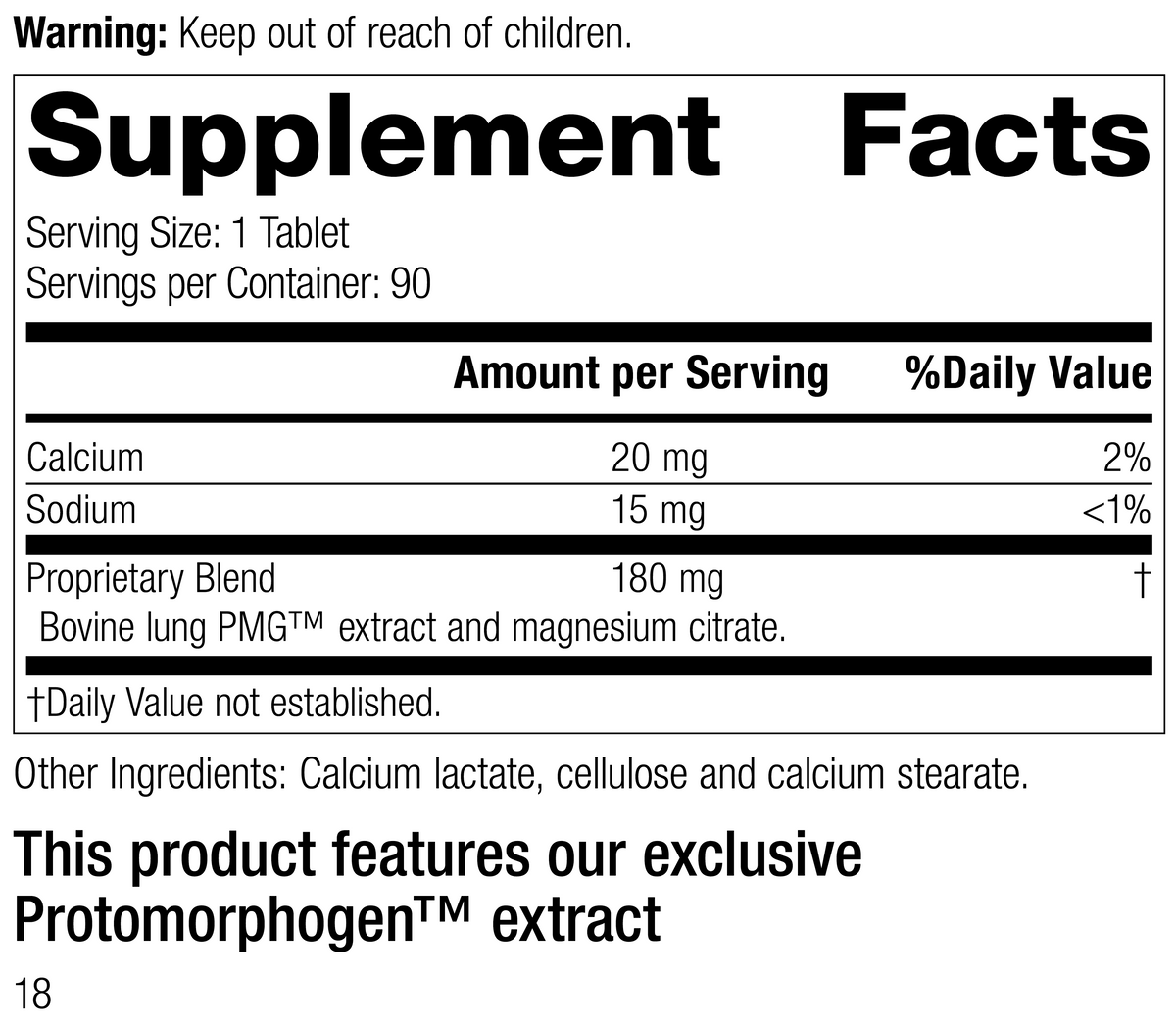
Whole food and glandular ingredients are also used in many veterinary supplements. These formulas are often chosen to nourish specific body systems in a way that reflects a more holistic philosophy of care. For pet owners who value Standard Process-style nutrition principles, this approach can feel more aligned than isolated synthetic ingredients alone.
Probiotic and digestive support may also be appropriate, especially when immune concerns seem linked to the gut. Again, this depends on the dog. Some benefit from a broad wellness plan that includes digestive, adrenal, or skin support alongside immune-focused products.
Why quality matters more than marketing
The pet supplement category is crowded, and not all products are created with the same level of care. Some are built around trends and flavor appeal. Others are formulated with clinical logic, better sourcing standards, and practitioner confidence behind them.
If you are investing in immune support for dogs, it makes sense to look beyond front-label promises. Ask whether the brand has a reputation for practitioner use, whether the formulation philosophy is grounded in nutrition rather than hype, and whether you can get guidance if your dog has more complex needs.
That support matters because pet wellness is rarely one-size-fits-all. A product that works beautifully for one dog may not be the right choice for another. Age, breed tendencies, current medications, health history, and primary symptoms all influence the right fit.
When supplements make sense - and when they may not
There are times when immune supplements are a smart addition. Senior dogs often benefit from more targeted nutritional support because resilience naturally changes with age. Dogs under environmental stress, those with recurring wellness challenges, or those eating diets that may not fully meet their needs can also be good candidates.
At the same time, supplements should not be used to delay proper veterinary care. If your dog has significant fatigue, unexplained weight loss, fever, persistent vomiting, chronic infections, or sudden behavior changes, those signs need medical attention first. Even milder issues that keep returning deserve a closer look.
There is also the question of pace. Some dogs do best with gentle, steady support introduced one product at a time. Others may need a more comprehensive protocol. The right approach depends on how sensitive your dog is and how clear the underlying picture is.
A practitioner-guided approach can save time and frustration
Many pet owners are comfortable choosing a basic wellness product on their own. But if your dog has multiple symptoms, a history of recurring issues, or you are trying to combine supplements carefully, guidance can make the process far more efficient.
That is where a practitioner-informed model becomes valuable. Instead of sorting through dozens of products and hoping something works, you can choose support based on a more complete view of the dog’s health. This often leads to a simpler plan, not a more complicated one.
Fast Track To Health serves pet owners who want that higher level of confidence - especially those already looking for practitioner-trusted, whole food-based supplement options instead of mass-market pet products. For many families, that kind of guidance is the difference between buying another supplement and building a plan that actually makes sense.
How to choose immune support for dogs wisely
Start with your reason. Are you supporting healthy aging, helping your dog stay resilient during stress, or looking for broader wellness support because something feels off? Your answer helps narrow the category.
Then look at the foundation. Diet quality, digestion, sleep, exercise, and veterinary oversight come first. After that, choose a supplement philosophy you trust. Whole food-based and practitioner-grade formulas appeal to many pet owners because they are designed to support the body as a system, not just target a label.
Keep expectations realistic. A strong product can support normal immune function, but it will not erase poor diet, ongoing stress, or untreated medical problems. Good supplementation works best when it is part of consistent care.
Finally, give it enough time. Some dogs show changes in energy, coat quality, or resilience fairly quickly. Others need several weeks of steady support before benefits become easier to notice. Track what changes, and stay observant.
Your dog’s immune system does a remarkable amount of work quietly, every single day. Supporting it well is less about doing more and more about choosing what is appropriate, well-formulated, and aligned with your dog’s real needs.





Leave a comment
This site is protected by hCaptcha and the hCaptcha Privacy Policy and Terms of Service apply.