

You can stand in the vitamin aisle for ten minutes, compare labels, and still leave without a clear answer. That is exactly why the question of practitioner supplements vs store vitamins matters. On the surface, both promise support for energy, immunity, stress, digestion, and overall wellness. Underneath, the differences can be meaningful - especially if you are trying to solve a specific health concern instead of simply checking a box.
For many people, store vitamins are the first stop because they are familiar, convenient, and usually less expensive upfront. Practitioner supplements tend to enter the picture later, often when someone wants a more targeted formula, better ingredient standards, or guidance from a wellness professional. Neither category is automatically perfect. The better choice depends on your goals, your health history, and how much support you want along the way.
Practitioner supplements vs store vitamins: what sets them apart?
The biggest difference is not just where they are sold. It is how they are formulated, why they are recommended, and who they are built for.
Store vitamins are typically made for broad appeal. They are designed to fit a large audience, hit common price points, and work on a standard retail shelf. That often means simpler formulas, more generalized dosing, and a focus on popular nutrients like vitamin C, magnesium, vitamin D, or multivitamins.
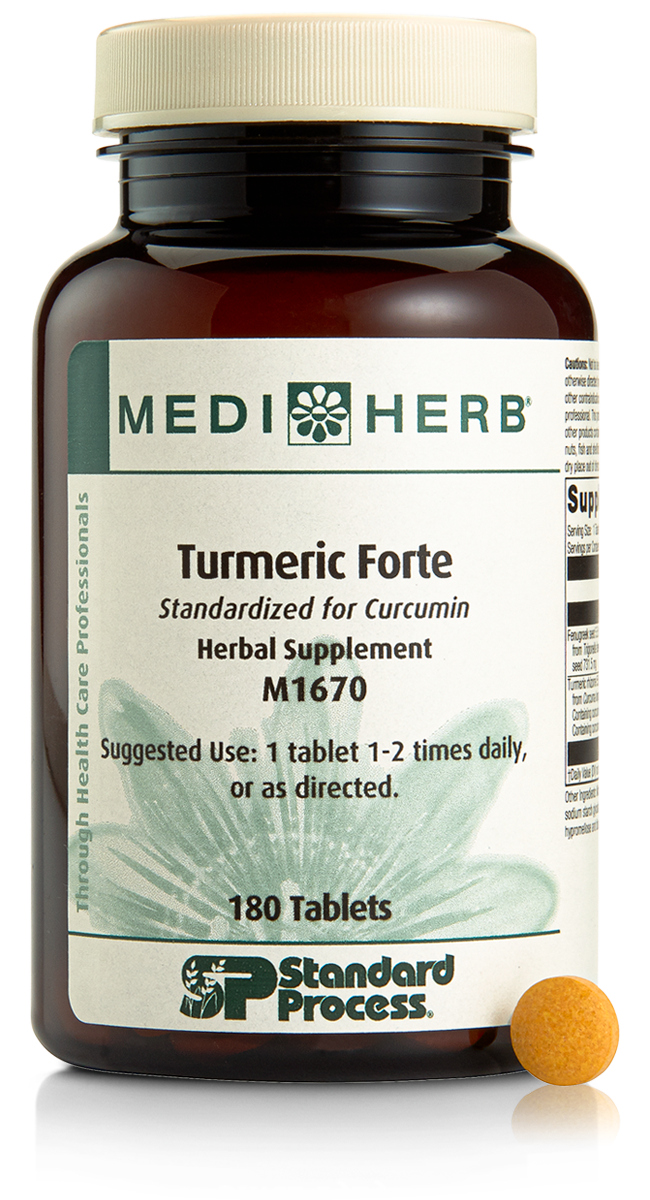
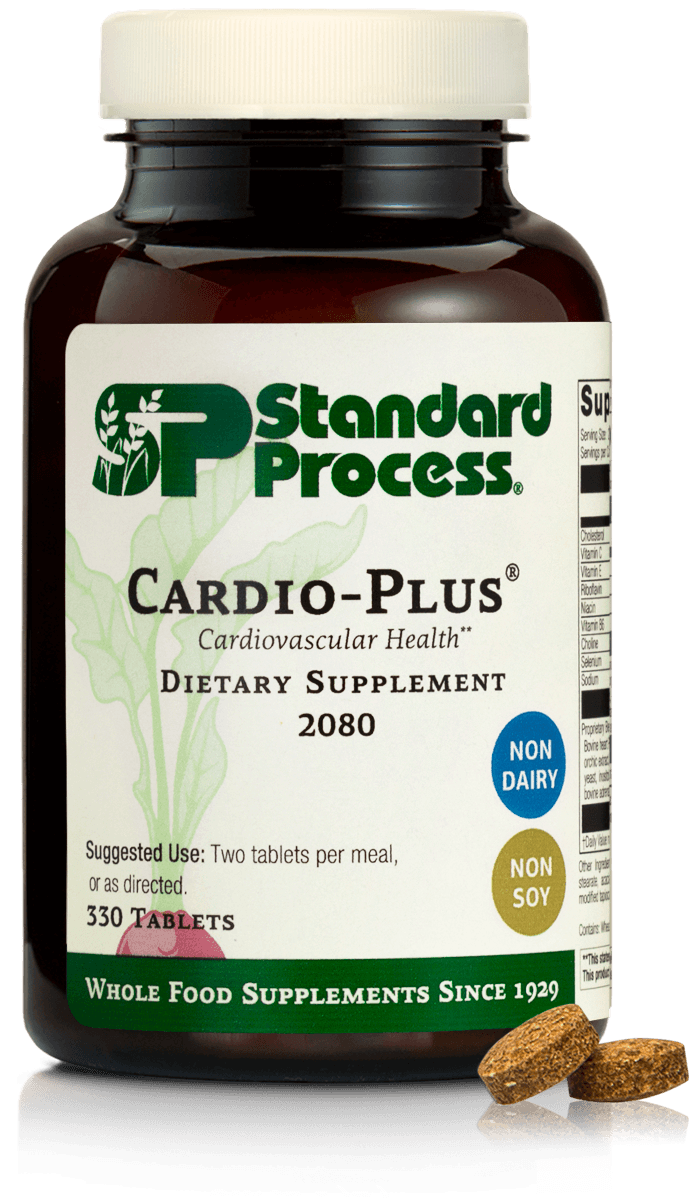
Practitioner supplements are usually created with clinical use in mind. That does not mean every product is automatically superior, but it often means more attention is given to ingredient sourcing, complementary nutrients, delivery format, and condition-specific use. These formulas are commonly used by functional medicine practitioners, chiropractors, naturopathic providers, and other wellness professionals who want something more targeted than a one-size-fits-most option.
That distinction matters if you are dealing with recurring digestive issues, stress-related depletion, hormone shifts, sluggish detox pathways, or nutrient gaps that do not improve with basic retail products. In those cases, the quality of the formula and the logic behind how ingredients work together become more relevant.
Ingredient quality is where many differences show up
A store vitamin label can look impressive at first glance. High percentages of daily values, long ingredient panels, and buzzwords like natural or premium can create a strong first impression. But a closer look often tells a more complete story.
Some retail formulas rely on less expensive nutrient forms, fillers, artificial colors, sweeteners, or unnecessary binders. Again, that does not make every store vitamin bad. Many are perfectly fine for general wellness support. The issue is that label strength does not always equal practical value.
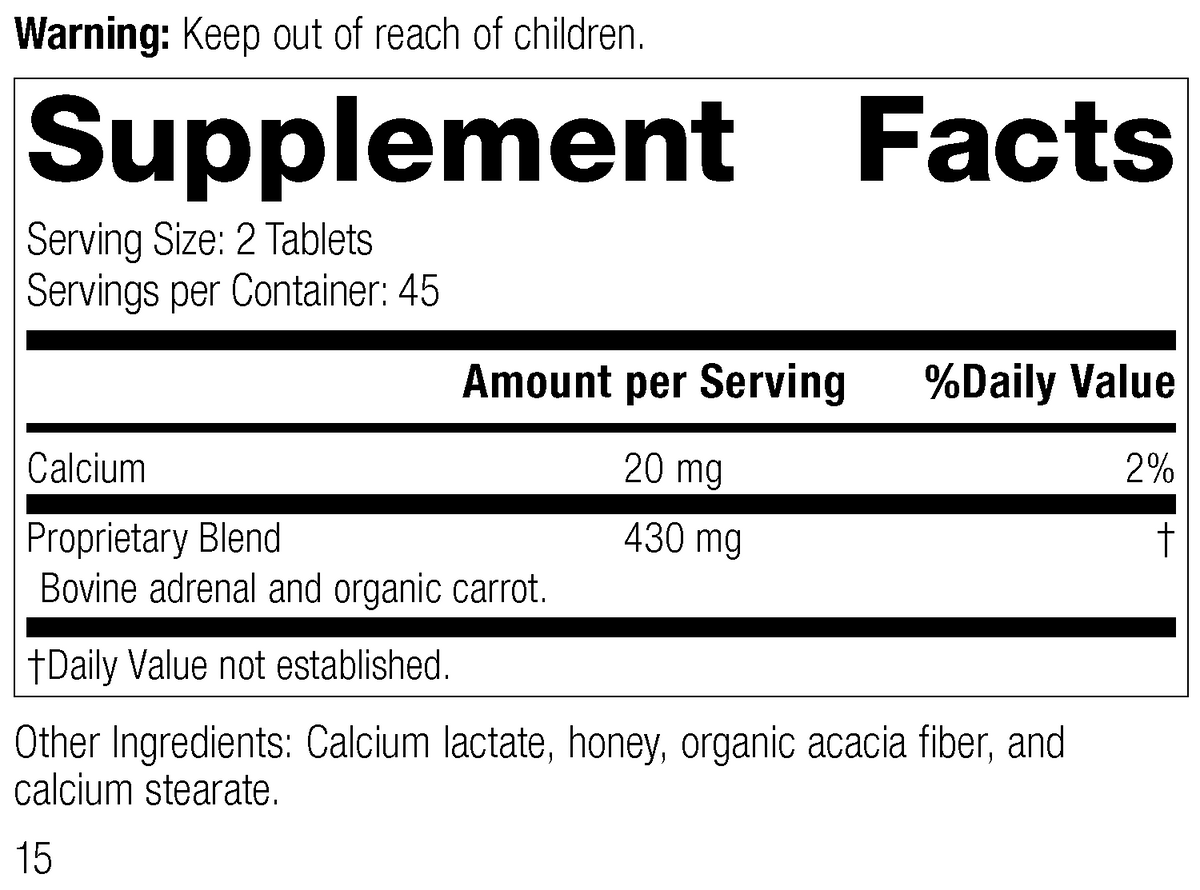
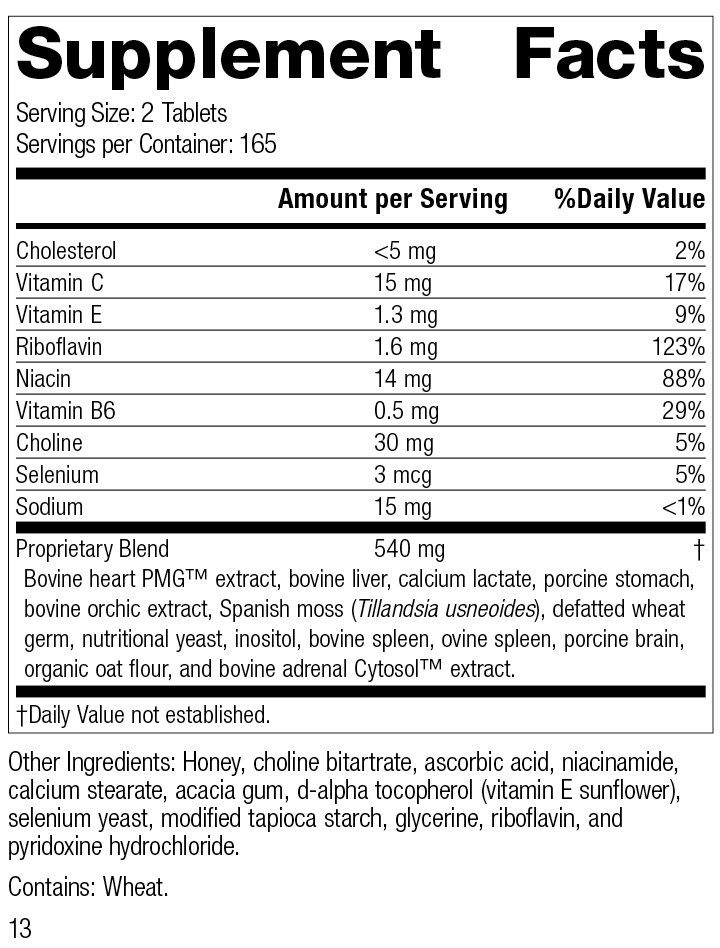
Practitioner-grade products are often chosen because they emphasize more usable forms of nutrients, cleaner formulas, and combinations designed with a clinical purpose. For example, one magnesium product may use a form intended for absorption and gentle digestion, while another may use a cheaper form that is harder on the stomach. A B-complex may include active forms that better fit people with methylation challenges, while a grocery store version may stick with the lowest-cost ingredients.
For customers who care about whole food-based formulas, herbal quality, or products from authorized and practitioner-trusted brands, this difference can be a deciding factor. It is not just about what is in the bottle. It is also about what was prioritized when the formula was built.
Dosing is not just bigger or stronger
One common assumption is that practitioner supplements simply contain higher doses. Sometimes they do, but that is not the full picture.
The real difference is often precision. A practitioner formula may combine nutrients in amounts intended to support a particular system or health goal, such as adrenal stress, liver support, blood sugar balance, or digestive repair. That is different from a store vitamin that aims to cover general daily intake.
More is not always better. In fact, some people do poorly on high-dose retail products because they are taking nutrients they do not need, in forms that do not agree with them, or in combinations that are poorly balanced. Practitioner guidance can help reduce that guesswork.
This is especially relevant for women navigating hormone concerns, adults dealing with chronic stress, or anyone stacking multiple supplements at once. If you are already taking a multivitamin, separate vitamin D, magnesium, probiotics, and herbal blends, overlap becomes easy. The better strategy is not necessarily adding more products. It is choosing smarter ones.
The role of personalization in practitioner supplements vs store vitamins
This is where practitioner supplements often pull ahead. Store vitamins are mostly self-serve. You read the front label, make your best guess, and hope it fits.
Practitioner-guided supplements are more likely to be part of a plan. That might involve symptom patterns, health goals, medication review, lifestyle factors, and a timeline for re-evaluation. The product is not treated like a random wellness add-on. It is part of a broader strategy.
That personalized piece matters because two people can have the same complaint and need very different support. Fatigue might point to stress overload, poor sleep, low iron, blood sugar swings, digestive malabsorption, thyroid concerns, or simple undernourishment. A generic energy supplement from a store shelf may help a little, or it may completely miss the issue.
This is one reason many health-conscious shoppers move toward practitioner-trusted brands over time. They are not just buying capsules. They are buying confidence in the formula and, ideally, some level of professional direction.
Price matters, but value matters more
Let’s address the obvious point. Practitioner supplements usually cost more than store vitamins.
For some shoppers, a basic retail product makes sense. If you want a straightforward vitamin D or a simple multivitamin and you tolerate it well, there may be no reason to complicate it. Budget matters, and not every health goal requires a premium formula.
But there is another side to the price conversation. Cheaper products can become expensive if they do not work, if they create digestive discomfort, or if they lead to a medicine-cabinet collection of half-used bottles. Many people spend more through trial and error than they would have spent starting with a more targeted option.
Value also includes trust. When you buy from an authorized source with practitioner-backed support, you are often paying for formula standards, brand integrity, and guidance that reduces wasted time. For people dealing with long-standing health concerns, that can be worth far more than the sticker difference.
When store vitamins may be enough
Store vitamins are not the villain in this conversation. They can be a practical fit for people with basic wellness goals, simple nutrient support needs, or a limited supplement budget.
If you are generally healthy, want convenience, and are looking for foundational support like vitamin C, omega-3s, or a mainstream multivitamin, a carefully chosen retail product may do the job. The key is choosing thoughtfully rather than assuming all products on a major shelf are equal.
Reading labels still matters. Look at nutrient forms, added ingredients, serving sizes, and whether the formula is trying to impress with marketing more than substance. Even in retail, there is a wide quality range.
When practitioner-grade formulas usually make more sense
Practitioner supplements tend to make more sense when your needs are more specific than general wellness. If you are working through hormone imbalance, chronic stress, detox support, digestive complaints, immune resilience, cardiovascular concerns, or a more complex supplement routine, formulation quality becomes harder to ignore.
They are also a better fit when you want help connecting the dots. That might mean using a supplement quiz, a personalized protocol, or direct practitioner support to narrow your choices. Fast Track To Health serves this kind of customer well - someone who wants trusted formulas and a guided path, not another round of guesswork.
The same is true for pet owners looking for practitioner-grade support for dogs or cats. Once supplements move beyond simple basics, quality control and informed recommendations become even more important.
How to make the right choice for your situation
Start with the reason you are supplementing in the first place. If your goal is broad nutritional support, store vitamins may be enough if you choose carefully. If your goal is to address a persistent issue or support a system under stress, practitioner formulas are usually worth a closer look.
Then consider how confident you feel evaluating products on your own. Some shoppers are comfortable comparing labels and understanding forms of nutrients. Others want a trusted shortcut. There is no shame in wanting guidance. In fact, that often leads to better outcomes.
Finally, think beyond the bottle. The best supplement is the one that fits your body, your goals, and your plan. Quality matters. Context matters. And the more specific your health concerns, the less helpful random guessing becomes.
A good supplement should feel like support, not confusion. If you have been cycling through products without seeing real progress, that may be the clearest sign it is time to move from the store shelf to a more practitioner-guided approach.






Leave a comment
This site is protected by hCaptcha and the hCaptcha Privacy Policy and Terms of Service apply.