

You can stand in the vitamin aisle for ten minutes and still leave wondering the same thing: are whole food supplements better than synthetic? It is a fair question, especially if you are trying to invest in products that actually support your health instead of adding more confusion to your routine. The short answer is that whole food supplements are often the better fit for people who want a more natural, food-based approach, but the best choice still depends on the nutrient, the formula, and your health goals.
Are whole food supplements better than synthetic for everyone?
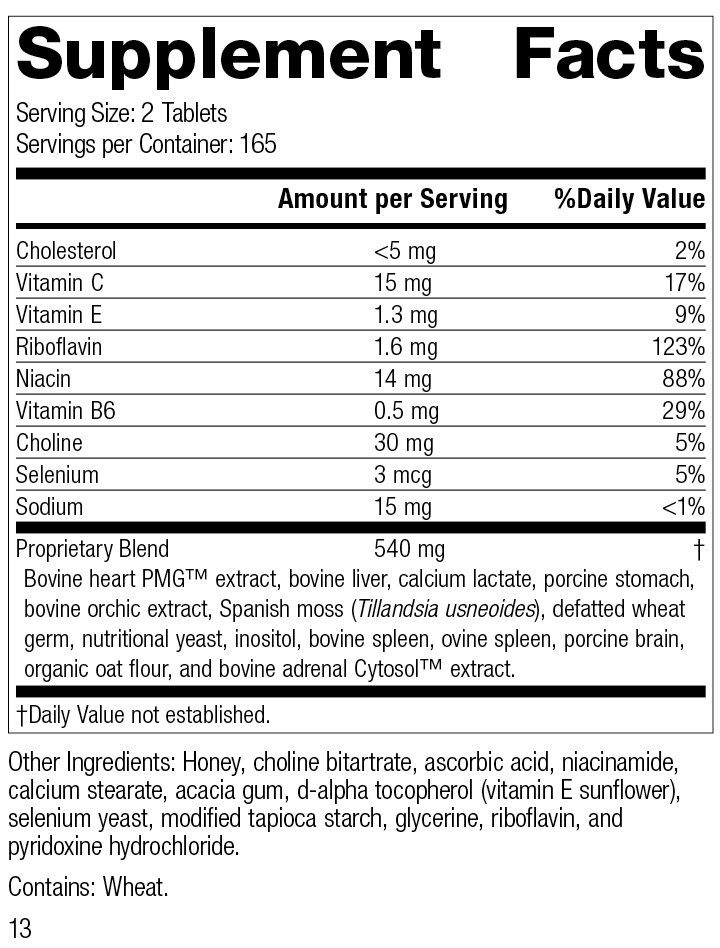
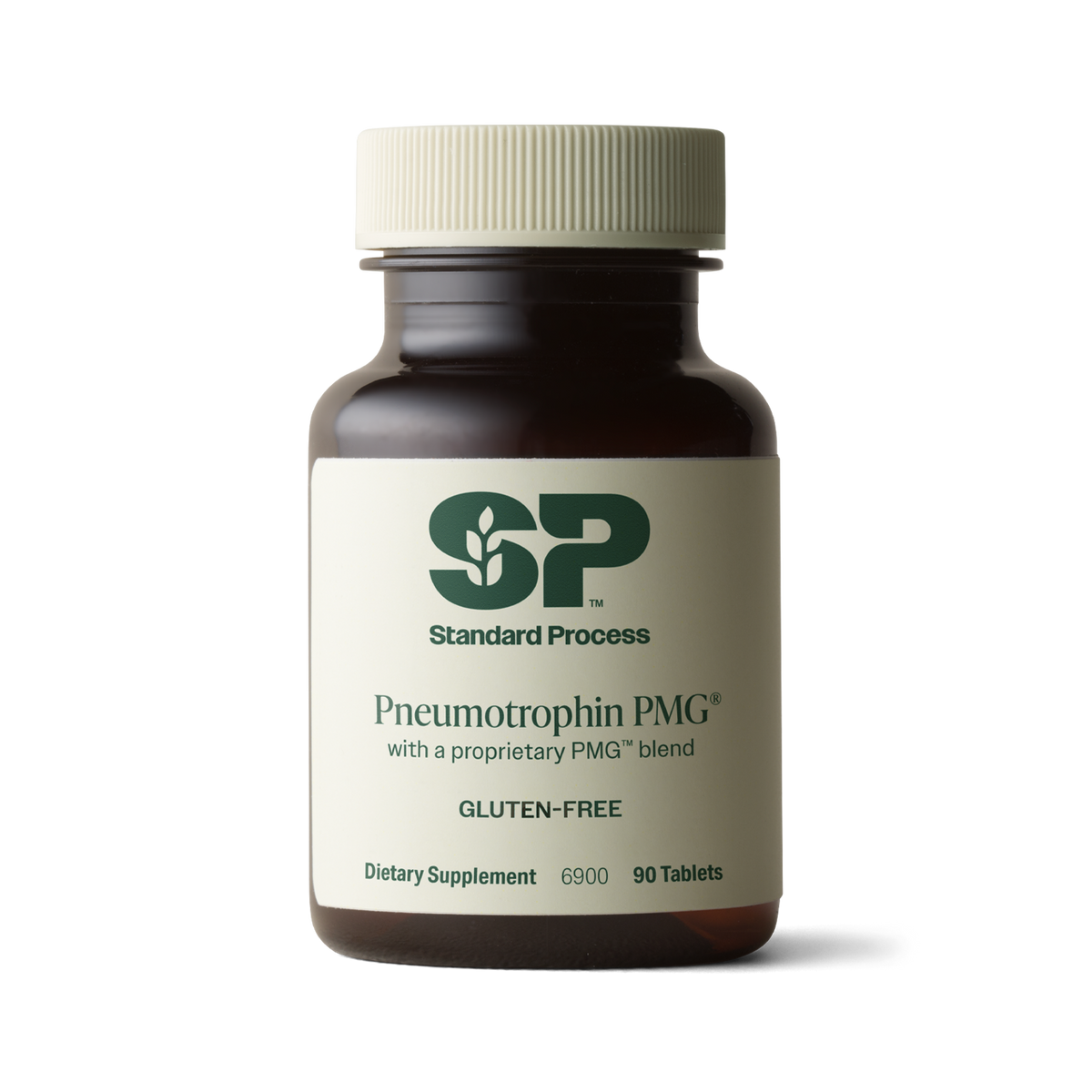
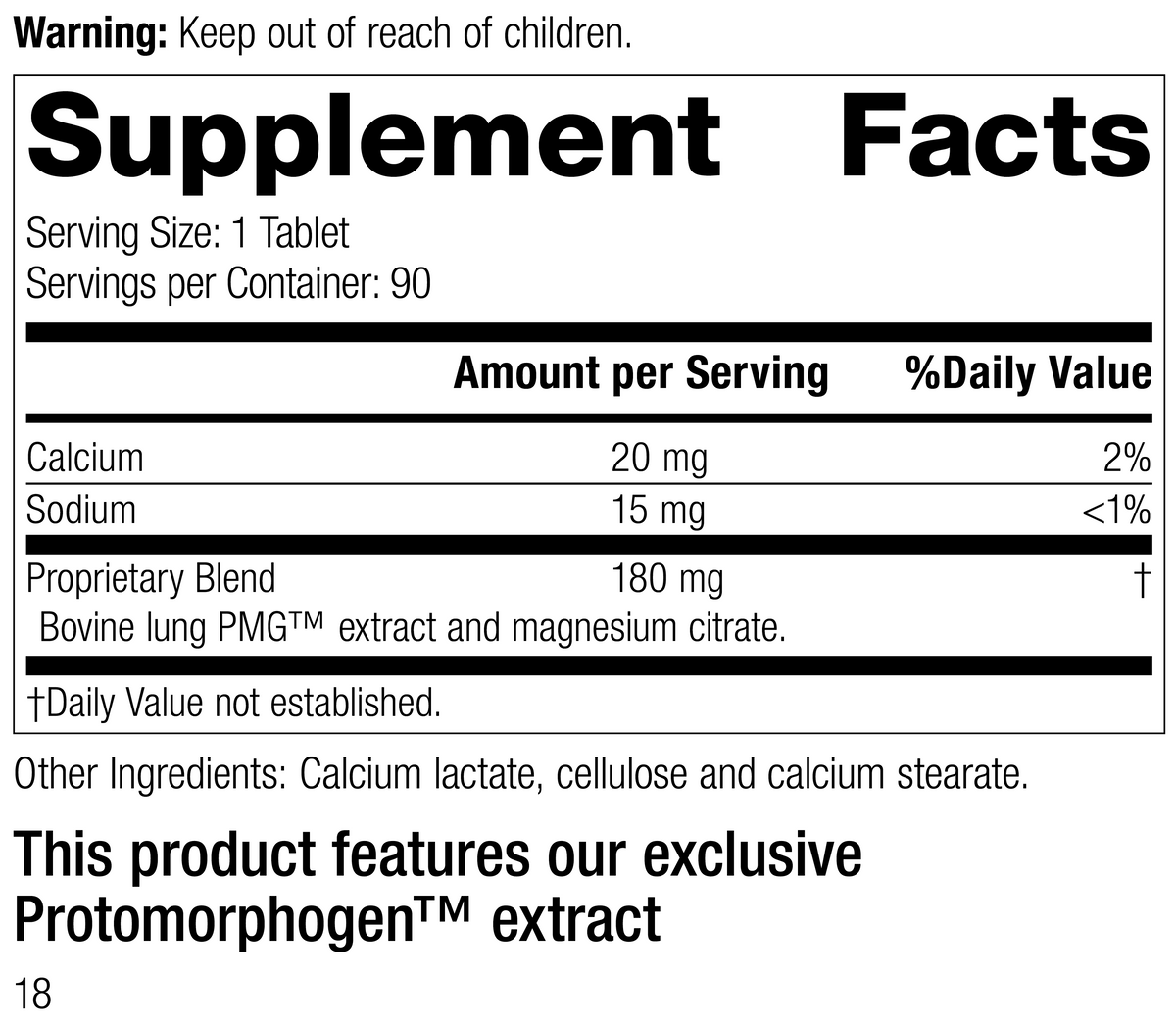
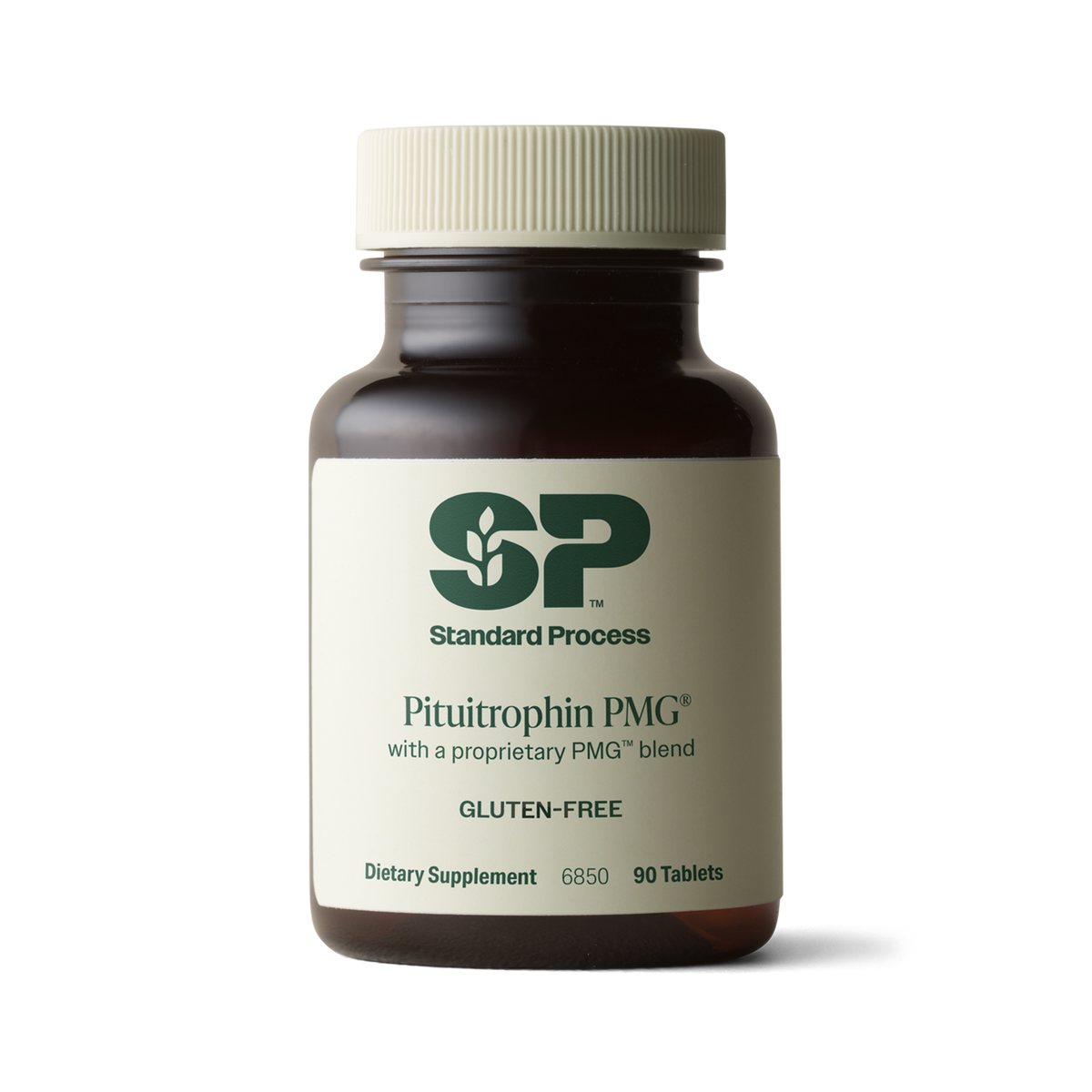
Not automatically. Whole food supplements and synthetic supplements are made differently, and that difference matters. A whole food supplement is typically derived from concentrated foods or food-grown ingredients, often paired with naturally occurring cofactors such as enzymes, phytonutrients, and trace minerals. A synthetic supplement is usually made in a lab to replicate a specific vitamin, mineral, or compound.
That does not make every synthetic supplement bad, and it does not make every whole food formula excellent by default. Quality, sourcing, dosage, and formulation still matter. But for many health-conscious adults, whole food supplements offer something important that isolated synthetic nutrients often do not - a more complete nutritional context.
Your body does not encounter nutrients one at a time in real food. It encounters them as part of a larger package. That is one reason many practitioners prefer whole food-based formulas when they want gentler, more balanced daily support.
What makes whole food supplements different?
The main difference is not just the ingredient label. It is the nutritional environment surrounding the nutrient itself.
When you eat an orange, you are not just getting vitamin C. You are getting flavonoids, fiber, enzymes, and other compounds that influence how that vitamin behaves in the body. Whole food supplements aim to preserve more of that natural synergy. Depending on the formula, that can support absorption, tolerance, and a more food-like experience for the body.
Synthetic supplements, by contrast, often isolate one nutrient in a standardized form. That can be useful when a very precise dose is needed, but it can also mean the formula is narrower in scope. For someone looking for foundational wellness support, that distinction may matter.
This is especially relevant for people focused on digestion, stress resilience, hormone balance, immune health, and long-term wellness habits. In those cases, many consumers are not looking for the cheapest possible vitamin. They want a practitioner-trusted formula that supports the body in a way that feels more aligned with how nutrition works in real life.
Why many people prefer whole food formulas
One reason is tolerance. Some people find whole food supplements easier on the stomach, especially when compared with high-dose synthetic products that can feel harsh or cause nausea when taken without a full meal. A food-based formula may feel gentler because it is designed to resemble food more closely.
Another reason is nutrient complexity. Whole food formulas often contain naturally occurring compounds that work alongside the main nutrient. That can be appealing if you want broad nutritional support rather than a single isolated ingredient.
There is also a trust factor. Many supplement shoppers are moving away from mass-market formulas with long labels and toward brands and protocols that feel more intentional. They want products that are practitioner recommended, rooted in quality sourcing, and chosen for function rather than marketing hype.
For that audience, whole food supplements often feel like the gold standard because they align with a more holistic philosophy of care.
Where synthetic supplements can still make sense
This is where the conversation needs nuance. Synthetic is not a dirty word. In some cases, synthetic nutrients are effective, research-backed, and clinically useful.
If someone has a confirmed deficiency and needs a targeted, measurable dose, a synthetic or isolated nutrient may be appropriate. Folic acid, certain forms of B vitamins, iron, magnesium, or vitamin D are often used this way depending on the product and the person. Some therapeutic protocols rely on isolated nutrients because precision matters.
There is also the issue of potency. Whole food supplements may offer excellent foundational support, but they are not always the best tool when you need aggressive short-term repletion under practitioner guidance. If your labs are significantly off, your provider may recommend a more targeted formula for a period of time.
Cost can be another factor. Whole food supplements are often more expensive because sourcing and manufacturing are more involved. For some families, a well-made synthetic product is the more realistic option.
So the better question may not be whether synthetic supplements are bad. It may be whether they are the right match for your current needs.
Are whole food supplements better than synthetic for absorption?
Sometimes yes, but not always in a simple way. Absorption depends on more than whether a nutrient came from food or a lab. It also depends on the nutrient form, the rest of the formula, your digestive health, your stomach acid levels, the timing of the dose, and whether you have underlying issues that affect uptake.
That said, whole food formulas may support absorption by providing nutrients in a more recognizable matrix. The body is built to process food, not chemistry in isolation. When vitamins and minerals come with their natural cofactors, the body may handle them more efficiently.
Still, some synthetic forms are highly bioavailable and very well studied. A premium supplement is not better just because the label says natural. The form of the nutrient matters. The integrity of the manufacturer matters. And the guidance behind the product matters.
That is one reason practitioner-trusted supplement lines stand out. The formula is usually built with purpose rather than trend-driven claims.
How to choose the right type for your goals
If you are looking for daily nutritional support, a whole food supplement is often a smart place to start. It tends to fit well for people who want foundational support for energy, immune function, digestion, stress balance, or overall wellness without taking an overly aggressive approach.
If you are dealing with a specific concern such as nutrient depletion, hormone imbalance, ongoing fatigue, or a chronic health pattern, the answer may be more individualized. You may benefit from a combination of whole food formulas and targeted nutrients. That is where practitioner guidance becomes valuable, because guessing can get expensive fast.
It also helps to think beyond one ingredient. A supplement should match your broader plan. Are you trying to support detox pathways? Calm the stress response? Rebuild digestive function? Improve cardiovascular health? Those goals often require more than a random multivitamin.
The most effective supplement routine usually feels strategic, not crowded. It is built around what your body actually needs.
Red flags to watch for when comparing supplements
Not all products marketed as whole food are truly high quality. Some use buzzwords without meaningful sourcing or formulation standards. Others include tiny amounts of food powder mainly for label appeal while relying on the same old synthetic base underneath.
Read labels carefully. Look for transparency around ingredients and manufacturing. Pay attention to whether the formula appears thoughtfully designed or simply stuffed with high numbers to impress shoppers. More is not always better.
It is also worth being cautious with one-size-fits-all supplement advice online. A formula that works beautifully for one person may be the wrong fit for another, especially when hormones, digestion, stress load, or medications are involved.
If you want to shop with confidence, choose brands and providers that prioritize practitioner guidance, education, and product quality rather than flashy claims alone. That extra layer of support can make a big difference.
The real answer for most wellness-minded adults
For many people, yes - whole food supplements are better than synthetic when the goal is long-term, foundational wellness support. They often provide nutrients in a more complete, balanced form and may be easier to tolerate as part of a daily routine. That makes them especially appealing for people who value holistic care and want formulas that work with the body rather than simply pushing high doses.
But better does not mean universal. Synthetic nutrients still have a place, particularly when precision, potency, or short-term correction is needed. The smartest approach is not to choose a side blindly. It is to choose based on quality, context, and what your body is asking for right now.
If you have ever felt overwhelmed trying to compare labels, that is normal. The supplement world is crowded, and not every product deserves a place in your routine. A more personalized path, whether through a practitioner, a targeted supplement plan, or a trusted wellness resource like Fast Track To Health, can help you move from trial and error to real direction.
Your supplements should feel like support, not guesswork. Start with quality, pay attention to how you feel, and choose the kind of nutrition that makes sense for the life and health goals you are building.





Leave a comment
This site is protected by hCaptcha and the hCaptcha Privacy Policy and Terms of Service apply.