
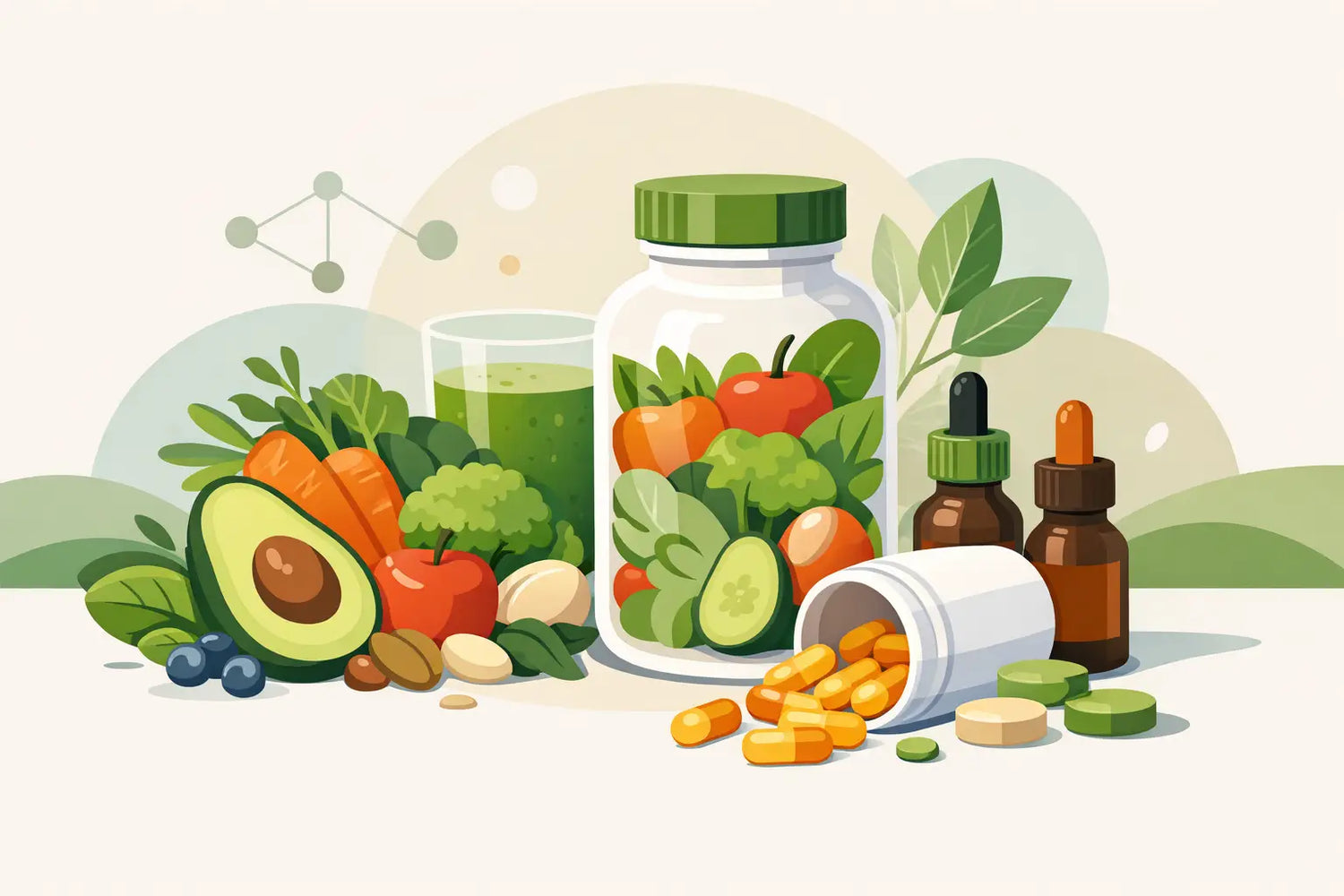
You can stand in the vitamin aisle for five minutes and see the problem right away: dozens of bottles promise energy, immunity, stress support, and better nutrition, but they are not all built the same. If you have ever wondered what are whole food supplements, you are asking a smart question - because the answer affects quality, absorption, and how well a product fits into a long-term wellness plan.
Whole food supplements are dietary supplements made from concentrated foods or food-based ingredients rather than isolated synthetic nutrients alone. That usually means the formula starts with vegetables, fruits, herbs, organ extracts, or other nutrient-dense food sources that naturally contain vitamins, minerals, enzymes, cofactors, and phytonutrients together. The goal is to deliver nutrition in a form that is closer to how it appears in nature.
That sounds simple, but this category gets misunderstood all the time. Some products use the phrase “whole food” loosely, while others are carefully formulated to preserve the complexity of nutrients found in real foods. Knowing the difference can help you shop with confidence and choose supplements that truly support your health goals.
What are whole food supplements, really?
A true whole food supplement is not just a standard multivitamin with a little spinach powder added for marketing. It is typically made from concentrated food ingredients that provide a broader nutritional matrix. Instead of delivering a single isolated vitamin in a lab-created form, a whole food formula may include that nutrient alongside the naturally occurring compounds that normally come with it in food.
For example, when you eat an orange, you are not only getting vitamin C. You are also getting bioflavonoids and other plant compounds that work together in the body. Whole food supplements aim to respect that natural partnership.
This does not mean every ingredient in every whole food formula comes directly from a raw carrot or a fresh beet. Manufacturing still matters, and many high-quality supplements combine food-based ingredients with carefully selected nutrients to create a stable, usable product. That is where quality standards and practitioner-trusted brands become especially important.
How whole food supplements differ from synthetic vitamins
The biggest difference is the source and context of the nutrients. Synthetic supplements often contain isolated vitamins and minerals produced through industrial processes. These can absolutely have a place. In some cases, they are well studied, effective, and necessary.
Whole food supplements, on the other hand, are designed to provide nutrients in a more complete form. They often contain trace compounds, enzymes, and cofactors that are naturally present in food. Supporters of whole food supplementation believe this food-based complexity may help the body recognize and use nutrients more efficiently.
Still, this is not a simple “good versus bad” conversation. Synthetic does not automatically mean low quality, and whole food does not automatically mean superior in every situation. If someone has a documented deficiency and needs a therapeutic dose of a specific nutrient, an isolated form may be the better clinical choice. If someone wants broad foundational support, a whole food formula may be a better fit.
That is why supplement decisions work best when they match the person, not just the label.
Why people choose whole food supplements
Many health-conscious adults are trying to fill nutritional gaps created by modern life. Even with a healthy diet, stress, digestive issues, medication use, food quality, and busy schedules can all affect nutrient status. Whole food supplements appeal to people who want support that feels more aligned with a food-first wellness philosophy.
They are often chosen for foundational nutrition, gentle daily support, and long-term wellness routines. Some people also prefer them because they want fewer highly processed ingredients and more recognizable sources. For women managing hormone balance, adults supporting immunity or digestion, and those looking for practitioner-guided wellness tools, this kind of approach can feel more grounded and sustainable.
There is also a trust factor. Food-based formulations often attract shoppers who are not looking for trendy quick fixes. They want gold standard products, reliable sourcing, and a supplement plan they can stick with.
What ingredients are in whole food supplements?
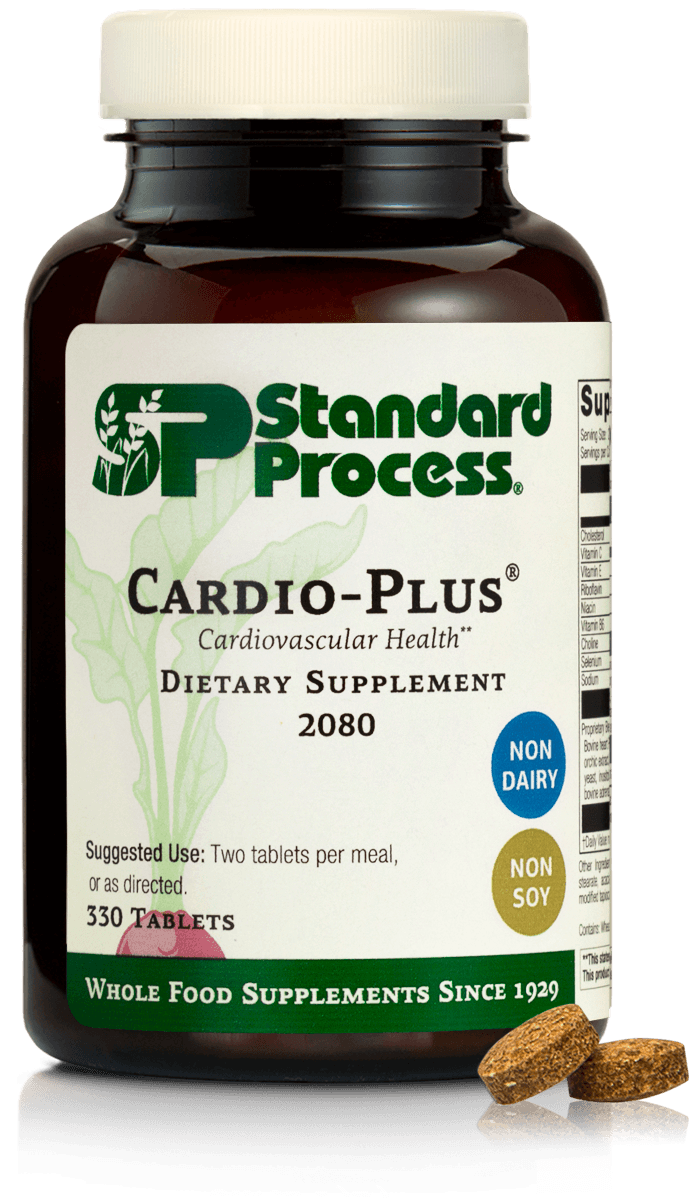
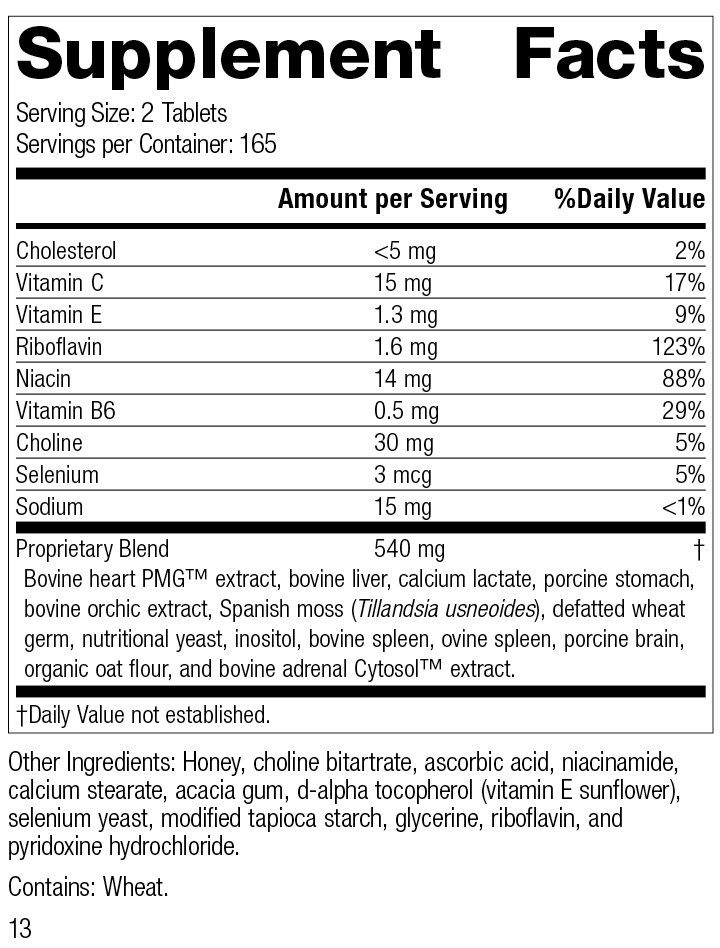
The answer depends on the formula, but common ingredients include dried or concentrated fruits and vegetables, herbs, glandular extracts, and other nutrient-dense food components. Some products focus on broad-spectrum nutrition, while others are targeted to a body system such as liver support, digestion, cardiovascular health, or women’s wellness.
A whole food immune formula, for instance, may include food-derived vitamin sources, plant compounds, and herbal support rather than relying only on high-dose isolated nutrients. A digestive product might pair food-based ingredients with enzymes or botanicals. A stress support formula could include adrenal-supportive nutrients alongside herbs traditionally used to support resilience.
This layered approach is one reason many practitioners value whole food-based systems. They are often built to support how body systems work together, not just chase one symptom with one ingredient.
What whole food supplements are not
Whole food supplements are not a replacement for eating real meals. No capsule can duplicate the full value of a balanced diet with protein, fiber, healthy fats, colorful produce, and adequate hydration. Supplements are there to supplement, not rescue a consistently poor diet.
They are also not all interchangeable. Two products may both say “whole food” on the label and be very different in potency, sourcing, formulation quality, and intended use. One may be a basic wellness product, while another is designed with practitioner-level precision.
And they are not always the answer for every person. If you have a health condition, take medications, are pregnant, or are managing complex symptoms, personalized guidance matters. The right supplement strategy depends on your goals, history, and current health status.
Who may benefit most from whole food supplements?
Whole food supplements can be a strong option for adults who want daily nutritional support with a more natural, food-based foundation. They may be especially appealing if you are focused on prevention, prefer holistic wellness strategies, or want a routine that supports multiple body systems at once.
They can also make sense for people who value practitioner-trusted formulas over generic store brands. If you have been overwhelmed by endless supplement choices, whole food products from established professional brands can bring more clarity and confidence to the process.
That said, your goals matter. Someone working on energy, immune resilience, digestive comfort, hormone balance, detox support, or cardiovascular wellness may all benefit from different formulas. This is where customized guidance can be life changing. A good supplement plan should not feel random.
How to choose a quality whole food supplement
Start by looking past front-label claims. The words “natural” and “whole food” can sound reassuring, but they do not tell you enough on their own. Check whether the brand is transparent about sourcing, manufacturing quality, and the intended purpose of the product.
Next, look at the formula design. Does it provide meaningful ingredients in useful amounts, or is it mostly label decoration? Is the product designed for general support or for a specific health concern? Better formulas usually have a clear reason for each ingredient.
It also helps to choose brands that are trusted by practitioners and known for consistent quality. That matters because food-based supplements can vary significantly in how they are grown, processed, and standardized. Fast Track To Health focuses on practitioner-trusted options for exactly this reason - shoppers want more than a pretty label. They want products backed by experience, guidance, and real-world use.
A practical note on expectations
Whole food supplements are often best viewed as part of a bigger wellness strategy, not a standalone fix. If your sleep is poor, stress is high, meals are inconsistent, and digestion is struggling, the right supplement may help - but it works best when paired with the habits your body needs.
Results can also take time. Some people notice changes in energy or digestion quickly, while others need several weeks of consistent use. That does not mean a product is failing. It often means the body is responding gradually, especially when the goal is foundational support rather than a stimulant effect.
Patience matters, and so does a realistic plan.
What are whole food supplements best used for?
They are best used to support, not replace. Support daily nutrition. Support recovery from nutrient gaps. Support body systems that are under strain from stress, poor food quality, or increased demands. In many cases, they fit best into a broader functional wellness approach that looks at the whole person rather than a single symptom.
That is one reason they have stayed relevant even as the supplement market gets louder. People are looking for something more grounded than hype. They want formulas that respect how the body actually works.
If you have been asking what are whole food supplements, the short answer is that they are nutrition-focused products made from concentrated food and food-based ingredients designed to work more like nature intended. The better answer is that they offer a thoughtful option for people who want a more complete, practitioner-aligned approach to wellness.
The most helpful next step is not buying the trendiest bottle on the shelf. It is choosing a supplement plan that matches your health goals, your body, and the level of support you truly need.





Leave a comment
This site is protected by hCaptcha and the hCaptcha Privacy Policy and Terms of Service apply.