
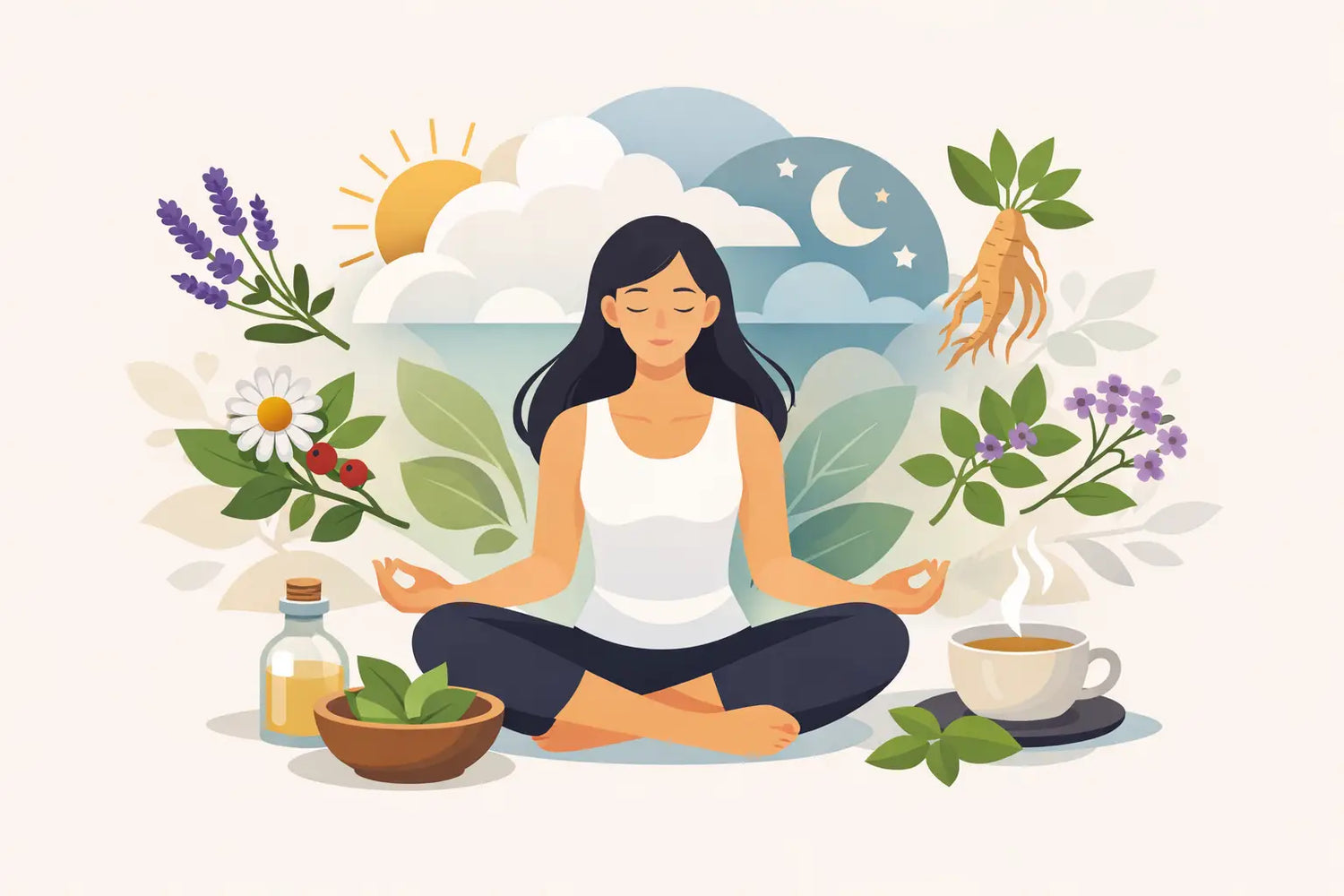
A demanding workweek, a full family calendar, poor sleep, and too much time spent connected can leave the body feeling like it never gets a chance to settle. The best herbs for occasional stress are not meant to erase life’s pressures. They are tools that may support a calmer response, steady energy, and healthy resilience when everyday demands run high.
Herbal stress support works best when it is paired with the basics: regular meals, restorative sleep, movement, hydration, and realistic boundaries. The right formula can be a valuable addition, but no single herb is the best fit for every person. Your stress pattern, medications, health history, and sensitivity to stimulating or calming ingredients all matter.
What to Look for in Herbs for Occasional Stress
Most herbs used for stress support fall into one of two broad categories. Adaptogenic herbs are traditionally used to help the body adapt to physical and emotional demands. Calming nervine herbs are commonly used to promote relaxation, particularly when tension, racing thoughts, or trouble winding down are part of the picture.
A quality formula should clearly identify the herbs it contains and provide meaningful amounts rather than relying on a long label with tiny doses. Whole-food and practitioner-trusted formulas can be especially helpful when you want thoughtful combinations instead of a one-size-fits-all approach. It is also wise to consider timing. Some herbs are better suited to daytime resilience, while others may fit an evening routine.
7 Best Herbs for Occasional Stress
Ashwagandha for feeling stretched thin
Ashwagandha is one of the most recognized adaptogenic herbs for occasional stress. It is often chosen by adults who feel mentally overextended, physically worn down, or unable to shift out of a constant state of urgency. Rather than acting like a sedative, ashwagandha is generally used to support a balanced stress response over time.
It can be a good consideration when stress feels draining, but it is not automatically right for everyone. People with thyroid conditions, autoimmune concerns, pregnancy, or those taking medications should speak with a qualified practitioner before using it. Some individuals also find it too energizing or experience digestive discomfort.
Rhodiola for stress-related fatigue
Rhodiola is another adaptogen, often selected when occasional stress comes with low motivation, mental fatigue, or a demanding schedule. It has a more uplifting reputation than many calming herbs, which can make it a practical daytime option for people who need support without feeling drowsy.
That same quality is why dosage and timing matter. If you are sensitive to stimulating ingredients, prone to restlessness, or already running on too much caffeine, rhodiola may not be the first herb to try. A practitioner can help determine whether it fits your energy and sleep patterns.
Holy basil for everyday resilience
Holy basil, also called tulsi, has a long history of traditional use for supporting the body during periods of stress. It is frequently included in balanced formulas because it tends to feel gentler than stronger stimulating adaptogens. Many people appreciate it as an option for daily wellness routines when life feels consistently full.
Holy basil is often combined with other herbs rather than used alone. This can be useful when your goal is broad support for mood, energy, and stress resilience instead of a fast, strongly sedating effect. As with all botanicals, review your medications and health history before adding it to your routine.
Lemon balm for a busy mind
When occasional stress shows up as mental chatter at the end of the day, lemon balm is worth considering. This gently calming herb has traditionally been used to support relaxation and a settled mood. It may be especially appealing for people who want an herbal option that feels soothing without being overly heavy.
Lemon balm is commonly used in the afternoon or evening, although individual responses vary. If you take thyroid medication or have a thyroid condition, ask your practitioner whether lemon balm is appropriate for you. Choosing the right dose is more useful than assuming more is better.
Passionflower for winding down
Passionflower is a classic nervine herb used when tension makes it hard to transition from activity to rest. It is often included in evening formulas designed to support relaxation and occasional sleeplessness related to a busy mind. Its role is less about daytime drive and more about helping create space for a calmer nighttime routine.
Because passionflower may have a relaxing effect, take care when combining it with alcohol, sleep aids, or medications that cause drowsiness. It may not be ideal before driving or when you need to remain highly alert. This is one reason practitioner guidance is valuable when building a stress-support plan.
Chamomile for gentle calm
Chamomile is familiar for good reason. Often enjoyed as tea, it has traditionally been used to encourage relaxation and ease after a long day. It can be a simple starting point for mild, occasional tension, especially for someone who prefers a gentle herbal ritual over a more complex supplement routine.
A warm cup of chamomile may support more than relaxation alone because the routine itself can signal that the day is slowing down. However, people with allergies to plants in the ragweed family should use caution. Chamomile can also interact with certain medications, including blood thinners.
Lavender for tension and relaxation
Lavender is valued for its calming aroma, but it is also used in oral herbal preparations for occasional nervous tension. For some people, the scent of lavender paired with a measured supplement or herbal tea creates a helpful pause between a stressful moment and the next demand.
Lavender tends to suit people looking for gentler calming support. Still, an essential oil diffuser is not the same as an oral formula, and products should be used only as directed. Avoid ingesting essential oils unless they are specifically formulated and labeled for internal use.
How to Choose the Right Herbal Formula
Start by identifying the pattern you want to support. If stress leaves you depleted but you still need to perform during the day, an adaptogen-centered formula with herbs such as ashwagandha, rhodiola, or holy basil may be worth discussing. If your main challenge is settling down in the evening, a calming blend featuring lemon balm, passionflower, chamomile, or lavender may be more appropriate.
Next, consider simplicity. When trying a new herbal product, a formula with a clear purpose and transparent ingredient list makes it easier to understand how your body responds. Multi-herb blends can be highly effective, especially when professionally formulated, but they should not be a guessing game.
Quality matters as much as the herb itself. Look for brands that prioritize carefully sourced botanical ingredients, quality manufacturing practices, and formulas trusted by practitioners. At Fast Track To Health, customers can choose practitioner-grade wellness support while also accessing guidance for a plan that reflects their individual needs.
Use Herbs Thoughtfully and Safely
Natural does not mean risk-free. Herbs can interact with prescription medicines, over-the-counter products, and other supplements. This is particularly relevant if you take medication for mood, sleep, blood pressure, blood sugar, thyroid health, or blood clotting. Pregnancy, breastfeeding, planned surgery, and chronic health conditions are also reasons to check with a licensed healthcare professional first.
Introduce one new product at a time whenever possible. Follow the label directions, notice changes in energy, mood, digestion, and sleep, and give your body time to respond. If an herb causes unwanted effects, stop using it and seek professional advice. Persistent anxiety, panic symptoms, severe sleep disruption, or feelings that interfere with daily life deserve clinical support rather than self-treatment alone.
Herbal support is most useful when it becomes part of a routine that respects your body’s need to recover. Choose a formula that matches your stress pattern, use it consistently as directed, and give yourself one small daily practice that makes calm more likely - even if that practice is simply stepping away from the next demand for five quiet minutes.





Leave a comment
This site is protected by hCaptcha and the hCaptcha Privacy Policy and Terms of Service apply.