

A multivitamin can look simple on a label, yet the form of its nutrients can make a meaningful difference in how it fits your wellness routine. Whole food vitamin benefits appeal to people who want nutritional support that feels closer to food, especially when stress, busy schedules, dietary restrictions, or health goals make consistent nourishment harder to achieve.
Whole food supplements are not a replacement for vegetables, fruit, protein, healthy fats, and fiber. They can, however, be a thoughtful complement to a well-rounded eating pattern. For people seeking practitioner-trusted formulas, understanding what “whole food” means can make choosing a vitamin less confusing and more personal.
What Are Whole Food Vitamins?
Whole food vitamins are supplements made with ingredients derived from foods or food concentrates, such as vegetables, fruits, herbs, grains, and nutritional yeast. Depending on the formula, vitamins and minerals may be naturally present in the food ingredients, added in specific forms, or combined with plant-based compounds.
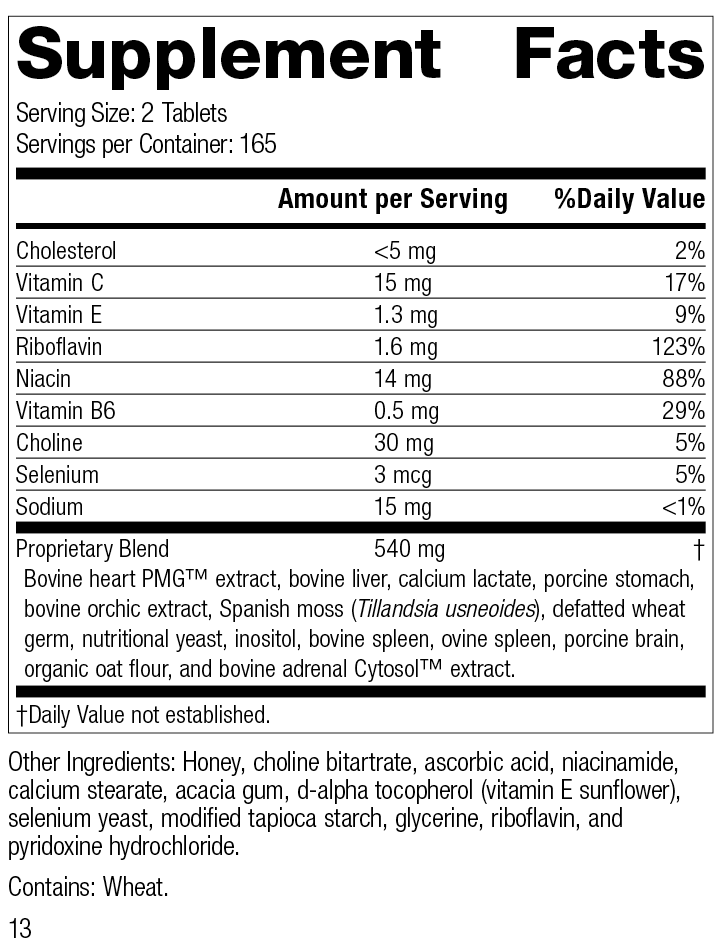
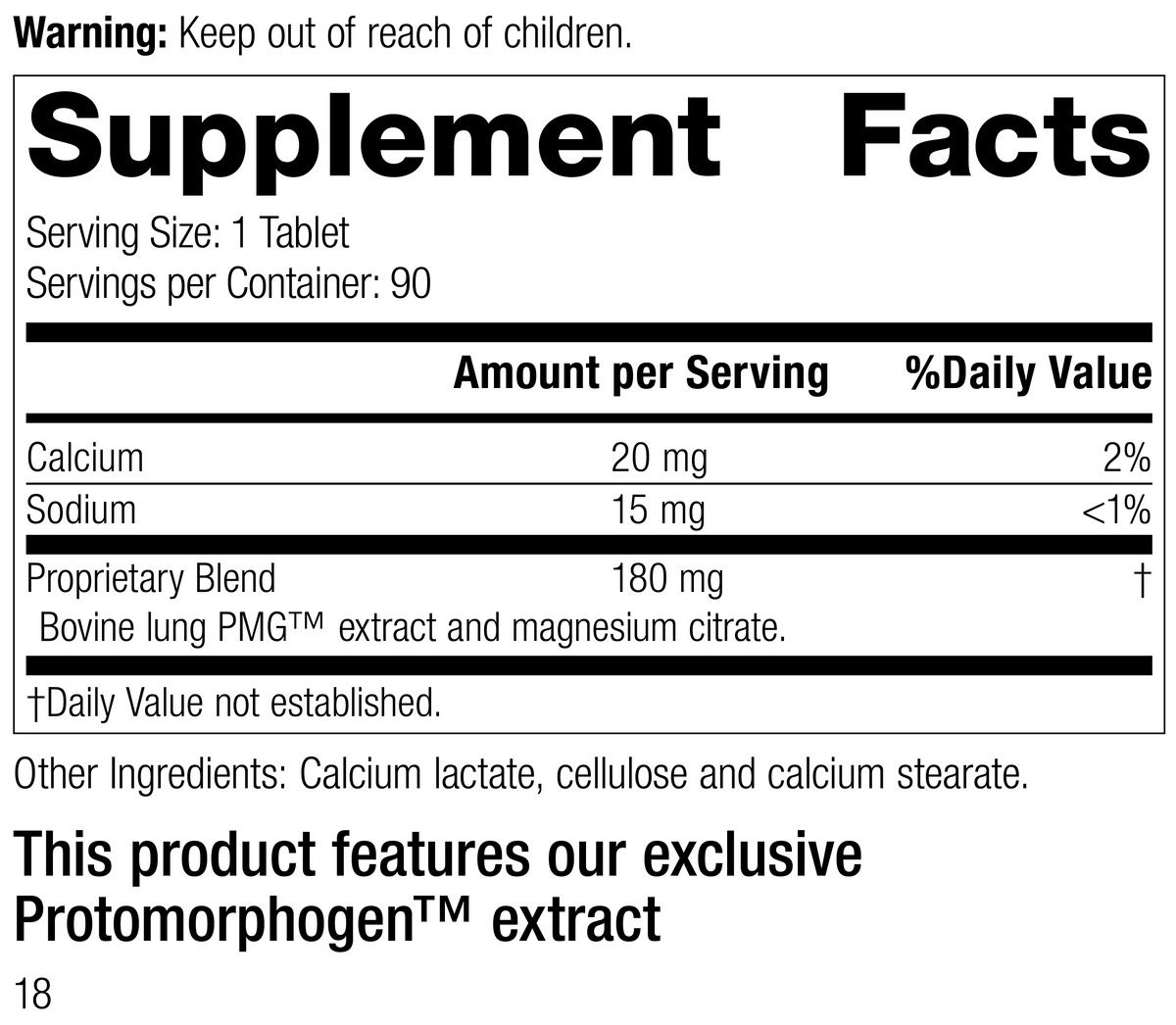
That last point matters. “Whole food” is not a tightly standardized promise that every nutrient in a product comes directly from a whole fruit or vegetable. Different brands use the term differently. Some formulas feature concentrated food ingredients alongside isolated nutrients, while others focus more heavily on food-derived blends. Reading the Supplement Facts panel and full ingredient list is the best way to understand what you are purchasing.
The goal is not to label one approach as universally superior. A nutrient’s form, dose, your diet, medication use, digestive health, and specific needs all influence whether a formula is a good fit.
Whole Food Vitamin Benefits: More Than a Nutrient List
A conventional vitamin may focus on delivering defined amounts of individual nutrients. Whole food-based formulas often aim to provide those nutrients in the context of naturally occurring food compounds, including phytonutrients and cofactors. This broader composition is one reason many people prefer them for everyday foundational support.
Food-based formulas can feel more aligned with daily wellness
Many health-conscious adults prefer supplements that begin with recognizable food ingredients rather than a long list of highly processed-sounding components. A quality whole food formula can support a food-first mindset: nourish your plate well, then use targeted supplementation to help cover nutritional gaps.
This approach may be especially practical for people whose schedules make perfectly balanced meals unrealistic every day. It is not permission to overlook nutrition. It is a more realistic way to support consistency when life gets demanding.
They may offer compounds beyond isolated vitamins
Foods contain more than the vitamins displayed on a nutrition label. Plant foods also provide pigments, polyphenols, flavonoids, enzymes, and other naturally occurring compounds that contribute to the food’s overall nutritional profile.
A whole food supplement may retain or include some of these compounds, depending on how it is produced. That does not mean a capsule can recreate the full nutritional value of a plate of produce. The fiber, water content, volume, and variety of a healthy diet remain essential. Still, food-based ingredients can be a valuable addition for those who want a formula with a broader whole-food foundation.
They can support a more personalized routine
The best supplement routine is rarely built around a single “best” vitamin. Someone managing high stress may need a different strategy than someone focused on immune health, digestive comfort, reproductive wellness, or cardiovascular support.
Whole food vitamins can serve as a foundation while other practitioner-recommended formulas address more specific goals. This is where personalized guidance can be more helpful than following a generic online checklist. A formula that is appropriate for your friend, coworker, or favorite wellness influencer may not be appropriate for your needs.
How Whole Food Supplements Compare With Synthetic Vitamins
The word “synthetic” can sound negative, but it is not automatically a sign of poor quality. Many isolated vitamins are well researched, useful, and necessary in certain clinical situations. For example, a practitioner may recommend a specific nutrient at a precise dose when lab work, dietary intake, or a known concern calls for targeted support.
The difference is often one of formulation philosophy. Isolated vitamins typically provide standardized amounts of individual nutrients. Whole food formulas generally emphasize food-derived ingredients and may pair nutrients with botanical or food-based complexes.
Neither category guarantees better results on its own. Quality, dose, ingredient sourcing, manufacturing standards, and appropriate use matter more than a front-label claim. The right choice depends on what you are trying to support and how the product fits into your broader care plan.
Who May Benefit From a Whole Food Vitamin?
Whole food vitamins can be a sensible option for adults who want convenient foundational nutritional support, particularly when their diets are inconsistent or limited in variety. They may also appeal to people who prefer practitioner-grade formulas and value ingredient transparency.
They are often considered by people following restrictive eating patterns, adults with demanding work or family schedules, and those who want to build a wellness routine before a specific concern becomes more disruptive. Women navigating changing nutritional needs throughout adulthood may also appreciate a practitioner’s help selecting formulas suited to their life stage.
Still, more is not always better. Combining multiple multivitamins, fortified foods, powders, and targeted supplements can lead to unnecessarily high intakes of certain nutrients. Fat-soluble vitamins, iron, iodine, and some minerals deserve particular care because needs vary widely.
If you are pregnant, nursing, managing a health condition, taking prescription medication, preparing for surgery, or have been told you have a nutrient deficiency, speak with a qualified healthcare professional before starting a new supplement. Personalized recommendations should account for your complete health picture.
What to Look for When Choosing a Formula
A supplement label should make it easier to make a confident decision, not harder. Start by identifying your primary goal. Are you looking for a daily foundation, added immune support, nutritional support during a stressful season, or help filling a gap identified by your practitioner?
Then consider these practical quality markers:
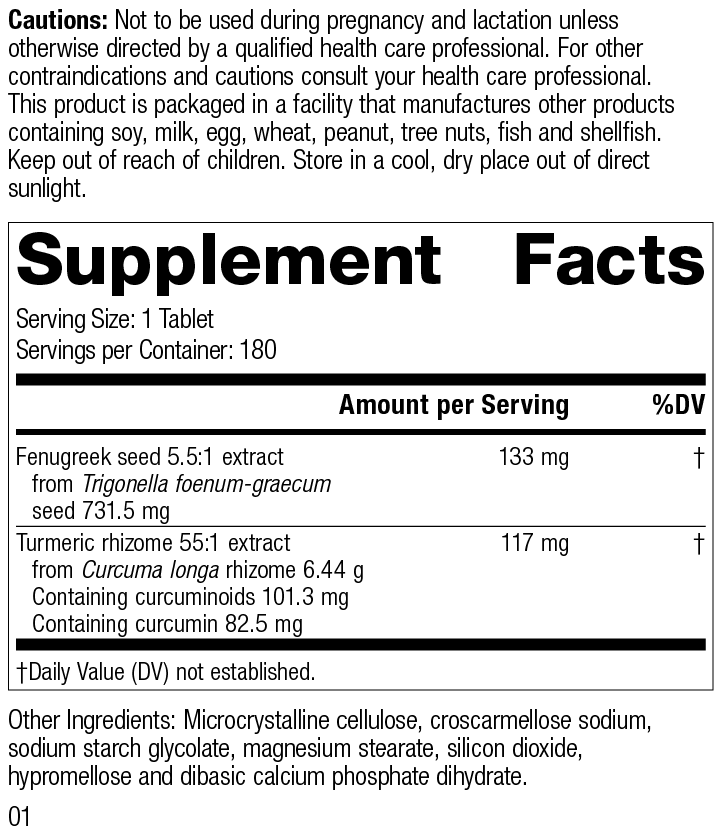
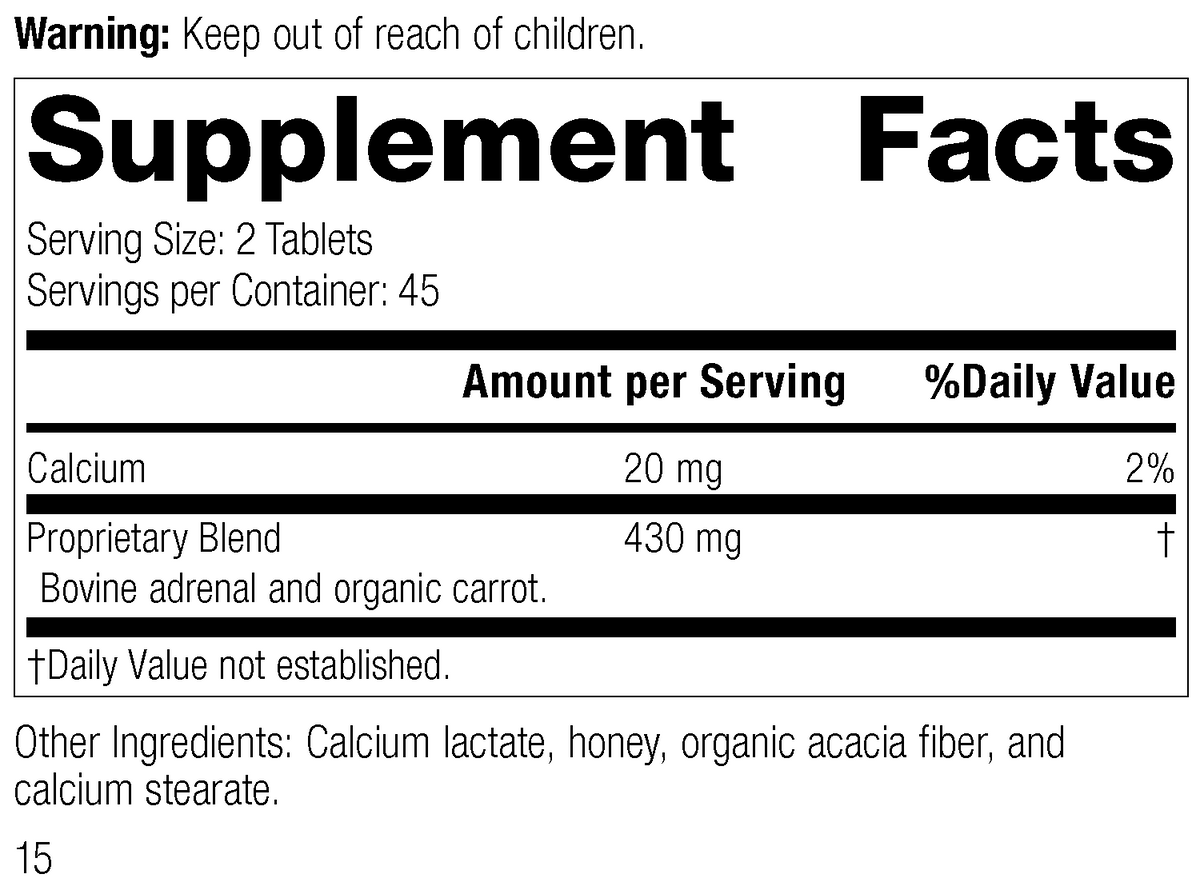
- Clear Supplement Facts that show nutrient amounts and serving size
- Full disclosure of food ingredients, herbs, and other active components
- Appropriate dosing rather than an oversized list of nutrients you may not need
- Manufacturing quality and a brand with established practitioner trust
- Guidance on how and when to take the product, including whether it should be taken with food
Make Supplements Part of a Food-First Plan
The strongest case for whole food vitamin benefits is not that supplements can replace meals. It is that a carefully selected formula can support the nutritional habits you are already working to build.
Start with the basics: colorful produce, adequate protein, fiber-rich carbohydrates, hydration, and regular meals whenever possible. Then use supplements with a clear purpose. Track how you feel, avoid changing several products at once, and give your routine enough time to become consistent.
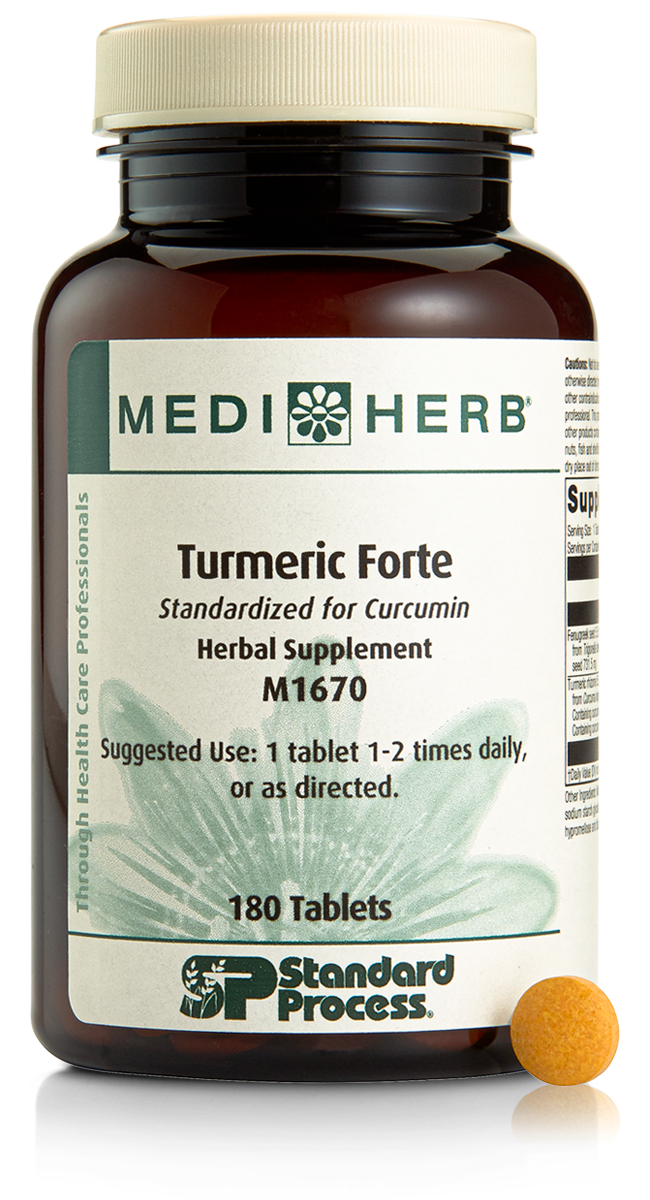
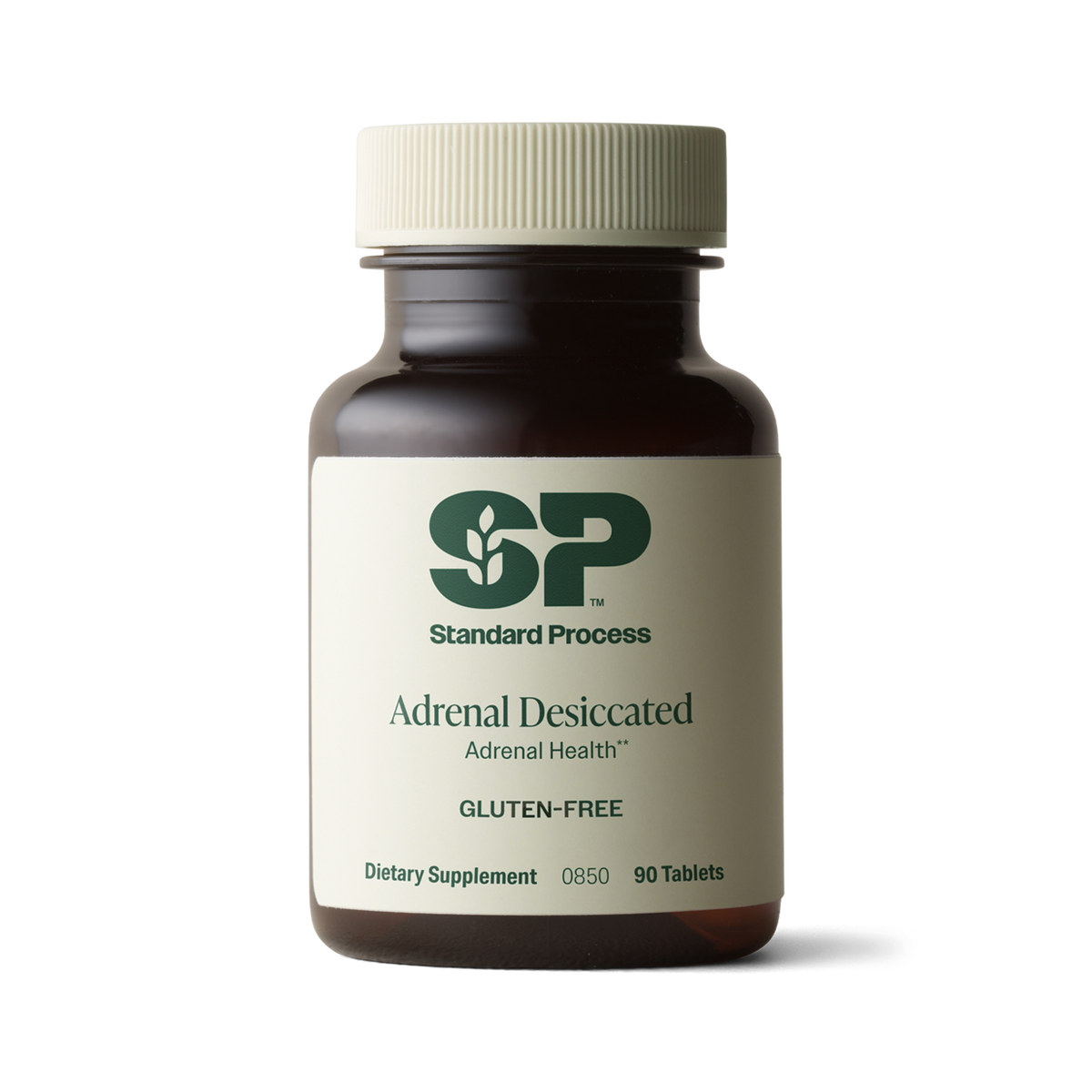
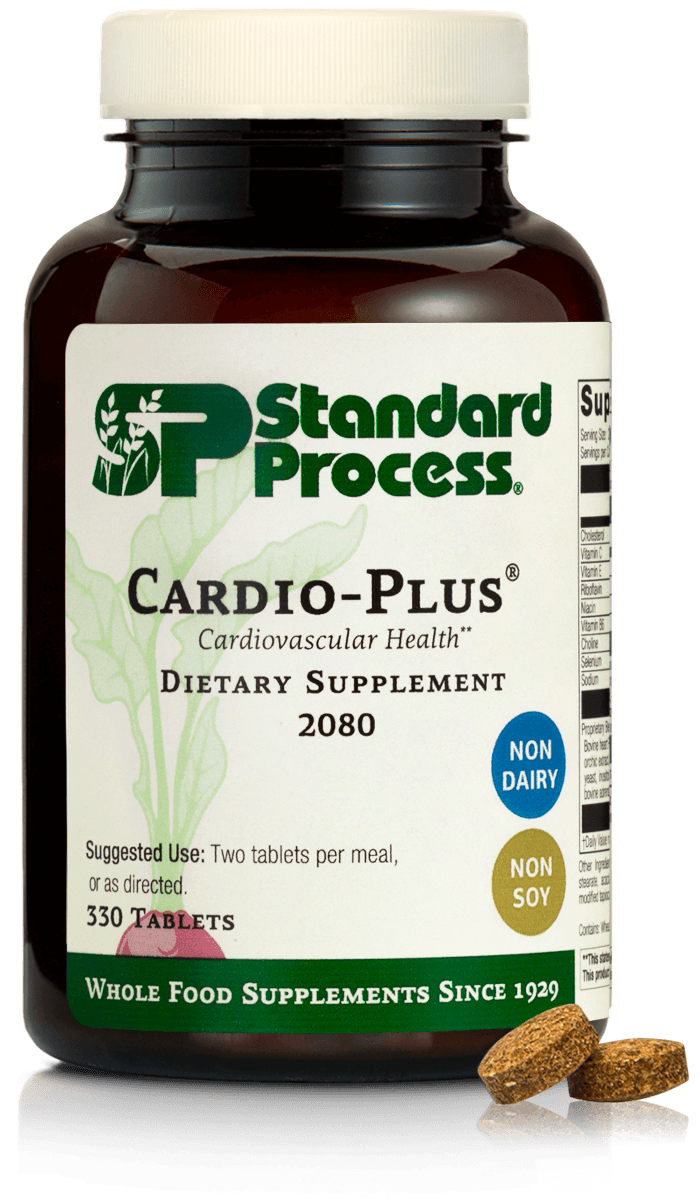
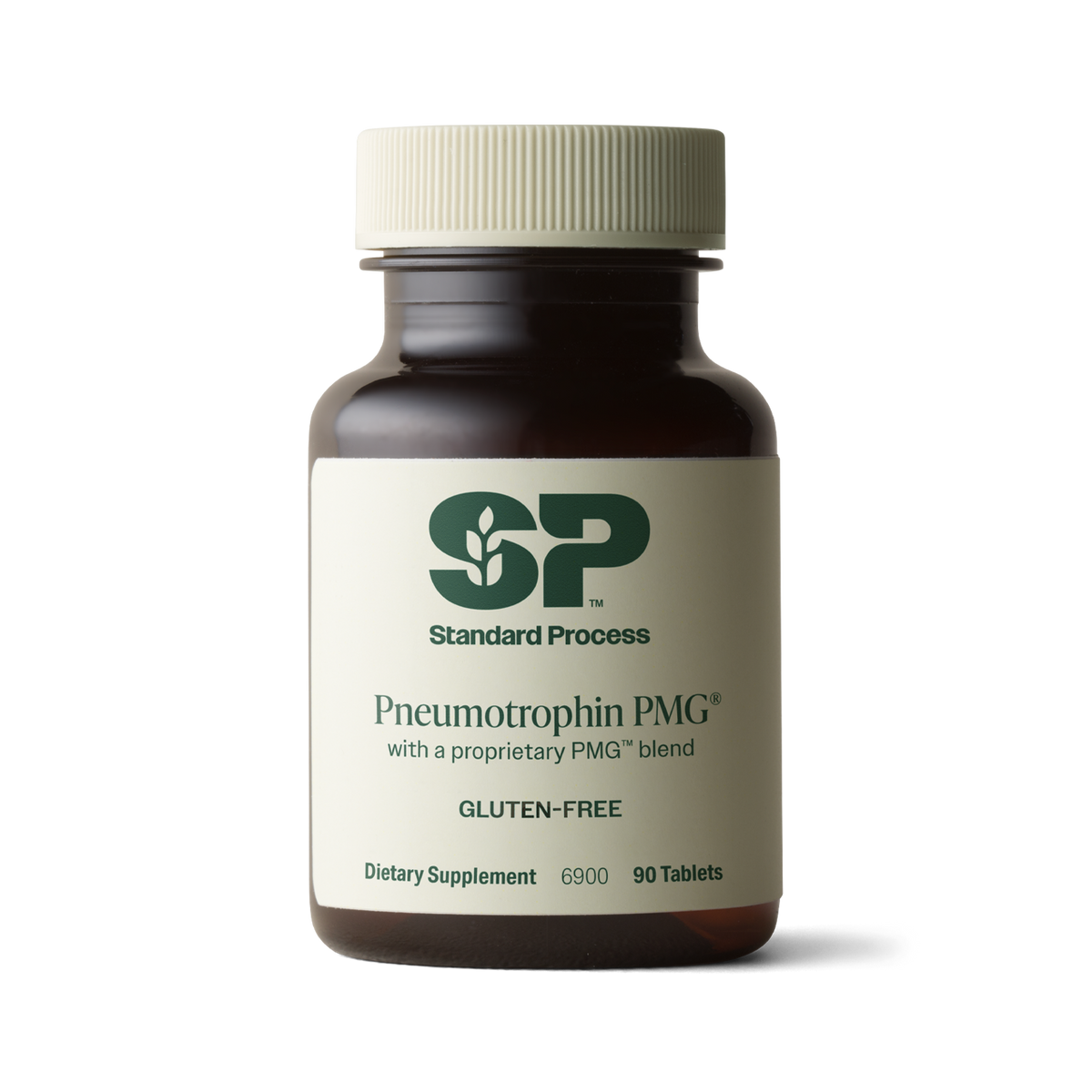
At Fast Track To Health, practitioner-trusted whole food formulas can be paired with personalized support when you need more direction than a shelf full of bottles can provide. A supplement quiz or individualized plan can help narrow the options based on your goals, rather than asking you to guess.
Your body does not need a complicated routine to be supported well. It needs thoughtful choices, reliable products, and a plan that matches the life you are actually living.





Leave a comment
This site is protected by hCaptcha and the hCaptcha Privacy Policy and Terms of Service apply.