

A bloated stomach can make a healthy meal feel like a mistake. You may feel pressure after eating, notice your waistband getting tighter through the day, or deal with uncomfortable gas that seems unrelated to what you ate. The best supplements for digestive bloating are not one-size-fits-all remedies. The right choice depends on whether your symptoms are tied to meal digestion, constipation, microbiome changes, food sensitivities, stress, or another underlying concern.
A practitioner-guided approach can help you avoid buying several products that do not match your needs. Start by noticing patterns: when bloating occurs, which foods trigger it, whether bowel habits have changed, and whether symptoms improve after a bowel movement. Those details can point you toward more meaningful digestive support.
7 Best Supplements for Digestive Bloating
1. Digestive enzymes for bloating after meals
Digestive enzymes can be a smart starting point when bloating tends to show up soon after meals, especially larger meals or meals higher in protein, fat, or fiber. Your body naturally makes enzymes to break down food, but age, stress, digestive conditions, and dietary habits may affect how comfortably you process certain foods.
Look for a comprehensive formula containing enzymes that support the digestion of proteins, fats, and carbohydrates. Protease, lipase, and amylase are common examples. Some people also benefit from targeted enzymes, such as lactase for dairy or alpha-galactosidase for gas-producing carbohydrates found in beans and certain vegetables.
Enzymes are typically taken with food, not on an empty stomach. They may support meal comfort, but they will not correct a food allergy, chronic inflammation, or an underlying gastrointestinal condition. If a specific food causes repeated, significant symptoms, it deserves a closer look rather than simply adding more enzymes.
2. Probiotics for microbiome-related discomfort
Probiotics provide beneficial microorganisms that may support a balanced gut environment. They can be helpful for people whose bloating began after travel, antibiotics, a stomach illness, major dietary changes, or ongoing irregularity. However, probiotics are not universally comfortable at first. Some people notice temporary gas or bloating while their system adjusts.
Strain selection matters. A broad-spectrum probiotic may be appropriate for general digestive support, while a practitioner may recommend specific strains based on bowel patterns and health history. Start with the recommended serving rather than doubling up, and give your body time to respond.
If probiotics consistently worsen bloating, stop and seek guidance. In some cases, excessive bacterial fermentation or an issue such as small intestinal bacterial overgrowth may call for a different strategy.
3. Prebiotic fiber for regularity and gut support
Bloating and constipation often travel together. When stool moves slowly through the digestive tract, gas and abdominal pressure can become more noticeable. Certain forms of soluble fiber may support regularity and feed beneficial gut bacteria, making them useful for some people with sluggish digestion.
The key is a gradual approach. Increasing fiber too quickly is a common reason people feel worse before they feel better. Start low, drink adequate water, and increase only as tolerated. Partially hydrolyzed guar gum and psyllium are often gentler options than loading up on highly fermentable fibers all at once.
Fiber is not the best first choice for everyone. If you experience severe pain, diarrhea, unexplained weight loss, or marked distention, do not self-treat with increasing amounts of fiber before discussing symptoms with a healthcare professional.
4. Peppermint oil for occasional cramping and gas
Enteric-coated peppermint oil is often used for occasional digestive discomfort involving cramping, gas, and abdominal sensitivity. The enteric coating helps the capsule pass through the stomach before releasing, which may reduce the chance of peppermint-related heartburn.
This option may be particularly appealing when bloating comes with a tight, spasmodic feeling rather than constipation alone. It is not ideal for everyone, though. People with frequent reflux, hiatal hernia symptoms, or sensitivity to mint may find that peppermint aggravates upper digestive discomfort.
Choose a quality, clearly labeled formula and follow the product directions. Do not assume that more peppermint means better relief.
5. Ginger for slow, heavy digestion
Ginger has a long history of use for digestive comfort and may support normal gastric motility, especially when you feel overly full or heavy after eating. It is often a practical option for occasional bloating connected to rich meals, travel, or mild nausea.
Ginger works best as part of a broader routine. Eating slowly, sitting down for meals, and limiting oversized portions can make a significant difference for the same symptoms. Those taking blood-thinning medications or managing gallbladder concerns should check with a qualified healthcare professional before using concentrated ginger supplements.
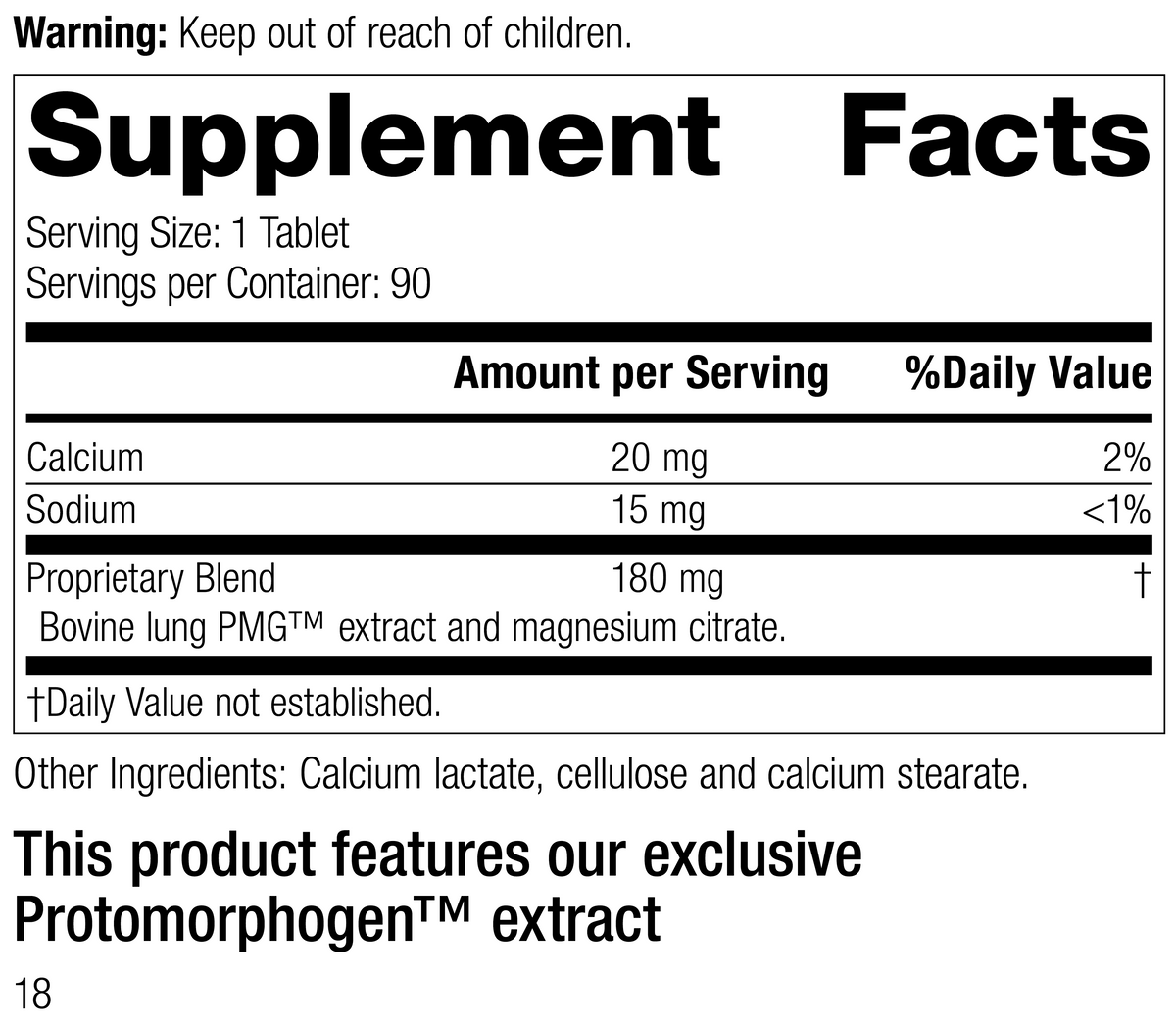
6. Magnesium for constipation-associated bloating
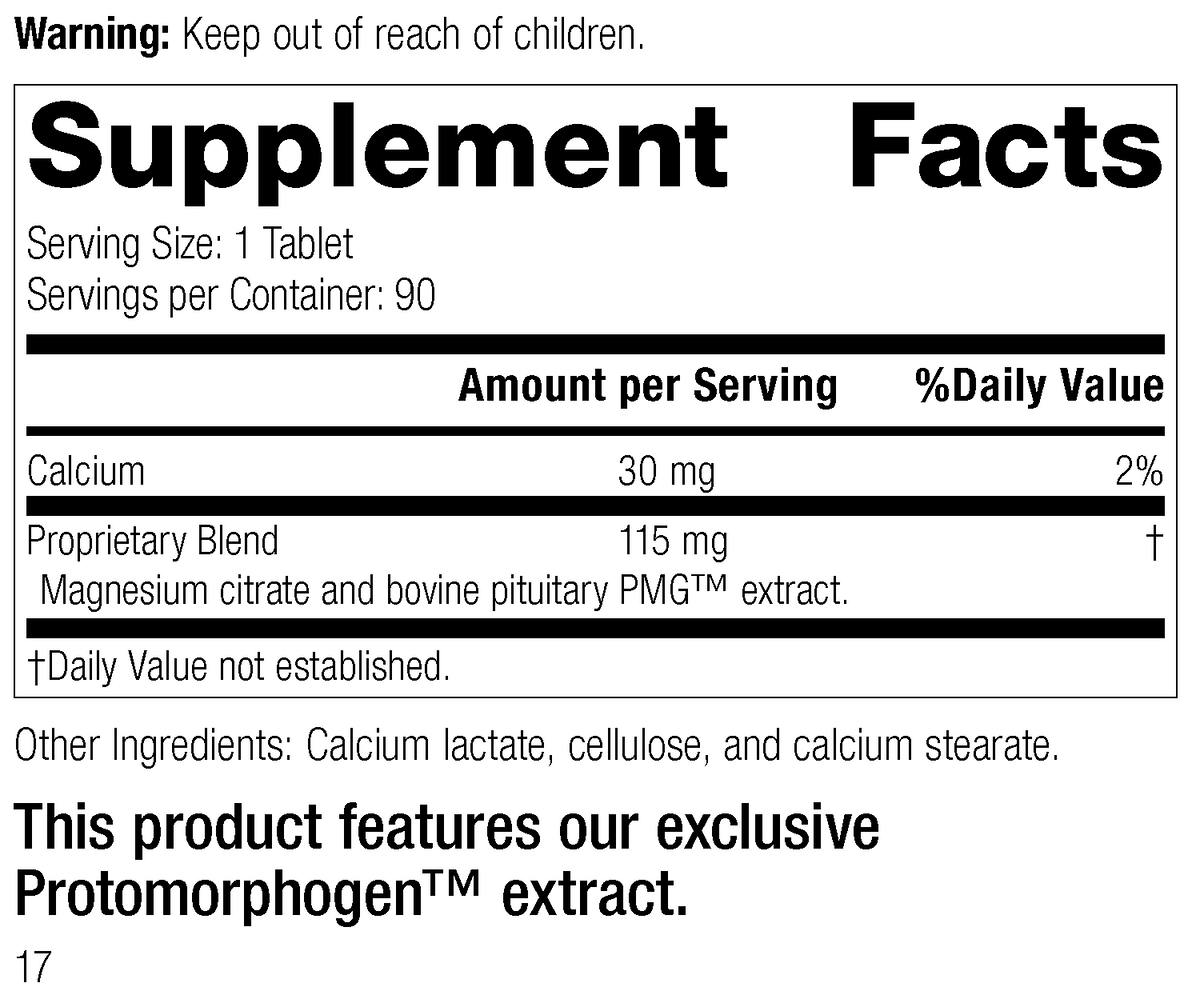
When bloating is clearly connected to infrequent, hard, or difficult bowel movements, magnesium may be worth considering. Certain forms draw water into the intestines and can support more comfortable, regular elimination. Magnesium citrate is commonly used for this purpose, while other forms may be chosen for different wellness goals.
The trade-off is that too much can cause loose stools, urgency, or cramping. Begin conservatively and adjust only as needed. Kidney disease, medication use, and persistent constipation are all reasons to speak with a clinician before adding magnesium.
Constipation lasting more than a few weeks should not be ignored. Regularity is a valuable signal of digestive health, not simply an inconvenience to cover up.
7. Herbal digestive support for occasional discomfort
Herbal formulas can be useful when digestive bloating is part of a broader pattern of occasional gas, fullness, and post-meal discomfort. Depending on the formula, these products may include botanicals such as fennel, ginger, chamomile, artichoke, or bitters traditionally used to support digestion.
Combination formulas can be convenient, but they are not automatically better. Read the label and consider your symptoms. A person with reflux may need a different formula than someone who feels heavy after high-fat meals, while someone with constipation may need regularity support before adding a stimulating digestive blend.
Practitioner-trusted whole-food and herbal formulas can offer a more thoughtful option than choosing products based on a trendy ingredient alone. At Fast Track To Health, individualized supplement guidance can help match digestive support to your health history, goals, and current routine.
How to Choose Supplements for Digestive Bloating
The best place to start is with your most consistent symptom pattern. Bloating immediately after meals may point toward meal-time enzyme support or eating habits. Bloating with constipation may call for hydration, gradual fiber support, or magnesium. Symptoms following antibiotics or illness may suggest that microbiome support deserves consideration.
Introduce one new supplement at a time. This gives you a clearer picture of what is helping and what is not. Keep a simple note of your meals, symptoms, bowel habits, stress level, and supplement timing for two to four weeks. That record is often more useful than guessing based on a single uncomfortable day.
Quality matters, especially when choosing practitioner-grade formulas. Look for transparent labels, appropriate dosing, and products from trusted manufacturers. A supplement should complement the foundations of digestive wellness: regular meals, sufficient fluid intake, adequate sleep, movement, and time to eat without rushing.
When Bloating Needs Medical Attention
Occasional bloating is common, but persistent or worsening symptoms should be evaluated. Contact a healthcare professional promptly if bloating occurs with severe or ongoing abdominal pain, vomiting, blood in the stool, fever, unexplained weight loss, anemia, trouble swallowing, or a major change in bowel habits.
It is also wise to seek care if symptoms are new after age 50, disrupt daily life, or do not improve with reasonable dietary and lifestyle changes. Conditions such as celiac disease, inflammatory bowel disease, thyroid disorders, food intolerances, pelvic conditions, and gastrointestinal infections can all contribute to bloating. Supplements can support the body, but they should not delay appropriate evaluation.
The goal is not to silence every digestive signal. It is to understand what your body is asking for, then choose focused support that helps you eat, move, and feel comfortable with greater confidence.





Leave a comment
This site is protected by hCaptcha and the hCaptcha Privacy Policy and Terms of Service apply.