

You can spot the difference between a shelf full of supplements and a practitioner-guided protocol the moment you try to choose one for a real health concern. If you are wondering how to choose practitioner supplements, the goal is not to find the trendiest label or the longest ingredient list. It is to find a formula that fits your needs, comes from a trusted source, and gives you confidence that what is on the label matches the standard behind it.
That matters because practitioner supplements are usually designed with a different purpose than mass-market vitamins. They are often more targeted, more condition-specific, and built to support a broader wellness plan rather than serve as a one-size-fits-all product. For someone dealing with stress, digestion, hormone balance, immune support, or cardiovascular health, that difference can be meaningful.
What makes practitioner supplements different
Practitioner supplements are typically developed for use in clinical settings or under the guidance of a health professional. That does not mean they are only for people with complicated health concerns. It means the brand usually puts more emphasis on formulation quality, sourcing, testing, and therapeutic intent.
In practical terms, these products may use specific nutrient forms, standardized herbal extracts, or whole food-based ingredients chosen for a reason. Instead of making broad promises, they are often built around a category of support such as liver function, adrenal balance, digestive comfort, or foundational nutrition. That kind of structure can make shopping easier, but only if you know what to look for.
The trade-off is that practitioner lines can feel less familiar than mainstream brands. Labels may be more technical. Product names may not be as marketing-friendly. Prices may also be higher. For many people, that higher standard is worth it, but it should still be matched to your actual goals.
How to choose practitioner supplements for your needs
The first question is not which brand is best. The first question is what you are trying to support.
If your energy is low, for example, there are several possible directions. You may need foundational nutrient support. You may need stress and adrenal support. You may need digestive support if absorption is part of the issue. You may need a more personalized look at hormone, thyroid, or blood sugar patterns. The same goes for skin issues, PMS, poor sleep, or immune resilience. One symptom can point to more than one root cause.
That is why the best practitioner supplement is not always the most popular one. It is the one that fits the reason you are taking it. Start by narrowing your goal into a clear category such as stress, digestion, detox support, immune support, women’s health, or cardiovascular wellness. Once you do that, it becomes much easier to compare formulas in a useful way.
Look past the front label
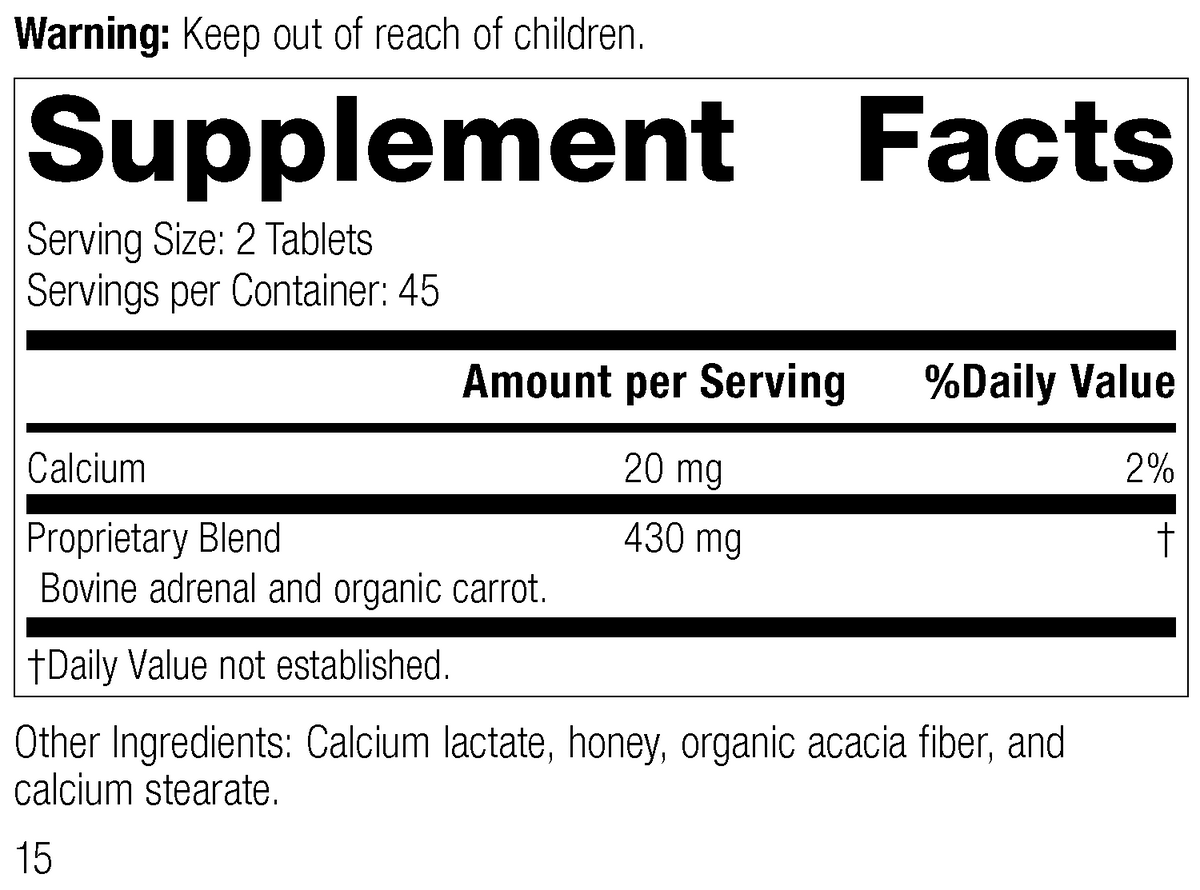
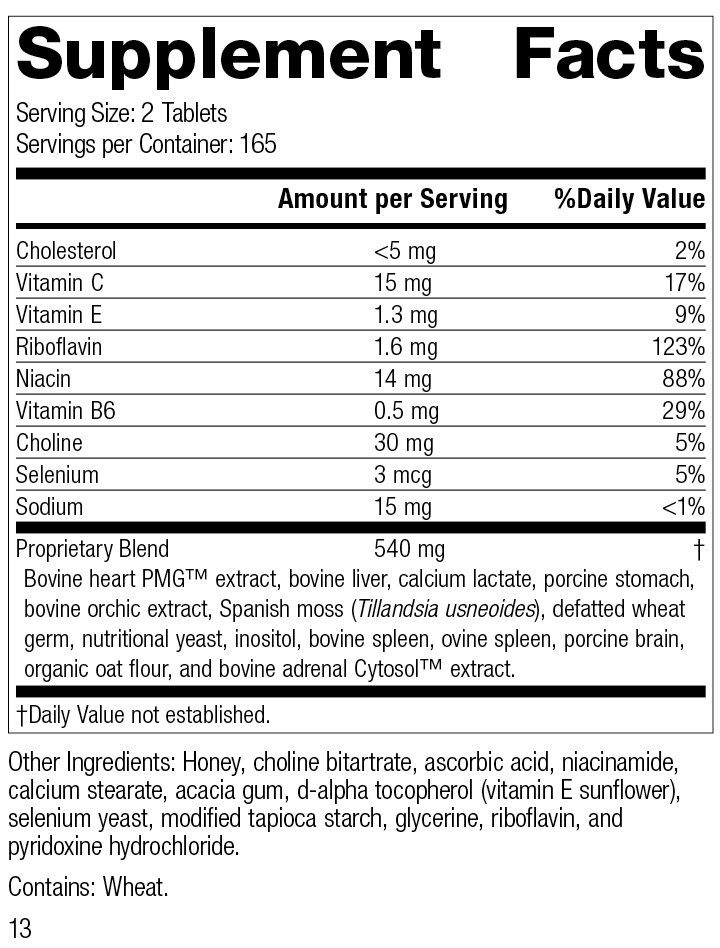
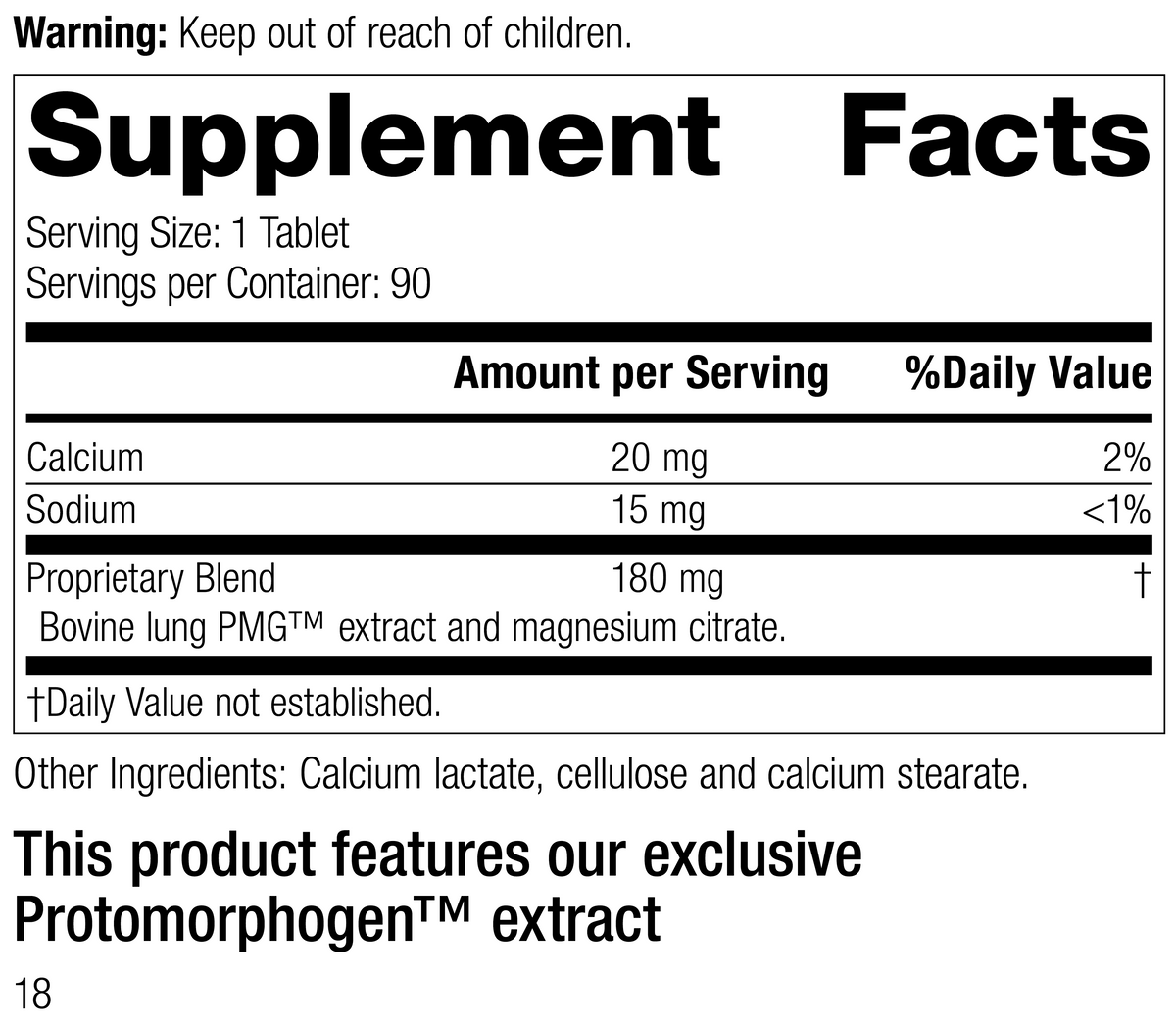
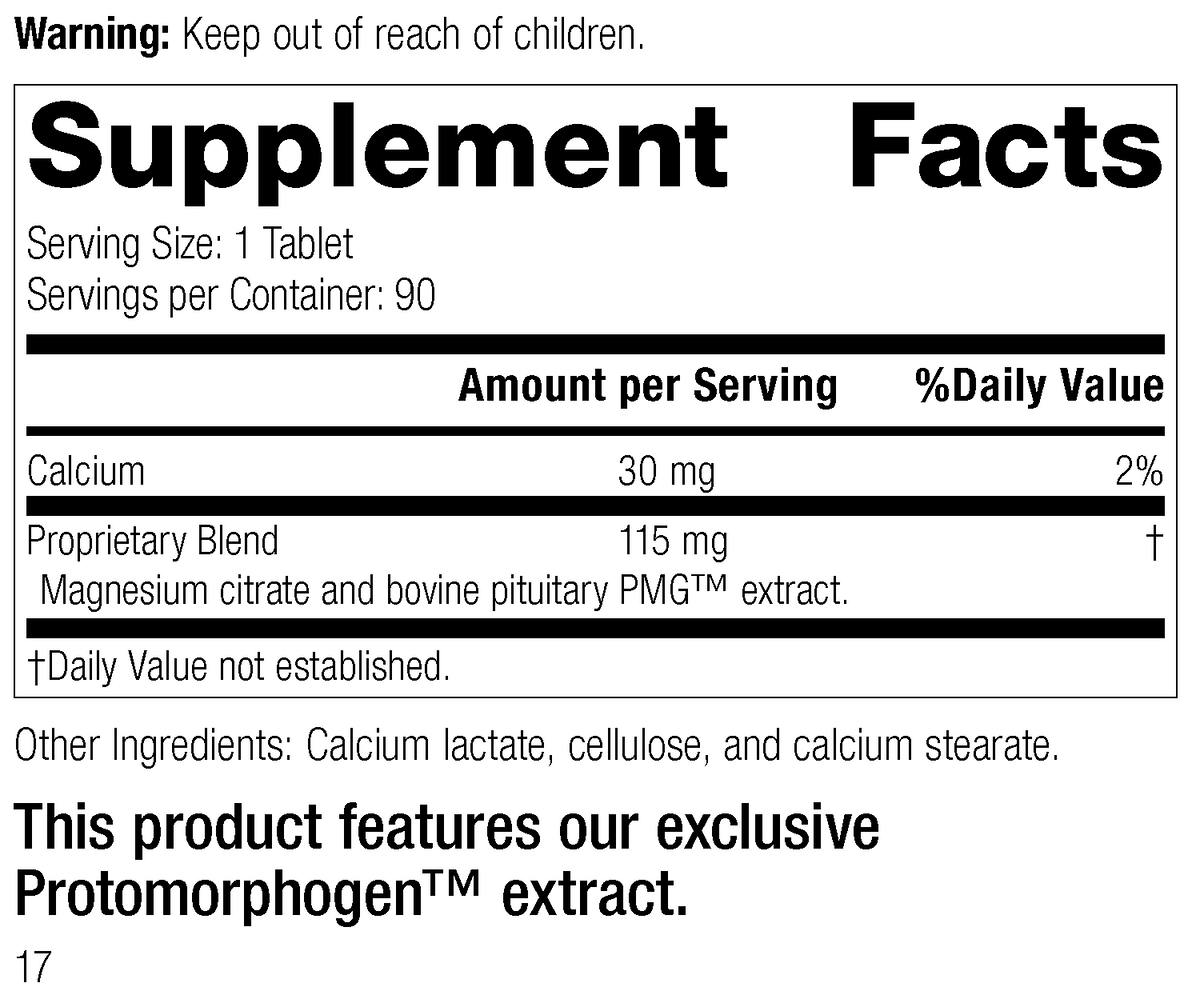
Front labels are designed to catch your attention. The real value is in the supplement facts panel and the ingredient list.
Start with the active ingredients. Are they relevant to the outcome you want? A stress formula, for example, should not just sound calming. It should contain ingredients known for nervous system or adrenal support. A digestive formula should be clear about whether it is offering enzymes, probiotic support, bile support, or soothing nutrients for the gut lining.
Next, look at the form of the nutrients. This is where practitioner-quality brands often stand apart. The form of a vitamin, mineral, or herb can affect how well it is tolerated and used by the body. You do not need to become an expert in biochemistry, but you should expect the formula to be intentional.
Then check how crowded the formula is. More ingredients do not automatically mean better results. Sometimes a focused product with a few well-chosen ingredients is more helpful than a complex blend that tries to do everything at once. If you are sensitive, a simpler formula is often easier to evaluate.
Brand standards matter more than marketing
When deciding how to choose practitioner supplements, brand integrity should carry real weight. This is where authorized partnerships, practitioner trust, and manufacturing standards matter.
A strong practitioner brand usually has a long-term reputation among healthcare professionals, not just a strong social media presence. It should be clear about how products are made, how ingredients are sourced, and what quality controls are in place. If a retailer is an authorized partner, that adds another layer of confidence because product handling and authenticity matter too.
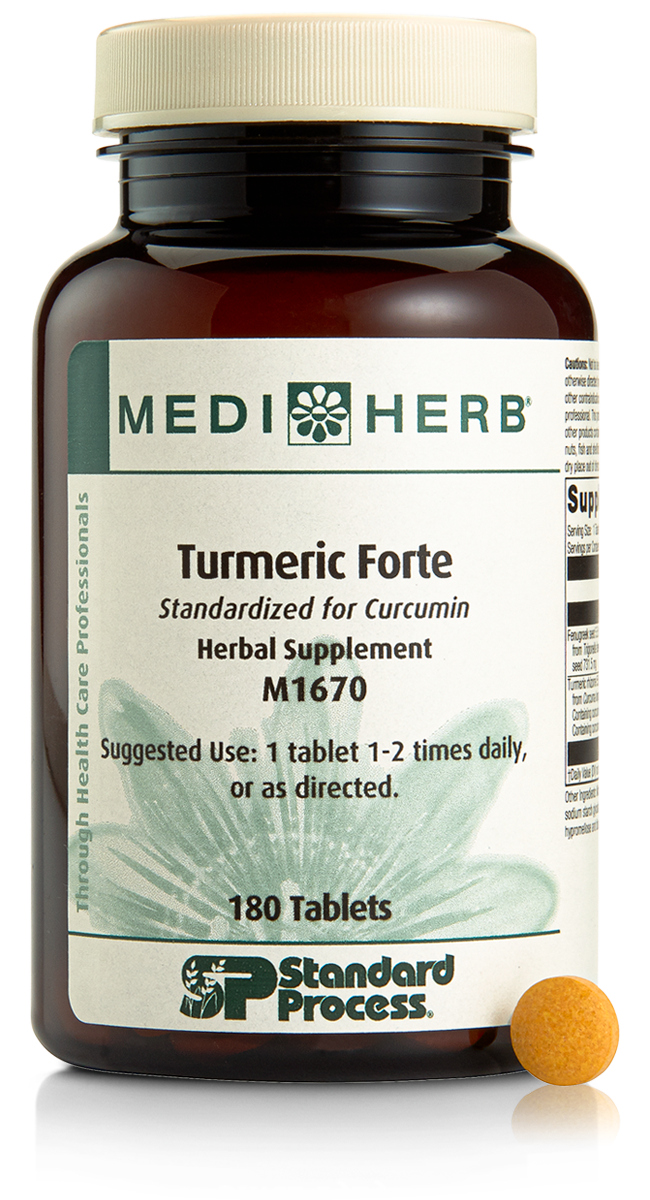
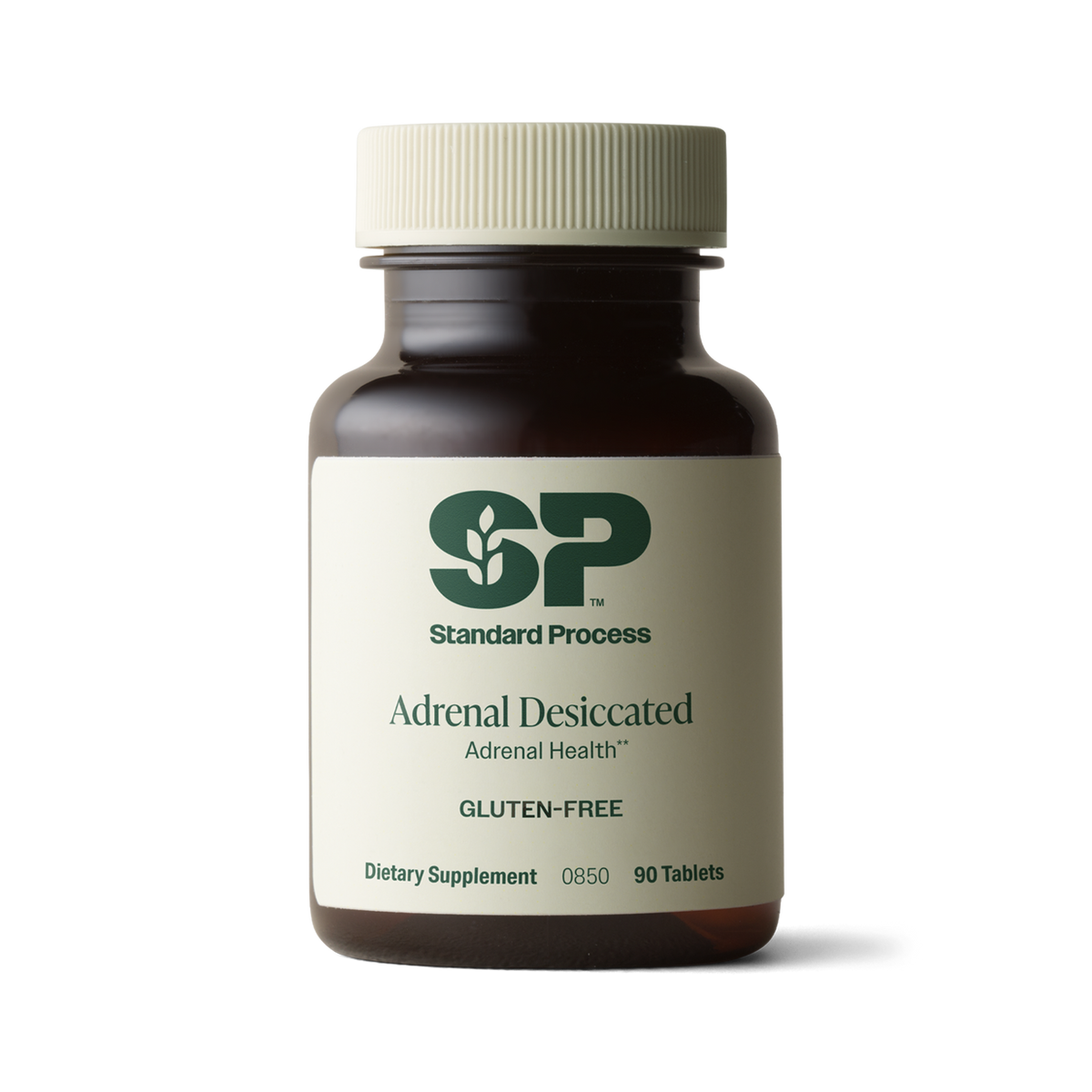
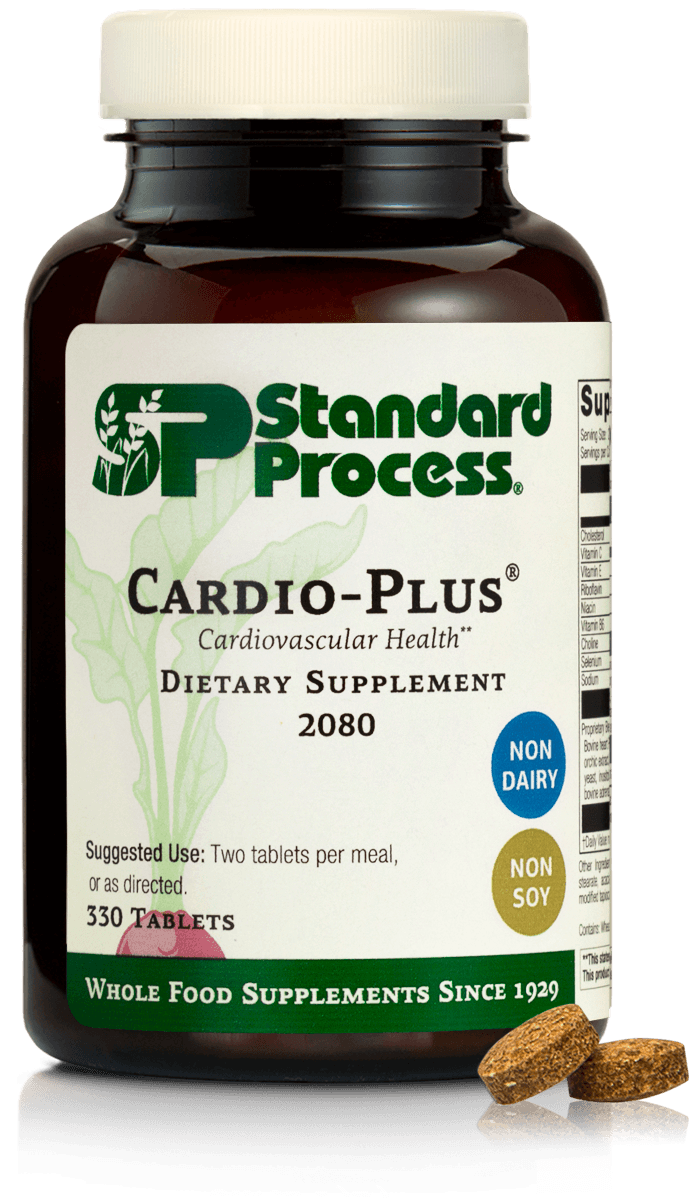
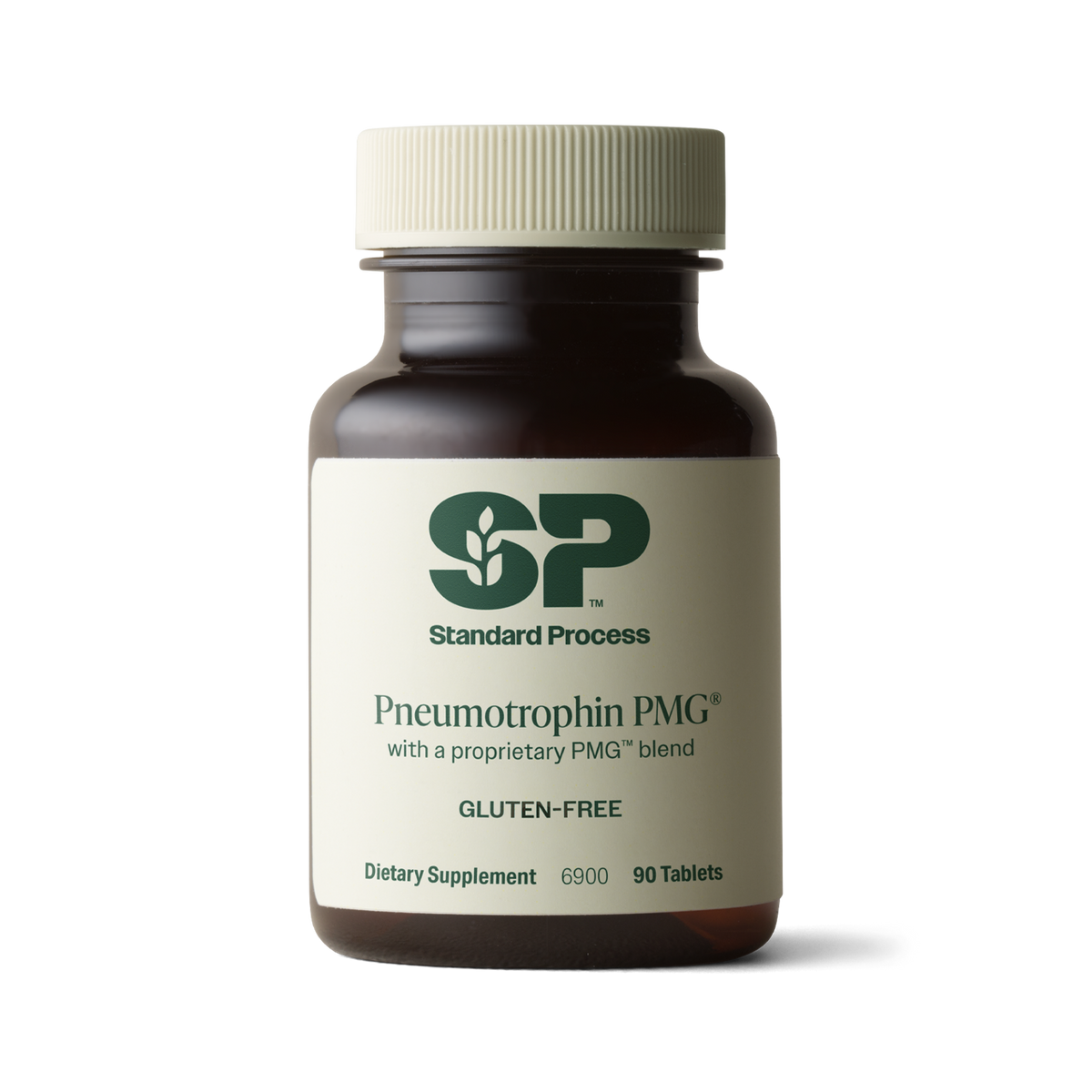
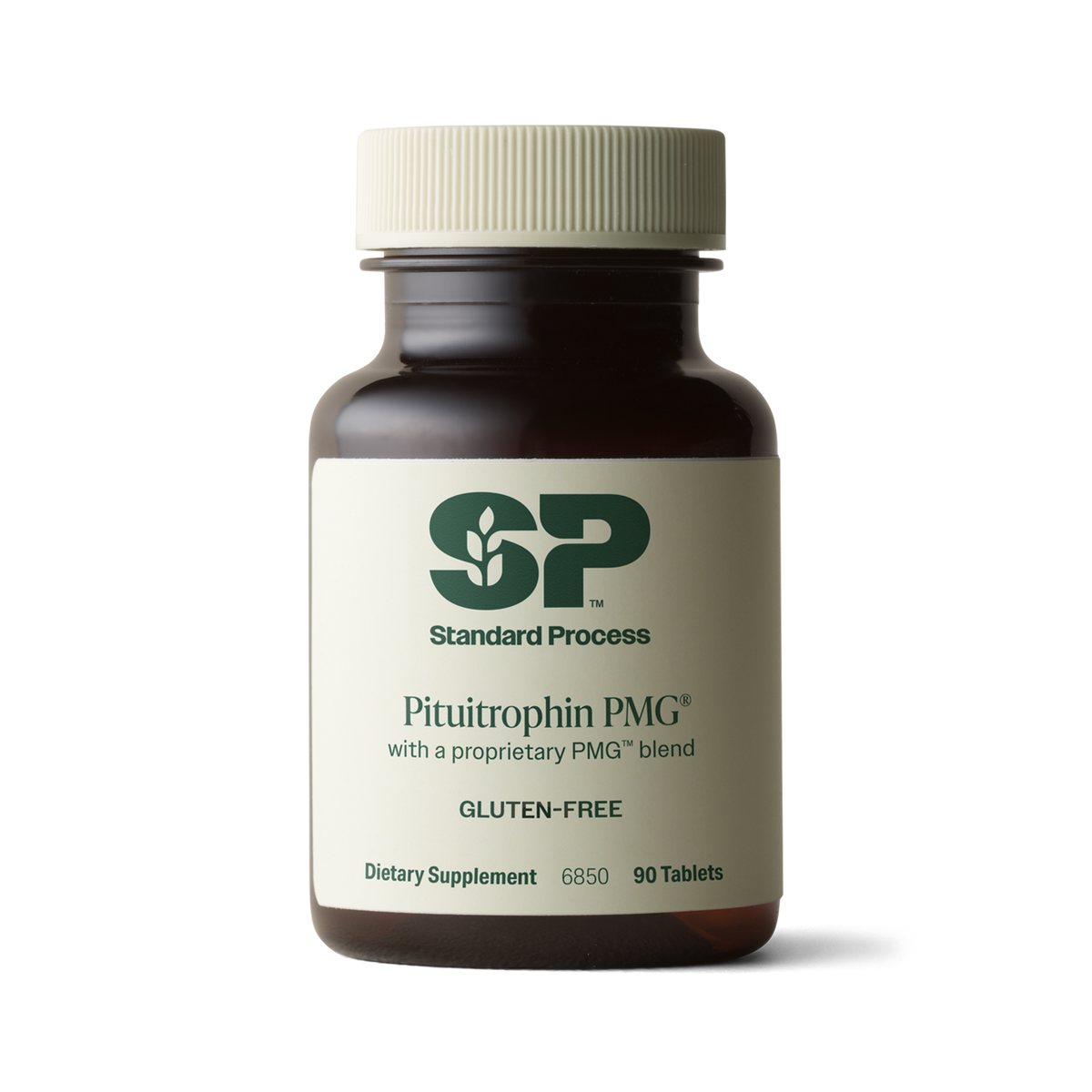
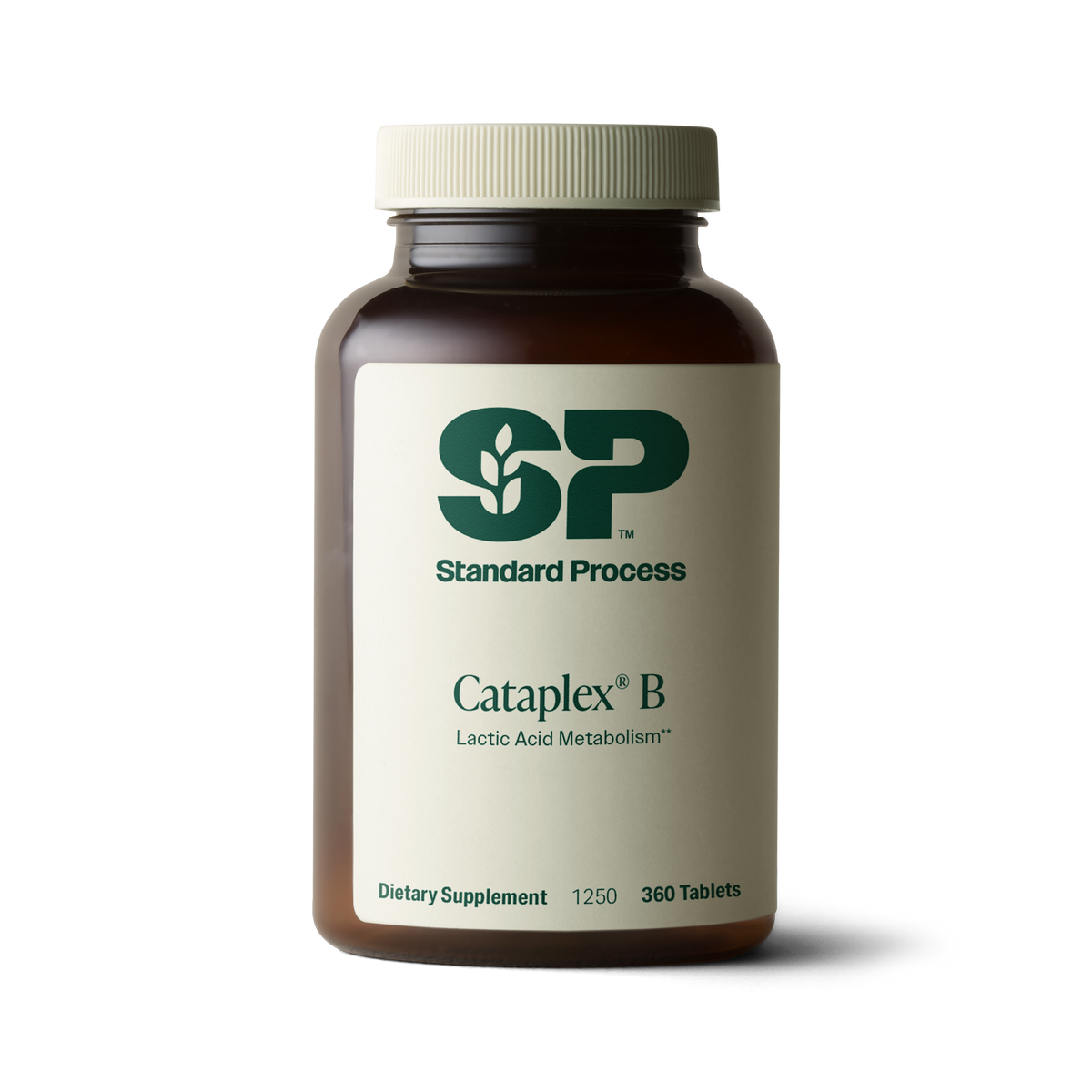
This is also where established lines like Standard Process and MediHerb often stand out for shoppers who want practitioner-trusted options. People are not only buying a bottle. They are buying into a history of formulation standards and clinical use. That does not mean every product is right for every person, but it does reduce some of the guesswork.
Pay attention to dosage, not just ingredients
A label can include all the right ingredients and still fall short if the dosing is too low or the serving size is unrealistic.
This is one of the most overlooked parts of supplement shopping. A formula may look impressive at first glance, but when you check the actual amounts, it may be more of a marketing blend than meaningful support. On the other hand, a product with a more modest ingredient list may be better designed because the dosage reflects how the formula is actually intended to be used.
That said, more is not always better either. Some people do well with gentle daily support. Others need a more concentrated approach for a shorter period. Your age, medications, sensitivities, and health history all affect what makes sense. The right dose is the one that matches both the product purpose and the person taking it.
Consider the whole protocol, not just one bottle
Many wellness goals require more than one category of support. Someone working on hormone balance may also need liver support, stress support, and foundational nutrients. Someone trying to improve digestion may need to address enzymes, microbiome balance, and food tolerance at the same time.
This is one reason practitioner-guided supplement plans are so helpful. They can organize your choices in a way that feels clear rather than overwhelming. Instead of buying five random products that all claim to help with the same issue, you can choose a coordinated protocol with a more logical role for each item.
It also helps prevent stacking products that overlap too much. Duplicate nutrients or herbs are common when people self-select from multiple brands. A thoughtful plan can save money, reduce confusion, and improve consistency.
When personalized guidance is the better choice
Some supplement decisions are easy. If you want a solid foundational product and you tolerate supplements well, choosing a reputable practitioner formula may be straightforward.
Other cases deserve more support. If you are dealing with chronic fatigue, significant hormone symptoms, digestive distress, medication use, autoimmunity, or multiple overlapping concerns, it is worth getting guidance. The same is true if you have tried several supplements with mixed results and are no longer sure what is helping.
Personalized support does not have to feel complicated. Sometimes a simple quiz, a curated plan, or a functional medicine consultation is enough to point you in the right direction. Fast Track To Health reflects that middle ground well by combining practitioner-trusted products with guidance tools that make the process more practical for real people.
Red flags to watch for when choosing practitioner supplements
A few warning signs are worth keeping in mind. Be cautious with products that rely heavily on vague claims but give little detail about ingredient forms or amounts. Be wary of formulas that promise to fix every symptom at once. And be careful with recommendations that ignore your health history, current supplements, or medications.
You should also pause if a product feels impossible to evaluate. Practitioner-grade should not mean mysterious. It should mean well formulated, well supported, and grounded in a clear purpose.
Price alone is not a reliable shortcut either. The cheapest option may cut corners, but the most expensive option is not automatically the best. Value comes from quality, fit, and whether the product actually belongs in your routine.
A smart way to shop with confidence
The best approach is to think like a practitioner even if you are shopping for yourself. Start with the goal. Check the formula. Look at the brand standards. Review dosage and product purpose. Then ask whether you need a single supplement, a broader protocol, or personalized direction.
That is how to choose practitioner supplements without getting pulled in by hype or overwhelmed by options. A good supplement should feel like a smart next step in your health plan, not a gamble. When the formula, brand, and guidance all line up, you can shop with a lot more confidence and a lot less second-guessing.
Your health does not need a random collection of bottles. It needs the right support, chosen with care.





Leave a comment
This site is protected by hCaptcha and the hCaptcha Privacy Policy and Terms of Service apply.