

Bloating after meals, inconsistent digestion, and that heavy, uncomfortable feeling can make even a healthy routine feel off track. When people search for the best supplements for gut health, they usually are not looking for hype. They want options that actually make sense for their symptoms, their routine, and their long-term wellness goals.
The truth is, gut support is not one-size-fits-all. A supplement that helps one person with occasional constipation may do very little for someone dealing with gas after meals, post-antibiotic imbalance, or stress-related digestive changes. The best approach is to understand what each category does, where it fits, and when practitioner guidance may be the smarter next step.
What makes the best supplements for gut health worth taking?
A good gut health supplement should do more than sound impressive on the label. It should match a real need in the digestive process, whether that means supporting the microbiome, helping break down food, soothing the gut lining, or encouraging regular elimination.
Quality matters here. Practitioner-trusted formulas tend to stand out because they are designed with purpose, not just trend appeal. That matters if you are trying to build a supplement routine that supports digestion consistently rather than chasing temporary relief.
It also helps to think in layers. Gut health is influenced by stomach acid, digestive enzymes, bile flow, microbial balance, motility, stress, diet, and even sleep. That is why many people do better with a targeted plan instead of randomly combining products.
Probiotics
Probiotics are usually the first thing people think of for digestive support, and for good reason. These beneficial microorganisms can help support microbial balance in the gut, especially after antibiotics, during periods of stress, or when digestion feels irregular.
That said, probiotics are not all interchangeable. Different strains have different strengths. Some are better known for supporting bowel regularity, while others are used more often for occasional bloating or immune support. A broad-spectrum formula may be helpful for general wellness, but a more targeted probiotic can make more sense if you have a specific concern.
There is also an adjustment period for some people. If a probiotic makes you feel noticeably more gassy or uncomfortable for more than a short period, that is a sign the formula may not be the right fit.
Prebiotics
Prebiotics are the fibers and compounds that feed beneficial gut bacteria. If probiotics add helpful organisms, prebiotics help nourish the ones already there. This can be a smart pairing, especially for people focused on long-term microbiome support.
The trade-off is tolerance. Prebiotics can be very helpful, but they are not always ideal when bloating is already a major issue. Some people do better starting slowly or waiting until their digestion is calmer before adding them in.
For the right person, prebiotics can support bowel regularity, microbial diversity, and a healthier gut environment over time. They tend to work best as part of a steady routine rather than a quick fix.
Digestive enzymes
If your symptoms tend to show up during or right after meals, digestive enzymes are worth a close look. These supplements help break down proteins, fats, and carbohydrates so the digestive process is more efficient.
People who feel overly full after eating, notice discomfort with heavier meals, or struggle more with certain foods may benefit from enzyme support. Enzymes can be especially useful when the issue is less about the microbiome and more about how well food is being broken down in the first place.
This is where personalization matters. A full-spectrum enzyme formula is useful for general digestive support, but some people need more targeted help with fats, dairy, or plant fibers. If meals consistently leave you uncomfortable, enzymes are one of the more practical categories to consider.
L-glutamine and gut lining support
When the goal is to support the integrity of the gut lining, L-glutamine often comes up. This amino acid is commonly used in functional wellness settings as part of a broader gut repair approach.
It is not a magic solution on its own, but it can be a valuable piece of the puzzle for people dealing with digestive irritation, food sensitivity concerns, or stress-related gut issues. Gut lining support formulas may also include soothing nutrients and botanicals designed to calm and nourish the digestive tract.
This category tends to be more relevant when gut discomfort feels chronic or when digestive symptoms seem tied to a bigger pattern. In those cases, a practitioner-guided plan can be especially valuable.
Fiber supplements
Fiber is one of the most overlooked tools for digestive health because it seems simple. But simple does not mean ineffective. The right fiber supplement can support regular bowel movements, stool consistency, and microbiome health.
Still, fiber needs to match the person. Someone dealing with sluggish digestion may do well with a gentle bulking fiber, while someone prone to bloating may need a more gradual approach. Taking too much too quickly can backfire and leave you feeling worse instead of better.
Hydration matters too. Fiber without enough water is rarely a good formula for digestive comfort.
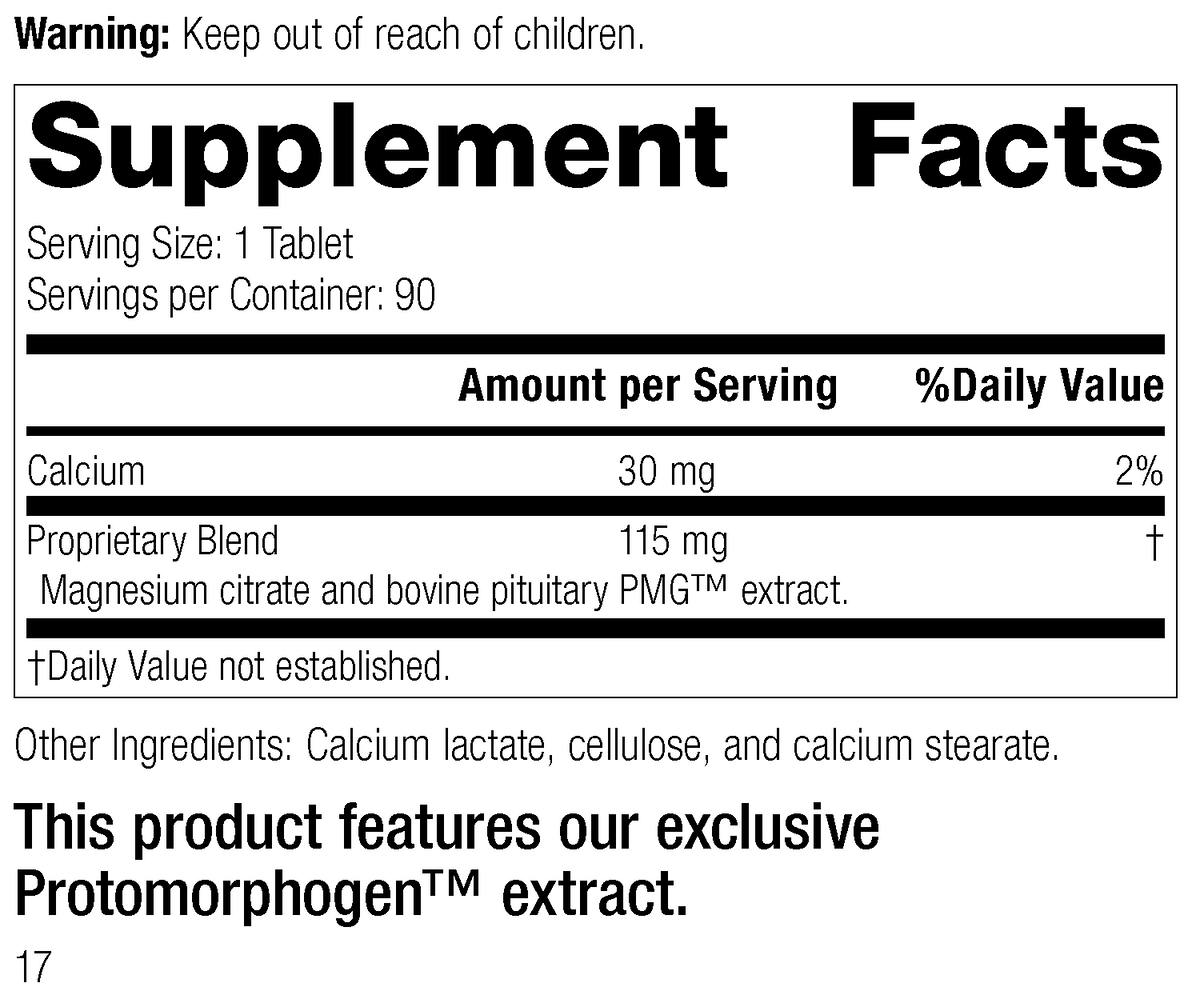
Magnesium for motility
Magnesium is often thought of for stress, sleep, or muscle support, but certain forms can also help with bowel regularity. For people whose gut concerns are tied to occasional constipation or slow motility, magnesium may offer indirect but meaningful digestive support.
Not every form works the same way. Some forms are better suited for relaxation and general wellness, while others are more commonly used to support elimination. That difference matters if your main goal is gut health.
This is another example of why the best supplements for gut health depend on the actual problem. Magnesium may be excellent for one person and irrelevant for another.
Herbal digestive support
Herbal formulas can be especially helpful when digestion feels sluggish, crampy, or reactive. Bitter herbs are often used to support digestive secretions, while other botanicals may help soothe occasional gas or discomfort.
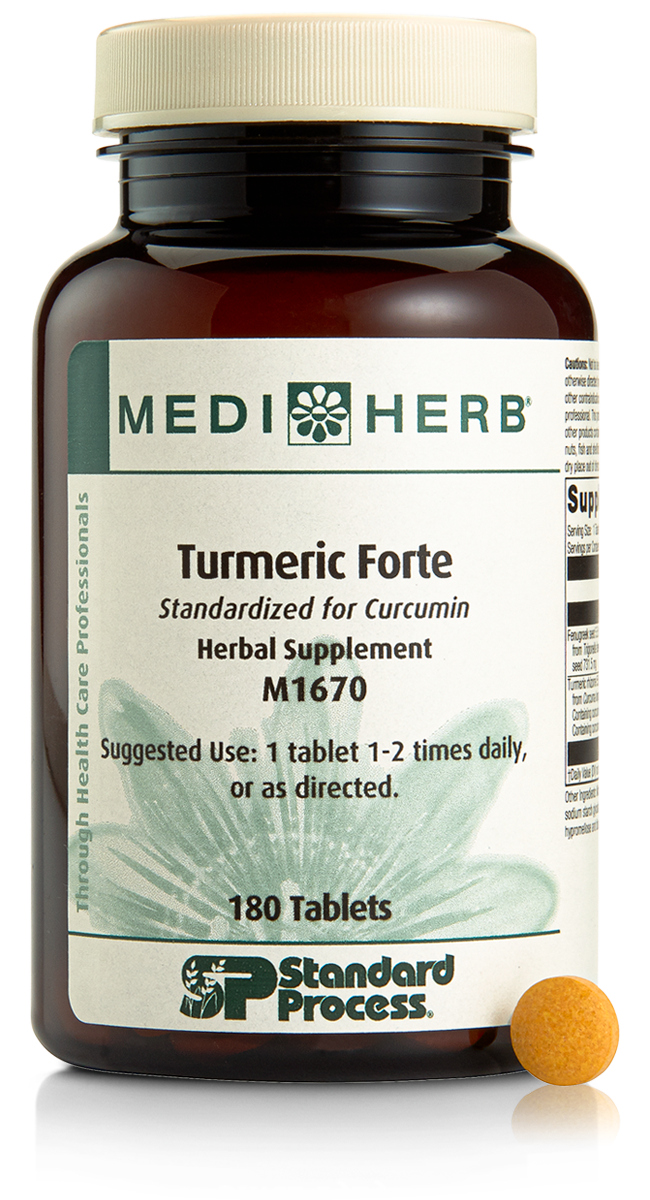
Practitioner-trusted herbal support can be a strong option for people who want a whole-body approach rather than a single isolated ingredient. In many cases, herbs are used to support how digestion functions overall, not just mask symptoms.
This category works best when chosen thoughtfully. Herbs are active compounds, and the right blend depends on whether the goal is calming, stimulating, or balancing digestion.
Postbiotics and butyrate support
Postbiotics are becoming more popular because they focus on the beneficial compounds produced by healthy gut bacteria rather than the bacteria themselves. Butyrate, in particular, is often discussed for its role in supporting the colon and overall gut environment.
This category can be appealing for people who do not tolerate probiotics well or want another way to support microbiome-related health. It is still a more specialized area, but it reflects an important shift in gut wellness: supporting function, not just adding strains.
How to choose the best supplements for gut health for your needs
Start with your pattern, not the trend. If your biggest issue happens after meals, enzymes may make more sense than a probiotic. If your concern is irregularity, fiber, magnesium, or microbiome support may be more relevant. If you have been under significant stress and your digestion changed with it, a broader practitioner-guided plan may be the better path.
It is also smart to avoid stacking too many new products at once. When people start probiotics, enzymes, fiber, and herbs all in the same week, it becomes difficult to tell what is helping and what is not. A more strategic approach usually gets better results.
Look for trusted brands, clear formulas, and a reason for each ingredient to be there. This is where practitioner-grade options often stand apart. They are typically built around real clinical use, not just marketing language.
If your symptoms are persistent, severe, or confusing, that is a sign to get support rather than keep guessing. Fast Track To Health serves many customers who want that middle ground between shopping on their own and getting personalized practitioner insight.
When supplements are not the whole answer
Even the best supplement cannot fully compensate for eating too fast, high daily stress, poor sleep, or a diet that constantly triggers symptoms. Gut health responds to habits. Supplements can support the process, but they work best when your routine gives them something to build on.
That is why the strongest results usually come from combining the right formula with a sustainable plan. Sometimes that means cleaning up meal timing. Sometimes it means identifying food triggers. Sometimes it means getting help with a customized protocol instead of trying one more random product.
A well-chosen gut supplement can be life changing when it matches the real need. The goal is not to take more. It is to take what fits, give it time to work, and build from there with confidence.





Leave a comment
This site is protected by hCaptcha and the hCaptcha Privacy Policy and Terms of Service apply.