

A supplement label can promise energy, immune support, stress balance, or better digestion in a few bold words. The real difference is usually found in the details: where the ingredients come from, what the formula leaves out, and whether it fits your body and goals. Learning how to choose whole food supplements helps you move beyond shelf appeal and build a wellness routine you can feel confident about.
Whole food supplements are designed to provide nutrients and supportive compounds from concentrated foods, plants, and food-based ingredients. They are not a substitute for a varied diet, quality sleep, movement, or medical care. But when chosen thoughtfully, they can be a valuable part of a practitioner-guided approach to foundational wellness.
Start With the Health Goal, Not the Product
Choosing a supplement because it is popular is rarely the best starting point. Begin with the support you are looking for. Are you trying to maintain healthy immune function during a demanding season? Looking for nutritional support for digestion, stress resilience, cardiovascular health, or a life stage such as pregnancy or menopause? A clear goal makes the ingredient panel easier to evaluate.
Be specific without trying to diagnose yourself. For example, “I want daily nutritional support because my meals are inconsistent” is different from “I need help with ongoing digestive discomfort.” The first may call for a foundational whole food multivitamin or food-based nutritional formula. The second deserves a conversation with a qualified healthcare professional, especially if symptoms are new, persistent, or worsening.
It also helps to consider what you already take. Layering several products with similar ingredients can create unnecessary overlap. A personalized supplement plan can identify gaps while keeping your routine practical enough to follow consistently.
Know What “Whole Food” Means on a Label
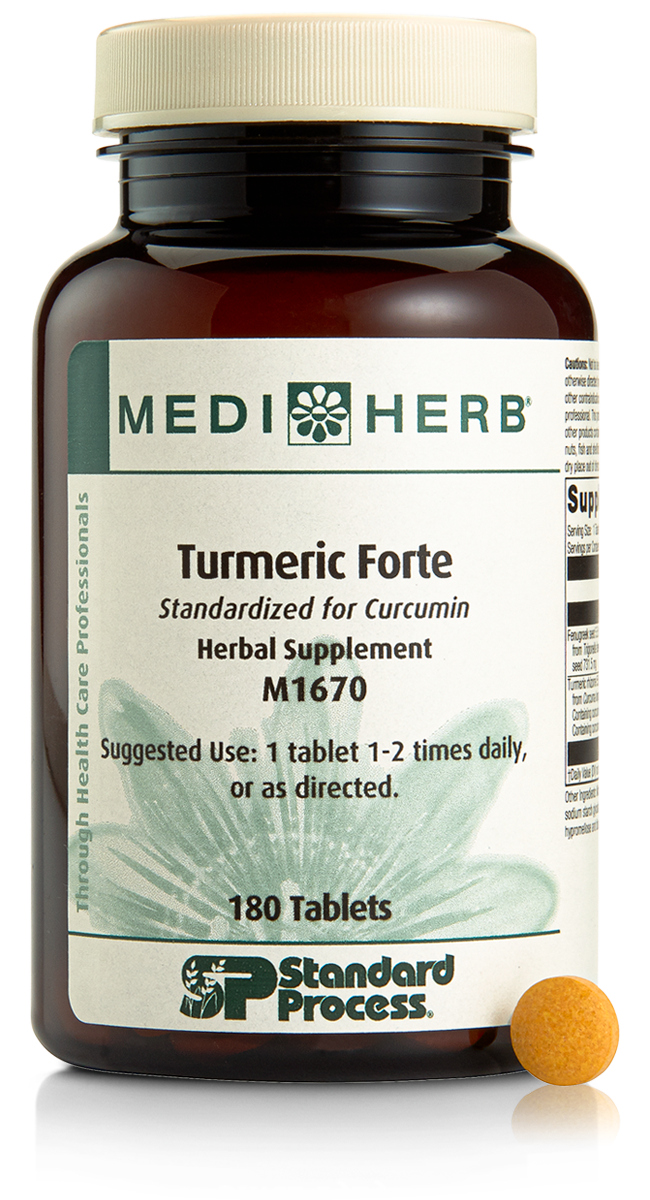
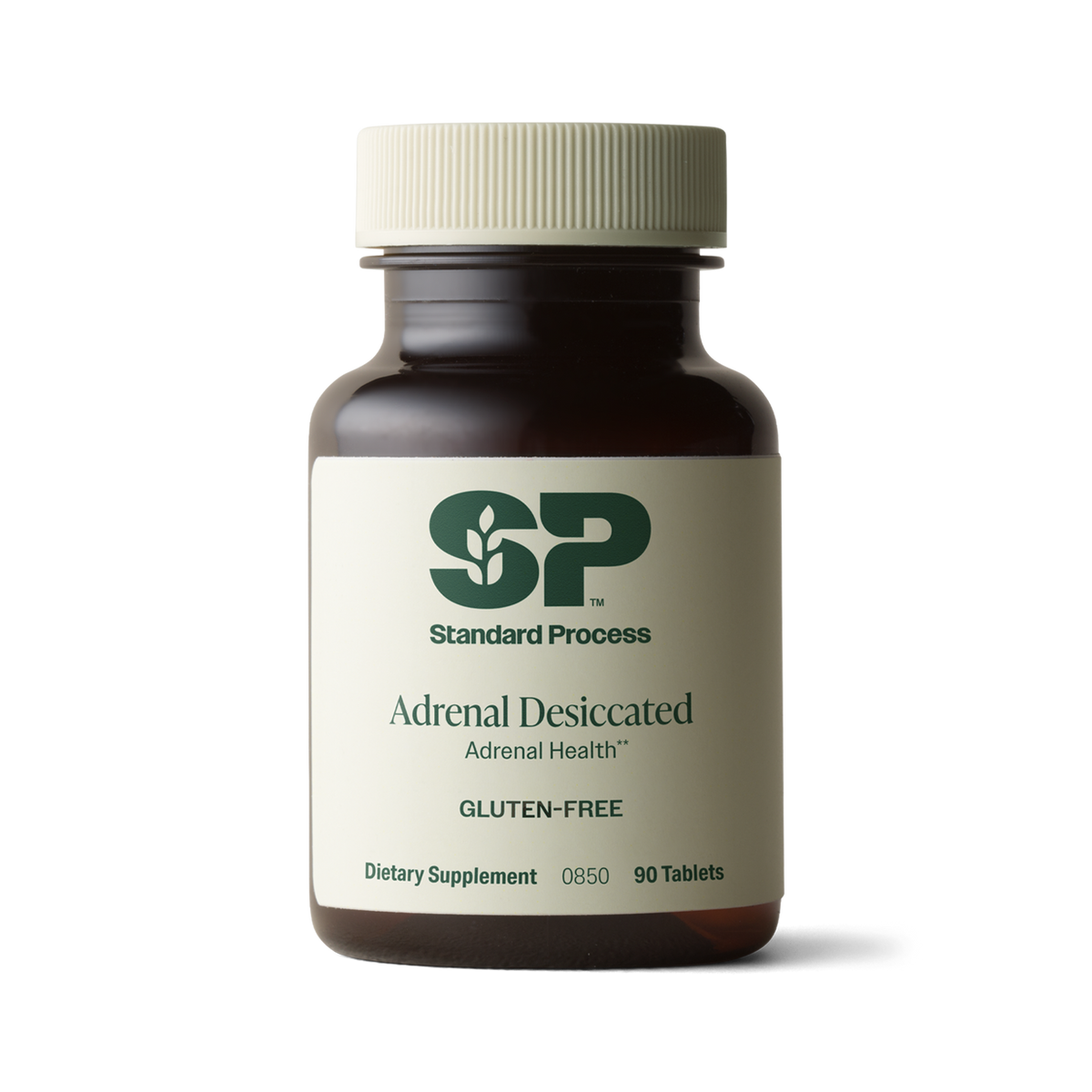
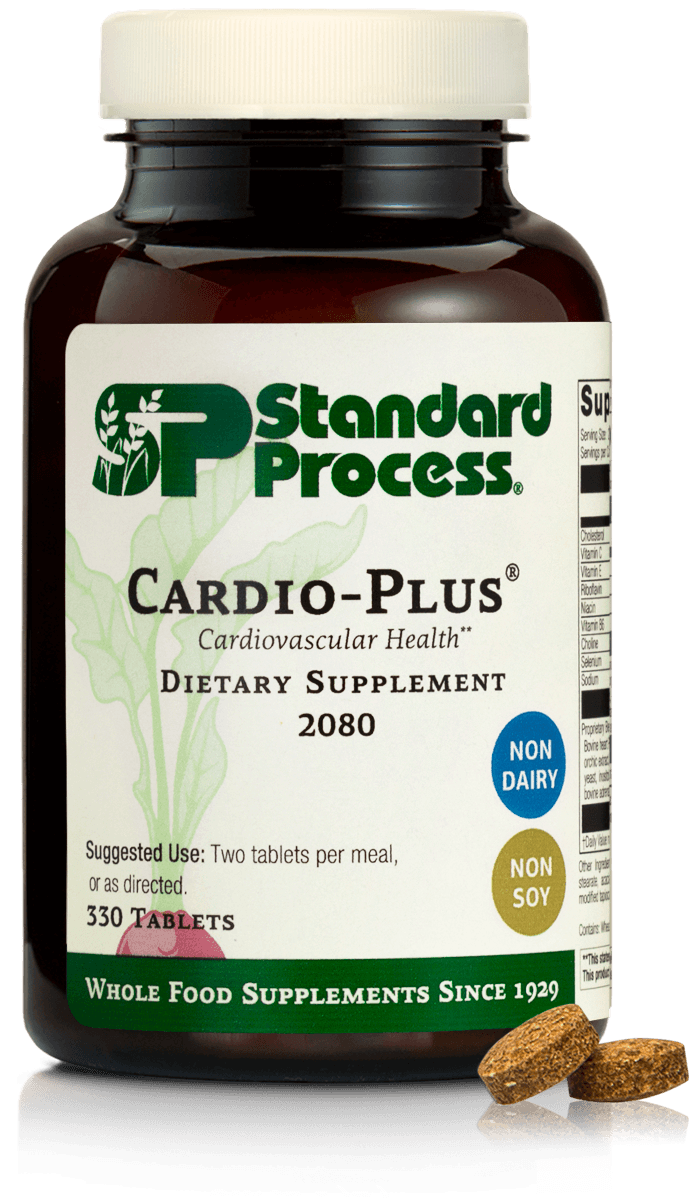
The phrase whole food is used broadly in the supplement industry, so look past the front label. In general, a whole food supplement uses concentrated plant, animal, or food-derived ingredients rather than relying solely on isolated synthetic nutrients. That can include vegetables, fruits, herbs, organ tissues, and other carefully processed food materials.
This does not mean every nutrient amount will look like the high numbers found in conventional vitamin products. Whole food formulas may provide nutrients within a broader food matrix, alongside naturally occurring cofactors and phytonutrients. Many people value this food-based approach because it aligns with the way nutrients occur in nature.
At the same time, “natural” does not automatically mean appropriate for everyone. A formula may contain herbs that are not suitable during pregnancy, while breastfeeding, before surgery, or alongside certain medications. The best choice depends on the full formula and your individual health picture, not a single marketing term.
Read the Supplement Facts and Other Ingredients
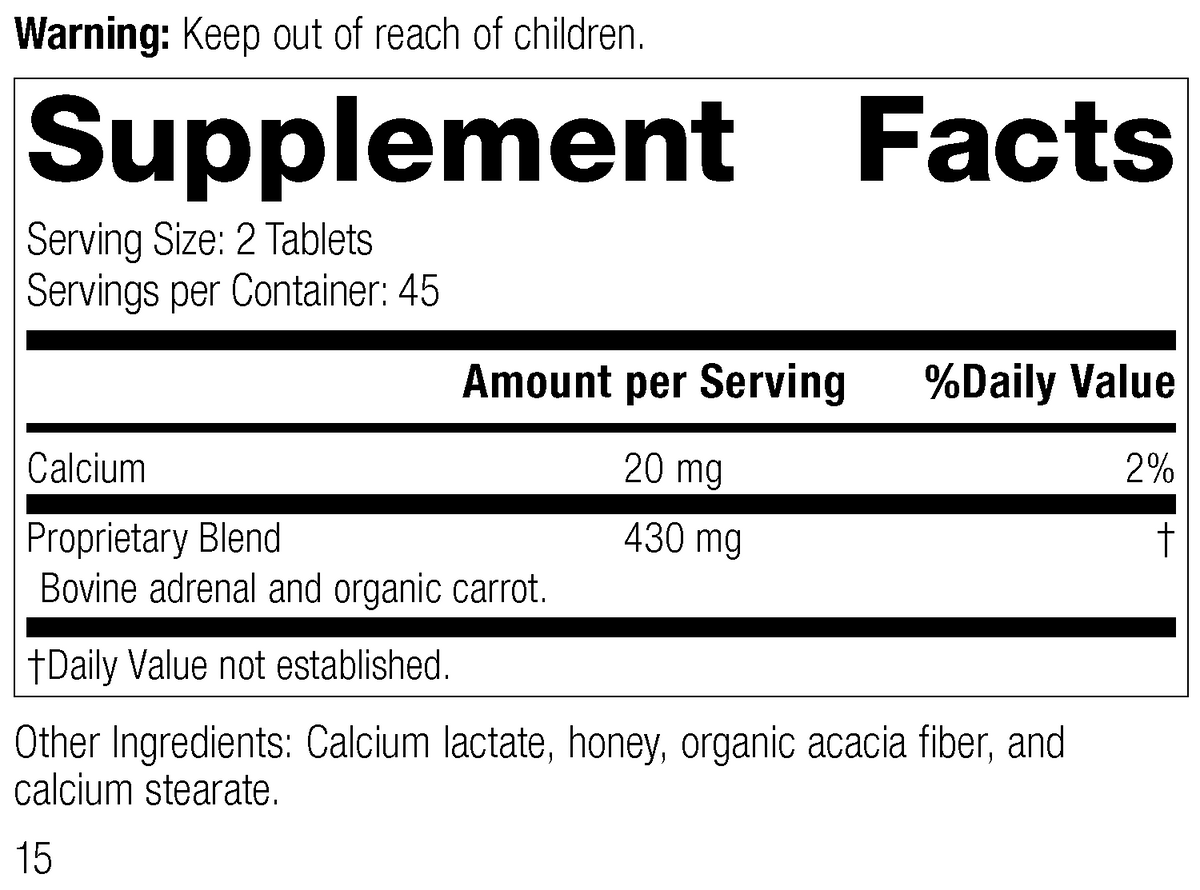
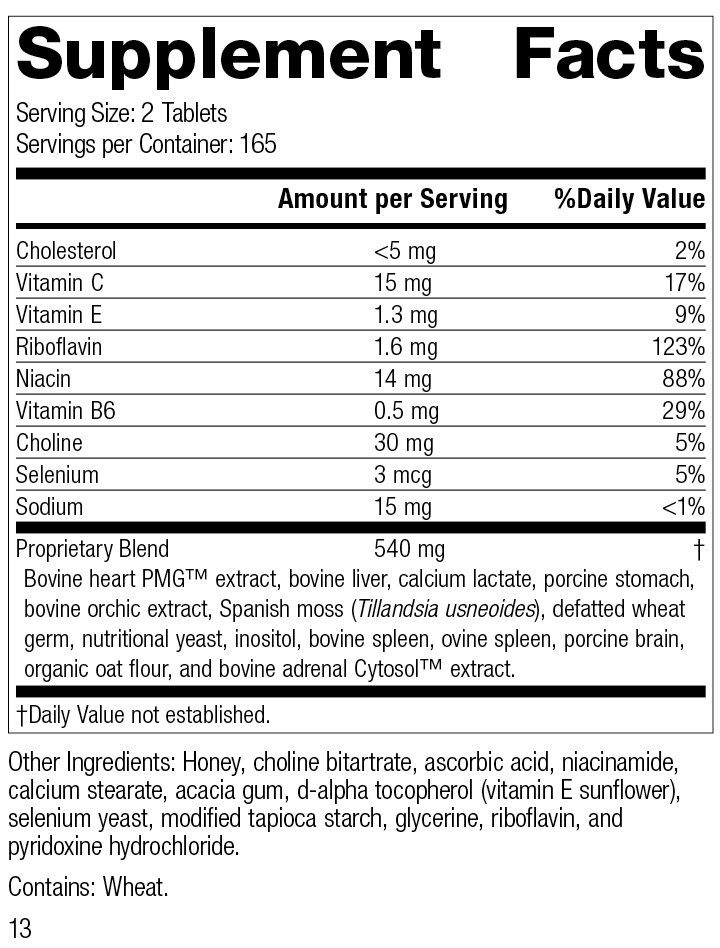
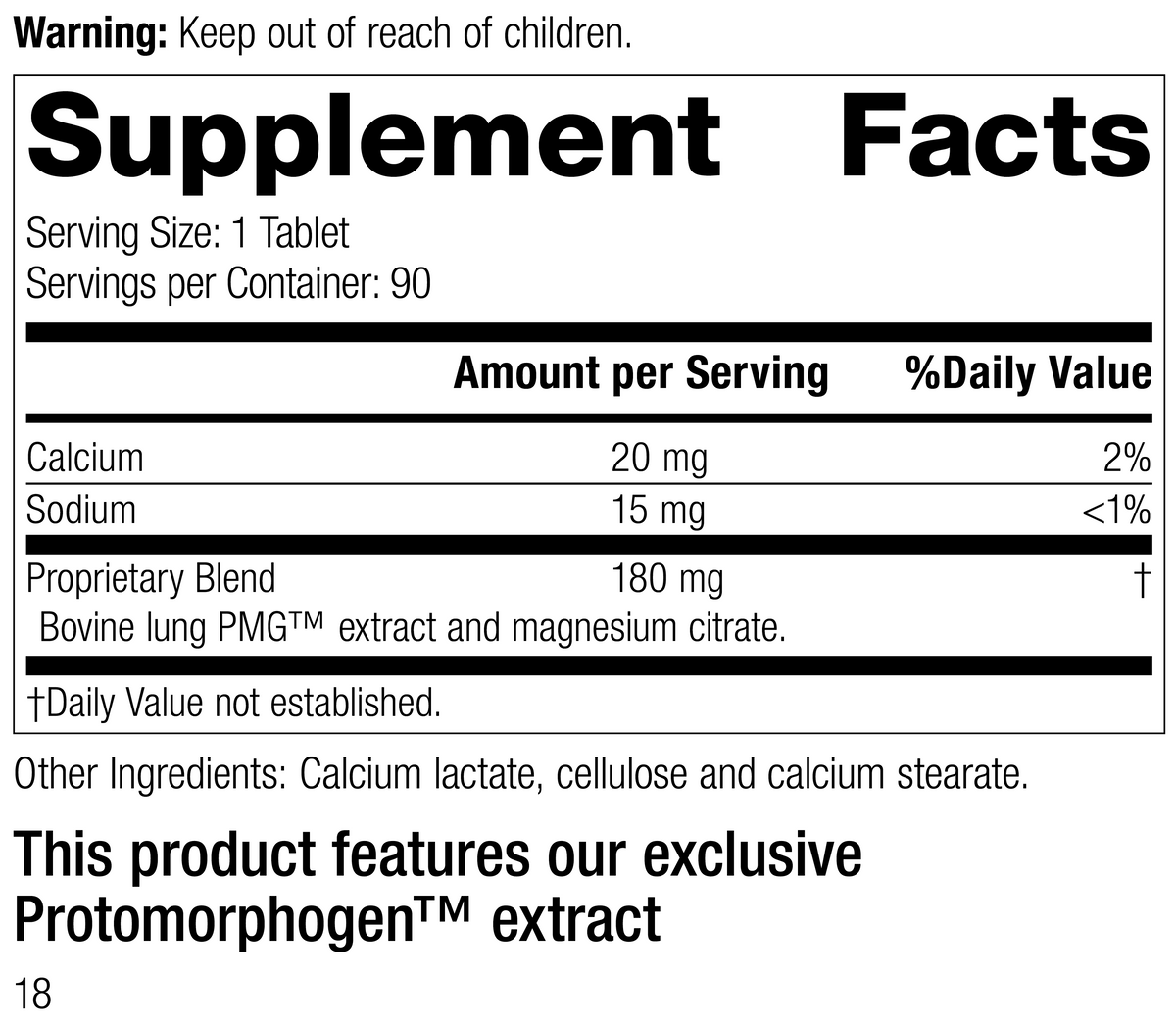
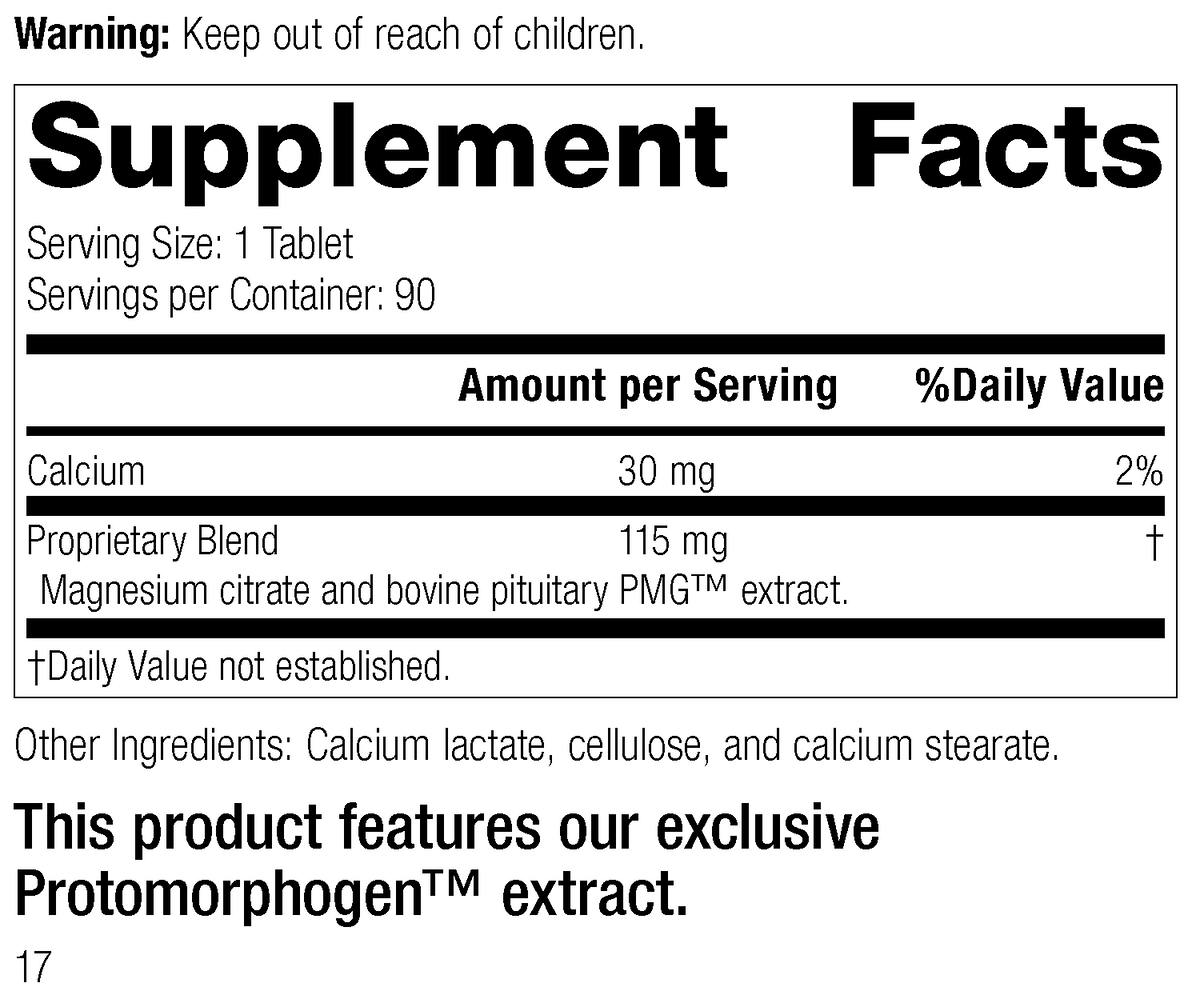
Turn the bottle around. The Supplement Facts panel should identify the active ingredients, serving size, and amounts provided. Look for ingredient names you can understand and a formula that clearly states what it contains. If a proprietary blend hides the amount of each ingredient, it may be harder to judge whether it matches your needs.
Then review the other ingredients. Capsules, binders, and processing aids are not always a concern, but the list should be purposeful and transparent. If you have food sensitivities or dietary preferences, check for common allergens and confirm whether the product fits your requirements.
A concise label is not always better, and a long label is not always worse. A targeted botanical formula may need several complementary ingredients. What matters is that each ingredient has a clear reason for being there.
Prioritize Sourcing and Manufacturing Standards
Quality starts before a product reaches a bottle. Practitioner-trusted supplement companies typically place close attention on ingredient sourcing, identity testing, manufacturing processes, and consistency from batch to batch. These standards matter because supplements are not all made the same way.
Look for brands that are transparent about their quality practices and that have a long-standing reputation among healthcare practitioners. Authorized partnerships are another meaningful trust signal. They help ensure you receive authentic products that have been stored and supplied through approved channels.
Whole food formulas may also be sensitive to growing conditions and processing methods. Brands that control or closely oversee sourcing can better protect the integrity of their ingredients. You do not need to become a manufacturing expert, but you should be able to find a credible answer to a simple question: why should I trust what is in this bottle?
Choose Formulas That Fit Your Life and Diet
The most carefully made supplement cannot help if it stays in the cabinet. Consider the format, serving size, and timing before you buy. Tablets may be convenient for travel, while powders can work well for people who prefer to blend nutritional support into a smoothie. Some formulas are taken with meals, and others may be best at a different time of day.
Diet matters, too. Someone eating little or no animal-based food may have different nutritional considerations than someone following a higher-protein diet. A person with a busy schedule and skipped meals may benefit from foundational support, while an experienced supplement user may be looking for a more focused protocol. There is no prize for taking the most products. A well-chosen, manageable routine is usually the wiser investment.
Cost is part of the decision as well. Higher-quality ingredients and rigorous manufacturing can make practitioner-grade supplements more expensive than mass-market options. Consider the cost per day, not just the price per bottle, and avoid buying several products before you know how they fit into your routine.
How to Choose Whole Food Supplements With Professional Guidance
For everyday foundational support, you may be able to make an informed choice by reviewing your goals, diet, and product labels. For more complex concerns, guidance can save time, money, and confusion. This is particularly true when you have a diagnosed condition, take prescription medication, are pregnant or nursing, are preparing for surgery, or want support for multiple overlapping concerns.
A qualified practitioner can review your health history, current medications, lifestyle, and priorities before recommending a protocol. That is more useful than guessing based on a social media trend or a friend’s favorite product. Functional medicine support can also help connect supplement choices with the basics that influence how you feel each day: food quality, stress, sleep, hydration, movement, and digestive health.
At Fast Track To Health, customers can pair practitioner-trusted whole food formulas with personalized guidance, helping turn a crowded supplement shelf into a clearer plan. If you are unsure where to begin, a supplement quiz or individual consultation can provide a practical starting point.
Watch for These Signs Before You Buy
A few quick checks can prevent a disappointing purchase. Be cautious if a product makes dramatic promises to treat, cure, or quickly reverse a medical condition. Responsible supplement brands focus on supporting normal body functions and overall wellness rather than replacing appropriate medical evaluation.
Also pause when a label is vague, a seller cannot verify product authenticity, or a formula includes ingredients that do not connect to your stated goal. More is not necessarily better. High-dose isolated nutrients, duplicate formulas, and unnecessary stimulants can complicate a routine that was meant to support you.
If you introduce a new product, add one formula at a time when possible. This makes it easier to notice how you feel and to discuss any concerns with your practitioner. Follow label directions, do not exceed the suggested serving without guidance, and store supplements as directed to protect product quality.
Build a Routine You Can Reassess
Your needs can change with seasons, stress levels, diet, age, and health goals. Revisit your routine periodically instead of assuming that the same products will always be the best fit. Keep what is serving a clear purpose, and reconsider what has become automatic.
The right whole food supplement is not the bottle with the loudest claim. It is a transparent, quality-focused formula that aligns with your goals, works with your diet and lifestyle, and has guidance behind it when your needs are more complex. Start with one thoughtful choice, give your routine enough consistency to evaluate it, and let your health plan become more personalized from there.





Leave a comment
This site is protected by hCaptcha and the hCaptcha Privacy Policy and Terms of Service apply.