

A racing mind at bedtime, a shorter fuse than usual, and the feeling that one more task might tip the day over the edge are not signs that you need to push harder. They are signals worth listening to. The best supplements for stress support can be a helpful part of a wellness plan, but they work best when the formula matches your needs, routine, and overall health picture.
Stress support is not one-size-fits-all. Some people feel most affected by occasional tension and mental overload. Others notice that stress shows up as poor sleep, low energy, cravings, digestive changes, or difficulty staying focused. A practitioner-trusted approach looks beyond the label and asks a better question: what kind of support does your body need right now?
What Stress Support Supplements Can and Cannot Do
Nutritional and herbal formulas can support a healthy stress response, relaxation, sleep quality, and steady energy when used appropriately. They are not a substitute for sleep, nourishing meals, movement, boundaries, or professional care when stress feels unmanageable. Think of supplements as useful support, not a way to out-supplement a lifestyle that is asking too much of you.
The right choice also depends on medications, health conditions, pregnancy status, caffeine use, and your daily schedule. A formula that promotes calm during a demanding workday may not be the same one that supports relaxation before bed. This is why quality ingredients and personalized guidance matter more than chasing the latest trending ingredient.
Best Supplements for Stress Support by Need
Rather than looking for a single “best” product, start with the symptom pattern you want to support. The following categories are often used in practitioner-guided stress protocols.
Magnesium for tension and evening relaxation
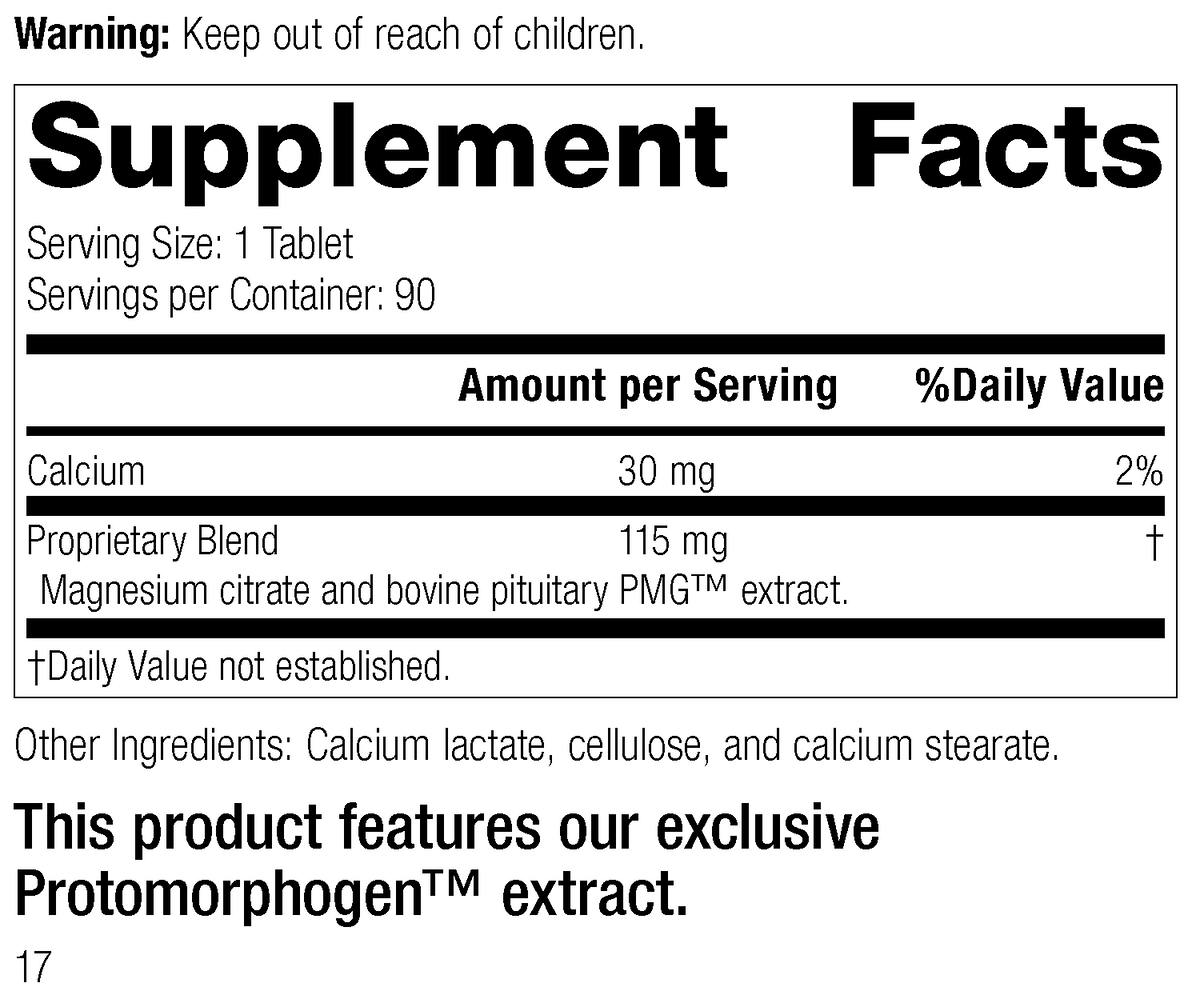
Magnesium is involved in hundreds of processes throughout the body, including muscle function, nervous system activity, and energy production. Many adults do not get enough magnesium-rich foods consistently, particularly when meals are rushed or heavily processed.
For people who carry stress physically through tight shoulders, restlessness, or trouble winding down, magnesium may be a sensible place to start. Magnesium glycinate is often chosen for evening use because it is generally gentle and pairs magnesium with glycine, an amino acid associated with relaxation. Other forms have different uses, so the label matters.
Timing is personal. Some people prefer magnesium with dinner, while others take it closer to bed. Too much can cause loose stools, especially with certain forms. People with kidney disease should only use magnesium with guidance from their healthcare professional.
L-theanine for a calm, focused state
L-theanine is an amino acid naturally found in tea. It is a popular option for people who want to feel less mentally tense without feeling sedated. It may be especially appealing for busy professionals, caregivers, or students who need to remain present and productive.
It can also be paired thoughtfully with caffeine. Coffee can make some people feel focused but edgy, while L-theanine may help create a smoother experience. Still, it will not fully offset too much caffeine, especially if coffee is contributing to anxiety, palpitations, or disrupted sleep. In that situation, reducing caffeine is usually the more meaningful first move.
Adaptogenic herbs for resilience under ongoing demands
Adaptogens are herbs traditionally used to help the body adapt to physical and emotional stressors. Ashwagandha is one of the best-known examples and is commonly included in practitioner-grade stress formulas. Some people use it to support a more balanced mood, sleep, and resilience during prolonged periods of pressure.
Adaptogens are not interchangeable. Ashwagandha may not be suitable for everyone, including people with certain thyroid concerns, autoimmune conditions, or those who are pregnant. Other botanical options may be more appropriate depending on whether stress is tied to fatigue, sleep disruption, or occasional nervous tension. This is where a customized supplement plan can be more valuable than selecting a product based on a single ingredient alone.
B vitamins and whole-food nutritional support
Stress can make regular eating harder, and a limited diet may leave nutritional gaps. B vitamins play important roles in energy metabolism and nervous system function, which is why they frequently appear in stress support formulas. Whole-food-based supplements may also provide food-derived nutrients and complementary cofactors that fit well into a foundational wellness routine.
More is not always better. High-potency B formulas can feel energizing for some people, particularly when taken early in the day, but may feel overstimulating for others. If you already use a multivitamin or fortified energy drink, review your total intake before layering additional products.
Herbal calming formulas for occasional nervous tension
Some blends feature herbs traditionally used to promote relaxation, such as lemon balm, passionflower, skullcap, or chamomile. These can be a good fit for occasional tension, especially when the goal is to transition out of work mode or settle before sleep.
The trade-off is that calming herbs can make some people drowsy. They should not be treated like an automatic addition to every routine, particularly before driving, operating equipment, or combining with alcohol or sedating medications. Start with the label directions and give your body time to show you how it responds.
How to Choose a Formula With Confidence
A long ingredient list does not automatically mean a better formula. Look first for a clear purpose, reasonable serving directions, and a brand that takes quality seriously. Practitioner-trusted products are often designed with specific combinations and doses rather than a collection of trendy ingredients added for label appeal.
It also helps to choose one primary goal. If your main issue is lying awake with a busy mind, an evening-focused magnesium or calming botanical formula may make more sense than an energizing B complex. If daytime demands leave you feeling wired, distracted, and depleted, a non-sedating option may be a better fit.
Before adding anything new, check whether the formula overlaps with what you already take. This is particularly important with multivitamins, sleep aids, thyroid medication, antidepressants, blood pressure medication, blood thinners, and other prescriptions. Natural ingredients can still have meaningful effects and interactions.
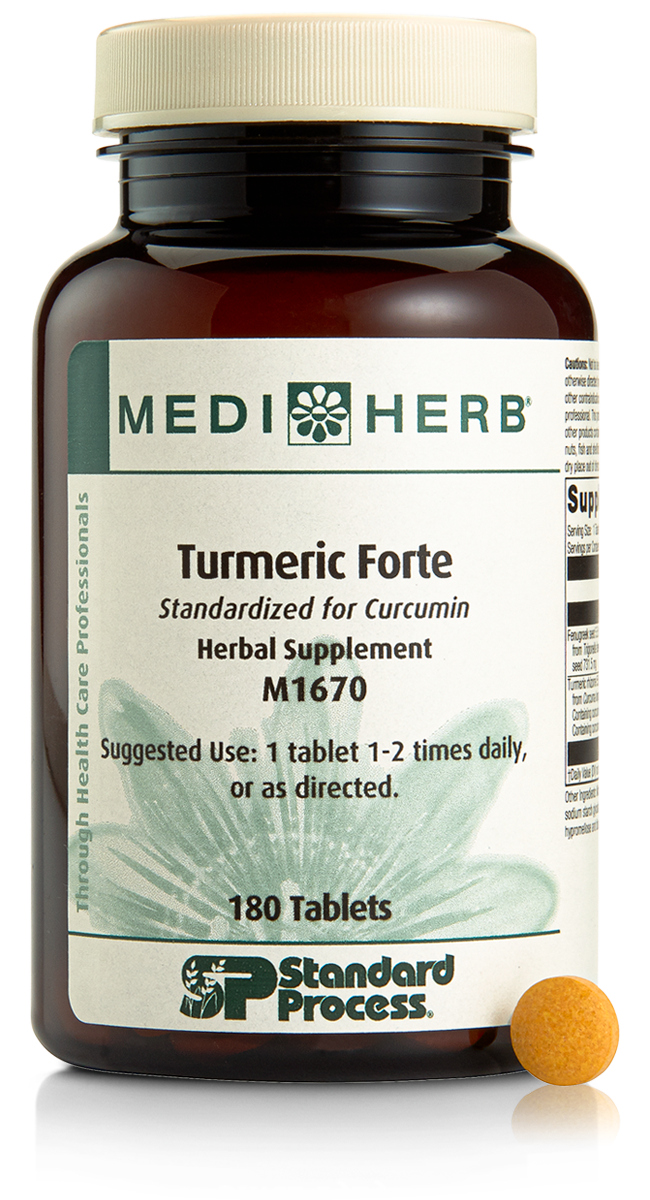
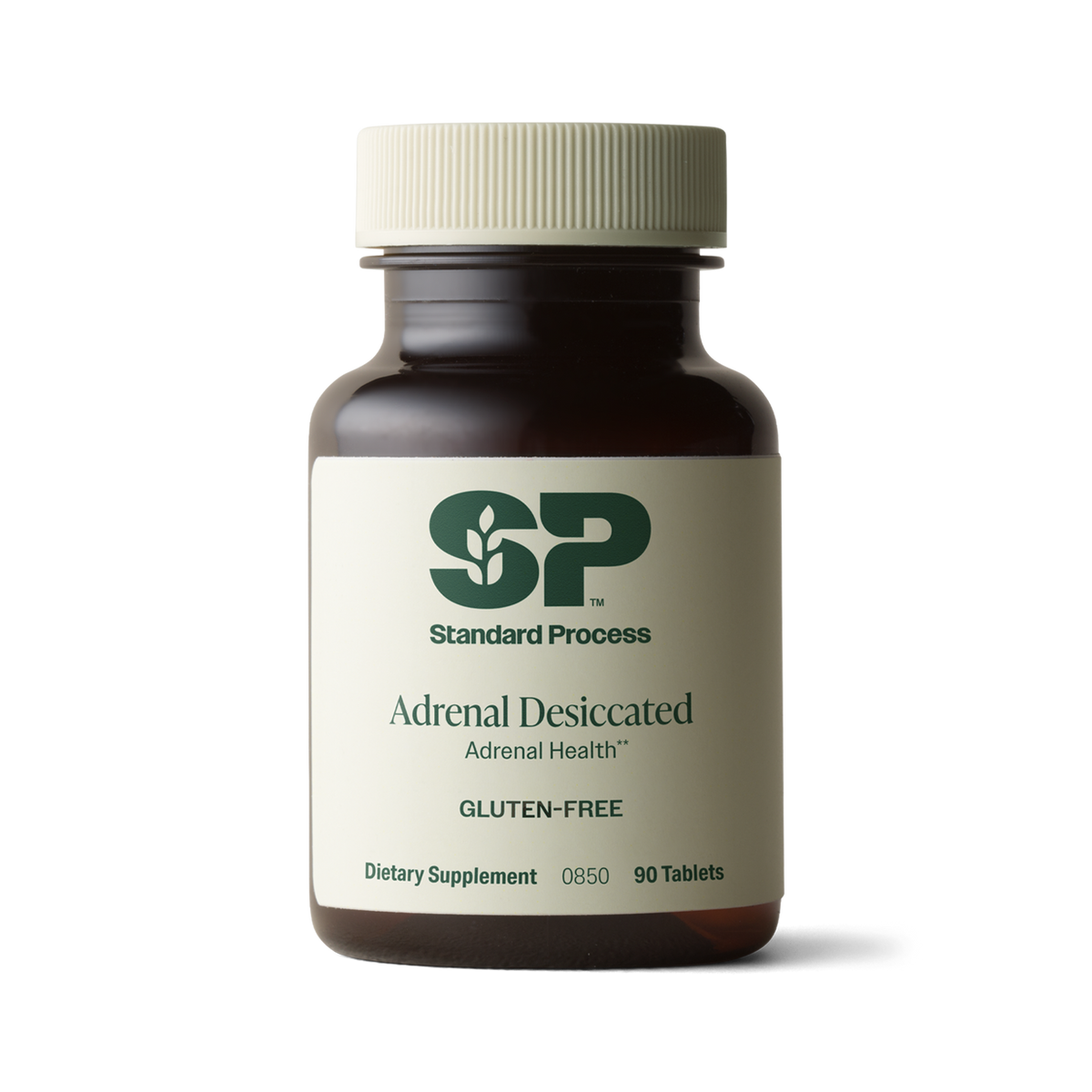
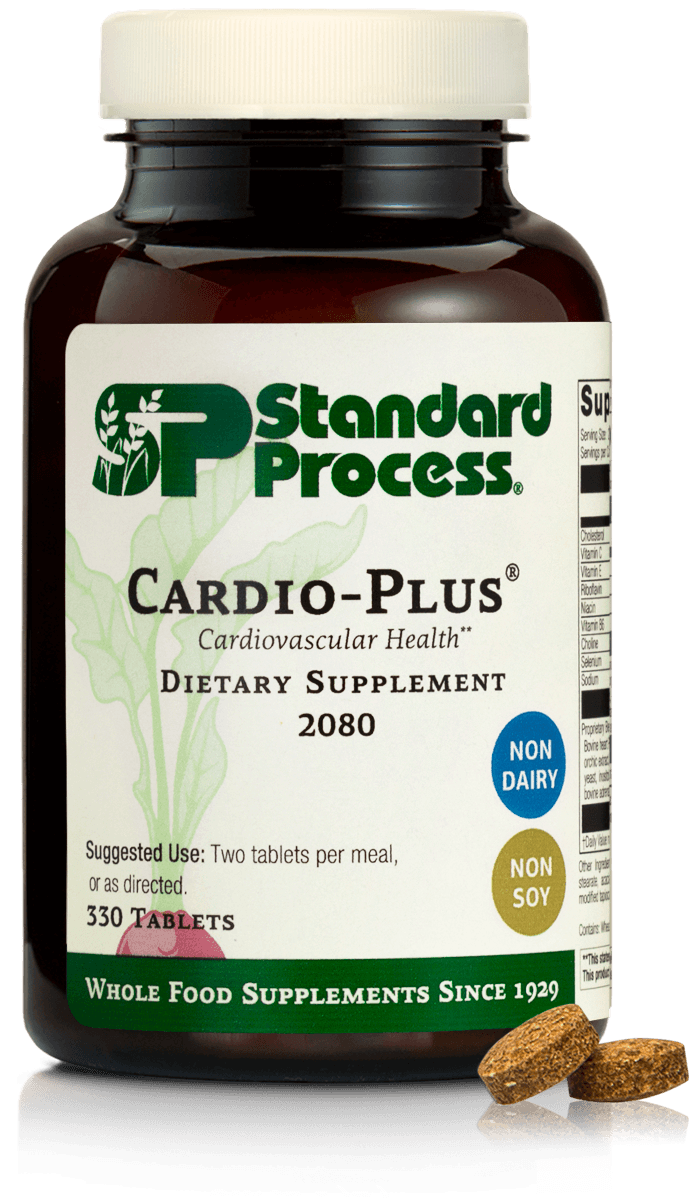
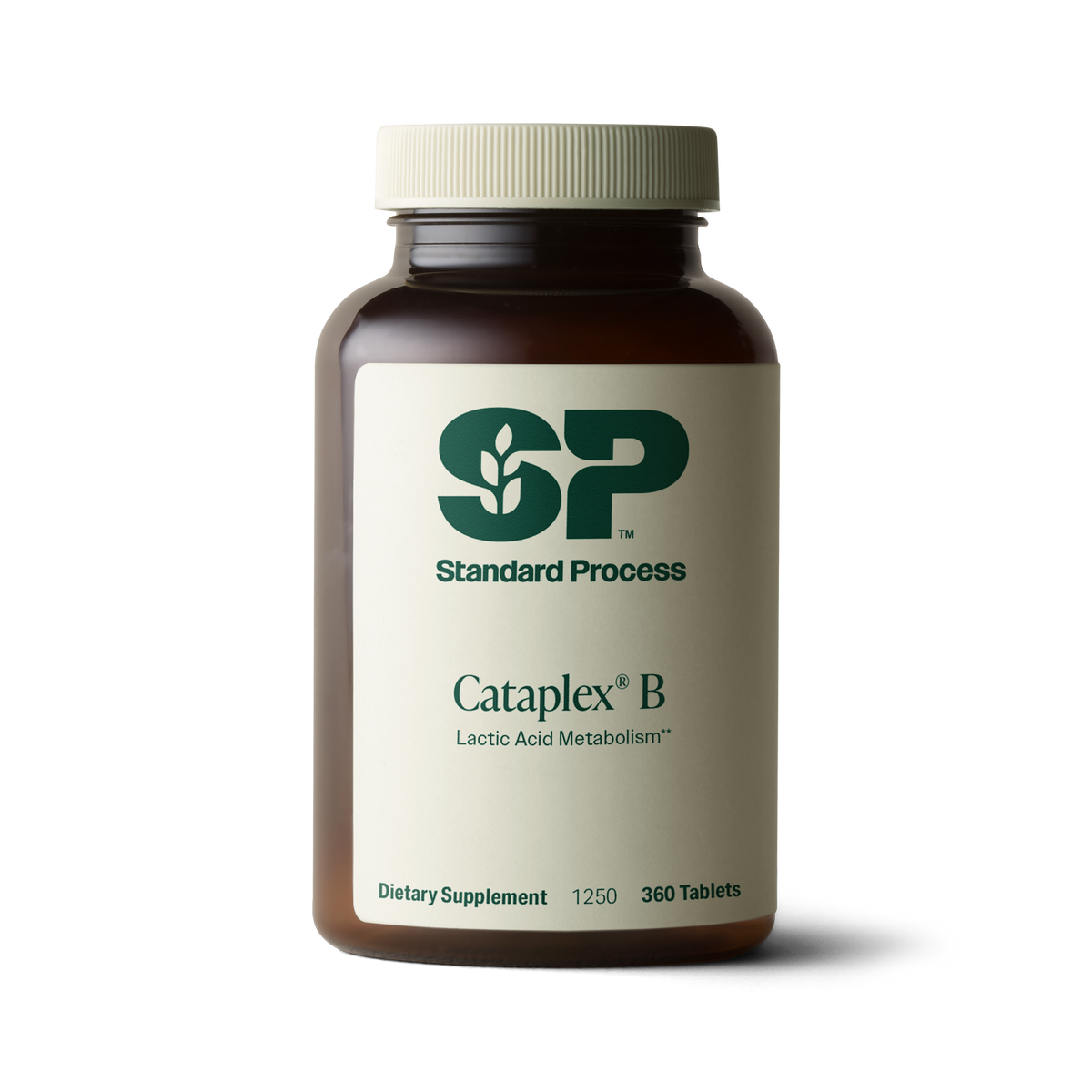
At Fast Track To Health, authorized Standard Process and MediHerb formulas offer a practitioner-respected option for customers who want more than generic stress supplements. If your symptoms are layered or you have several health goals at once, individualized practitioner guidance can help you organize a plan that feels practical rather than overwhelming.
Build the Routine Around the Supplement
The most effective stress support routine is usually simple enough to follow on a hard day. Take a daytime formula at the same time each morning or an evening formula as part of a consistent wind-down ritual. Pairing a supplement with an established habit, such as breakfast or brushing your teeth, is often more reliable than relying on memory.
Support the formula with a few basics: eat regular meals with protein and fiber, get daylight early in the day when possible, and create a realistic caffeine cutoff. These are not glamorous recommendations, but they can change how well a supplement fits into your life. A high-quality formula has a better chance to help when your nervous system gets regular signals of safety and rest.
Give a new supplement time, but pay attention. Keep a brief note of sleep quality, daytime energy, tension, digestion, and mood for two to four weeks. If you feel worse, overly tired, jittery, or notice a new symptom, stop and consult a qualified healthcare professional. Seek prompt medical care for chest pain, severe panic symptoms, thoughts of self-harm, or stress that is interfering with daily functioning.
The best choice is the one that supports your specific pattern of stress without adding complexity to your day. Start with a clear goal, choose a trusted formula, and let consistent, well-guided care do the heavy lifting.





Leave a comment
This site is protected by hCaptcha and the hCaptcha Privacy Policy and Terms of Service apply.