

A second coffee before 10 a.m., a skipped lunch, an intense evening workout, and scrolling until midnight can feel like normal life. But when that pattern repeats, your body has fewer chances to recover. Learning how to support cortisol balance starts with looking at the full rhythm of your day, not searching for one quick fix.
Cortisol is often called the stress hormone, but that label misses its useful role. Your body needs cortisol to help regulate energy, blood sugar, immune activity, blood pressure, and your natural sleep-wake cycle. The goal is not to eliminate cortisol. It is to support a healthy daily pattern: more alertness and energy when you need it, followed by the ability to settle down and rest.
What cortisol balance can look like
Cortisol naturally rises in the morning and gradually declines toward bedtime. That pattern can become less predictable during periods of ongoing stress, inconsistent sleep, under-fueling, illness, major life changes, or overly demanding training. Some people notice that they feel wired late at night but sluggish in the morning. Others experience afternoon energy crashes, stronger cravings for sweets, restless sleep, irritability, or difficulty recovering after exercise.
Those symptoms are not a diagnosis, and they can have many causes. Thyroid concerns, anemia, blood sugar issues, medication effects, mood changes, and sleep disorders can overlap with what people casually call “high cortisol.” That is why a personalized approach is more useful than guessing based on symptoms alone.
How to support cortisol balance with daily rhythms
The most effective changes are usually simple, but they need consistency. A supplement can be a valuable part of a wellness plan, yet it cannot fully offset a schedule that repeatedly signals urgency to the nervous system. Start by choosing one or two habits you can repeat most days.
Set your morning clock with light and nourishment
Try to get outdoor light within the first hour of waking. A few minutes outside while walking the dog, drinking water on the porch, or taking a brief walk can help reinforce your circadian rhythm. Bright indoor light is still useful when needed, but natural daylight is generally the stronger cue.
Then consider your first meal. For many adults, beginning the day with protein, fiber-rich carbohydrates, and healthy fats supports steadier energy than coffee alone. Eggs with vegetables and fruit, Greek yogurt with berries and seeds, or a balanced smoothie can be practical options. If you prefer intermittent fasting and feel genuinely well doing it, that may work for you. If fasting leaves you shaky, anxious, headachy, or prone to overeating later, it may not be the right strategy for this season of life.
Coffee does not need to be off limits. The trade-off is timing and tolerance. Having caffeine after food, keeping portions moderate, and setting a personal cutoff early in the afternoon can make a meaningful difference for sleep quality.
Eat consistently enough for your activity level
Long gaps between meals can be especially challenging when you are under stress, training hard, pregnant or postpartum, or managing unstable energy. Aim for meals that include protein, colorful produce, satisfying fats, and carbohydrates appropriate for your needs. Carbohydrates are not the enemy of cortisol balance. Very restrictive eating can add stress for some people, particularly when paired with intense exercise or poor sleep.
Rather than chasing perfect macros, notice patterns. Do you crash at 3 p.m.? Do you become ravenous at night? Do you feel calmer and more focused after a protein-forward breakfast? These observations help identify the routines worth keeping.
Choose movement that your body can recover from
Exercise is a powerful stress-support tool, but more is not always better. Resistance training, walking, cycling, yoga, and recreational sports can all support mood, metabolic health, and sleep. The right amount depends on your current capacity.
If a demanding workout leaves you energized, hungry in a normal way, and able to sleep, it may be a good fit. If it consistently leaves you exhausted, restless, sore for days, or reliant on extra caffeine, consider reducing intensity, shortening sessions, or adding recovery days. A 20-minute walk after meals may be more supportive right now than forcing another high-intensity class.
Make evenings less stimulating
Your body does not switch from work mode to sleep mode the moment your head hits the pillow. Give it a runway. Dim lights, finish work messages at a realistic time, and create a short repeatable routine such as a shower, gentle stretching, reading, or preparing for tomorrow.
Alcohol may feel relaxing in the moment, but it can disrupt sleep later in the night. The same goes for late, heavy meals and caffeine that lingers past its welcome. You do not have to change everything at once. Start with the habit most likely to improve your sleep this week.
When stress support needs to be more personal
Lifestyle foundations matter, but they do not erase the demands of caregiving, a difficult job, chronic pain, perimenopause, grief, or a packed family schedule. This is where a practitioner-guided plan can be helpful. The right strategy should account for your symptoms, health history, medications, sleep pattern, nutrition, and goals.
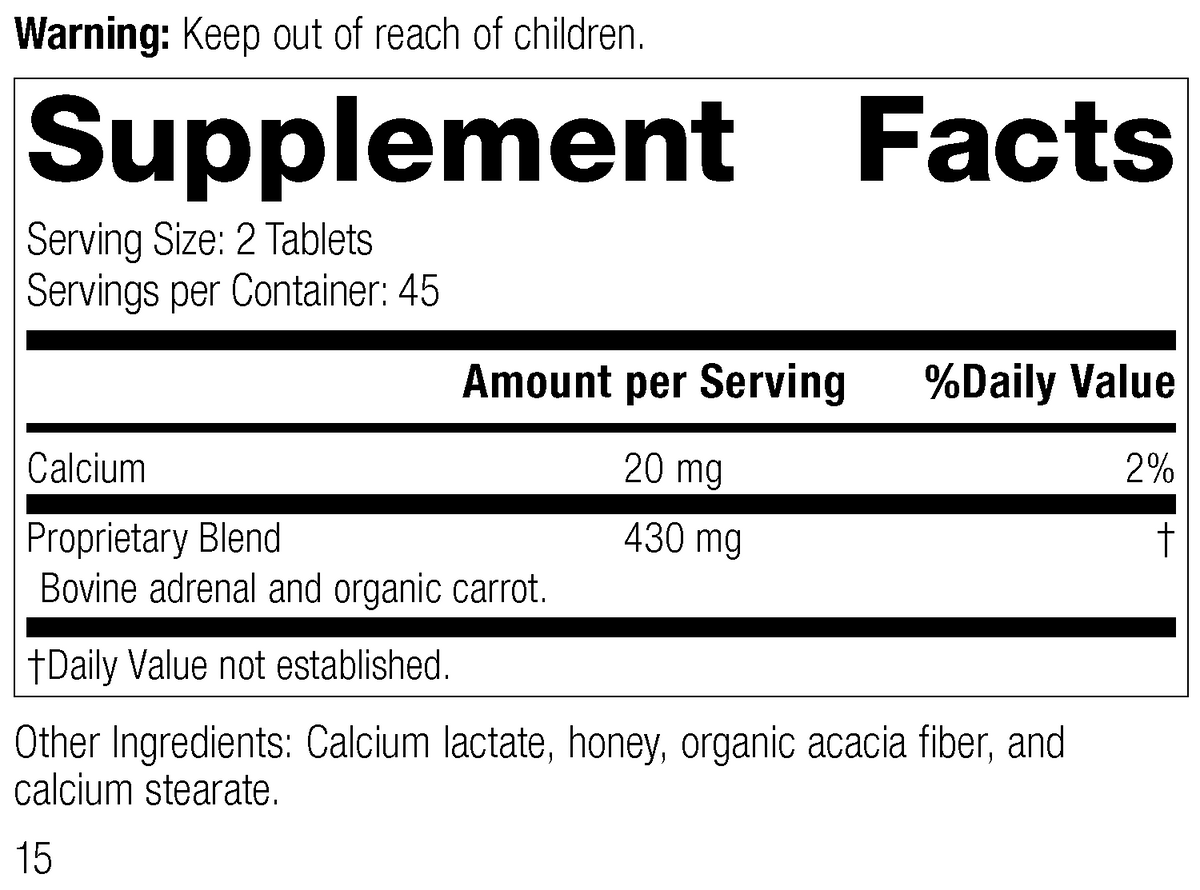
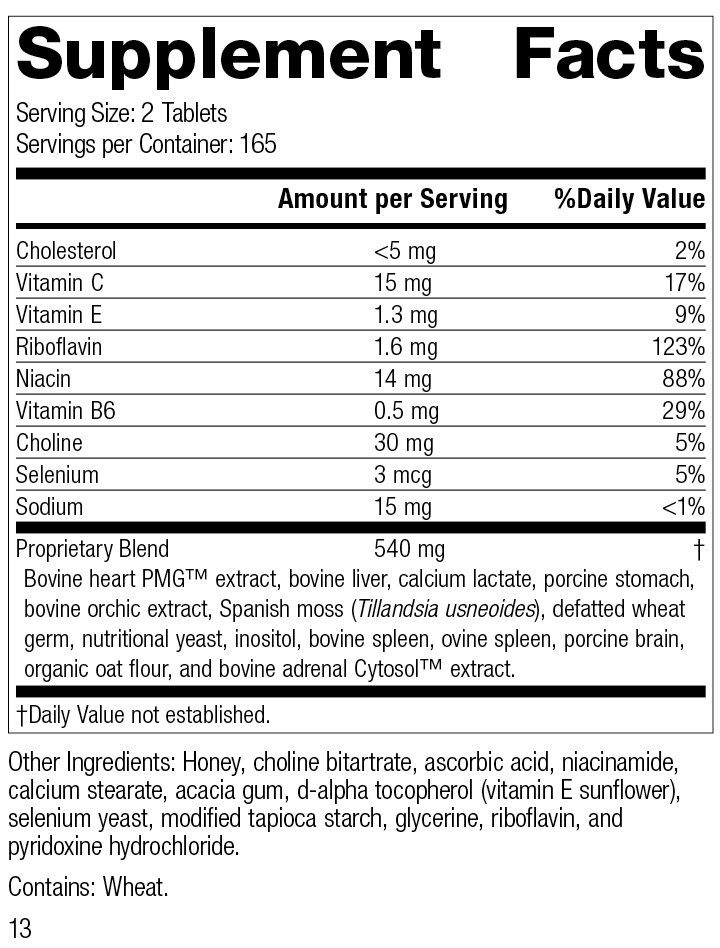
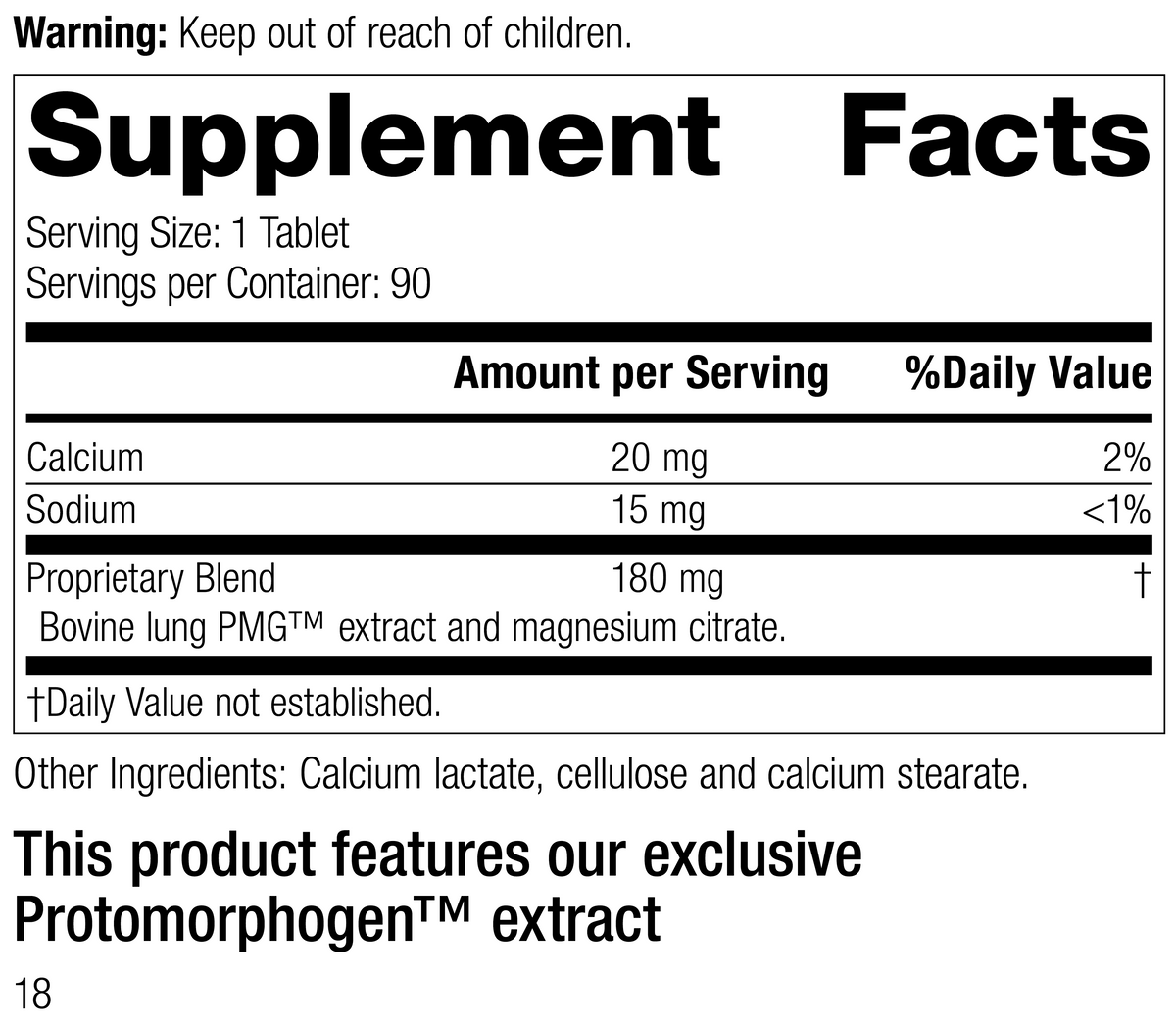
Whole-food and botanical formulas are often used to support the body’s stress response, relaxation, sleep quality, and healthy energy production. However, “natural” does not automatically mean appropriate for everyone. Certain herbs and nutrients may not be suitable during pregnancy, while breastfeeding, with blood pressure concerns, autoimmune conditions, or alongside prescription medications. Product quality and dose also matter.
At Fast Track To Health, practitioner-trusted supplement options and personalized wellness guidance can help take some of the guesswork out of building a plan. A thoughtful protocol should complement the basics, not replace meals, sleep, movement, or medical care.
Look beyond the label of “high cortisol”
Cortisol is only one part of a complex system. If you have persistent fatigue, unexplained weight changes, irregular periods, frequent dizziness, significant anxiety or depression, loud snoring, or sleep that never feels restorative, it is worth speaking with a qualified healthcare professional. Testing may be appropriate in some situations, but a single number without context does not tell the whole story.
Be especially cautious about self-prescribing multiple stimulating energy products in the morning and multiple sedating products at night. That approach can obscure what is actually helping and may create unwanted interactions. Introduce one change at a time when possible, track how you feel for a few weeks, and involve your practitioner when symptoms are persistent or complex.
A realistic place to begin this week
Choose a morning wake time you can keep within about an hour each day. Get outside for light, eat a balanced first meal if your body responds well to it, and take a brief walk. In the evening, set a caffeine cutoff and protect a 30-minute wind-down window. These are not flashy habits, but they are the signals your body receives repeatedly.
Supporting cortisol balance is less about controlling every stressor and more about building reliable recovery into real life. Start with the routine that feels most doable, let it become familiar, and then add personalized support when you need a clearer path forward.











Leave a comment
This site is protected by hCaptcha and the hCaptcha Privacy Policy and Terms of Service apply.