

A crowded supplement cabinet is not a wellness plan. A thoughtful custom supplement plan example starts with the person, not the product: what they are eating, how they feel, what their schedule allows, and where they need support most. The goal is not to take more. It is to choose practitioner-trusted nutrition that fits real life and can be reviewed as your needs change.
For many adults, the right starting point is surprisingly simple. Energy concerns may connect to inconsistent meals, stress may affect digestion and sleep, and a restricted diet may leave nutritional gaps. Supplements can support a strong foundation, but they work best alongside food, hydration, movement, rest, and appropriate medical care.
What a Custom Supplement Plan Should Include
A personalized plan is more than a list of bottles. It gives each product a job, a schedule, and a reason for being there. Before recommending any formula, consider your primary health goal, current medications, diagnosed conditions, diet pattern, sleep quality, stress load, and any recent laboratory findings you have discussed with a qualified clinician.
This process helps prevent a common mistake: choosing several products with overlapping ingredients. For example, a multinutrient formula, a stress formula, and a sleep product may each contain similar B vitamins or minerals. That does not automatically make the combination wrong, but it does mean dosage and timing deserve a closer look.
A good plan also separates foundational support from targeted support. Foundational products are meant to complement daily nutrition over time. Targeted products address a clearly defined, short-term, or closely monitored goal, such as occasional digestive discomfort during a stressful season. The balance depends on the individual.
A Custom Supplement Plan Example for Busy Adults
Consider Maya, a 43-year-old professional and parent who wants support for afternoon energy dips, occasional bloating after rushed meals, and feeling wound up at night. She eats reasonably well but skips breakfast several days a week, relies on coffee when work gets intense, and does not consistently eat vegetables at lunch. She takes no prescription medication and has checked with her clinician that a nutrition-focused supplement routine is appropriate for her.
Maya does not need a dozen products. Her first plan focuses on daily nutritional coverage, digestive support around meals, and a practical evening routine that supports relaxation. She also commits to eating a protein-containing breakfast and taking a 10-minute walk after dinner most nights. These actions matter because no supplement can fully compensate for chronic under-fueling, poor sleep, or a schedule that never allows recovery.
Morning: Build the Foundation
With breakfast, Maya begins with a whole-food-based multinutrient formula selected for her dietary intake and wellness goals. This type of product can help complement the nutrients that are harder for her to get consistently during busy workdays. Taking it with food may also be more comfortable for her stomach than taking it with coffee alone.
If her practitioner identifies a reason for additional support, a targeted nutrient may be added rather than assumed. For example, vitamin D, iron, B12, or omega-3 needs are individual decisions informed by diet, health history, and, when appropriate, lab work. More is not always better. Fat-soluble vitamins, iron, and other nutrients can be inappropriate at high amounts or in certain health situations.
Midday: Support the Meal You Actually Eat
Maya's plan includes a digestion-focused formula with lunch or her largest meal, based on her practitioner’s recommendation. The purpose is not to mask persistent symptoms. It is to support comfortable digestion while she works on slowing down, eating regular meals, and including more fiber-rich foods.
Timing is part of the plan. A product intended to be taken with meals should not sit untouched in a desk drawer until bedtime. For Maya, keeping it next to her lunch container makes follow-through more likely. The best routine is one she can repeat without adding friction to an already full day.
Evening: Create a Clear Wind-Down Signal
At night, Maya uses a practitioner-selected stress support formula as directed. She pairs it with a simple boundary: screens off 30 minutes before bed and coffee cut off earlier in the afternoon. This is not about chasing a sedated feeling. It is about giving her body a more consistent cue that the workday is over.
After four to six weeks, Maya reviews the plan. Is she taking the products regularly? Has her digestion changed? Is she sleeping more consistently? Does she feel better, worse, or simply unchanged? A plan that is not producing a meaningful benefit should be adjusted, simplified, or discontinued with professional guidance.
Why Product Quality and Guidance Matter
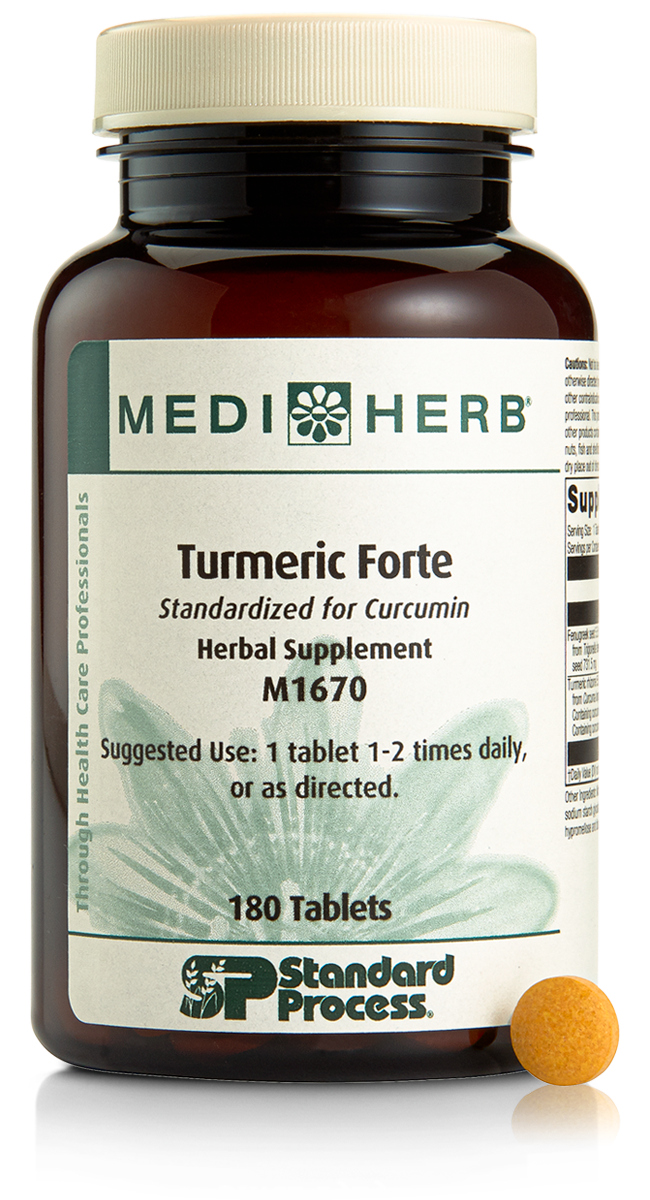
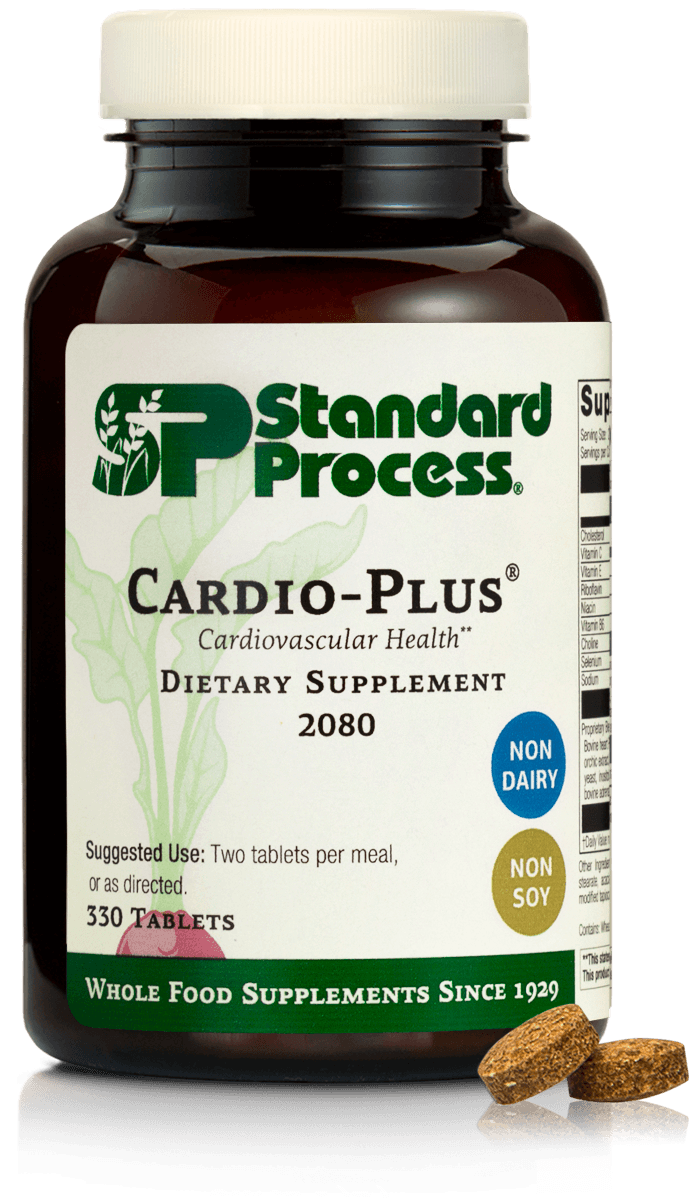
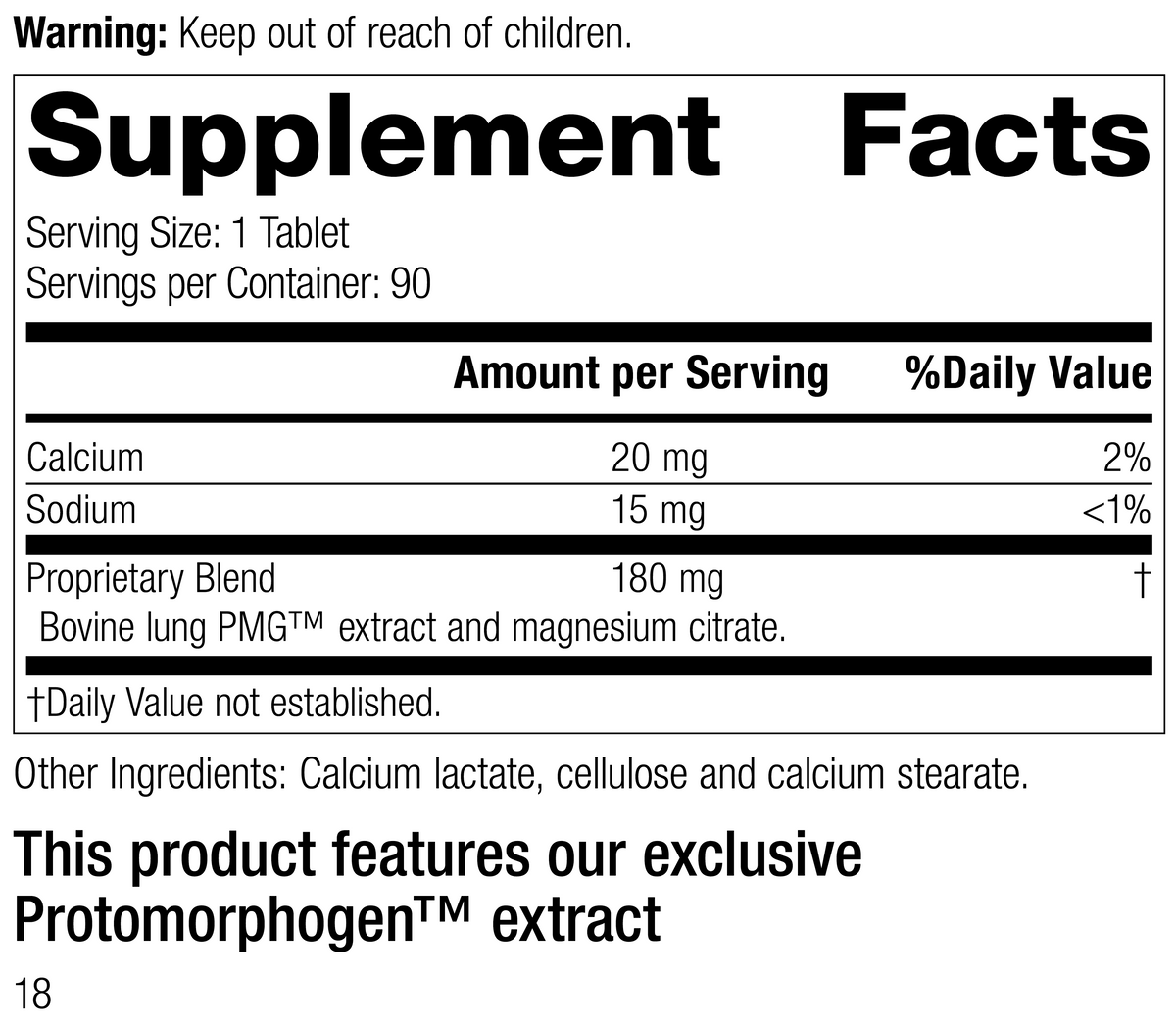
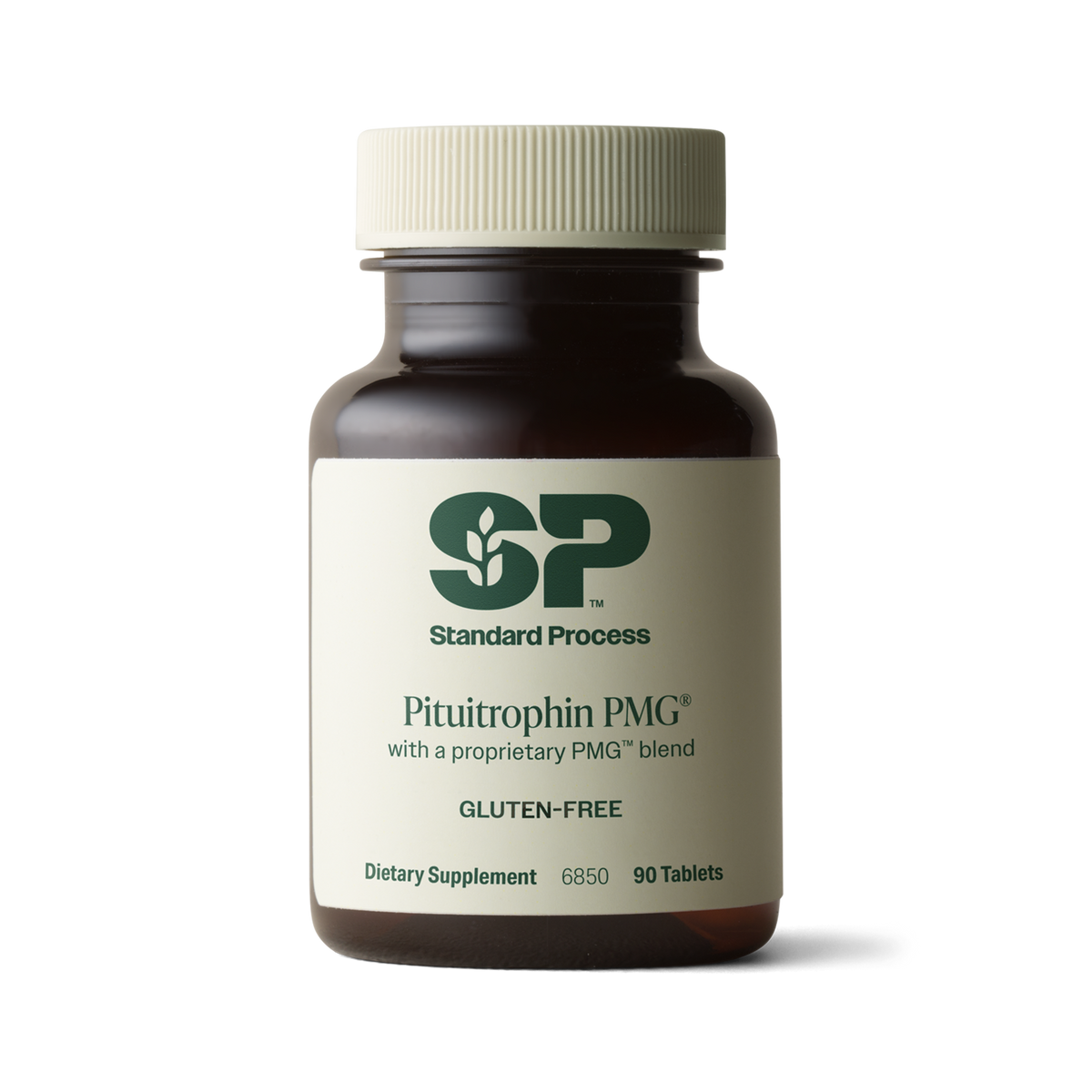
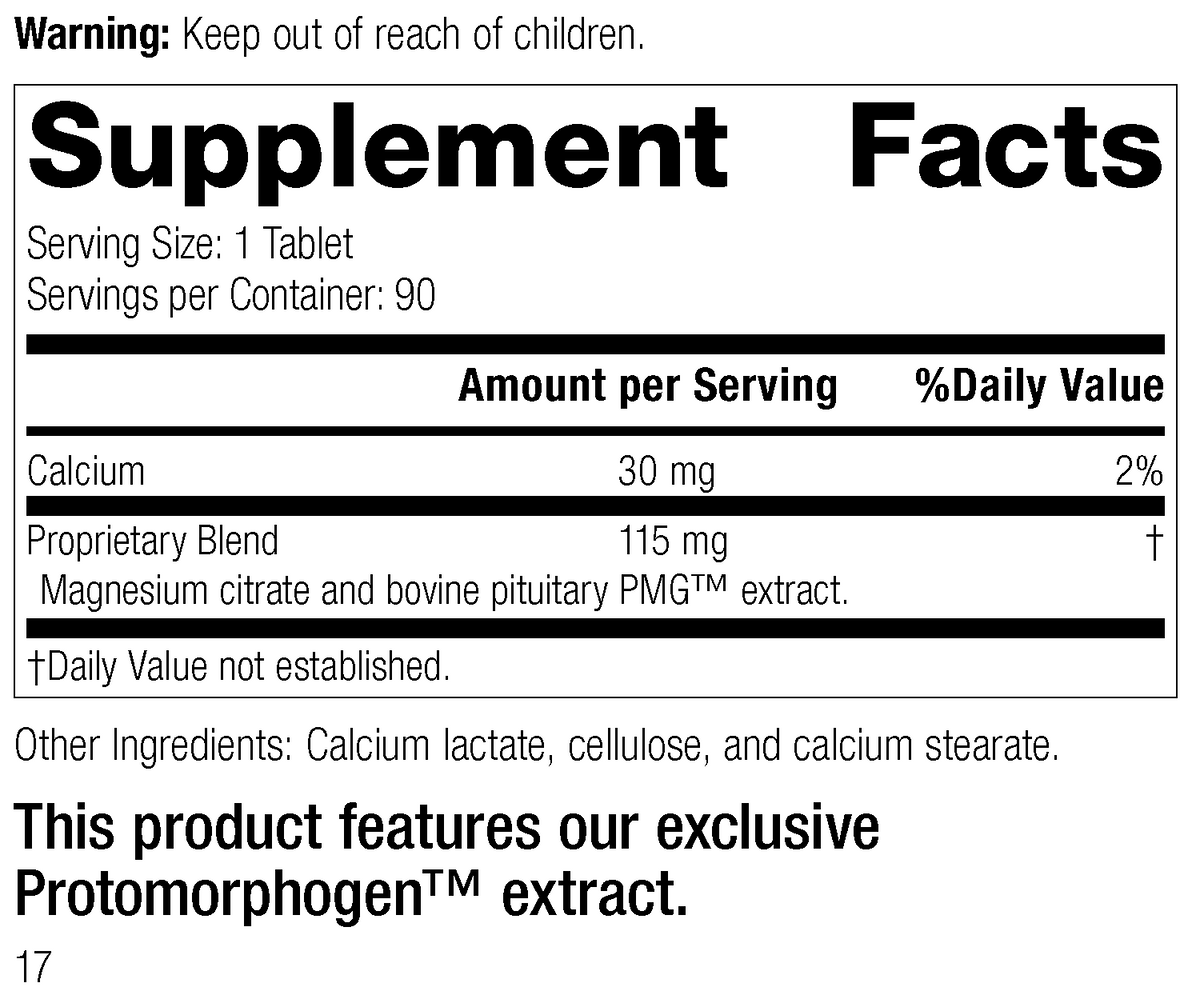
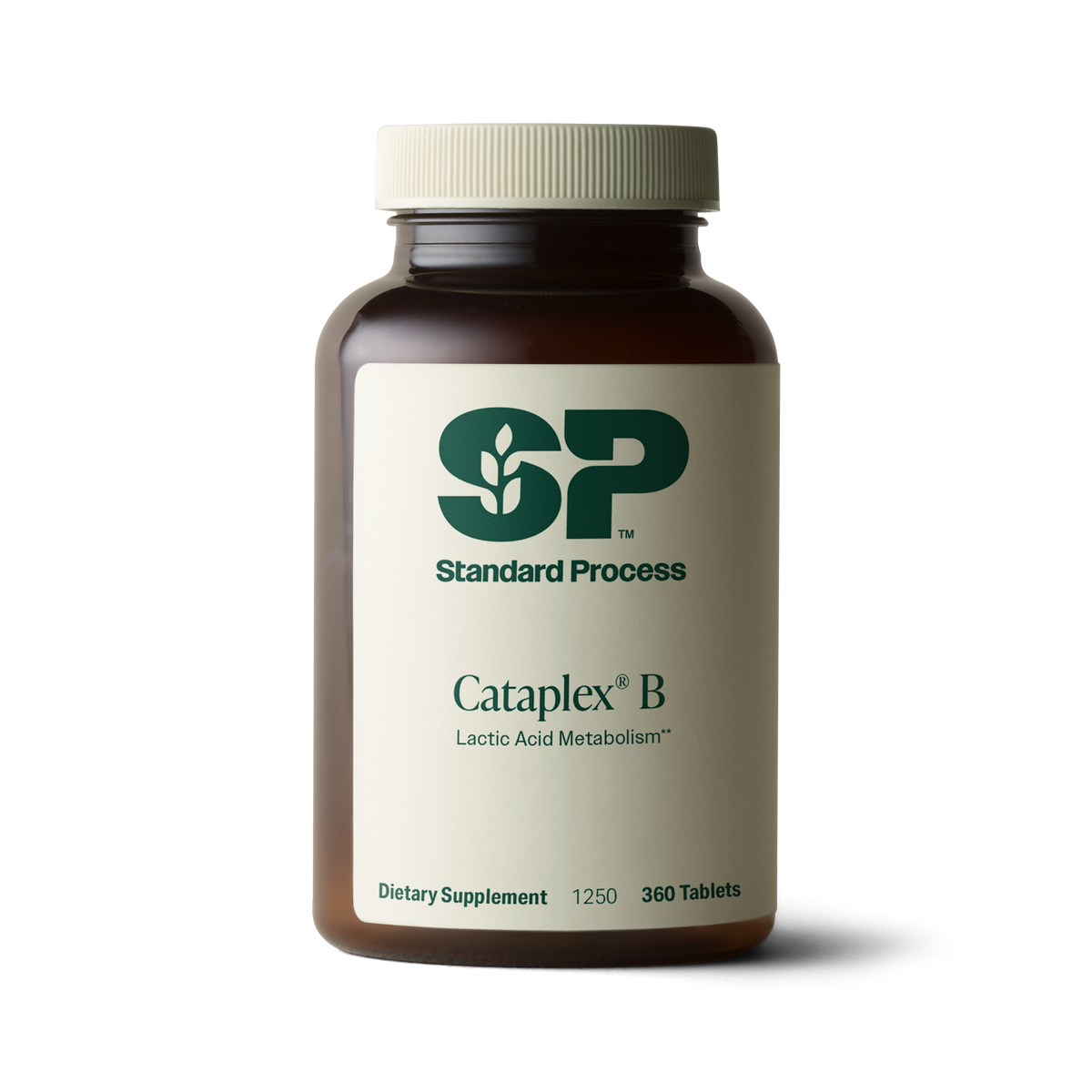
Supplement labels can look similar while the sourcing, formulation approach, and intended use differ greatly. Health-conscious shoppers often choose whole-food and practitioner-trusted formulas because they want more confidence in what they are using and why. Authorized brands such as Standard Process and MediHerb are commonly used within practitioner-guided wellness routines for that reason.
At Fast Track To Health, personalized guidance can help turn broad health goals into a plan with a clear purpose. A supplement quiz can be a useful first step for organizing your concerns, while a functional medicine consultation offers a deeper conversation when symptoms, medications, complex health history, or lab results are involved.
Guidance is especially valuable if you are pregnant or nursing, preparing for surgery, managing a chronic condition, taking prescription drugs, or considering supplements for a child. Natural does not mean risk-free. Herbs and nutrients can interact with medications, affect blood sugar or blood pressure, and be unsuitable for particular diagnoses.
How to Make Your Plan Sustainable
The most effective supplement routine is usually the one you can remember and afford to maintain. Start with the fewest products needed to address your current priority. Give the routine enough time to evaluate, but do not keep taking something indefinitely just because it is in the cabinet.
Use a weekly pill organizer if it helps, but keep products in their original containers for label reference and storage instructions. Put morning supplements near breakfast, meal-time products where you prepare food, and evening support beside an existing habit such as brushing your teeth. Small environmental cues are often more reliable than willpower.
Track your experience in plain language. You do not need a complicated spreadsheet. Once a week, note your energy, sleep, digestion, stress level, and consistency. This creates useful information for you and your practitioner. It also keeps expectations realistic: wellness support often works gradually, and day-to-day changes can be influenced by sleep, travel, illness, work demands, and food choices.
When to Reassess a Supplement Plan
Revisit a custom plan when your goals change. A plan built for a high-stress season may look different after a job change, a new exercise routine, improved diet, pregnancy, menopause-related changes, or a new diagnosis. New medications are another reason to review every product, including teas, powders, and occasional-use supplements.
Persistent or worsening symptoms deserve medical attention rather than a larger supplement stack. Severe abdominal pain, unexplained weight changes, fainting, chest discomfort, blood in stool, significant mood changes, or symptoms that interfere with daily life should be evaluated promptly by a licensed healthcare professional.
Your plan should feel supportive, not complicated. Start with a clear goal, choose quality formulas that match that goal, take them consistently, and check in on what is actually changing. That steady, informed approach gives your wellness routine room to grow with you.






Leave a comment
This site is protected by hCaptcha and the hCaptcha Privacy Policy and Terms of Service apply.