

A meal that leaves you comfortably satisfied is easy to take for granted. A meal followed by bloating, heaviness, reflux, irregularity, or urgent bathroom trips is harder to ignore. Learning how to support healthy digestion starts with recognizing that digestive comfort is not just about what happens after you eat. It reflects the way your food, daily habits, stress level, hydration, and nutritional needs work together.
Your digestive system does much more than process meals. It helps break food into usable nutrients, supports immune function, helps maintain a balanced gut environment, and communicates closely with the nervous system. That is why a personalized approach is often more useful than chasing a one-size-fits-all solution.
How to Support Healthy Digestion With Food
The basics matter, especially when they are practiced consistently. Whole, minimally processed foods provide the fiber, phytonutrients, and naturally occurring nutrients that help support regular digestive function. Rather than trying to overhaul every meal at once, begin by looking at what you eat most often.
Aim to build meals around vegetables, fruit, quality protein, healthy fats, and fiber-rich carbohydrates you tolerate well. Beans, lentils, oats, berries, leafy greens, sweet potatoes, nuts, seeds, and whole grains can all contribute fiber. Fiber helps support stool regularity and provides nourishment for beneficial gut microbes, but the right amount varies from person to person.
If you currently eat little fiber, adding large amounts overnight may lead to more gas or bloating. Increase it gradually, and drink enough fluids alongside it. For some people, raw vegetables and legumes feel great. For others, cooked vegetables, soups, or smaller servings are more comfortable while their digestion is being supported.
Protein deserves attention, too. Eggs, fish, poultry, meat, tofu, Greek yogurt, and other protein-rich foods can help create satisfying meals and support overall nutritional status. If you regularly skip meals and then eat a very large dinner, try spreading nourishment more evenly across the day. Your digestive system often responds better to a steady rhythm than to extremes.
Slow down at meals
Digestion begins before food reaches the stomach. Seeing, smelling, chewing, and tasting food all help prepare the body for a meal. Eating quickly while driving, working, or scrolling can make it easier to overeat and harder to notice fullness or discomfort.
Try sitting down for at least one meal each day without distractions. Chew thoroughly, take a few breaths before the first bite, and give yourself time to finish. This is a simple practice, but it can be especially meaningful for people whose digestion feels worse during busy or stressful seasons.
Support the Gut-Brain Connection
Many people notice that digestive symptoms increase when life feels demanding. That is not “all in your head.” The digestive tract and nervous system are closely connected. Stress can influence appetite, motility, stomach acid production, and the way the body perceives digestive sensations.
You do not need a perfect stress-management routine to support your gut. A daily walk, a few minutes of slow breathing, a realistic bedtime, or stepping away from work during lunch can be useful starting points. Regular movement may also support bowel regularity and reduce the sluggish, heavy feeling that can follow long periods of sitting.
Sleep belongs in the digestive conversation as well. Inconsistent sleep can affect food choices, appetite signals, and stress resilience. A stable evening routine will not solve every concern, but it gives the body a more reliable foundation for rest and repair.
Hydration and Regularity Matter
Water helps fiber do its job. When fluid intake is low, stools can become harder and more difficult to pass, particularly when you are increasing fiber-rich foods. Your hydration needs depend on body size, activity, climate, medications, and health conditions, so there is no single amount that fits everyone.
Use practical cues instead of forcing excessive water intake. Drink consistently through the day, include fluids with meals, and pay attention to thirst and urine color. If plain water feels difficult, herbal tea, sparkling water, broths, and water-rich foods can help contribute to your total intake.
It can also help to respond to the urge to have a bowel movement rather than routinely delaying it. Establishing a relaxed morning routine, including breakfast and a few unhurried minutes, may support regularity for some people. Avoid treating daily bowel movements as the only marker of digestive health, however. Frequency, ease, stool consistency, and how you feel all provide useful context.
Consider Targeted Digestive Support
Food and routine are foundational, but targeted nutritional support can be appropriate when symptoms, dietary restrictions, travel, stress, or health goals create additional needs. This is where quality and guidance matter. A practitioner-trusted formula should be selected for a clear reason, not added to an already crowded supplement cabinet without a plan.
Probiotics, enzymes, and fiber are not interchangeable
Probiotic formulas are designed to support the gut microbiome, but strains and amounts vary widely. Some people do well with a probiotic, while others may initially notice gas or changes in bowel habits. The best choice depends on your history, tolerance, and goals.
Digestive enzyme formulas may be considered for people who experience discomfort after particular foods or who need support with the breakdown of proteins, fats, or carbohydrates. They are not a substitute for addressing persistent symptoms, eating in a way that supports your body, or evaluating potential food sensitivities with qualified guidance.
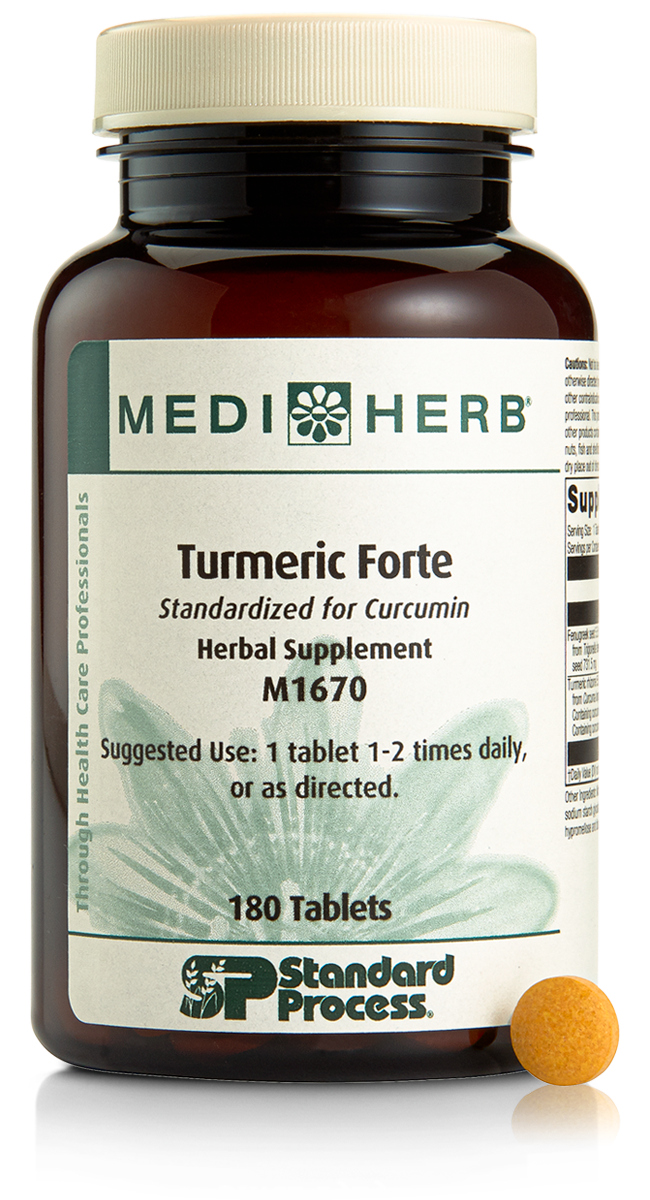
Fiber supplements can be helpful when food intake alone does not provide enough fiber, but they should be introduced slowly and paired with fluids. Certain fibers may be better tolerated than others, particularly for people prone to bloating or irregularity. Herbal formulas can also play a role in a personalized protocol, yet they may not be appropriate during pregnancy, while nursing, or alongside certain medications.
At Fast Track To Health, practitioner-guided support can help take the guesswork out of choosing whole-food and professional-grade formulas. A personalized supplement plan is especially valuable when you have several symptoms, use medications, or have tried multiple products without clear results.
Notice Patterns Without Over-Restricting
A food and symptom journal can reveal useful clues. For one or two weeks, note meal timing, foods, beverages, stress level, sleep, bowel patterns, and symptoms such as bloating or reflux. The goal is not to become overly focused on every bite. It is to identify repeatable patterns you can discuss with a qualified practitioner.
Be cautious about eliminating many foods at once. Broad restriction can make meals more stressful and may reduce intake of valuable nutrients and fiber. If you suspect a specific food is contributing to symptoms, a structured and time-limited approach with professional guidance is usually more informative than long-term self-restriction.
The same principle applies to popular “gut cleanses.” Severe cleanses, laxative-heavy products, and extreme fasting plans can worsen dehydration, disrupt regular eating patterns, and create more digestive discomfort. Gentle, consistent support is usually the more sustainable choice.
When Digestive Symptoms Need Medical Care
Occasional digestive changes are common, especially after travel, illness, dietary changes, or periods of stress. Persistent or worsening symptoms deserve attention. Talk with a licensed healthcare professional if you have ongoing pain, unexplained weight loss, blood in the stool, black stools, vomiting, difficulty swallowing, fever, anemia, severe constipation, or diarrhea that does not resolve.
Supplements can be valuable tools, but they do not replace medical evaluation. This is particularly important if you have been diagnosed with a digestive condition, take prescription medications, are pregnant or nursing, or are considering supplements for a child.
Healthy digestion is built through small signals of care repeated daily: a nourishing breakfast, a glass of water, a slower meal, a walk after dinner, or guidance that matches your individual needs. Start with one change you can maintain, pay attention to how your body responds, and let that information guide your next step.







Leave a comment
This site is protected by hCaptcha and the hCaptcha Privacy Policy and Terms of Service apply.