

A $12 bottle of vitamins and a practitioner-recommended formula can both promise “support,” yet the experience may be very different. So, are practitioner grade supplements worth it? For many people, the answer is yes when the product is chosen for a clear purpose, made by a trusted manufacturer, and used as part of a thoughtful wellness plan rather than a guess-and-check routine.
The higher price is not automatically proof of a better supplement. But practitioner-grade products can offer meaningful value through formula quality, ingredient sourcing, testing standards, and access to personalized guidance. The key is knowing what you are paying for and whether it fits your needs.
What does practitioner grade actually mean?
“Practitioner grade” is a commonly used industry term, not a formal FDA category or a guarantee that one product will work for every person. It generally describes supplements developed for recommendation by health professionals, including functional medicine practitioners, chiropractors, naturopathic doctors, and nutrition-focused clinicians.
These formulas are often designed with a more targeted use in mind. Rather than a broad, one-size-fits-all multivitamin, a practitioner may recommend nutritional support for stress resilience, digestive function, immune health, cardiovascular wellness, hormone balance, or a specific nutrient need identified through your health history and lifestyle.
Reputable practitioner brands may also place greater emphasis on raw-material standards, formulation rationale, manufacturing oversight, and quality testing. Whole-food-based formulas, herbal combinations, and carefully selected nutrient forms can be especially appealing to people who want a more intentional approach than picking a bottle off a crowded retail shelf.
That said, the label still matters. A professional channel alone does not eliminate the need to review ingredients, serving size, possible allergens, medication interactions, and the intended purpose of the product.
Why are practitioner grade supplements more expensive?
The price difference usually comes down to more than branding. Higher-quality sourcing, smaller production runs, specialized forms of nutrients, research-informed formulations, and testing programs can all affect cost. Products made with whole-food ingredients or standardized botanical extracts may also cost more to produce than basic isolated ingredients.
There is also value in the support surrounding the product. When supplements are paired with a practitioner consultation, health questionnaire, or customized plan, you are not just buying capsules or tablets. You are paying for a clearer strategy. That can help prevent a common and expensive habit: collecting half-used bottles that were never a good fit in the first place.
For example, someone managing persistent stress may not need five separate “energy” products. They may benefit more from a focused plan that considers sleep, meals, caffeine intake, digestive health, current medications, and the right type of nutritional support. The right recommendation can be simpler than a shopping cart full of trendy supplements.
When practitioner-grade products can be worth the investment
Practitioner-grade supplements tend to make the most sense when your goals are specific or your health history is more complex. If you are working on digestion, immune resilience, menstrual or menopausal support, cardiovascular wellness, or stress-related concerns, a targeted formula and knowledgeable guidance may be worth more than a generic option.
They can also be a smart choice if you have tried standard supplements without seeing the support you expected. The issue is not always that supplements “do not work.” Sometimes the dose was too low, the nutrient form was not ideal, the formula did not match the goal, or lifestyle factors were working against your efforts.
Quality matters even more for botanicals and combination formulas. Herbs can vary widely in potency and purity, and blends can be difficult to evaluate when labels hide behind vague proprietary amounts. A transparent formula from a trusted manufacturer gives you a better basis for an informed decision.
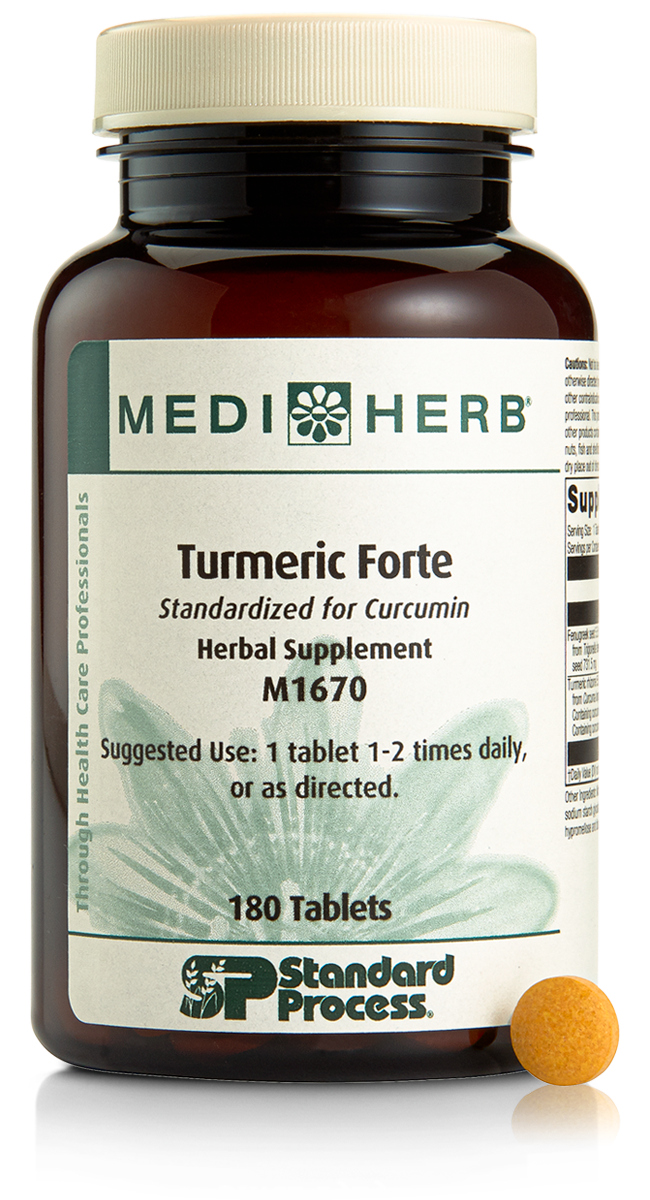
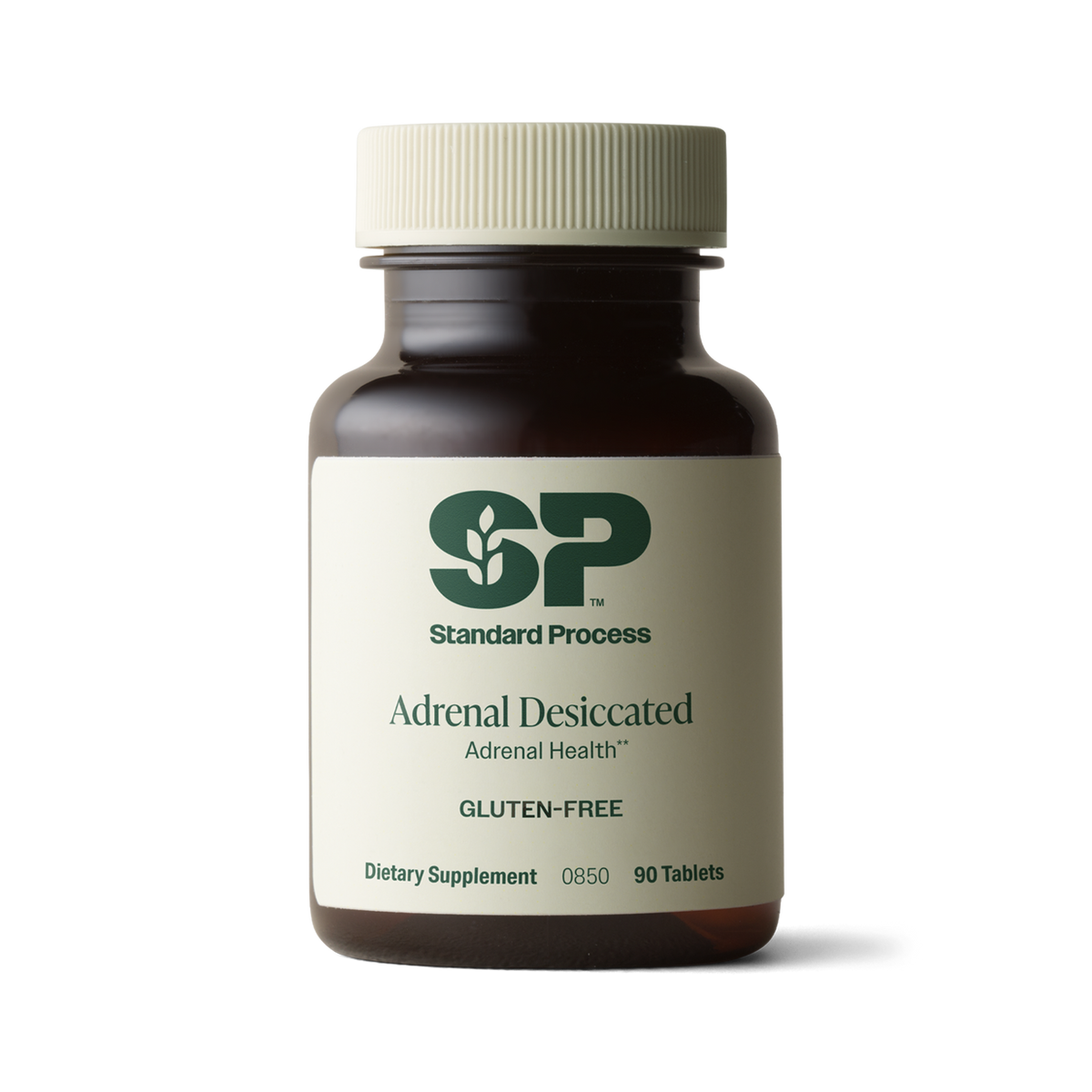
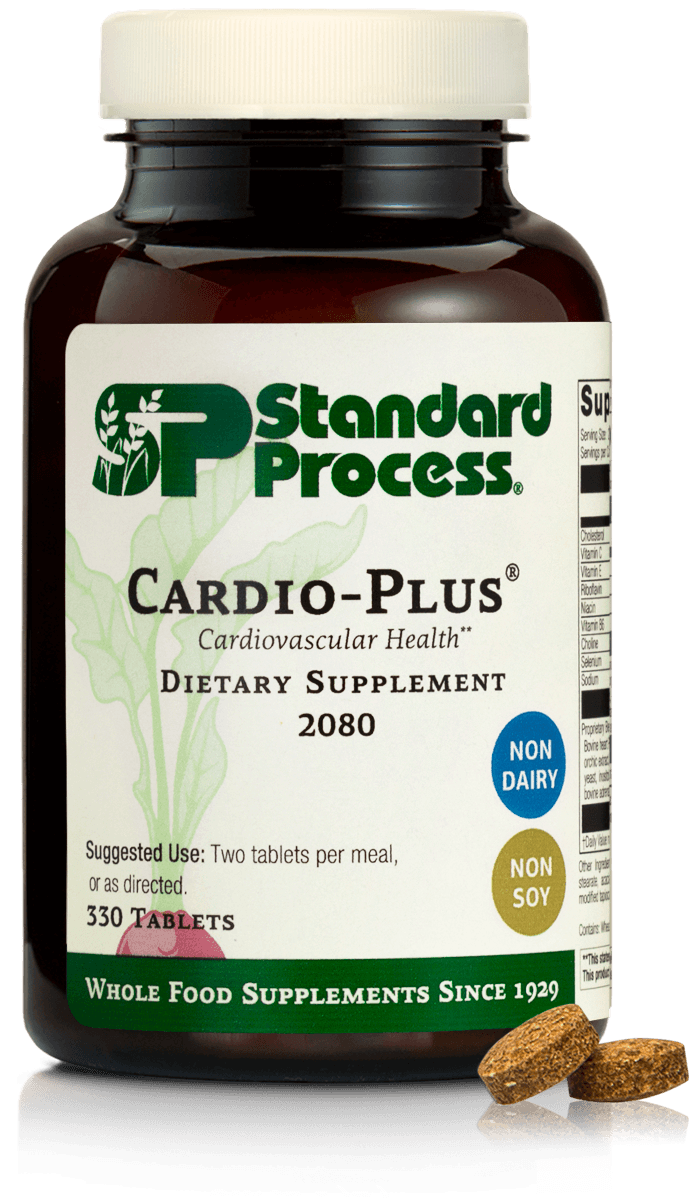
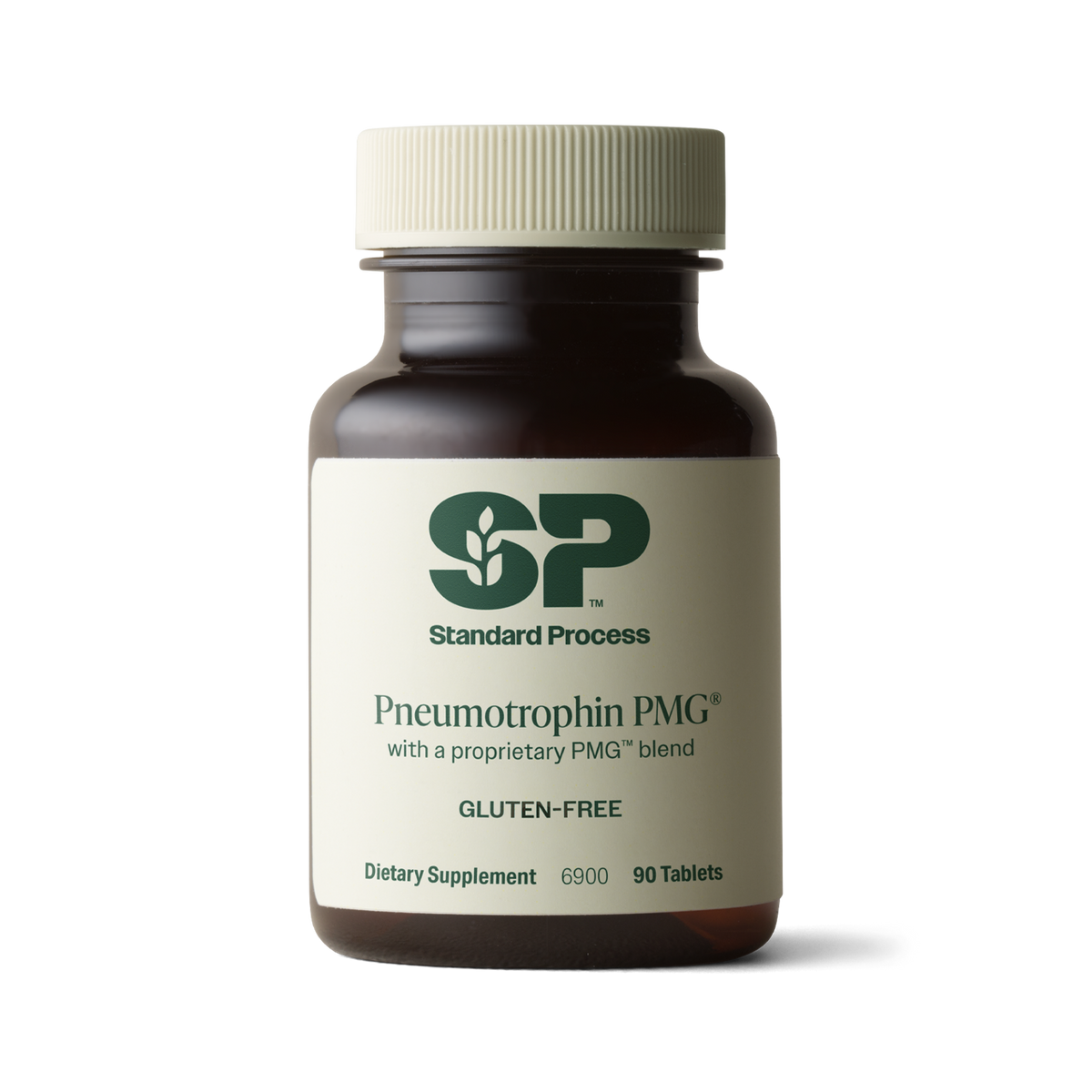
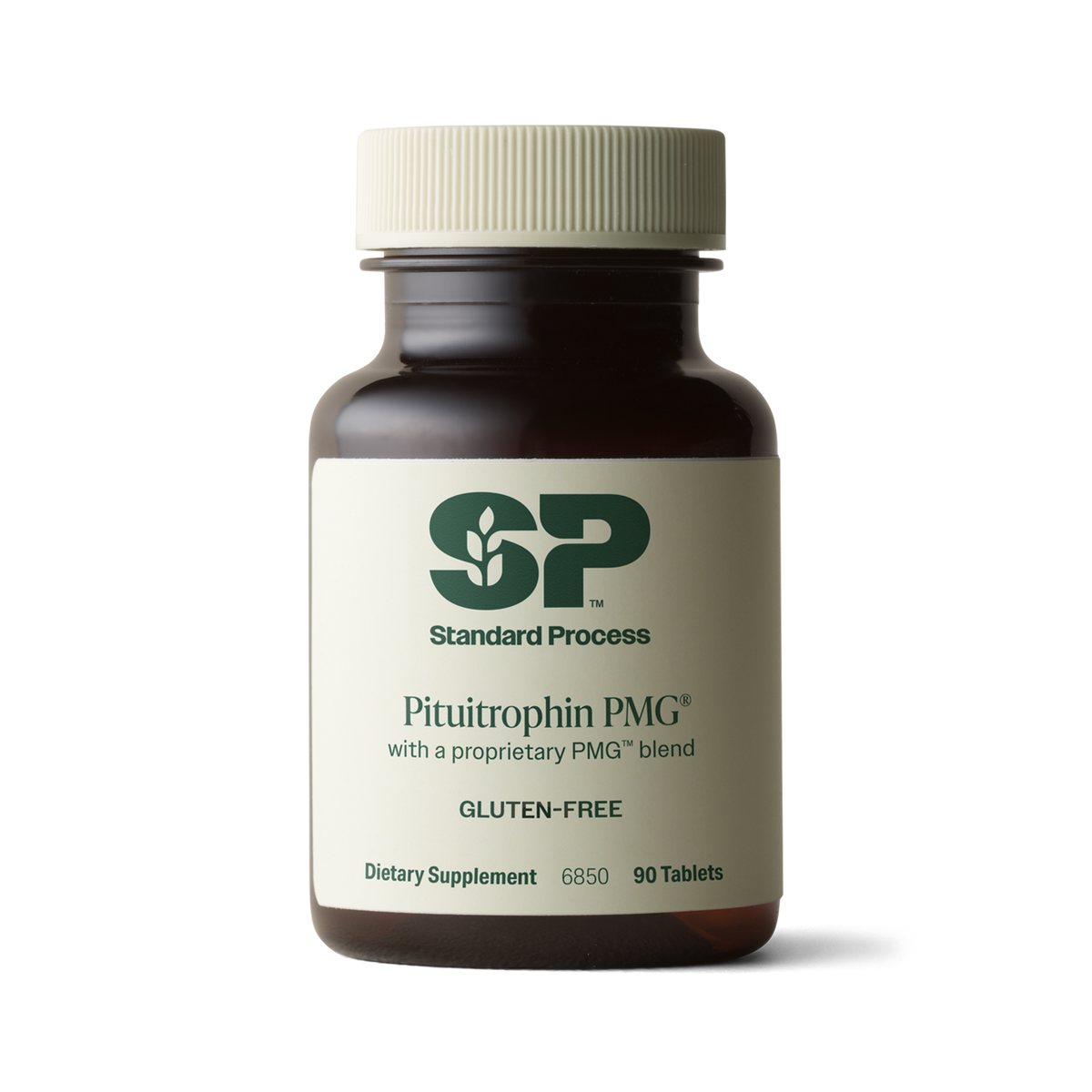
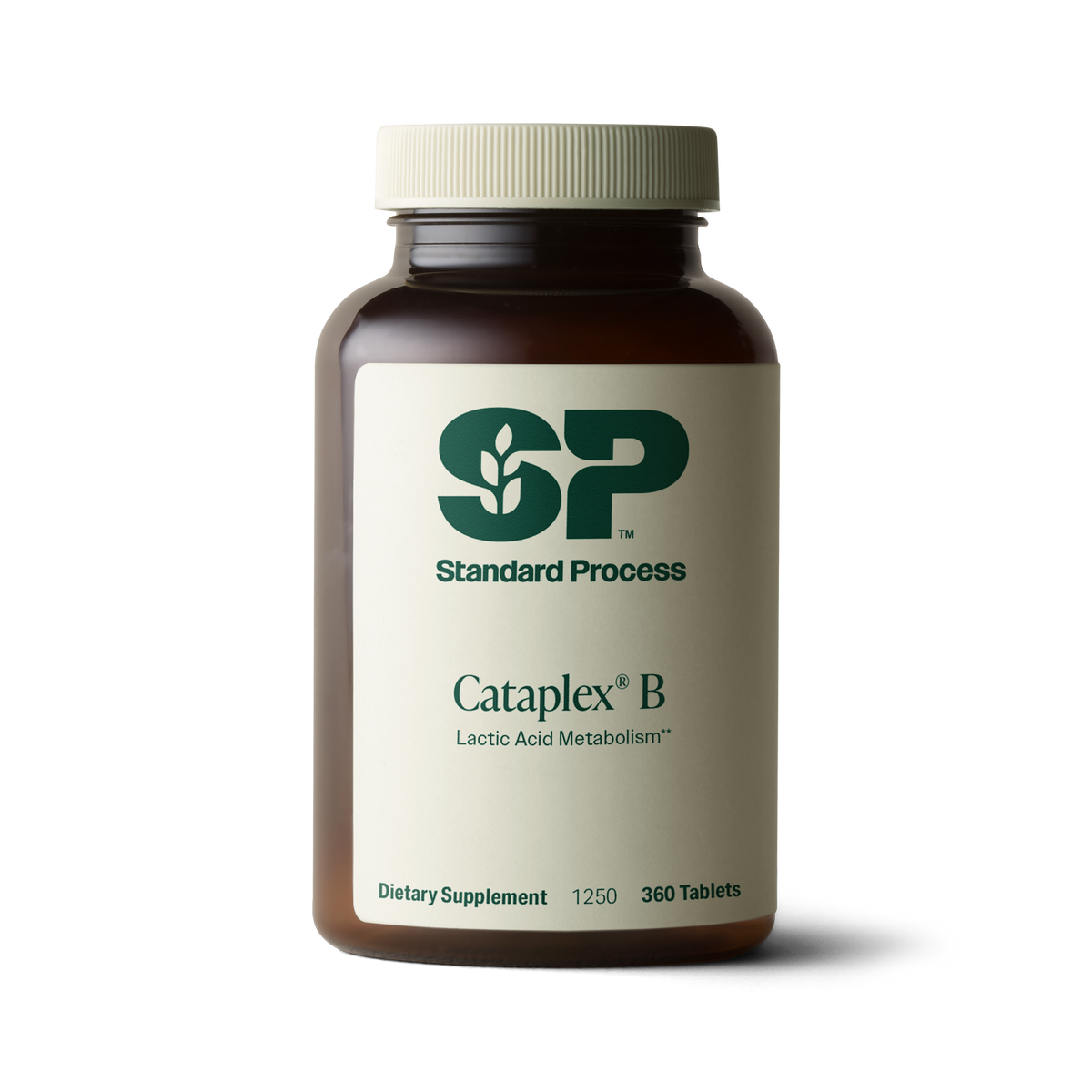
Practitioner-grade options may be particularly valuable for people who want whole-food-based nutritional support. Brands such as Standard Process and MediHerb are widely trusted by practitioners for formulas that are designed with a foundational, systems-based view of wellness. At Fast Track To Health, authorized products and practitioner-led support help customers move from uncertainty toward a plan that makes sense for their goals.
When a basic supplement may be enough
Not every wellness need requires a premium product. A straightforward, third-party-tested supplement may be perfectly appropriate for a simple, well-understood need, particularly if your clinician has recommended a specific nutrient and dose.
A basic vitamin D product, for instance, may be sufficient for some adults depending on their lab results, diet, sun exposure, and practitioner’s advice. The same can be true for certain single-ingredient nutrients. In these situations, paying more for a complex formula may not add enough benefit to justify the cost.
Budget matters, too. The best supplement routine is one you can use consistently without sacrificing essentials such as nourishing food, sleep, movement, medical care, and stress management. Premium supplements should support a healthy foundation, not replace it.
How to decide whether a formula is worth buying
Start with the outcome you want to support. “I want to feel better” is understandable, but it is too broad to guide a purchase. A clearer goal might be supporting regular digestion during a stressful season, maintaining healthy immune function, or filling a likely nutritional gap in a restricted diet.
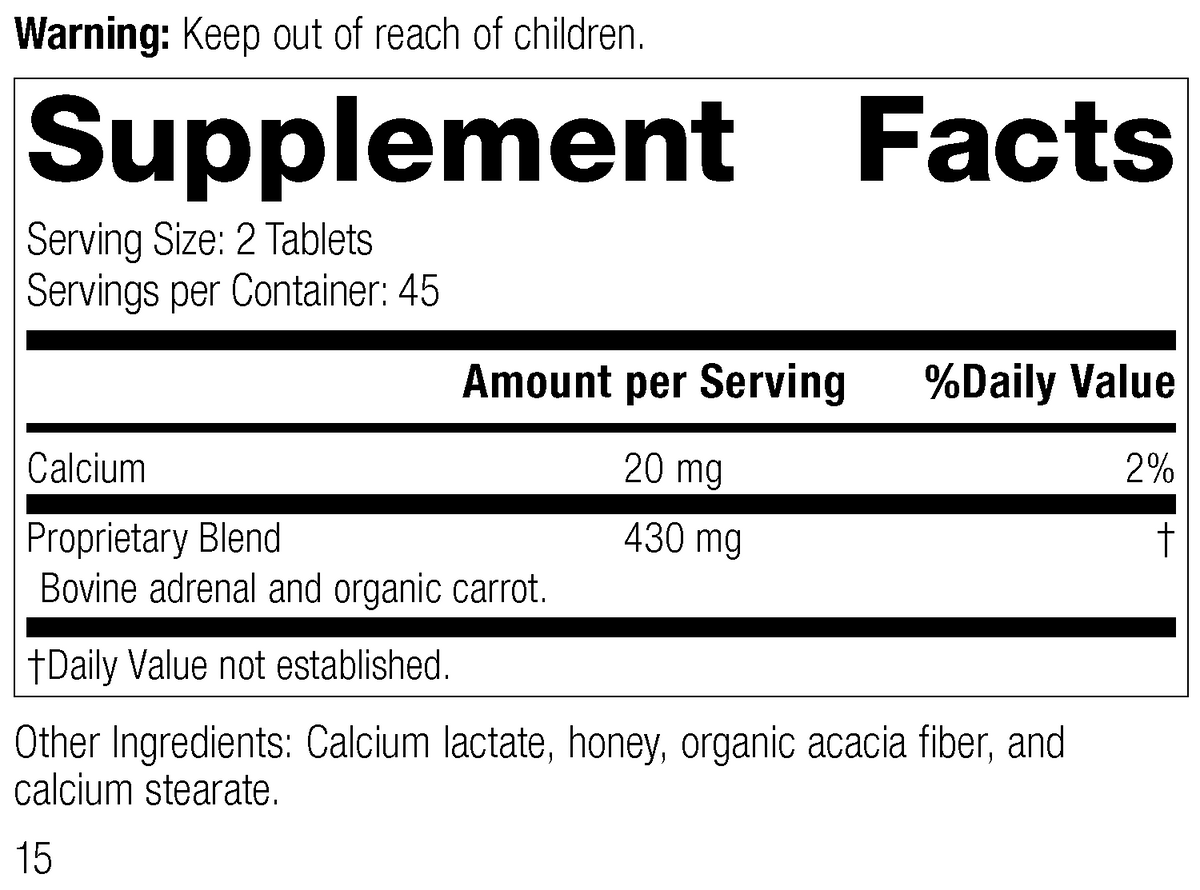
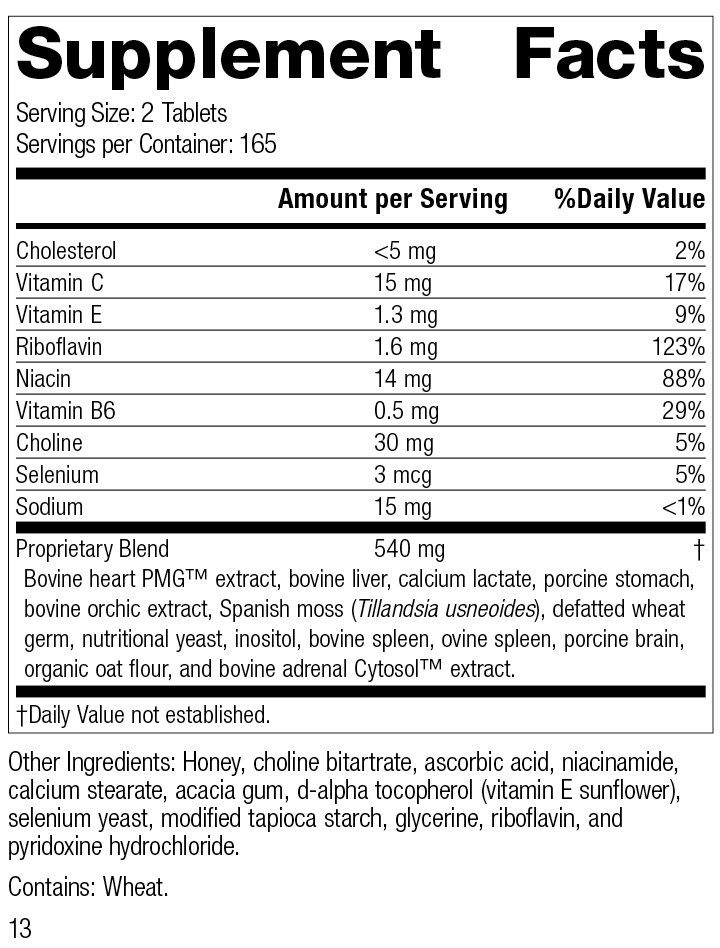
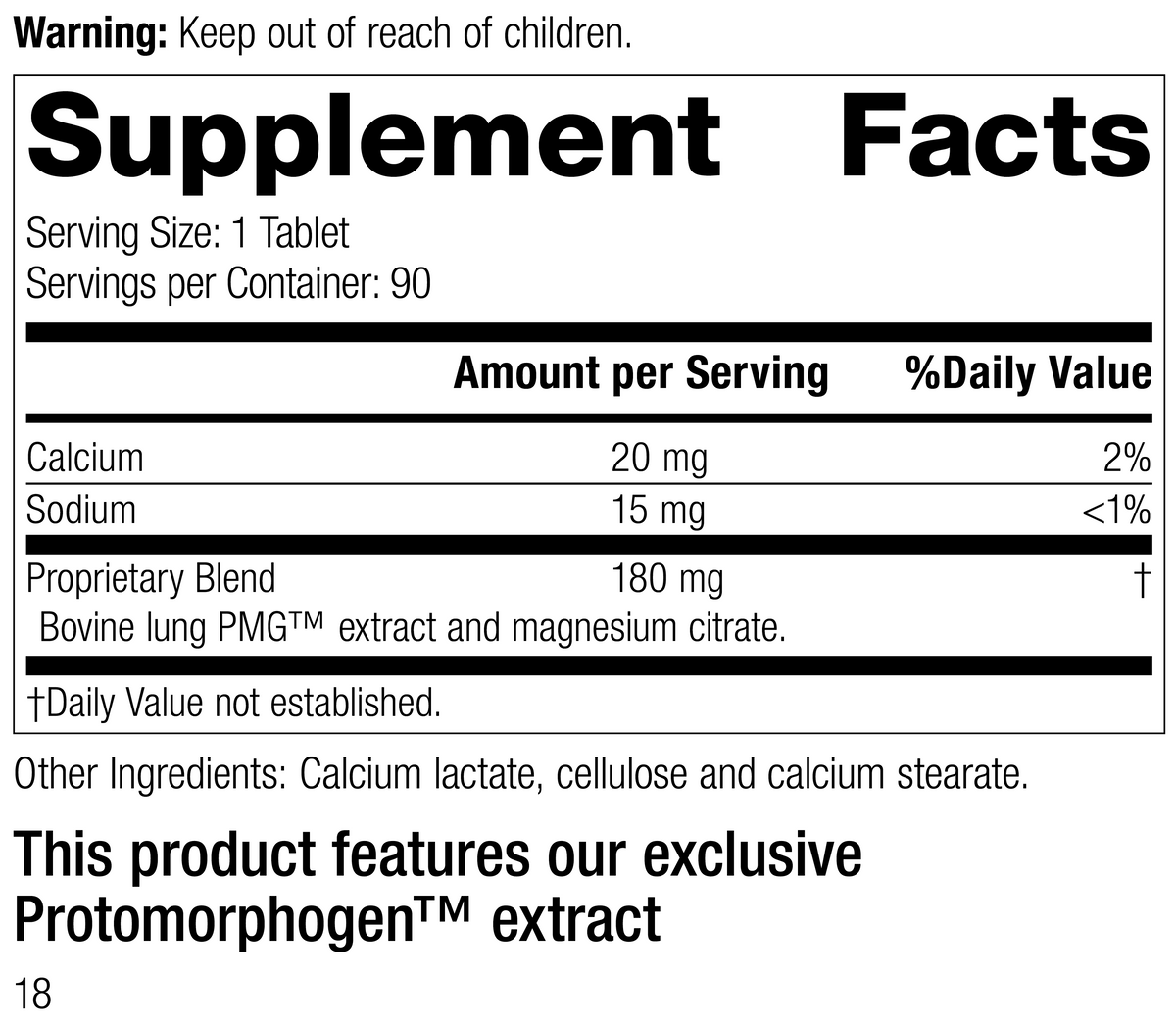
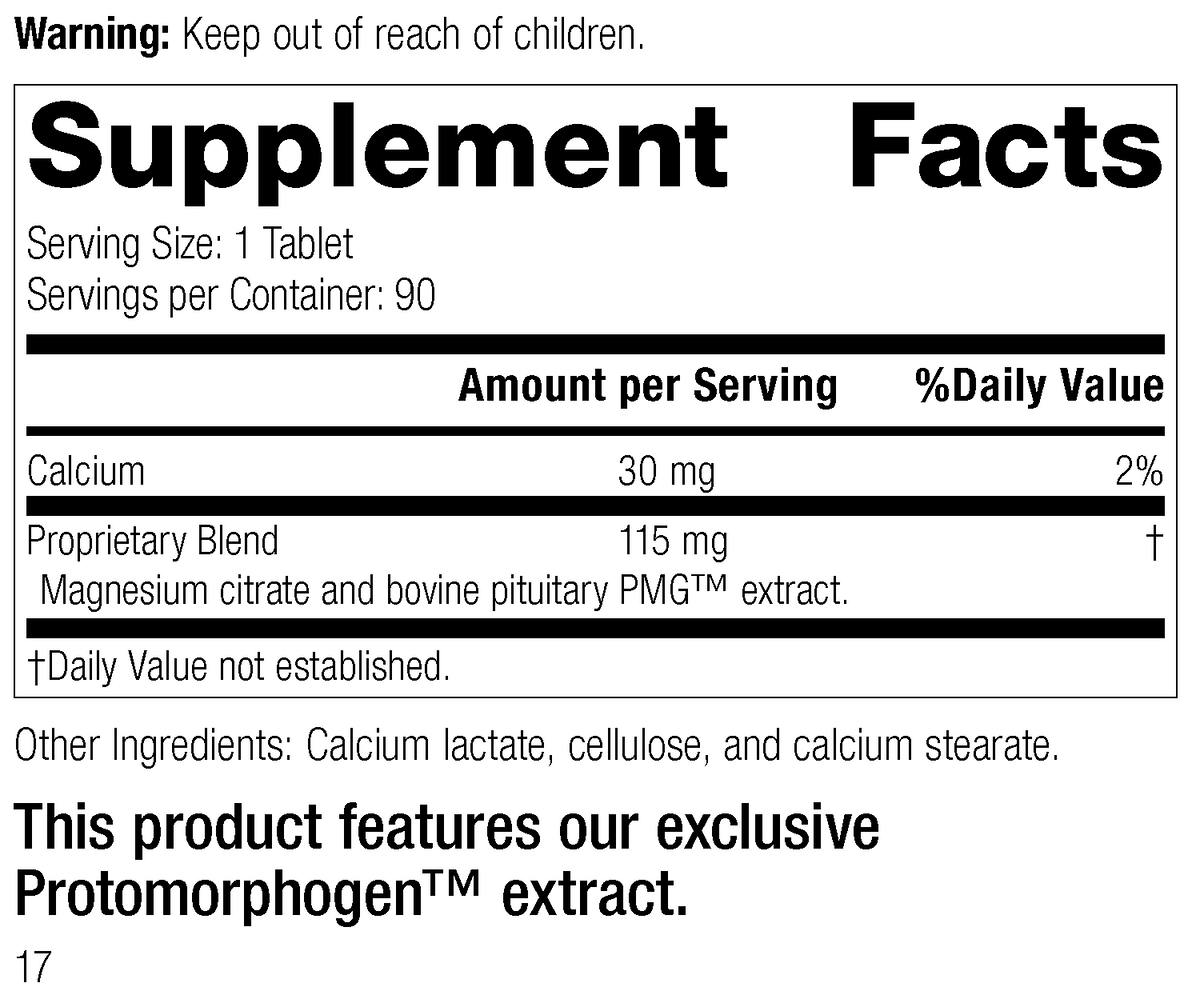
Next, look beyond the front label. Review the Supplement Facts panel, the forms and amounts of active ingredients, and the suggested use. Be cautious with products that make dramatic promises, rely on vague blends, or suggest they can diagnose, treat, cure, or prevent disease. Dietary supplements are intended to support health, not replace medical care.
It is also wise to ask whether the formula fits your circumstances. Pregnancy, breastfeeding, surgery, chronic conditions, and prescription medications can all change what is appropriate. Even natural ingredients can have meaningful effects or interactions. A qualified practitioner or pharmacist can help you make a safer choice.
Finally, consider the manufacturer’s reputation. Look for clear labeling, quality-focused manufacturing practices, accessible product information, and a history of practitioner trust. Authorized purchasing matters because it helps protect product integrity and ensures you receive products handled through the intended supply chain.
A better question than “Is it the best?”
Instead of asking whether a practitioner-grade supplement is universally better, ask whether it is better for your current goal. The most impressive formula is not automatically the right one if it duplicates what you already take, includes ingredients you do not need, or does not fit your routine.
A useful plan is usually focused. Start with the most relevant support, use it consistently as directed, and pay attention to changes over time. If you are working with a practitioner, bring your full supplement list to each visit so recommendations can be adjusted as your needs change.
Are practitioner grade supplements worth it for long-term wellness?
They can be, especially when they help you build a sustainable, personalized routine. Long-term wellness is rarely about finding one life-changing bottle. It is about making informed choices repeatedly: eating well most of the time, managing stress, sleeping enough, moving your body, staying connected to appropriate medical care, and using supplements strategically.
For customers who value whole-food formulas, established practitioner brands, and guidance that is more personal than an online review, practitioner-grade supplements can be a worthwhile investment. For someone with a simple need and a limited budget, a carefully selected basic product may be the smarter choice.
The goal is not to buy the most expensive supplement. It is to choose support you understand, trust, and can use consistently as part of a plan built for your health.





Leave a comment
This site is protected by hCaptcha and the hCaptcha Privacy Policy and Terms of Service apply.