

You can stand in front of a wall of supplements for ten minutes and still leave with the same question: what is the best whole food supplement? The honest answer is that the best option is not the one with the loudest label or the longest ingredient list. It is the one made from meaningful food-based ingredients, produced by a brand you can trust, and matched to your actual health needs.
That last part matters more than most people realize. A whole food supplement that supports digestion will not necessarily be the best choice for stress, hormone balance, or immune resilience. If you want results you can feel, the real goal is not chasing a trendy product. It is choosing a formula that fits your body, your symptoms, and your long-term health plan.
What is the best whole food supplement for most people?
For most adults, there is no single best whole food supplement across the board. A better question is whether the product delivers nutrients in a food-based form, uses quality sourcing, avoids unnecessary fillers, and supports a specific need.
A strong whole food supplement should start with ingredients derived from real foods and concentrates, not just isolated synthetic vitamins dressed up with marketing language. It should also come from a company with a serious quality standard. In the practitioner space, that often means brands known for consistent manufacturing, transparent formulations, and a long history of clinical use.
If you are looking for a general rule, the best whole food supplement is one that checks three boxes. First, it gives your body nutrients in a form it recognizes well. Second, it is targeted enough to address a real concern. Third, it comes from a practitioner-trusted source rather than a mass-market brand built mainly around advertising.
What makes a whole food supplement different?
Whole food supplements are designed to provide nutrients from concentrated food sources, organ extracts, plant materials, and other naturally derived ingredients rather than relying only on isolated lab-made compounds. That does not automatically make every whole food formula superior, but it does change how the product is built.
Many people choose this category because they want nutritional support that feels closer to food and less like a synthetic shortcut. In functional and holistic wellness, that approach often appeals to adults dealing with ongoing stress, low energy, digestive issues, hormone shifts, or recovery after periods of poor nutrition.
Still, there are trade-offs. Whole food supplements are not magic, and they are not always the highest-dose option on the shelf. If someone needs aggressive repletion of a specific nutrient, a targeted isolated nutrient may sometimes be appropriate. But for foundational support and long-term wellness, many people do well with a carefully selected whole food formula.
How to tell if a whole food supplement is actually high quality
The phrase whole food gets used loosely, so it helps to know what separates a gold standard formula from a weak one. A quality product usually has a clear purpose. It is not trying to solve everything at once. Instead, it supports one area well, whether that is immune health, adrenal balance, digestion, liver support, or cardiovascular wellness.
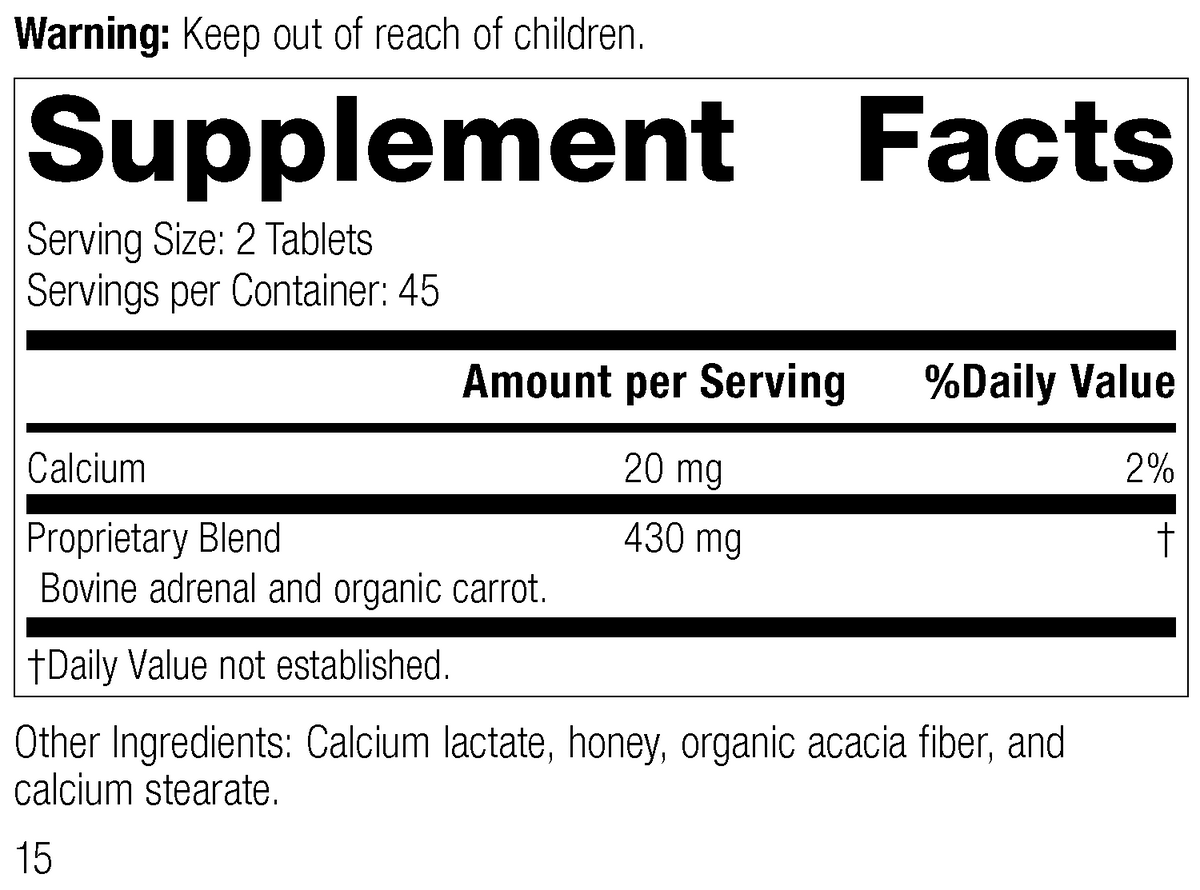
It should also have an ingredient panel that makes sense. If the formula includes recognizable food concentrates, botanical support, and synergistic nutrients, that is a good sign. If it leans heavily on vague blends and marketing claims without substance, be cautious.
Manufacturing standards matter just as much as ingredients. Practitioner-trusted brands have earned loyalty because they tend to prioritize sourcing, consistency, and clinical credibility. That is one reason many health-conscious shoppers move away from bargain-bin supplements and toward brands used in functional medicine and integrative care settings.
The final quality test is how well the product fits the person taking it. The best supplement on paper can still be the wrong one for you.
The best whole food supplement depends on your health goal
If your energy is dragging, your digestion feels off, or your stress response is running high, your body is giving you clues. Matching the formula to the concern is where whole food supplementation becomes more useful and more personalized.
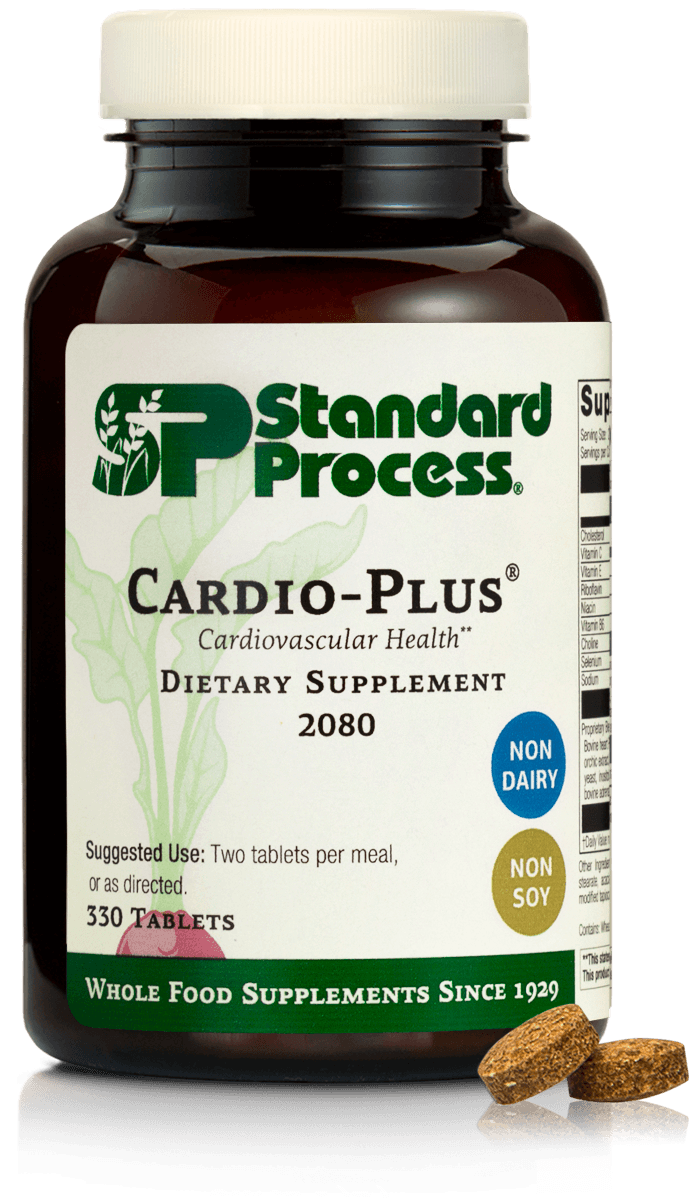
For daily nutritional support, some people benefit most from a broad foundational formula that covers common nutrient gaps with food-based ingredients. This can be a smart place to start if your diet is inconsistent, you are under stress, or you want a stronger baseline before adding more targeted products.
For digestion, a whole food supplement may include support for stomach function, intestinal health, and nutrient absorption. This category is often overlooked, yet it can affect everything from energy to immune resilience.
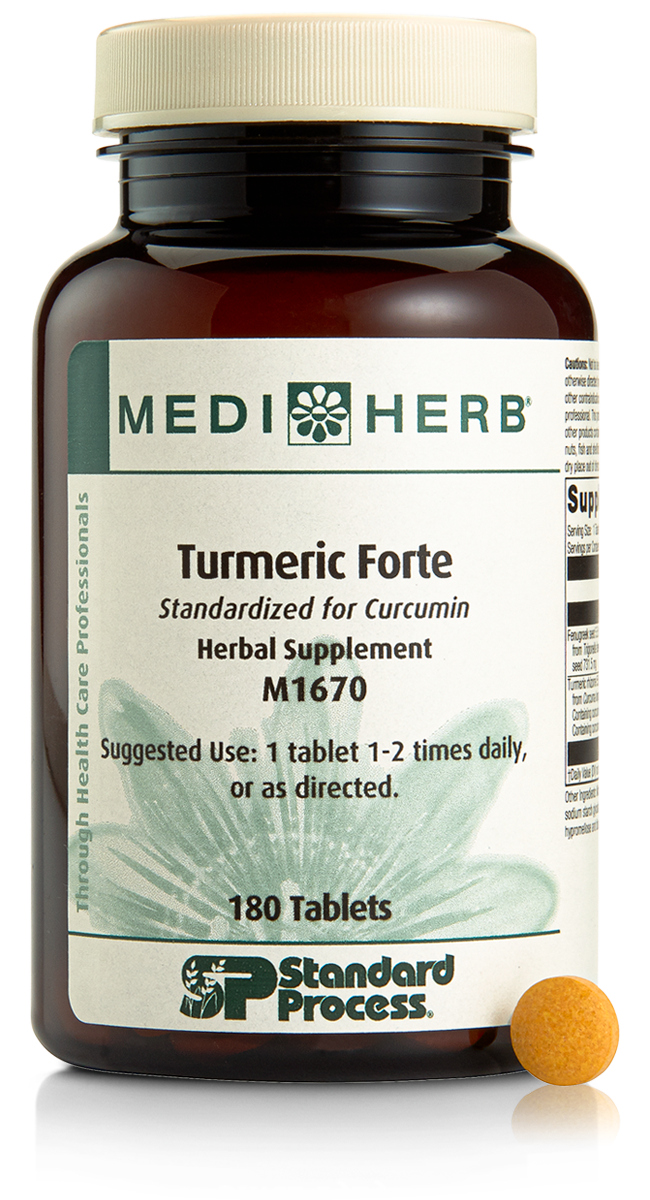
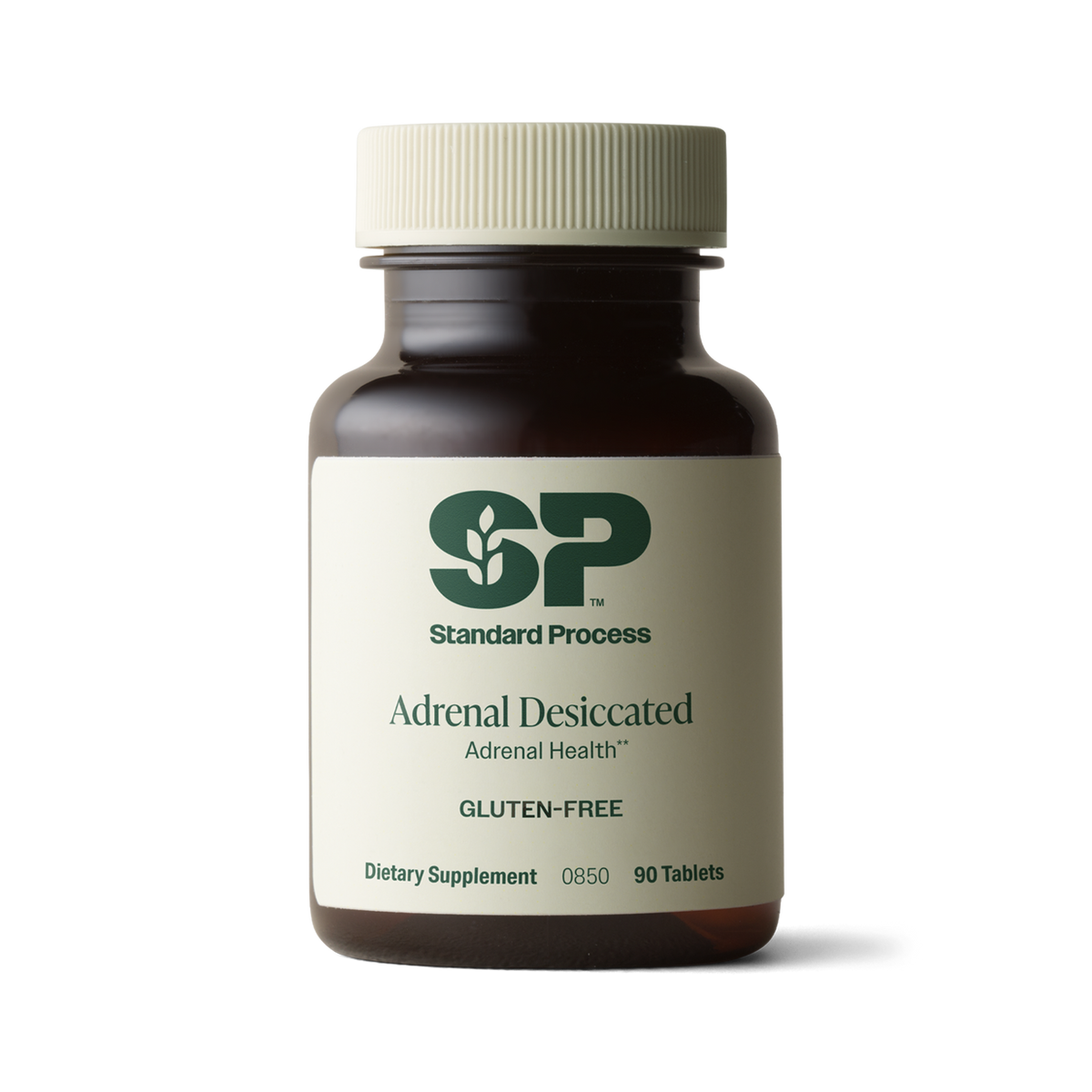
For stress and adrenal support, the best formula may lean into glandular, botanical, or food-based nutrients that help the body adapt rather than simply masking fatigue. That distinction matters. If you are wired and tired, a generic multivitamin may not move the needle much.
For hormone and endocrine balance, especially for women navigating cycle changes, perimenopause, or chronic stress, targeted whole food formulas can be far more relevant than a one-size-fits-all product. In these situations, personalized guidance is often worth it.
For immune and seasonal support, some whole food supplements combine nutrient density with herbal ingredients for a more complete strategy. Again, the best choice depends on whether you want everyday support or help during a more acute challenge.
What to avoid when choosing a whole food supplement
A product can look clean and natural while still being underwhelming. One red flag is a formula that uses whole food language but gives no real detail about the ingredients or their purpose. Another is a supplement that tries to address every possible concern in one bottle. Broad claims usually mean watered-down support.
You should also be careful with products chosen only because they are popular online. Wellness trends move fast, but your body usually benefits more from consistency than hype. A supplement that works well for a fitness influencer may not be the right fit for someone dealing with digestive distress, hormone shifts, or chronic stress load.
Price alone can mislead people too. The cheapest option may cut corners, but the most expensive one is not always better. What matters is formulation quality, brand integrity, and clinical usefulness.
Should you choose one supplement or a personalized plan?
This is where many shoppers get stuck. They want one answer, one bottle, and one quick fix. But if you have more than one concern, a personalized plan often makes more sense than trying to force everything into a single supplement.
For example, someone with low energy might actually need support for digestion, blood sugar balance, and stress response. Someone focused on skin or hair may be dealing with deeper nutrient absorption issues. In those cases, the best whole food supplement might be part of the answer, but not the entire strategy.
That is why practitioner-guided wellness has become more valuable. Instead of guessing, you can narrow in on what your body is asking for. Fast Track To Health serves people who want more than generic shelf advice, especially those looking for practitioner-trusted formulas and a clearer path forward.
What is the best whole food supplement if you are just starting?
If you are new to supplements, start simple. Choose a foundational whole food formula from a trusted practitioner-grade brand and use it consistently before layering on more products. This approach helps you notice how you feel and reduces the confusion that comes from starting five things at once.
If you already know your main concern, start there instead. A targeted digestive formula, stress support product, or immune-support blend may be more helpful than a broad general supplement if your symptoms are specific.
And if you have been trying products without results, that usually means the issue is not that supplements do not work. It often means the match is off. The formula, dose, or category may not fit your current needs.
A better way to answer the question
When people ask what is the best whole food supplement, they are usually asking something deeper. They want to know what they can trust, what will actually help, and how to stop wasting money on products that look good but do very little.
A trustworthy answer is this: the best whole food supplement is the one that is high quality, practitioner trusted, and aligned with your health goal right now. For one person that may be foundational nutritional support. For another it may be stress, hormone, digestive, or immune support.
The smartest move is to choose quality first, then choose relevance. When you do that, supplements stop feeling random and start becoming part of a more confident, more effective wellness routine.
Your body does not need more noise. It needs the right support at the right time.





Leave a comment
This site is protected by hCaptcha and the hCaptcha Privacy Policy and Terms of Service apply.