

That 2 p.m. crash that leaves you staring at your coffee instead of feeling helped by it is often what sends people searching for how to support adrenal fatigue naturally. Usually, they are not looking for a trend. They are looking for relief from feeling wired at night, exhausted in the morning, easily overwhelmed, and not quite like themselves.
The first thing to know is that adrenal fatigue is a popular wellness term, not a formal medical diagnosis. That matters because persistent fatigue, dizziness, sleep issues, anxiety, blood sugar swings, and hormone-related symptoms can overlap with many other concerns, including thyroid imbalance, anemia, nutrient deficiencies, perimenopause, sleep apnea, and chronic stress patterns. If your symptoms are ongoing, getting proper testing and practitioner guidance is the smart place to start.
Still, the body’s stress response absolutely can become strained. Even when lab work does not point to a single dramatic answer, long stretches of stress, poor sleep, under-eating, overtraining, illness, and stimulant dependence can leave your system feeling depleted. Natural support is often about lowering the total burden on the body so it can regulate more effectively.
What people usually mean by adrenal fatigue
Most people using this phrase are describing stress-related burnout with a physical component. They may wake up tired, rely on caffeine to function, feel a second wind late at night, crave salt or sugar, and struggle to recover from daily demands that used to feel manageable.
From a functional wellness perspective, this often points to dysregulation in the stress response rather than one organ simply "failing." Cortisol rhythm, blood sugar balance, inflammation, nutrient status, and nervous system load all play a role. That is why quick fixes rarely work well. If your body has been under pressure for months or years, support needs to be steady and layered.
How to support adrenal fatigue naturally starts with sleep
If there is one place to focus first, it is sleep. Many people try to supplement their way out of exhaustion while still going to bed too late, scrolling under bright light, or pushing through a second work shift at home. The body does not adapt well to that for long.
Aim for a consistent sleep and wake time, even on weekends. This is more effective than trying to "catch up" with random extra sleep. Keep the hour before bed quiet and dim. A late intense workout, heavy meal, or emotionally activating screen time can keep cortisol elevated when it should be tapering down.
If falling asleep is easy but staying asleep is the issue, blood sugar and stress hormones may be involved. Waking between 2 and 4 a.m. can happen when the body perceives stress and pushes out cortisol to compensate. In that case, your daytime habits matter just as much as your bedtime routine.
Eat in a way that steadies your system
One of the most overlooked answers to how to support adrenal fatigue naturally is simply eating enough, and eating regularly. Many health-conscious adults unintentionally under-fuel themselves. They skip breakfast, eat lightly all day, power through on caffeine, then overeat at night. That pattern can aggravate fatigue, irritability, and hormone stress.
Start with balanced meals that include protein, healthy fats, and fiber-rich carbohydrates. This supports steadier blood sugar, which in turn reduces the stress signal your body has to manage. For some people, especially those feeling shaky, anxious, or depleted, a protein-forward breakfast within an hour or two of waking can be a game changer.
This does not mean every person needs the same diet. Some do well with three structured meals. Others feel better with a snack between meals while they stabilize energy. The key is consistency. If your current routine regularly leaves you starving, lightheaded, or craving sugar by late afternoon, that is useful feedback.
Hydration matters too. Fatigue can feel worse when fluid intake is low, and some people under chronic stress feel better when they are also mindful of electrolyte balance. That is especially true if you sweat heavily, drink a lot of coffee, or tend to feel dizzy when standing.
Be careful with caffeine and high-intensity exercise
Many people with stress-related exhaustion are held together by stimulants. There is no judgment in that, but it can become part of the cycle. If you are drinking coffee to get going, then using more to push through the afternoon, then struggling to sleep, your body never gets a clean chance to reset.
You do not always need to quit caffeine overnight. For some people, that creates headaches and adds more stress. A better approach is often reducing the amount, delaying it until after food, or replacing one serving with something gentler. The goal is not perfection. The goal is fewer spikes and crashes.
Exercise has a similar trade-off. Movement is excellent for stress regulation, insulin sensitivity, mood, and sleep. But if you are already depleted, daily high-intensity training can push you deeper into the hole. Walking, strength training with adequate recovery, Pilates, yoga, and lower-intensity cardio may be better choices while you rebuild resilience.
Nervous system support is not optional
When people feel exhausted, they often think they need more discipline. Sometimes they actually need more regulation. A body that feels constantly on alert does not shift easily into recovery mode.
This is where simple practices matter more than elaborate routines. A few minutes of slow breathing before meals, morning sunlight exposure, a short walk after dinner, saying no to one extra obligation, or building in real pauses between tasks can all lower stress load. These habits seem small, but they send the body a consistent message of safety.
You do not need a perfect meditation practice for this to help. You need repetition. The nervous system responds to what you do regularly, not what you do once in a while when things get bad.
Nutrients and botanicals may help, but they work best with a plan
Targeted supplementation can be helpful when the foundation is in place. People under chronic stress often need support for nutrient gaps, and certain herbs are traditionally used to help the body adapt to stress. That said, more is not always better.
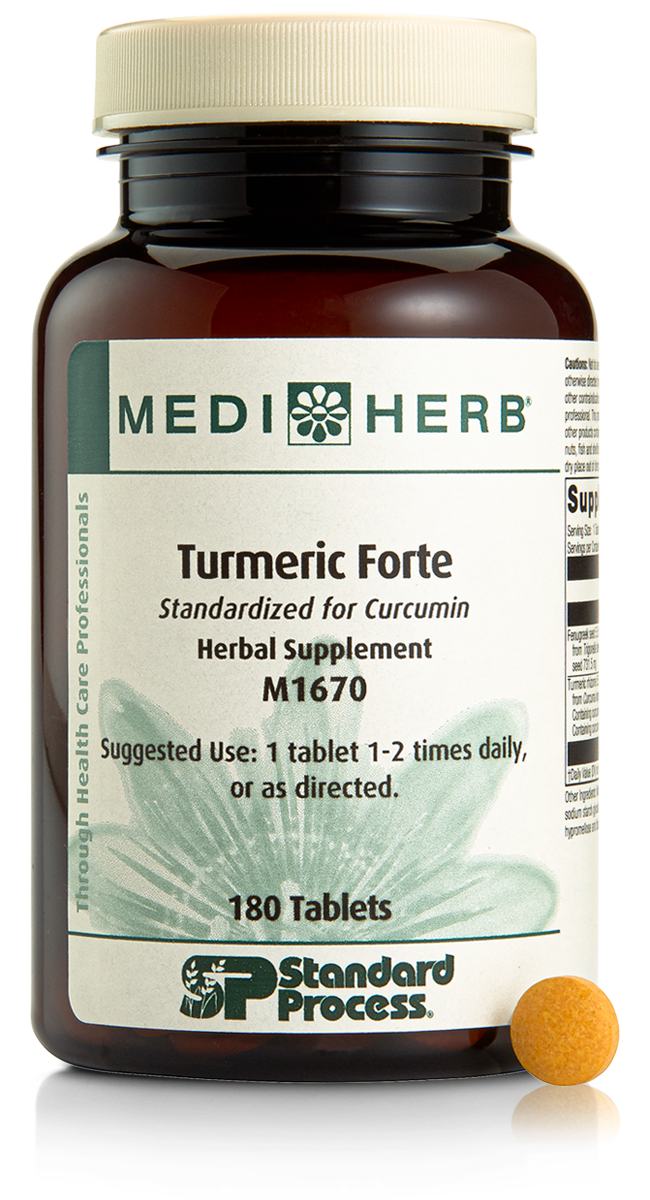
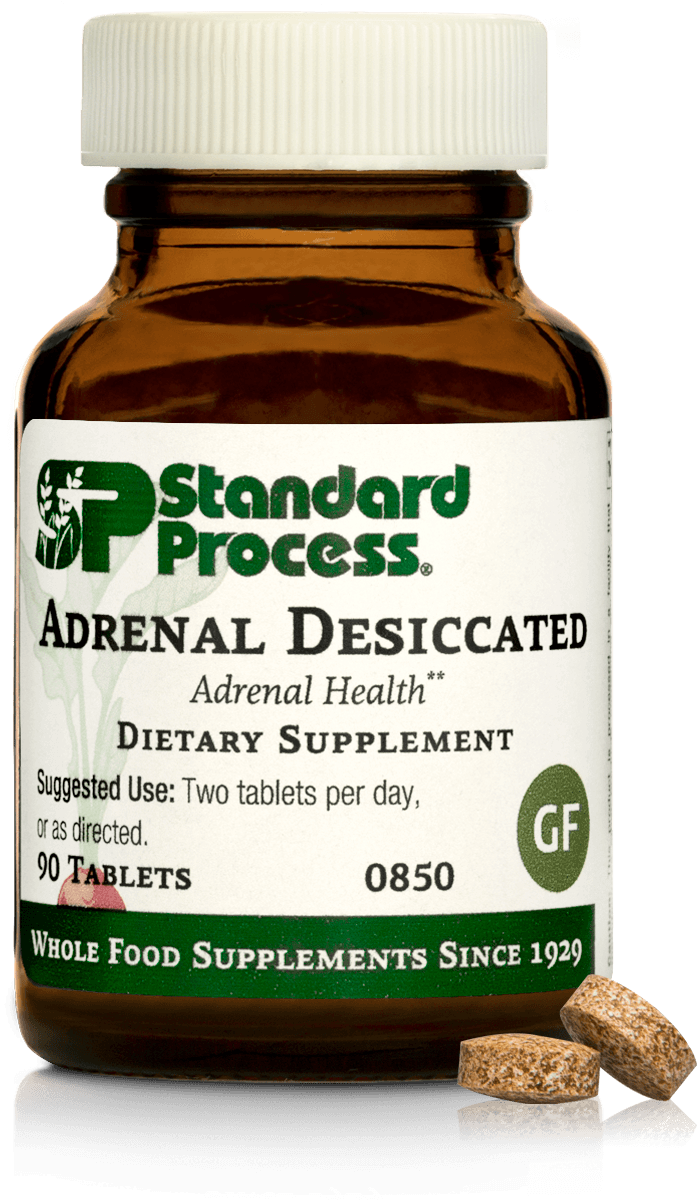
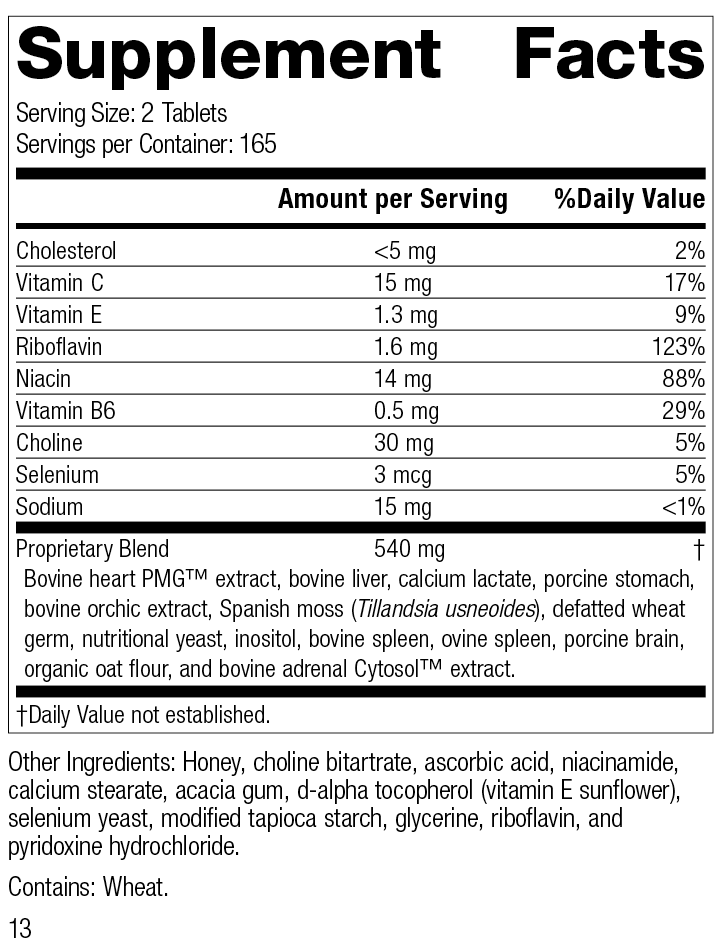
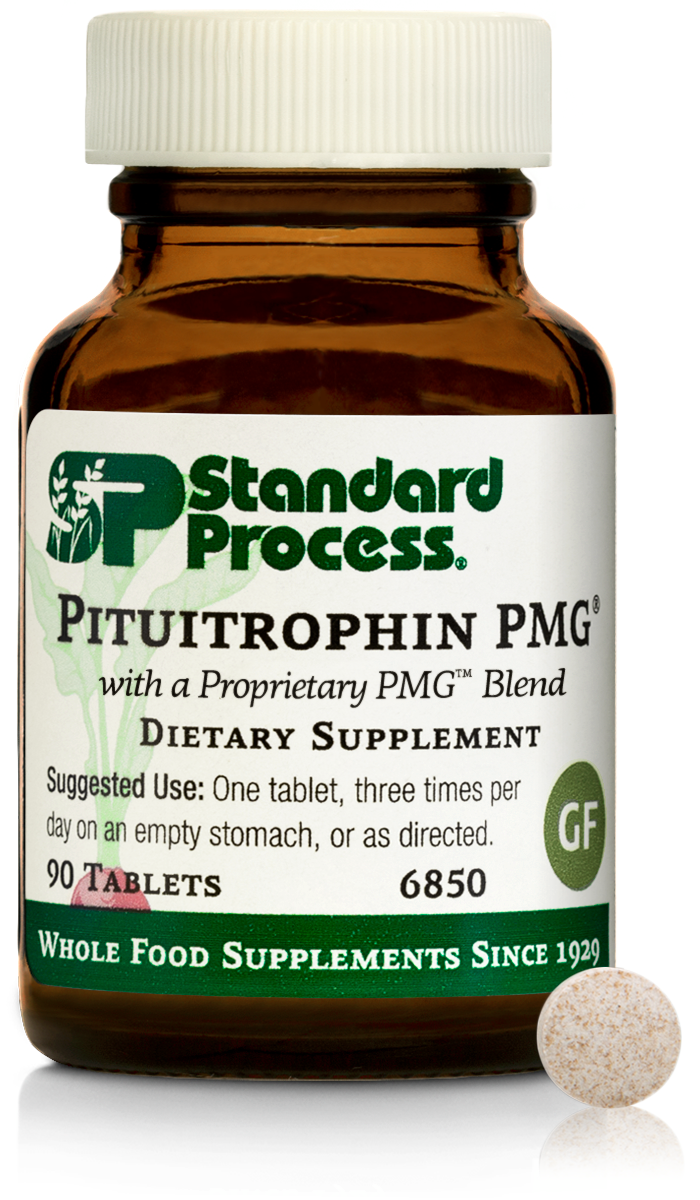
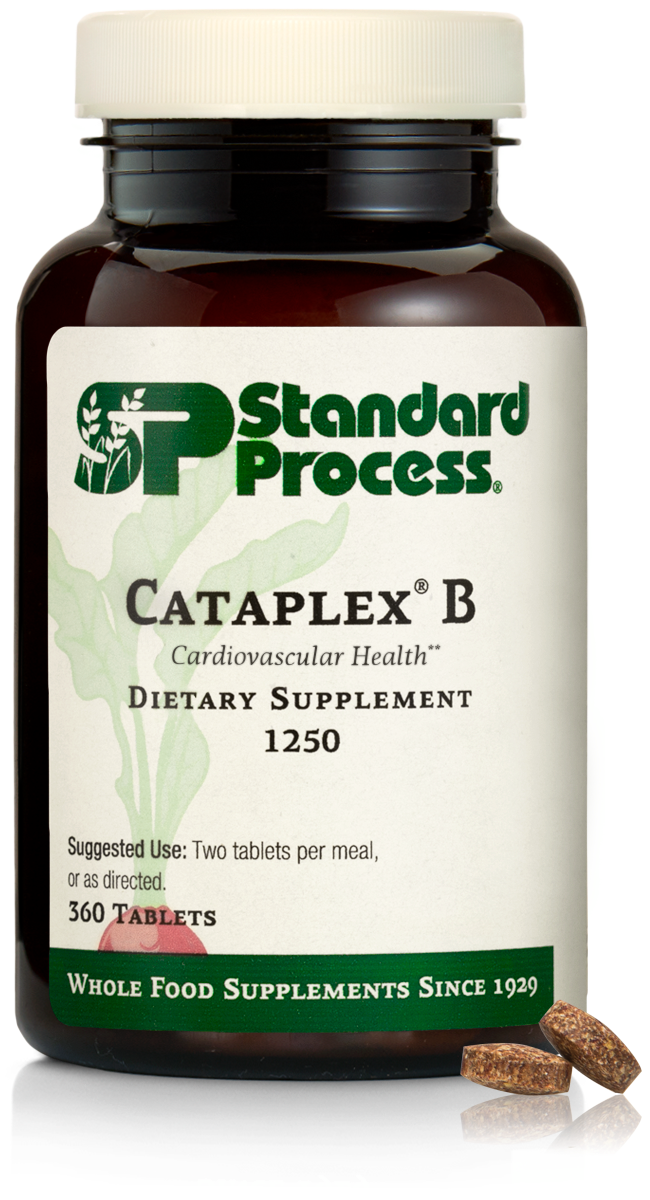
Common areas to assess include magnesium, B vitamins, vitamin C, trace minerals, and overall protein intake. Some people also benefit from practitioner-selected adaptogenic herbs or glandular support, depending on their symptom pattern, sleep quality, blood pressure tendencies, and medication use.
This is where a practitioner-guided approach stands out. Someone with high anxiety and insomnia may need a very different plan than someone who feels flat, foggy, and low energy all day. Even natural products should match the person, not just the trend. If you are already taking thyroid medication, blood pressure medication, hormone therapy, or multiple supplements, getting a second set of eyes on your routine is wise.
For shoppers who want trusted formulas instead of guesswork, working with practitioner-grade brands and personalized wellness support can make the process much more straightforward. Fast Track To Health is built around that kind of guided care, which matters when symptoms are layered and generic advice has not moved the needle.
When lifestyle changes are not enough on their own
Sometimes the reason you are not improving is not that you are doing too little. It is that another issue is being missed. If you have severe fatigue, unexplained weight changes, hair loss, palpitations, depression, frequent illness, major menstrual shifts, or trouble functioning day to day, it is time to look deeper.
Lab work may be appropriate to evaluate thyroid markers, iron status, vitamin D, blood sugar, sex hormones, inflammatory patterns, or other root contributors. Women in perimenopause especially can mistake hormone transition symptoms for a pure stress issue because the overlap is so strong. The same goes for parents, caregivers, and high performers who have normalized exhaustion for far too long.
Natural support works best when it is informed. The more specific the picture, the more effective the plan.
A realistic approach to how to support adrenal fatigue naturally
The most effective path is usually less dramatic than people expect. It looks like eating breakfast before caffeine, sleeping on a schedule, reducing high-intensity output for a season, stabilizing blood sugar, supporting nutrients, and creating daily moments where your body is not bracing for the next demand. It may also look like saying yes to testing or practitioner support instead of trying to solve everything alone.
Healing does not usually happen in a straight line. You may sleep better before your energy improves, or your afternoon crashes may ease before your mood feels fully steady. Those small shifts count. They are often the first signs that your body is finally getting the support it has been asking for.
If you have been running on empty, start with what reduces strain the fastest and most consistently. The body responds well to steady care, and often more quickly than people think once the right supports are in place.





Leave a comment
This site is protected by hCaptcha and the hCaptcha Privacy Policy and Terms of Service apply.