

You have probably seen the phrase what is whole food multivitamin on product labels, practitioner recommendations, or wellness websites and wondered whether it is just marketing language or a meaningful difference. For many health-conscious adults, especially those trying to build a smarter supplement routine, the answer matters. The quality, source, and form of a multivitamin can shape how well it fits your body, your goals, and your overall wellness plan.
What is whole food multivitamin?
A whole food multivitamin is a supplement made with nutrients derived from concentrated food sources, food-based ingredients, or complex matrices intended to more closely reflect how vitamins and minerals occur in nature. Instead of supplying only isolated synthetic nutrients, these formulas often include nutrients alongside naturally occurring cofactors such as phytonutrients, enzymes, trace minerals, or other food compounds.
That does not mean every whole food multivitamin is made from fresh fruits and vegetables that were simply dried and placed into a capsule. In practice, formulations vary. Some are heavily food-based. Some combine food concentrates with added isolated vitamins or minerals. Others use whole food ingredients as part of a broader practitioner-designed formula. That is why label reading matters.
The basic idea is simple: rather than treating nutrition as a list of isolated chemicals, a whole food multivitamin aims to provide broader nutritional support in a form many people consider closer to food.
How whole food multivitamins differ from standard multivitamins
Most conventional multivitamins rely primarily on synthetic or isolated nutrients. That approach is not automatically bad. In fact, some isolated nutrients are well studied, stable, and useful in targeted supplementation. The difference is that a whole food multivitamin is usually formulated with a more food-centered philosophy.
A standard multivitamin may contain vitamin C as ascorbic acid, vitamin E as a specific isolated form, and minerals in common manufactured compounds. A whole food multivitamin may include those nutrients from food concentrates or pair them with naturally occurring compounds from plants, organ tissues, or other nutrient-dense ingredients, depending on the brand and formula.
This distinction matters to people who want more than basic label coverage. If you are looking for broad nutritional support that aligns with a holistic or functional wellness approach, whole food formulas often feel like a better fit. They are commonly chosen by individuals who prefer practitioner-trusted supplements over mass-market one-size-fits-all products.
Why some people prefer a whole food multivitamin
For many adults, the appeal comes down to trust, tolerability, and philosophy. Whole food multivitamins are often seen as a more natural option because they include ingredients sourced from foods rather than relying only on lab-created nutrient isolates. Some people also report that food-based formulas feel gentler on the stomach, especially when taken with meals.
Another reason is nutrient synergy. Food naturally contains more than one nutrient at a time. Spinach does not deliver only folate. It also provides other compounds that exist together in a natural matrix. Whole food supplement makers try to reflect that concept, even though no capsule can fully replace a healthy diet.
There is also a quality perception tied to practitioner-grade formulations. People managing stress, hormone balance, digestion, immune health, or general nutrient support often want a formula that feels purposeful, not generic. A whole food multivitamin can meet that need when it is part of a well-designed wellness plan.
What a whole food multivitamin can and cannot do
A good whole food multivitamin can help fill nutritional gaps, support foundational wellness, and complement a healthy diet. It may be especially useful for adults with inconsistent eating habits, increased stress, limited dietary variety, or higher nutrient demands.
It cannot replace real meals, fix a poor diet overnight, or serve as a complete answer to fatigue, hormonal imbalance, digestive issues, or chronic health concerns. Those situations often need a more personalized approach. Sometimes a multivitamin is part of the picture. Sometimes a targeted protocol makes more sense.
That is one reason practitioner-guided supplement plans are valuable. The best formula for one person may not be the best fit for another. A woman focused on endocrine support may need something different from someone prioritizing cardiovascular wellness or immune resilience.
What to look for on the label
If you are comparing options, the phrase whole food by itself should not be the only reason you buy. Look closely at the ingredient panel and the supplement facts.
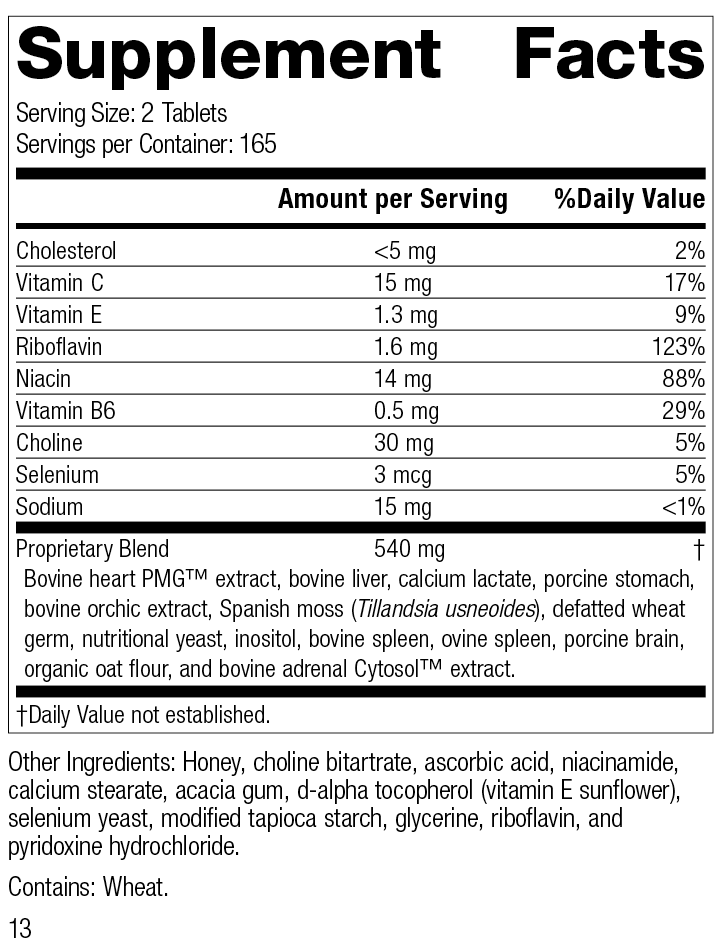
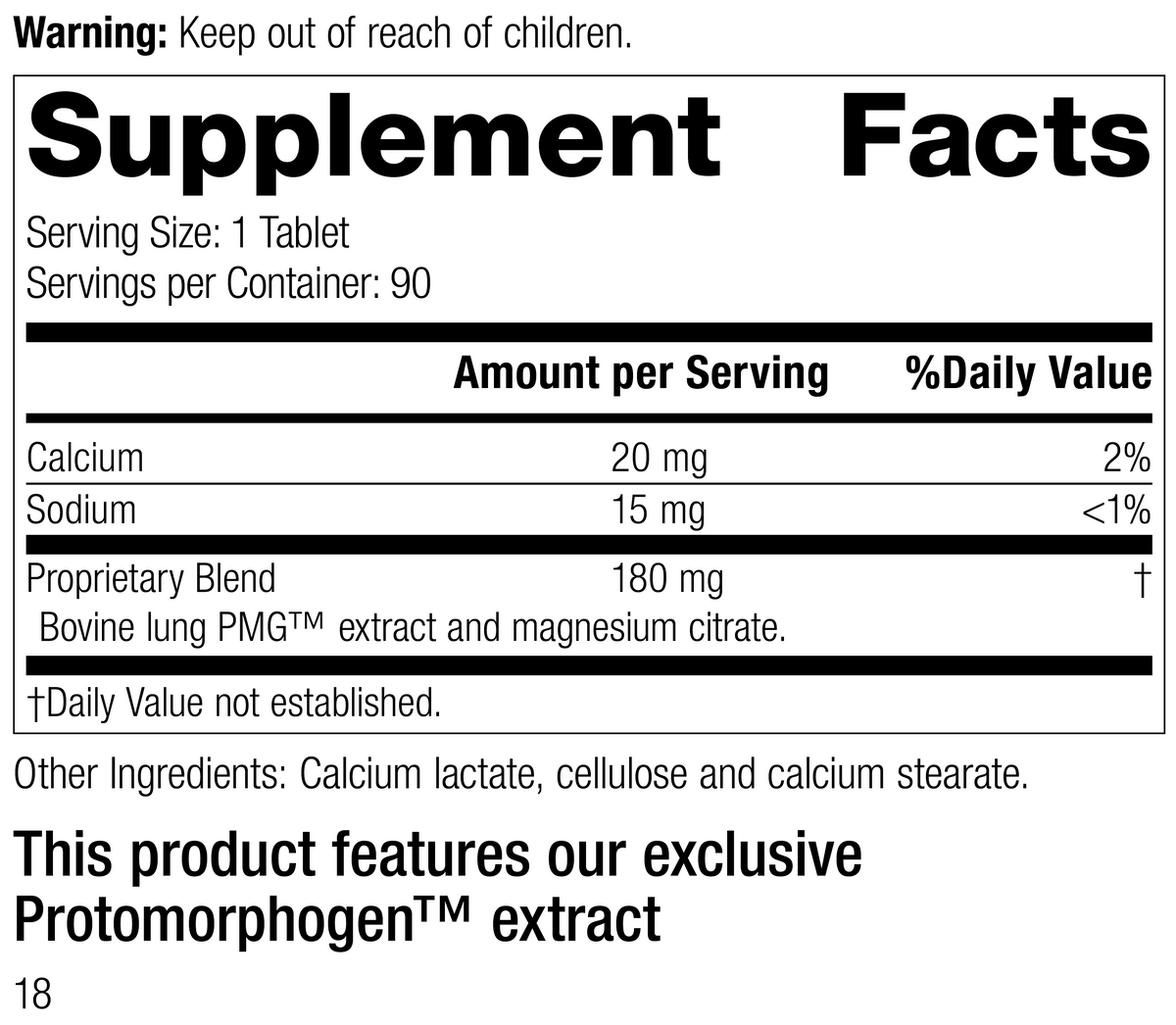
First, check the source of the nutrients. Does the formula identify food concentrates, organ extracts, plant-based ingredients, or other recognizable sources? Some brands are transparent about how nutrients are delivered. Others use broad language without much detail.
Second, look at the forms of key nutrients. Even in whole food formulas, the form still matters. B vitamins, folate, vitamin B12, magnesium, and zinc can appear in different forms with different practical implications for absorption and tolerability.
Third, pay attention to extras. Some whole food multivitamins include digestive support, herbal ingredients, or glandular components. That can be a benefit, but it also means the product may be more specialized than a simple daily multi.
Finally, consider dosage. More is not always better. Extremely high amounts of certain nutrients may be unnecessary unless recommended for a specific reason. A thoughtful formula should support daily wellness without overwhelming your system.
Are whole food multivitamins better?
This is where the honest answer is it depends. Whole food multivitamins are not automatically superior in every case, but they can be an excellent option for the right person.
If you value food-based sourcing, prefer practitioner-grade products, and want a formula designed around nutritional synergy, a whole food multivitamin may be a strong choice. If you have a known deficiency or a medically guided need for specific nutrients at therapeutic levels, a targeted supplement with isolated forms may sometimes be more appropriate.
There is also the issue of expectations. Some shoppers assume whole food means every nutrient comes entirely from whole fruits and vegetables in full natural balance. That is not always realistic or true. Manufacturing constraints, nutrient stability, and mineral sourcing can all affect formulation. A quality product should be judged by its ingredient integrity, transparency, and intended use, not just by front-label language.
Who may benefit most from a whole food multivitamin
Adults who want a solid nutritional foundation are often good candidates, especially if they are juggling work stress, family demands, inconsistent meals, or wellness goals that call for stronger daily support. It can also make sense for people who already eat well but want added nutritional insurance from a trusted source.
Whole food formulas are often appealing to women focused on hormone and thyroid support, adults working on detoxification and digestion, and anyone trying to build a cleaner, more intentional supplement routine. They can be especially useful when paired with practitioner guidance, because the formula can be matched to the person instead of chosen by guesswork.
If you are taking medications, managing a health condition, pregnant, or using multiple supplements, it is wise to review your routine with a qualified practitioner before adding a multivitamin. Even high-quality products should fit the bigger picture.
How to choose the right one for your routine
Start with your goal. Are you looking for broad foundational support, or are you trying to address a specific issue such as energy, immune function, stress resilience, or nutrient depletion? Your answer should guide the formula you choose.
Then consider the brand standard. Authorized, practitioner-trusted supplement lines tend to offer better quality control, clearer sourcing, and more intentional formulations than many mass-market options. If you prefer a guided approach, Fast Track To Health helps simplify that process with trusted product options and personalized support.
Also think about consistency. The best multivitamin is the one you will actually take. If a formula requires multiple doses per day, has a taste you dislike, or upsets your stomach, it may not be the right fit no matter how impressive the label looks.
A better question than what is whole food multivitamin
Once you understand the definition, the better question becomes whether a whole food multivitamin fits your body, your goals, and your overall wellness strategy. For many people, it offers a more thoughtful way to support daily nutrition. Not because it replaces healthy eating, but because it works alongside it.
If you want your supplements to feel less generic and more aligned with a practitioner-informed, whole-body approach, this category is worth a closer look. The right formula should support your foundation quietly and consistently, which is often exactly what lasting health needs.





Leave a comment
This site is protected by hCaptcha and the hCaptcha Privacy Policy and Terms of Service apply.