

Walk into any supplement aisle and the labels start blending together fast. "Natural." "Clean." "Premium." If you are trying to identify the best whole food supplement brands, those words are not enough. What matters is how a brand sources ingredients, formulates products, tests quality, and supports real health goals rather than selling hype.
That distinction matters even more if you are shopping for targeted support. Hormone balance, digestion, immune resilience, stress recovery, cardiovascular wellness, and detox support usually call for more than a one-size-fits-all multivitamin. The best brands tend to stand out because they combine whole food philosophy with practitioner-level formulation standards.
What makes the best whole food supplement brands different?
A true whole food supplement brand is not simply adding a powdered vegetable to a capsule and calling it a day. The better companies build formulas around concentrated food-based ingredients, organ and glandular support where appropriate, botanical synergy, and nutrient forms that work well in the body.
There is also a quality difference that experienced supplement users notice quickly. Strong brands are consistent from bottle to bottle. They have a clear philosophy. They usually avoid chasing trends and instead focus on foundational products that practitioners return to again and again.
For many shoppers, the biggest separator is whether a brand is trusted in clinical practice. Practitioner-trusted brands are often held to a higher internal standard because they are used as part of broader wellness plans, not as impulse purchases. That does not mean every retail brand is poor quality, but it does mean professional confidence counts for something.
How to evaluate whole food supplement brands before you buy
The best whole food supplement brands usually earn trust in a few key ways.
First, look at ingredient philosophy. A brand should be able to explain whether its nutrients come from food concentrates, plant ingredients, animal-derived whole food sources, or synthetic isolates. Whole food does not always mean every ingredient in every product is entirely food-derived, but the brand should be transparent about its approach.
Second, pay attention to formulation depth. A simple vitamin can be useful, but many health concerns benefit from formulas built around systems rather than single nutrients. Digestive support might include enzymes, trace minerals, and herbal support. Stress support may combine adaptogenic herbs with nervous system nutrients. Better brands formulate with purpose.
Third, consider who uses the products professionally. If chiropractors, functional medicine practitioners, nutrition-focused clinicians, or integrative providers recommend a line consistently, that is often a good sign. It suggests the brand has delivered results in real-world care settings.
Fourth, check whether the brand offers broad category support. This matters more than people think. If a company only has one or two trendy products, it may not be built for long-term wellness. Stronger brands usually offer options across immune health, women’s health, cardiovascular support, detoxification, digestion, foundational nutrition, and stress resilience.
Finally, consider guidance. Supplements work best when they match the person. The brand experience should help you narrow choices, not leave you guessing between twenty formulas that sound almost identical.
7 best whole food supplement brands to know
There is no single perfect brand for every person, but these are the names most often associated with quality, consistency, and a true whole food or practitioner-grade philosophy.
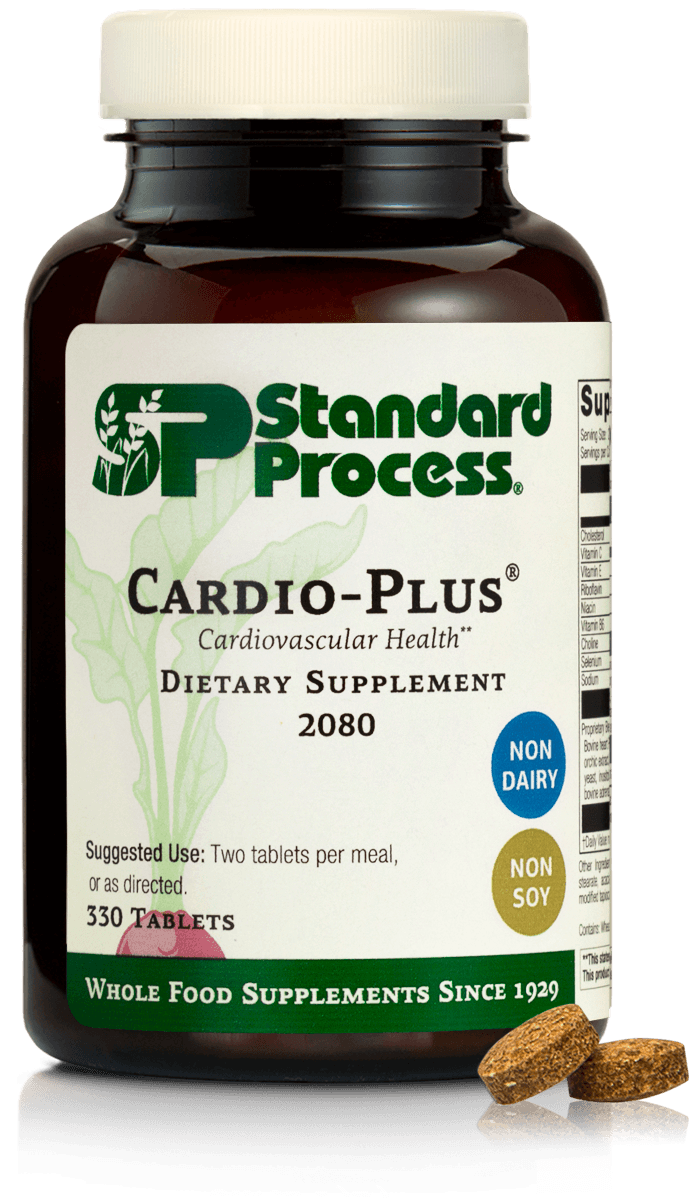
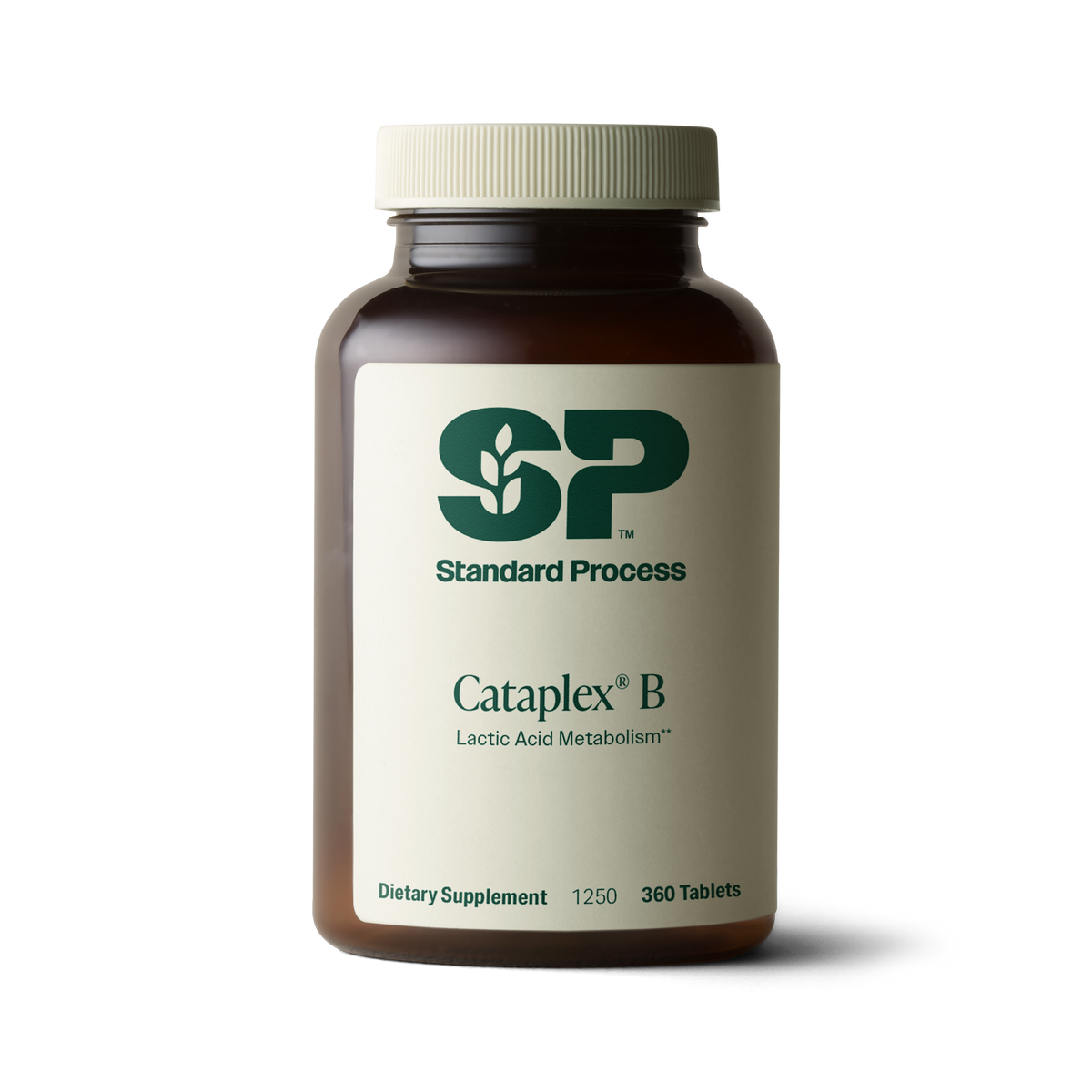
1. Standard Process
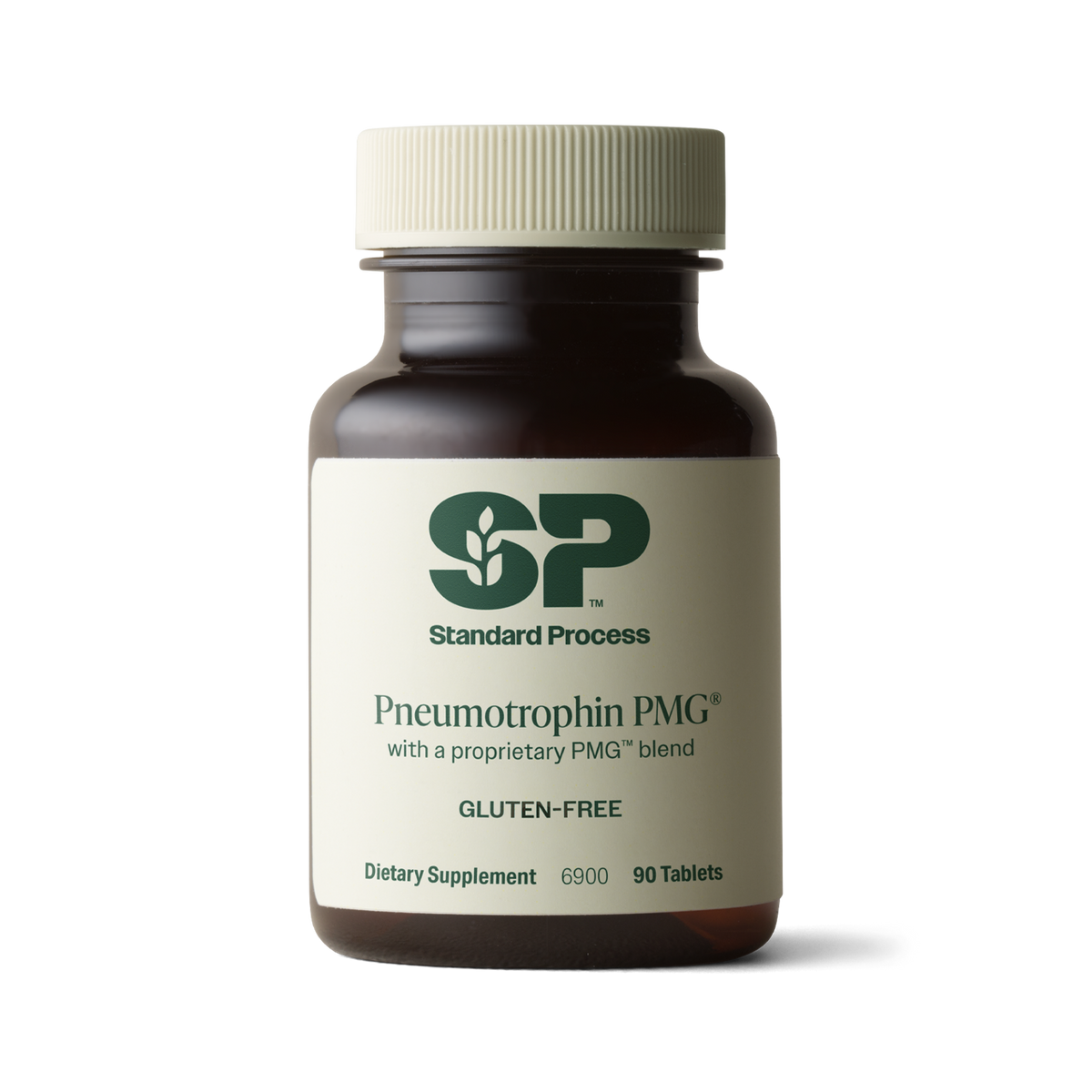
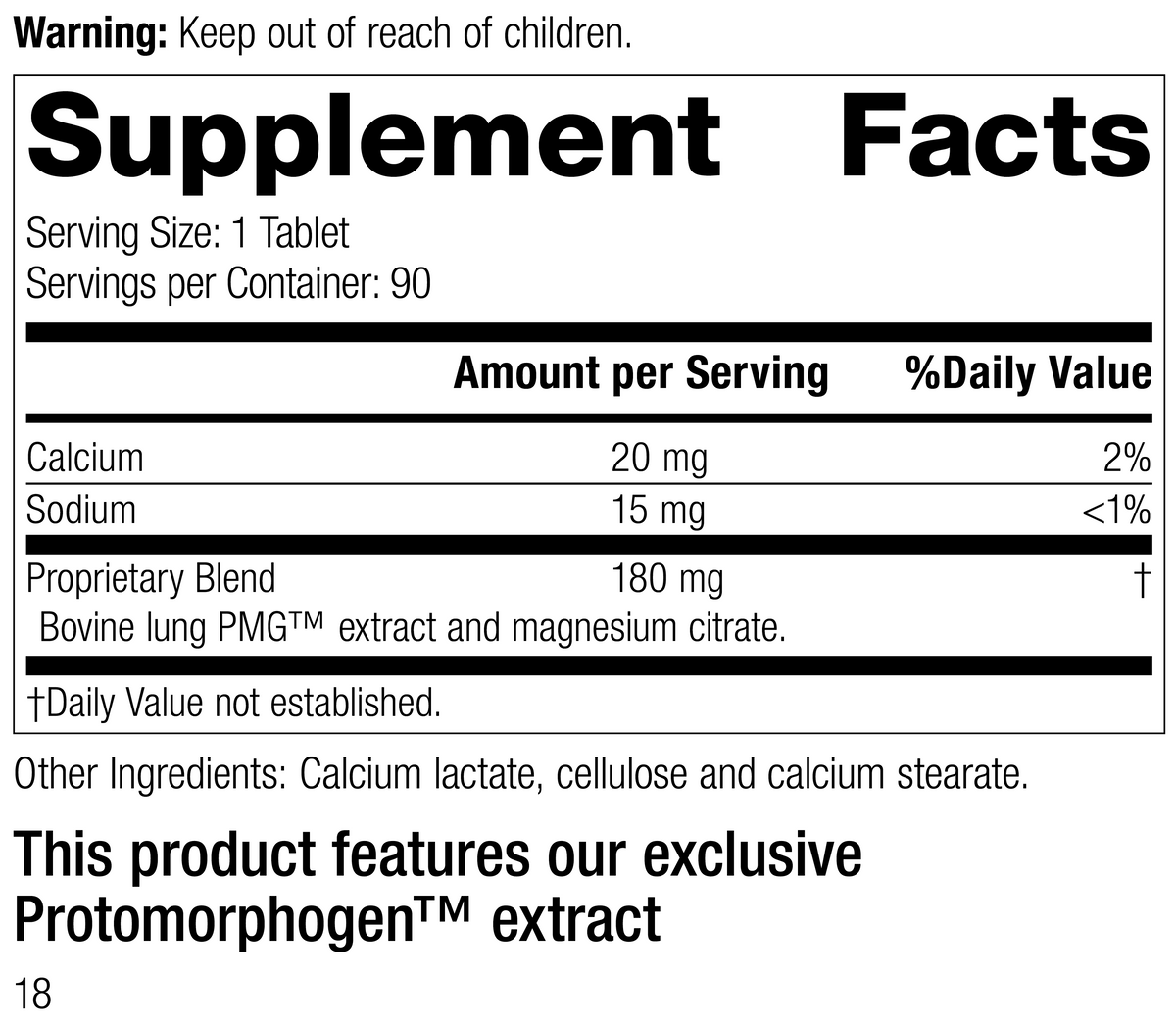
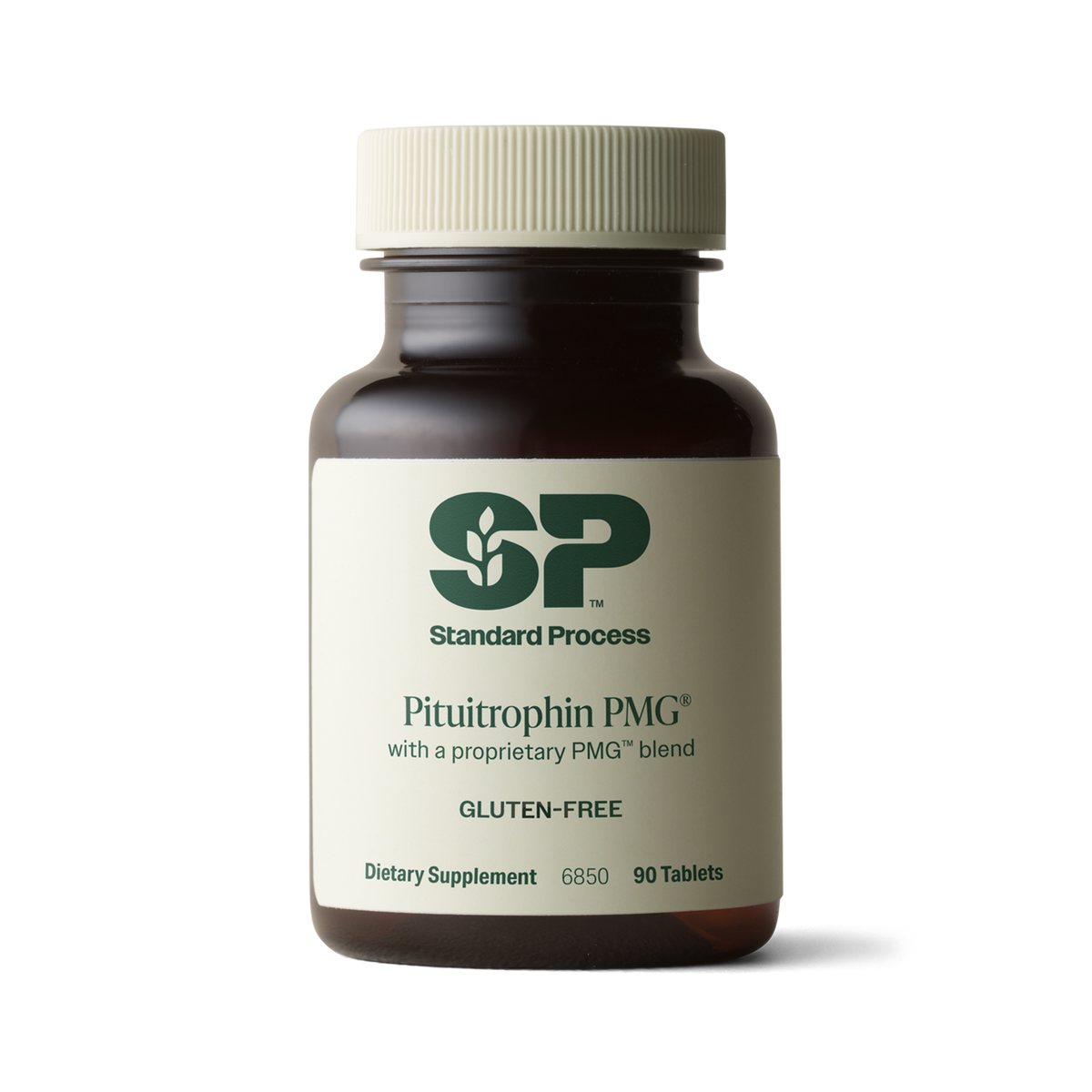
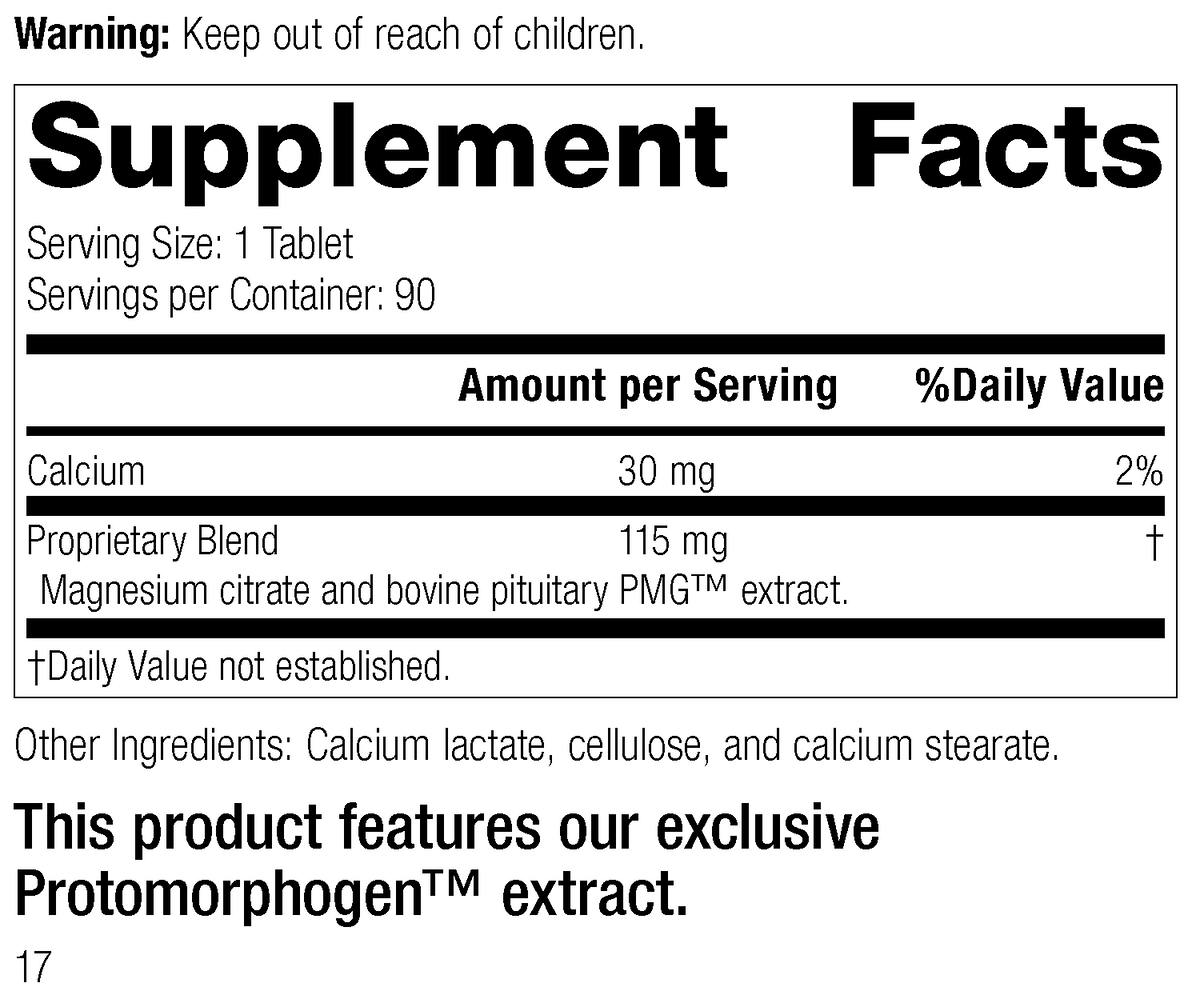
Standard Process is often the first name that comes up in any serious conversation about whole food supplementation. It has built a long-standing reputation around farm-to-supplement sourcing, whole food ingredients, and formulas that are deeply rooted in clinical use.
What makes Standard Process stand out is not just brand recognition. It is the breadth of the line and the consistency of practitioner trust. People turn to it for foundational nutrition, digestive support, immune formulas, women’s health support, detox protocols, cardiovascular products, and targeted system-based supplements.
This brand is especially strong for shoppers who want a gold standard whole food approach rather than a flashy wellness trend. The trade-off is that the catalog can feel overwhelming without guidance, especially for first-time buyers.
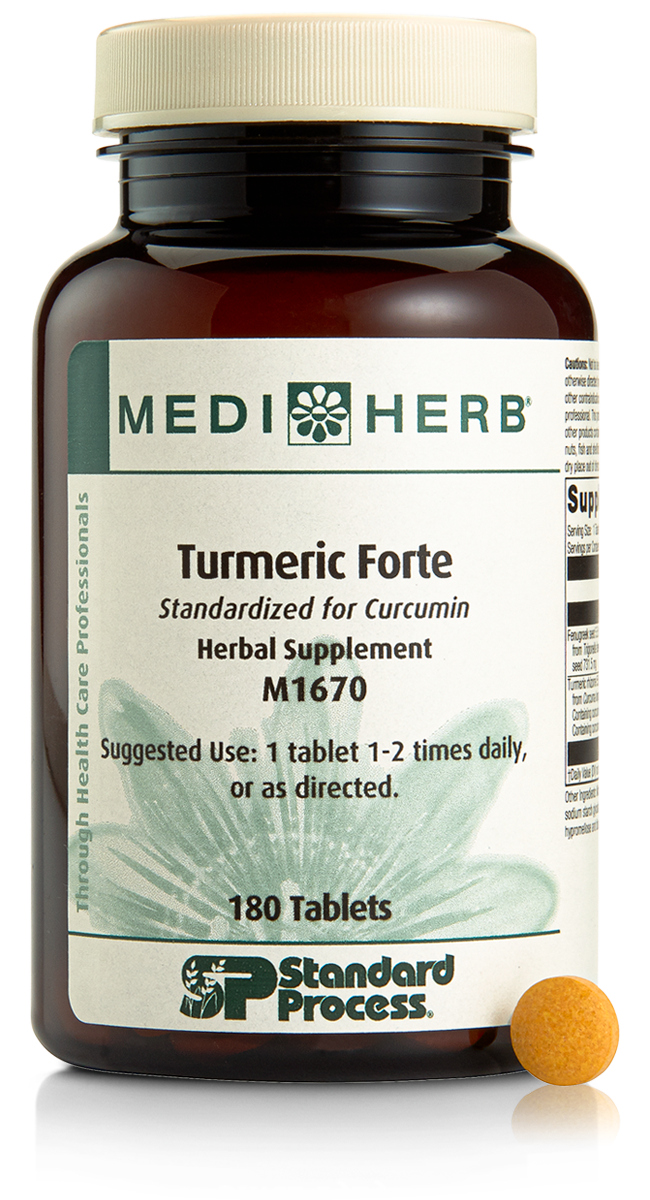
2. MediHerb
MediHerb is best known for herbal formulas, but it belongs in this conversation because many people looking for whole food support also want practitioner-grade botanical options. MediHerb is widely respected for combining traditional herbal knowledge with modern quality control and clinical application.
It is a strong fit for stress support, hormone balance, detoxification, immune health, and digestive concerns. If your health goals lean heavily toward herbal support, MediHerb often makes more sense than a general supplement brand trying to cover herbs as a side category.
It is less of a broad food-based nutrition line than Standard Process, so for some people the best results come from using both types of support within a practitioner-guided plan.
3. MegaFood
MegaFood is one of the more recognizable names in the whole food supplement space for everyday consumers. It appeals to shoppers who want a food-based wellness brand that feels accessible and easier to find than practitioner-only lines.
The brand tends to do well with foundational products like multivitamins, women’s health support, prenatal nutrition, and select minerals and herbs. It is often a practical starting point for people who are new to supplements and want something more thoughtful than a mass-market vitamin.
The trade-off is that it may not offer the same level of targeted clinical depth as a practitioner-focused line. For daily nutrition, that may be fine. For more complex wellness goals, some people need more customization.
4. Garden of Life
Garden of Life has developed a strong reputation in natural wellness circles, especially among shoppers looking for organic, plant-focused, and whole food-inspired products. The range is broad, covering multivitamins, probiotics, proteins, and specialty formulas.
Its appeal is convenience and familiarity. Many health-conscious adults start here because the brand is visible, category-rich, and easy to understand. If your priority is a recognizable natural wellness company with many entry points, it deserves consideration.
That said, product quality can vary by category, and not every formula carries the same practitioner-grade feel. It is a useful brand for many households, but not always the top choice when someone wants more condition-specific support.
5. New Chapter
New Chapter is another established name in the whole food space, with a strong focus on fermented nutrients, herbs, and formulas geared toward absorption and digestive tolerance. Many people appreciate the brand because it often feels gentler and more lifestyle-friendly than heavily clinical lines.
It can be a good fit for daily multivitamins, women’s wellness, and basic targeted support. The brand also tends to resonate with shoppers who value a natural health identity but still want products that are easy to build into a routine.
As with other mainstream whole food brands, the limitation is depth. If your needs are straightforward, it may be enough. If your symptoms are layered, you may need a more practitioner-led approach.
6. Innate Response
Innate Response is worth noting for people who want a food-based philosophy with a more professional formulation style. It shares some overlap with other whole food-focused brands but tends to attract shoppers who care about nutrient quality without wanting a confusing product experience.
This brand often appeals to adults focused on foundational health, immune support, and daily wellness maintenance. It may not have the same broad household recognition as the largest natural supplement brands, but that can be part of the appeal for more informed shoppers.
7. Douglas Laboratories
Douglas Laboratories is not usually described first as a whole food brand, but it earns a place here for consumers comparing practitioner-trusted supplement companies. While many formulas are more clinically designed than strictly whole food-based, the brand is widely respected for quality control, targeted protocols, and professional credibility.
For shoppers weighing whole food philosophy against precision formulation, Douglas Laboratories represents the other side of the decision. Sometimes a person benefits most from a food-based product. Other times, a more concentrated clinical formula is the better fit. Knowing that difference helps you buy smarter.
Which best whole food supplement brands are right for your goals?
If you want the shortest answer, Standard Process is often the strongest choice for people specifically seeking practitioner-trusted whole food supplements. MediHerb is a top companion brand when herbal support is central to the plan. Mainstream brands like MegaFood, Garden of Life, and New Chapter can work well for foundational wellness, especially if you are just getting started.
But the real answer depends on what you need support for.
For hormone and endocrine concerns, you generally want more than a generic women’s multivitamin. For digestion, the right product depends on whether the issue is stomach acid, enzyme need, gut lining support, motility, or microbial balance. For stress support, one person may respond well to adaptogens while another needs mineral and nervous system support first.
That is why brand matters, but matching matters more. A strong brand gives you a better chance of getting a useful product. A personalized plan gives you a better chance of getting the right one.
When practitioner guidance makes the biggest difference
Whole food supplements can be powerful, but they are not all interchangeable. Two products may both say immune support and have completely different purposes. One may be designed for short-term seasonal defense, while another supports longer-term nutrient status and resilience.
This is where a practitioner-guided approach becomes valuable. Instead of buying based on packaging or reviews, you can choose based on your actual symptoms, health history, and goals. That is especially useful if you are balancing multiple concerns at once, such as stress and digestion, hormones and fatigue, or immune support and detoxification.
Fast Track To Health is built around that kind of support, combining authorized access to trusted brands with practical tools that help customers buy with more confidence and less guesswork.
The best whole food supplement brands do not win because they have the loudest marketing. They earn loyalty because the formulas are trusted, the quality is consistent, and the products fit into a bigger picture of real health progress. Start with quality, but do not stop there. The right supplement brand should make your wellness plan clearer, not more complicated.






Leave a comment
This site is protected by hCaptcha and the hCaptcha Privacy Policy and Terms of Service apply.