

If you have ever stood in front of a shelf of vitamins and wondered why one bottle promises isolated mega-doses while another emphasizes food-based nutrition, you are asking the right question. Whole food supplements Standard Process formulas stand apart because they are built around the idea that nutrients work best in the context of the foods and cofactors they naturally come with, not just as single isolated compounds.
That difference matters to people who want more than a generic multivitamin. It matters to the woman trying to support hormone balance without guessing, to the adult focused on digestion, stress, or cardiovascular wellness, and to the customer who wants practitioner-trusted formulas instead of trend-driven marketing. When you understand what Standard Process is actually doing, it becomes much easier to choose with confidence.
What whole food supplements Standard Process means
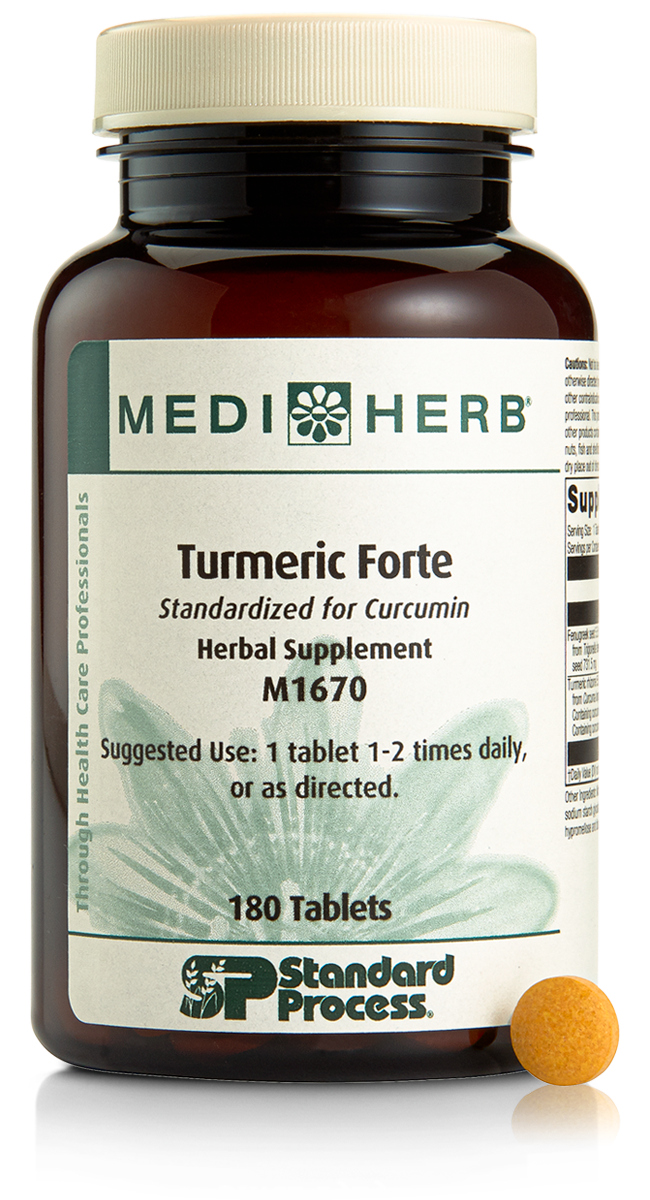
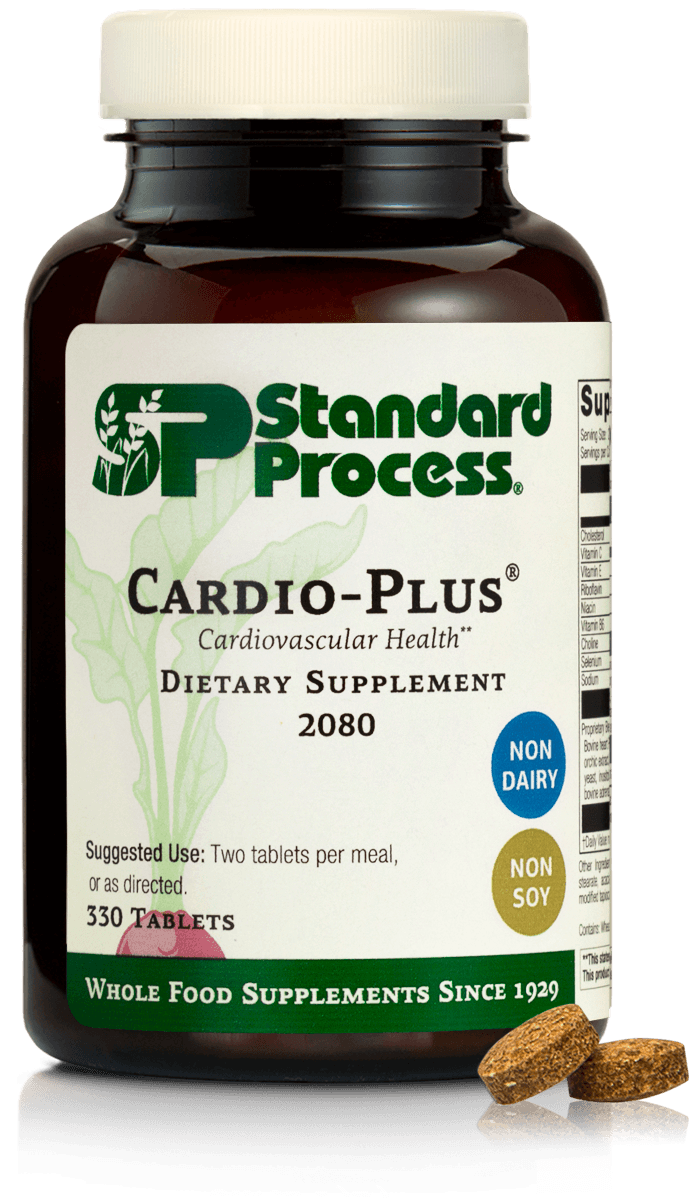
Standard Process is widely known in practitioner circles for its whole food philosophy. In simple terms, that means many of its formulas are made with ingredients derived from foods and botanical sources, often paired in ways intended to reflect how the body uses nutrition in real life.
This is a very different approach from the more common supplement model that isolates one nutrient, pushes it at a high dose, and expects that to solve the issue. Sometimes isolated nutrients are appropriate. There are cases where targeted amounts of vitamin D, magnesium, or B12 make sense. But for many people, health concerns do not exist in neat single-nutrient boxes.
Energy, stress resilience, immune function, detoxification, digestion, and hormone support all rely on systems working together. A whole food formula attempts to support those systems more broadly. That is one reason these products have earned a reputation as a gold standard among many wellness practitioners.
Why people choose Standard Process over generic supplements
The biggest reason is trust. Shoppers looking at Standard Process are usually not searching for the cheapest bottle on the internet. They are looking for consistency, quality standards, and formulas that have been used in practitioner-guided settings for years.
There is also the issue of complexity. Generic supplements often leave customers to self-diagnose and self-build a stack from dozens of single ingredients. That can get expensive fast, and it can also create confusion. One person buys adrenal support, then magnesium, then a probiotic, then liver support, and soon they are taking six different products without a clear plan.
Practitioner-trusted whole food formulas can simplify that process. Many Standard Process supplements are designed to support broader health goals such as immune strength, digestive balance, women’s health, or cardiovascular wellness. That does not mean one formula fits everyone. It means the formulas are often built with more context than a one-ingredient capsule.
Another reason is brand integrity. Customers who care about what goes into their supplements often prefer authorized sources and a guided buying experience. That is especially true when they are investing in long-term wellness rather than impulse purchases.
How whole food supplements Standard Process formulas are different
A useful way to think about these formulas is to ask whether you want to chase numbers on a label or support how the body actually functions. Standard Process tends to lean toward functional support.
For example, someone dealing with stress and fatigue may not simply need more of one isolated vitamin. They may need support for nervous system function, adrenal resilience, sleep quality, and nutrient absorption. The same is true for digestion. Bloating or irregularity is not always solved by adding fiber alone. The body may need a broader combination that addresses digestion at multiple levels.
That systems-based mindset is one of the reasons experienced supplement users often return to Standard Process. The formulas are not positioned as flashy shortcuts. They are built for people who want foundational support with practitioner credibility behind it.
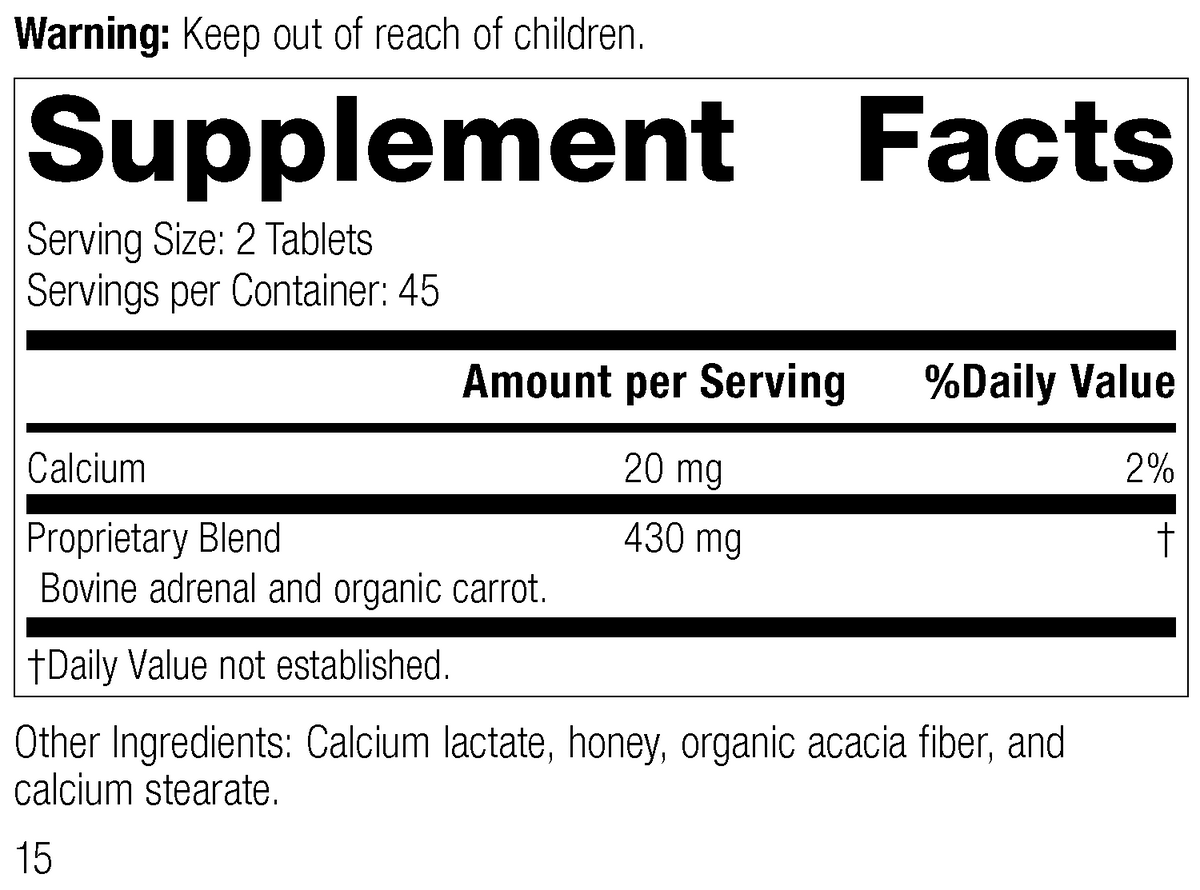
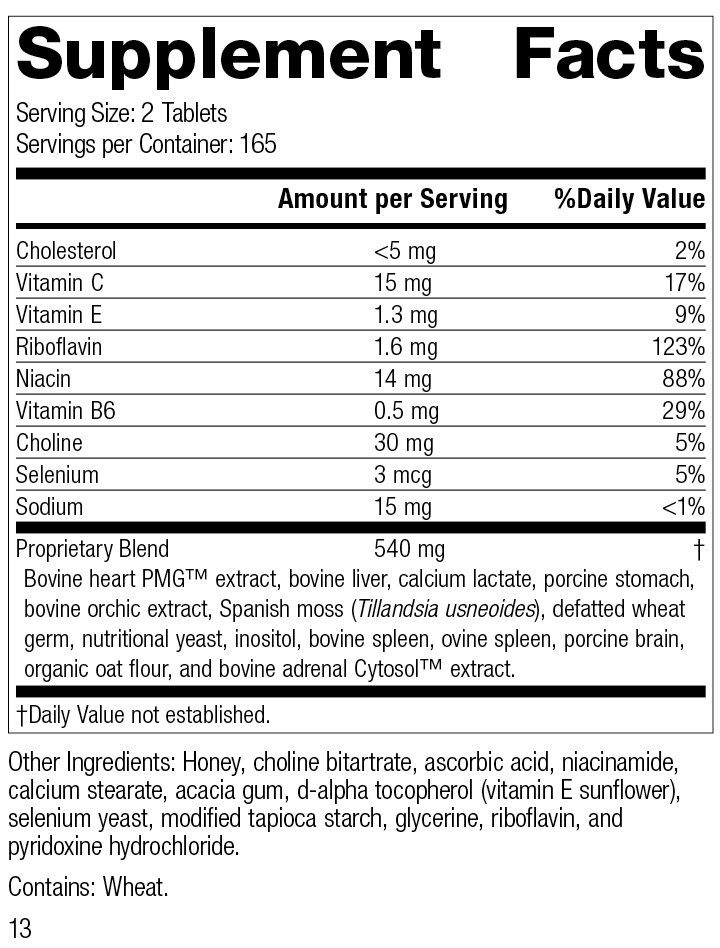
There are trade-offs, of course. Whole food supplements may not always deliver the same straightforward high-number label claims seen in synthetic or isolated products. For some shoppers, that can feel less impressive at first glance. But numbers alone do not tell the full story. A formula can look simple on paper and still be highly effective in practice when it is well designed and used appropriately.
Who these supplements may fit best
Whole food supplements are often a strong fit for people who want a more natural, food-based approach to daily support. They are especially appealing to adults who are already thinking long term about wellness instead of waiting for bigger problems to develop.
Women navigating hormone shifts often appreciate practitioner-grade options because symptoms rarely stay limited to one body system. Stress, sleep, mood, metabolism, digestion, and cycle changes can overlap. A more holistic formula strategy tends to make sense in that setting.
They can also be a smart choice for adults focused on immune strength, detox pathways, heart health, digestive support, or stress management. People who have tried basic store-brand vitamins without noticing much benefit often move toward Standard Process because they want something more intentional.
That said, not every person needs a whole food formula for every concern. If a lab clearly shows a specific deficiency, targeted nutrients may still have a role. In many real-world supplement plans, the best approach is not either-or. It is a thoughtful combination of foundational whole food support with targeted nutrients when needed.
What to consider before buying
Start with your goal, not the product name. Are you trying to support energy, hormones, digestion, immune health, detoxification, blood sugar balance, or cardiovascular function? The clearer your goal, the easier it is to narrow the formula choices.
Next, think about whether you want general support or a more customized plan. Some people do well with a straightforward foundational product. Others have layered concerns and benefit from practitioner guidance. If you are managing several symptoms at once, buying based only on product descriptions may not be enough.
It is also worth looking at how supplements fit into your routine. A great formula only works if you take it consistently. Some people prefer a simpler protocol with fewer bottles. Others are comfortable following a more structured practitioner plan. Being honest about that upfront can save money and frustration.
Finally, source matters. When shoppers are investing in trusted brands like Standard Process, buying through an authorized partner adds reassurance. It helps ensure product authenticity, proper handling, and access to support when questions come up.
Why practitioner guidance can make a real difference
One of the biggest mistakes in supplementation is assuming that more products mean better results. In reality, the right formula at the right time often beats a crowded cabinet of random wellness purchases.
This is where a practitioner-guided approach becomes valuable. Instead of guessing between products for stress, hormones, digestion, and detox, you can match your symptoms, goals, and health history to a more personalized protocol. That kind of support is especially useful if you feel stuck, overwhelmed, or unsure where to begin.
For many customers, the best experience is not just buying supplements online. It is getting access to a trusted process that helps them make better choices from the start. That is why a wellness brand with authorized Standard Process access and practitioner support can feel very different from a basic supplement marketplace. Fast Track To Health is built around that model, offering both trusted products and a more guided path for customers who want clarity.
Are whole food supplements always better?
Not automatically. Better depends on the person, the goal, and the formula. Whole food-based products can be an excellent choice for foundational wellness and system-wide support, but they are not magic. Diet, sleep, stress, movement, and consistency still matter.
They also work best when expectations are realistic. If someone is looking for a quick stimulant effect or an overnight fix, they may overlook the value of steady nutritional support. Whole food formulas are often better suited to people who care about building health over time.
That long-view approach is exactly why so many wellness-focused customers stay loyal to practitioner-trusted brands. They are not just buying a bottle. They are choosing a standard of care, a philosophy, and a more thoughtful way to support the body.
When you are choosing supplements, the smartest move is often the least flashy one: look for quality, look for fit, and look for guidance when your health goals deserve more than guesswork.







Leave a comment
This site is protected by hCaptcha and the hCaptcha Privacy Policy and Terms of Service apply.