Choose one of the options below to get in touch with our support team.
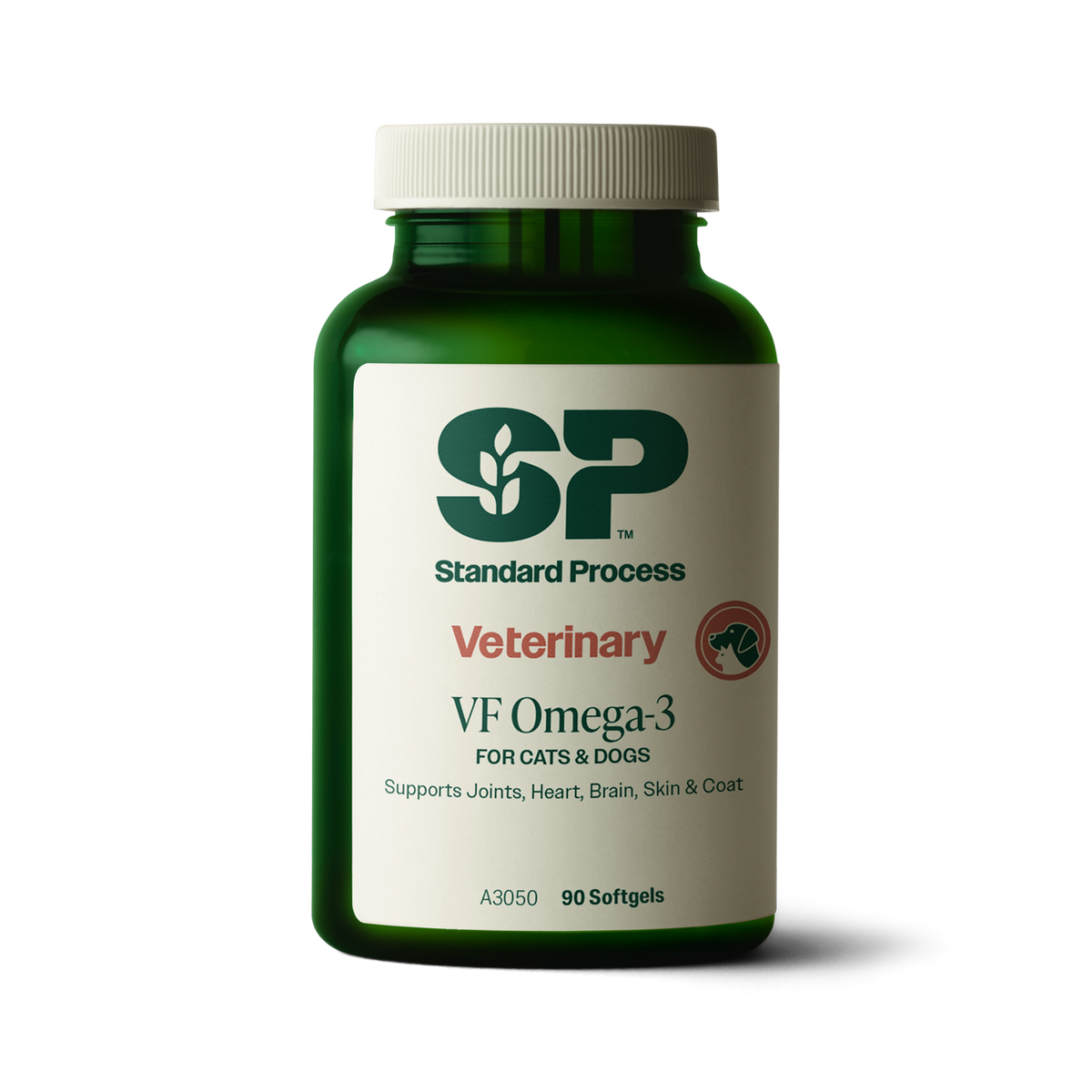


It delivers concentrated fish oil in softgel form to bridge cats’ and dogs’ nutritional gap and help support:
Omega-3s and omega-6s are fatty acids that are responsible for supporting a number of critical body systems. However, omega-6s are often consumed in higher amounts than omega-3s. Omega-3s are commonly associated with fish consumption, but modern aquaculture produces fish that are lower in omega-3s than wild fish.1 This has the potential to create nutritional gaps, which can be improved through supplementation.
Studies have shown that consuming a balanced amount of Omega-6/Omega-3 fatty acids can provide a number of health benefits.2-5 However, many dogs and cats tend to consume diets that are higher in omega-6 fatty acids. This is partly because grains and oils rich in omega-6s have been largely used in feed for farm animals, which has led to production of meat and eggs rich in omega-6s and poor in omega-3s.6 In addition, modern aquaculture produces fish that contain lower levels of omega-3s than wild fish.1
References:
1. van Vliet T, Katan MB. Lower ratio of n-3 to n-6 fatty acids in cultured than in wild fish. The American journal of clinical nutrition. 1990;51:1-2
2. Roush JK, Dodd CE, Fritsch DA, Allen TA, Jewell DE, Schoenherr WD, et al.. Journal of the American Veterinary Medical Association. 2010;236:59-66.
3. Mooney MA, Vaughn DM, Reinhart GA, Powers RD, Wright JC, Hoffman CE, et al.. American journal of veterinary research. 1998;59:859-63.
4. Scott DW, Miller WH, Jr., Reinhart GA, Mohammed HO, Bagladi MS.. Canadian journal of veterinary research = Revue canadienne de recherche veterinaire. 1997;61:145-53.
5. Kearns RJ, Hayek MG, Turek JJ, Meydani M, Burr JR, Greene RJ, et al. Effect of age, breed and dietary omega-6 (n-6): omega-3 (n-3) fatty acid ratio on immune function, eicosanoid production, and lipid peroxidation in young and aged dogs. Veterinary immunology and immunopathology. 1999;69:165-83.
6. Biagi G. MAL, Cocchi M., Mordenti A. The role of dietary omega-3 and omega-6 essential fatty acids in the nutrition of dogs and cats: a review. Progress in Nutrition. 2004;6.
| Pet Weight | Daily Amount |
|---|---|
| Cats and Dogs <10 lbs. | Consult veterinarian |
| Cats and Dogs 10–20 lbs. | 1 softgel per day |
| Dogs 21–40 lbs. | 2 softgels per day |
| Dogs 41–60 lbs. | 3 softgels per day |
| Dogs 61–80 lbs. | 4 softgels per day |
| Dogs 81–100 lbs. | 5 softgels per day |
| Dogs 101–120 lbs. | 6 softgels per day |
Or as directed by your veterinarian.
Suggested Use:
Softgel may be consumed whole or snipped and the oil applied directly on your pet’s food.
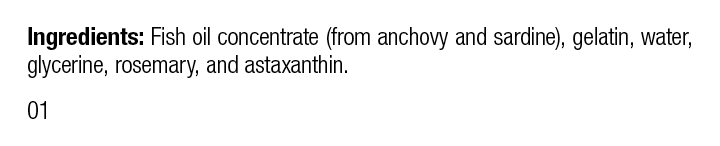
Each Serving Size (1 Softgel) contains: Ingredients: Fish oil concentrate (from anchovy and sardine), gelatin, water, glycerine, rosemary, and astaxanthin.
EPA (min) 250 mg / softgel
DHA (min) 200 mg / softgel
Please consult the actual product label for the most accurate product information.
*These statements have not been evaluated by the Food and Drug Administration. These products are not intended to diagnose, treat, cure, or prevent any disease.
If you have any questions about Privacy Policy, Refunds &Return Policy please get in touch.
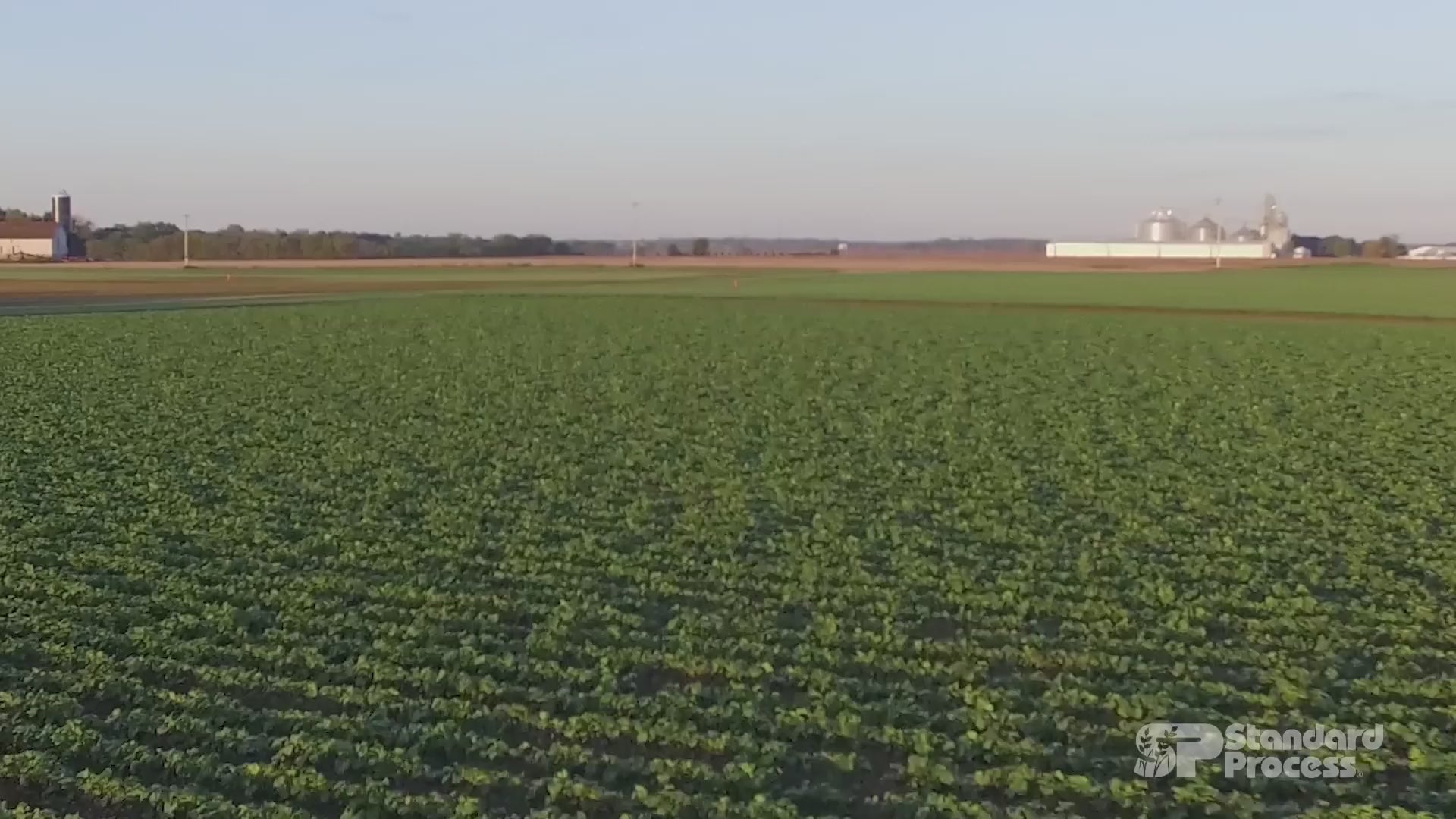

Whole Food Nutrition. Just as Nature Intended.
Support your well-being with all of your favorite Standard Process and Mediherb supplements
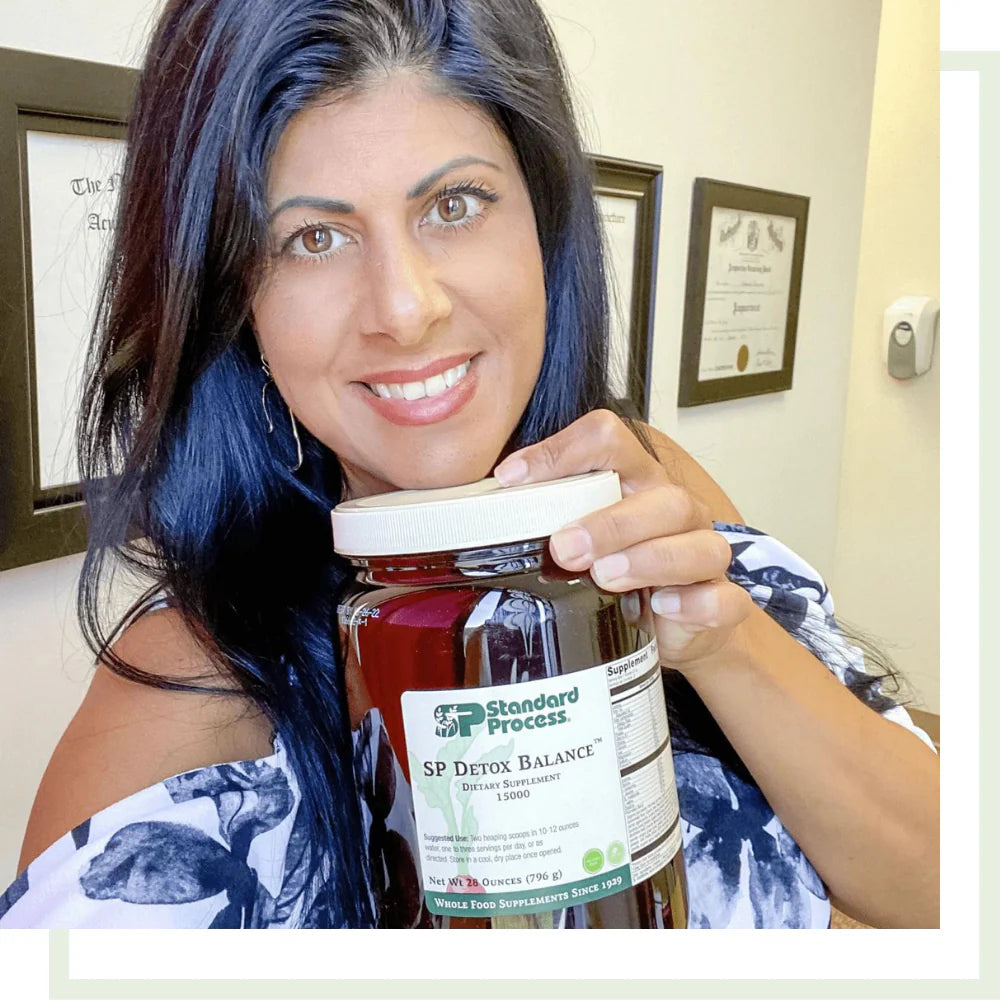
Why Buy from Us?
✓Best prices online
✓Authorized retailer and experience with the products
✓Fast shipping
✓No prescription needed
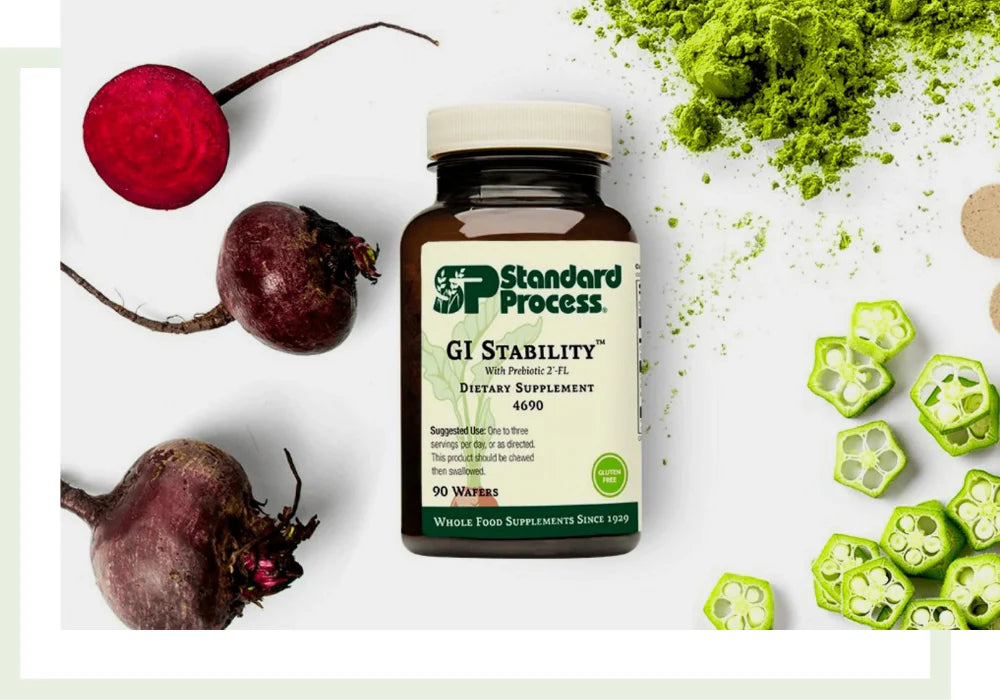
Why Standard Process?
The first and oldest vitamin company Established in 1929 by Dr. Royal Lee Bioavailable food-based ingredients grown on organic farm Used by thousands of practitioners throughout the country