

An afternoon energy crash, a suddenly heavier cycle, or sleep that no longer feels restorative is rarely solved by tossing a random multivitamin into the cart. The best practitioner vitamins for women start with a more useful question: what does your body need support for right now?
That answer can change with life stage, diet, stress load, medications, activity level, and health history. A woman in her 20s with restrictive eating habits has different considerations than a woman preparing for pregnancy, navigating perimenopause, or prioritizing bone health after menopause. Practitioner-trusted supplements are valuable because they can be selected as part of a thoughtful plan, not because they promise a one-size-fits-all fix.
What Makes Practitioner Vitamins Different?
Practitioner-grade does not simply mean a higher price or a longer ingredient list. It usually points to a more intentional approach to formulation, quality standards, dosing, and guidance. Whole-food-based formulas, targeted botanicals, and carefully selected nutrients may be used to support foundational wellness or a specific body system.
The real difference is context. A quality supplement should fit your goals, complement your nutrition, and account for factors that can make certain nutrients inappropriate. For example, iron can be essential for some women but unnecessary or even unsuitable for others. Hormone-focused blends may deserve extra care if you are pregnant, breastfeeding, taking hormonal medication, or have a history of hormone-sensitive conditions.
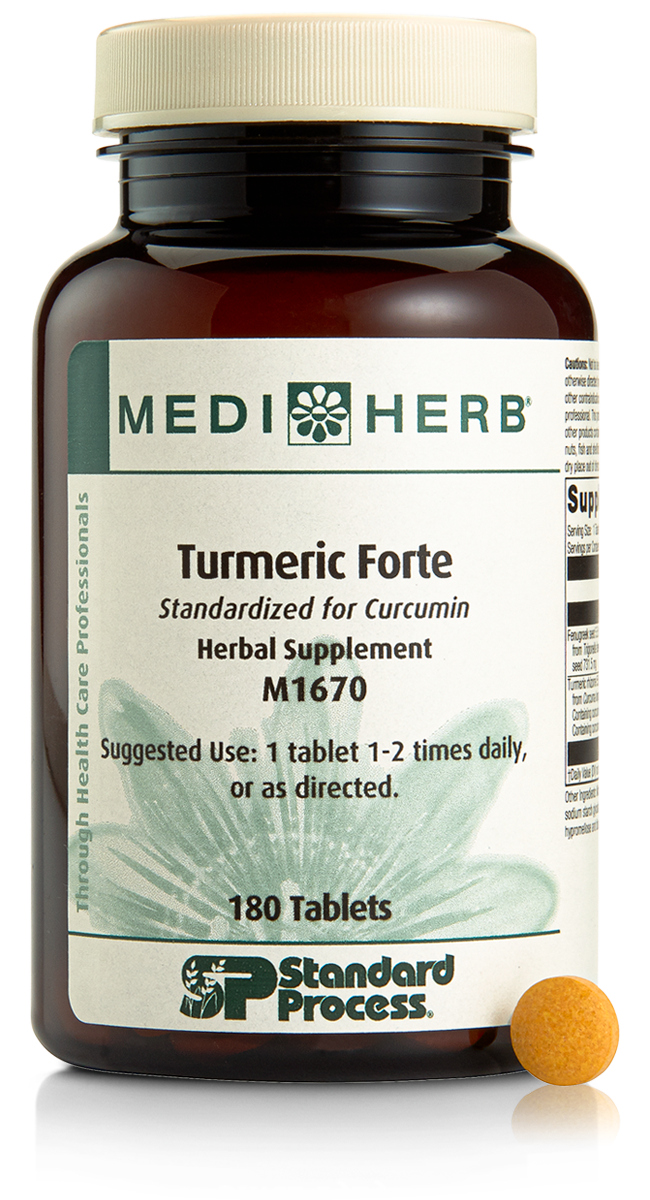
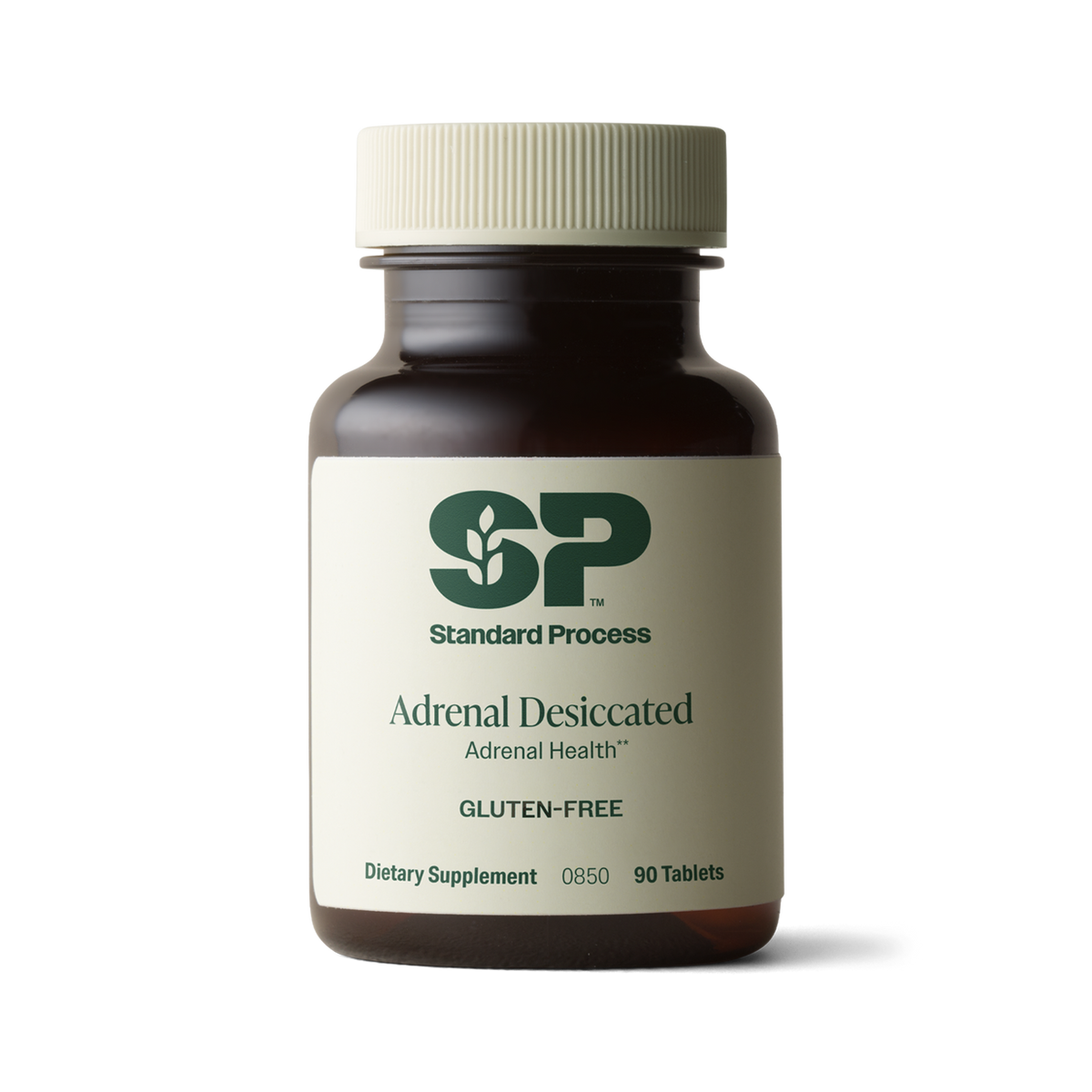
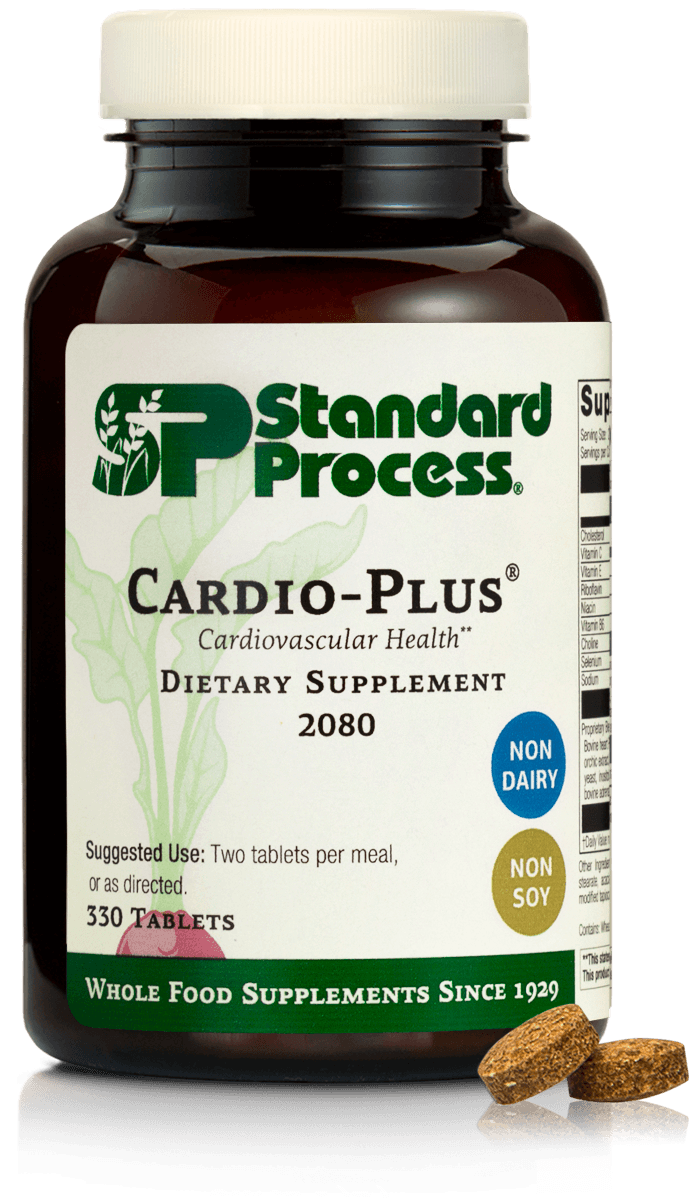
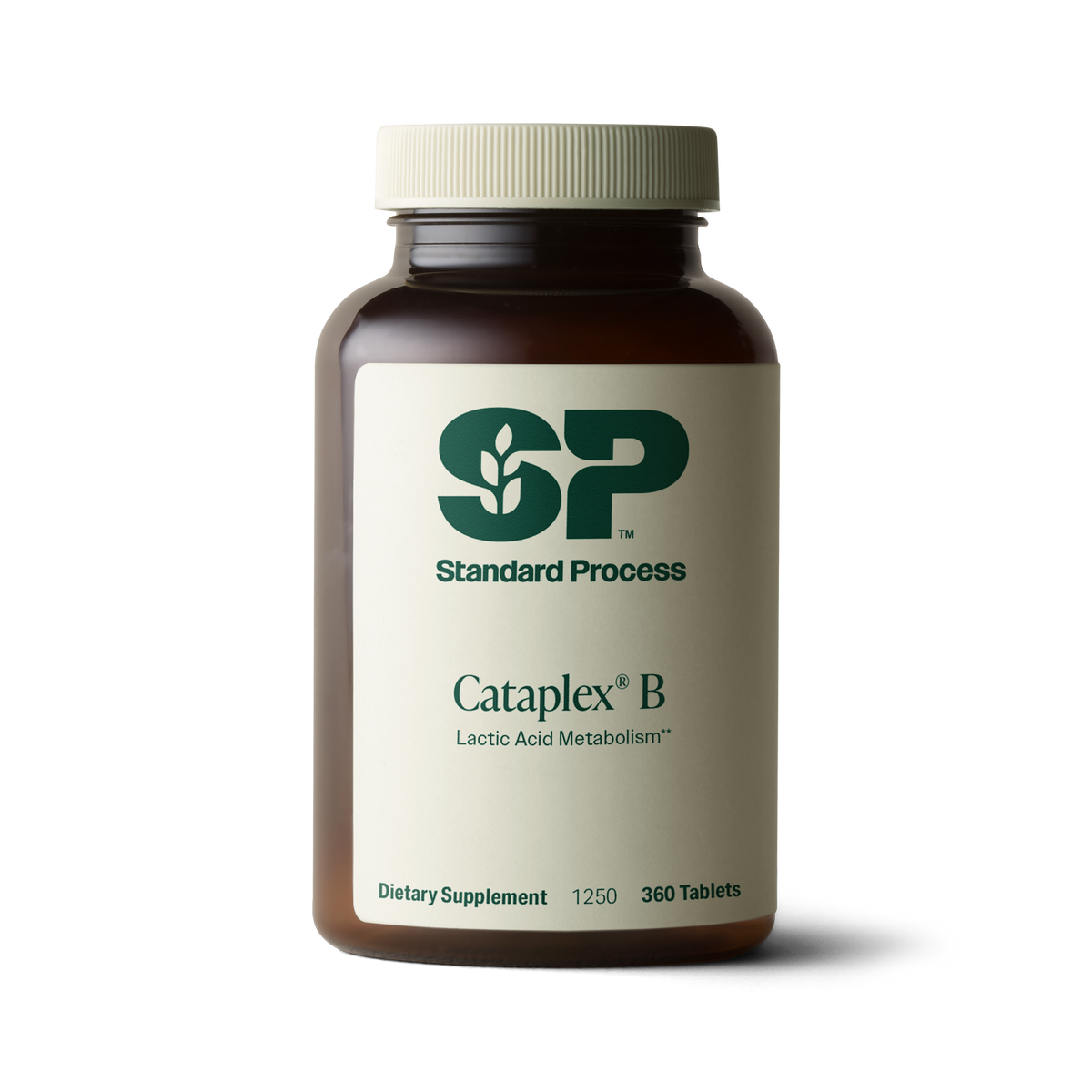
At Fast Track To Health, women can shop practitioner-trusted Standard Process and MediHerb formulas with the option of more personalized functional medicine support. That combination helps move supplement choices beyond guesswork.
Start With a Strong Nutritional Foundation
Before building a cabinet full of targeted formulas, consider whether your daily foundation is doing its job. A practitioner may begin with a whole-food-based multivitamin or foundational nutrient formula when food intake, busy schedules, stress, or digestive concerns make consistent nutrition harder to achieve.
This is not a substitute for meals built around protein, vegetables, fruit, fiber-rich carbohydrates, and healthy fats. Supplements work best as nutritional support alongside those habits. If your breakfast is coffee, your lunch happens between meetings, and dinner is whatever is fastest, a foundational formula may help fill some gaps. It cannot replace the benefits of eating a varied, nourishing diet.
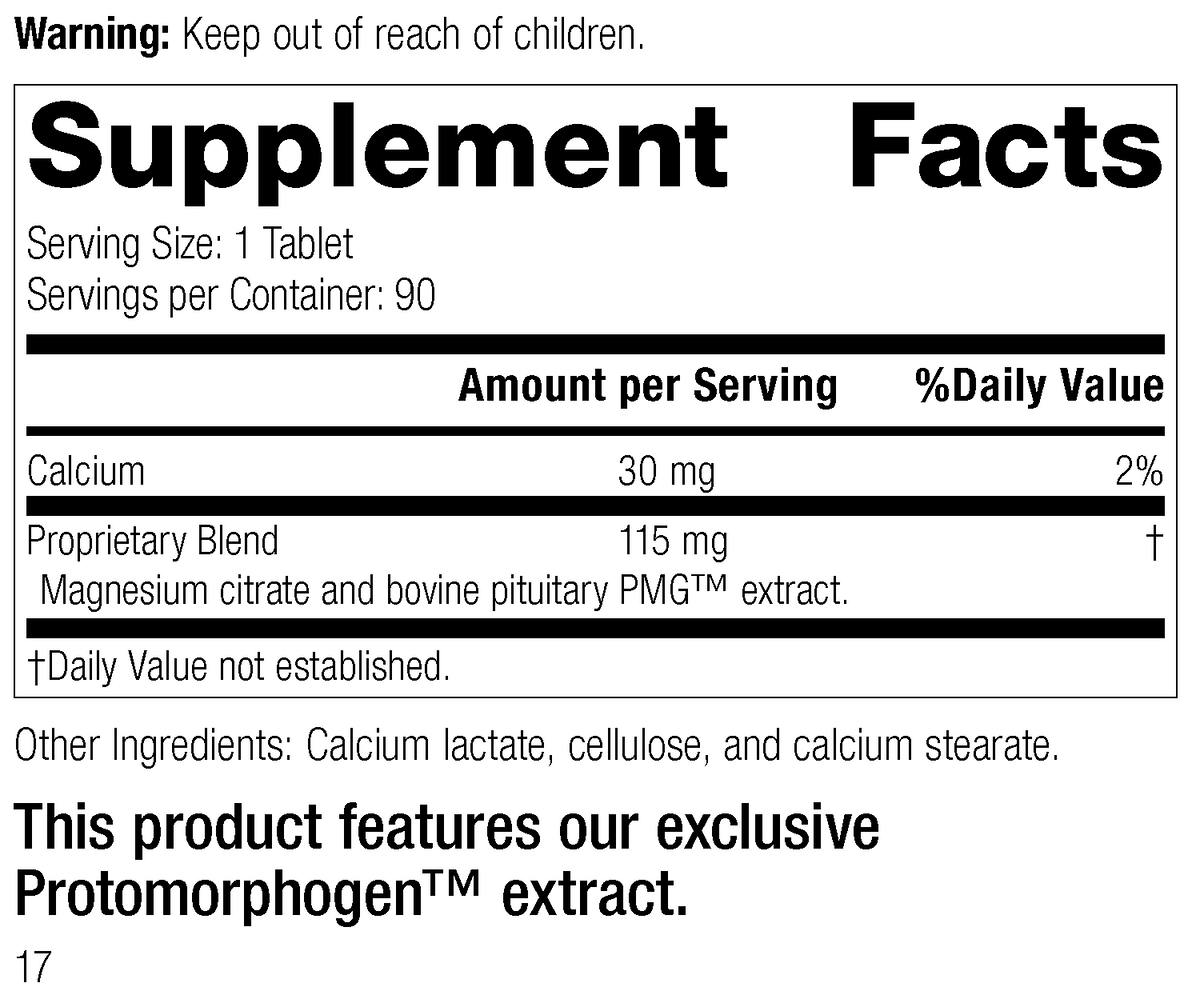
Women also frequently ask about vitamin D, magnesium, calcium, omega-3s, and B vitamins. Each can be useful in the right situation, but the right formula and amount depend on the individual. Calcium, for instance, should be considered in the context of food intake, bone-health needs, vitamin D status, and personal medical guidance. More is not automatically better.
Best Practitioner Vitamins for Women by Goal
A goal-based approach keeps your plan focused. Rather than taking every popular product, choose a foundation and add targeted support only when it fits a clear need.
Energy and stress resilience
Fatigue has many possible causes, including poor sleep, inadequate calories, low iron stores, thyroid concerns, infection, medication effects, and chronic stress. That is why an energy formula should not be used to mask persistent exhaustion. If fatigue is new, severe, or affecting daily life, speak with a qualified healthcare professional.
For everyday stress support, practitioners may look at nutrient formulas that support healthy energy metabolism, nervous system function, or a balanced stress response. Botanical support can be appropriate for some women, but it is not universal. Review medications and health conditions before adding herbal formulas.
Menstrual cycle and hormone support
Cycle changes, PMS symptoms, and the transition through perimenopause can feel disruptive, especially when they affect mood, sleep, skin, or daily comfort. Practitioner-guided women’s formulas may include nutrients and botanicals selected to support normal endocrine function and healthy hormonal balance.
The trade-off is that hormone concerns require more personalization than most supplement categories. A formula that is reasonable for occasional PMS support may not be the right choice for irregular bleeding, severe pelvic pain, newly missed periods, or symptoms that are changing quickly. Those situations call for medical evaluation, not just a new bottle.
Prenatal and reproductive years
If pregnancy is possible, planned, or confirmed, do not treat a standard women’s vitamin as interchangeable with a prenatal formula. Prenatal nutrient needs are specific, particularly around folate, iron, iodine, choline, vitamin D, and other essential nutrients. Your obstetric provider or qualified practitioner can help determine what is appropriate for your diet, labs, and medical history.
The same caution applies when breastfeeding or trying to conceive. Herbal products and high-dose nutrients that are well tolerated in another season of life may not be suitable now.
Bone, muscle, and healthy aging support
Bone health is built over time. Protein intake, resistance training, adequate calories, vitamin D status, calcium from food, and lifestyle factors all matter. Practitioner vitamins may provide helpful nutritional support, but they are not a replacement for movement or a complete bone-health plan.
For women after menopause, or women with known bone-density concerns, personalized guidance is especially worthwhile. The best plan may include focused nutrients, but it should also consider medications, family history, fall risk, and screening recommendations.
How to Read a Formula Before You Buy
An impressive-looking label is not enough. Use these four checkpoints to decide whether a practitioner formula deserves a place in your routine:
- Match the formula to your goal. A broad nutritional foundation and a targeted stress or women’s health formula serve different purposes. Know which one you are buying and why.
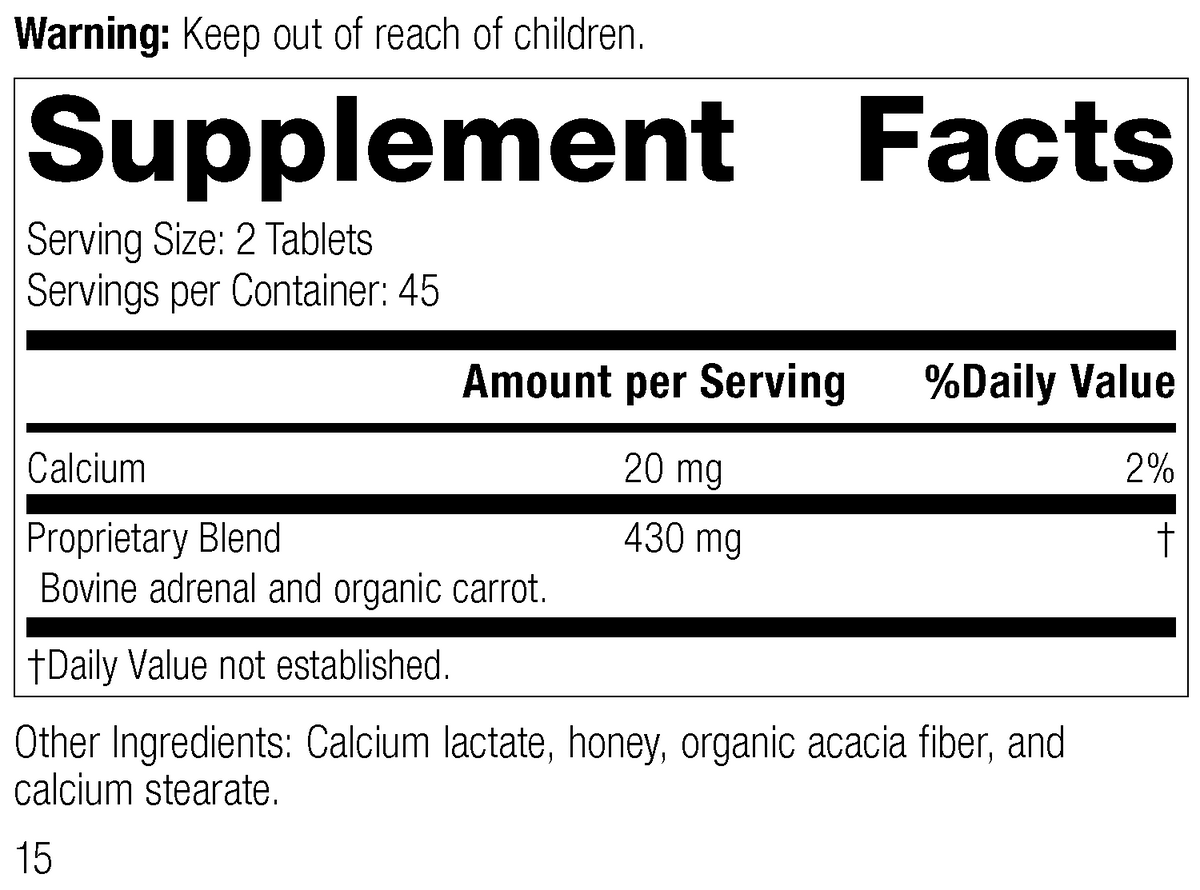
- Check the dose, not just the ingredient. Some nutrients are included in meaningful amounts, while others may be present only as a small addition. Avoid stacking several formulas with the same nutrient without checking totals.
- Review the full label. Look for allergens, serving size, inactive ingredients, and botanical blends. A formula should fit your dietary preferences and sensitivities.
- Consider medications and health history. Blood thinners, thyroid medications, diabetes medications, hormone therapies, and many other prescriptions can affect what is appropriate. Ask your pharmacist, physician, or practitioner when in doubt.
Build a Routine You Can Actually Maintain
A supplement plan does not need to be complicated to be effective. Start with one foundational formula or one clearly targeted product, take it consistently as directed, and give yourself time to notice how it fits into your routine. Keeping supplements near a meal or pairing them with an existing habit can improve consistency.
Then reassess. Are you sleeping better? Has your energy changed? Are you experiencing digestive discomfort or other unwanted effects? If nothing is improving after a reasonable trial, adding more products is not always the answer. It may be time to revisit the goal, review your lifestyle foundations, or seek more individualized guidance.
Lab work can also bring clarity when appropriate. Concerns about iron, vitamin D, thyroid function, blood sugar, or other health markers are better addressed with real information than assumptions. A practitioner can help connect those findings with a practical nutrition and supplement plan.
When Personalized Guidance Is Worth It
Consider practitioner support if you are taking several supplements, managing a chronic condition, using prescription medications, preparing for pregnancy, navigating perimenopause, or feeling unsure where to start. Personalized help is also valuable when symptoms persist despite healthy habits.
The best practitioner vitamins for women are not necessarily the most popular formulas or the longest protocols. They are the products selected with care, taken consistently, and adjusted as your needs change. Start with the concern that is most affecting your life, choose quality support with a clear purpose, and let your plan become more personal from there.




Leave a comment
This site is protected by hCaptcha and the hCaptcha Privacy Policy and Terms of Service apply.