

A heart-health routine should not start with a crowded supplement cabinet. It should start with the factors that most influence cardiovascular risk: blood pressure, cholesterol and triglycerides, blood sugar regulation, inflammation, sleep, stress, movement, and the quality of your everyday food. The best supplements for heart health can provide meaningful nutritional support, but they work best as part of a personalized plan rather than a substitute for medical care or healthy habits.
For many adults, the right starting point depends on what their body needs most. Someone with elevated triglycerides may benefit from a different approach than someone concerned about blood pressure, low dietary magnesium, medication-related nutrient depletion, or a family history of heart disease. That is why practitioner-guided formulas and individualized recommendations can be so valuable.
What Makes a Heart Supplement Worth Taking?
A quality cardiovascular supplement should have a clear purpose, a sensible dose, and ingredients supported by human research or longstanding clinical use. It should also fit your health history and medication list. “Natural” does not automatically mean appropriate for everyone, especially when you take blood thinners, blood pressure medication, cholesterol medication, diabetes medication, or have a diagnosed heart condition.
Whole-food-based and practitioner-trusted formulas can be a strong choice for people who value nutrient synergy and carefully sourced ingredients. Still, the formula matters more than the label claims. Look for transparent ingredient amounts, reputable manufacturing, and guidance that considers your full wellness picture.
Best Supplements for Heart Health: The Key Categories
Omega-3 fatty acids for triglyceride support
Omega-3 fatty acids, particularly EPA and DHA from fish oil or algae oil, are among the most recognized nutrients for cardiovascular wellness. They may help support healthy triglyceride levels already within a normal range and contribute to normal inflammatory balance. For people who rarely eat fatty fish, an omega-3 supplement may help fill a meaningful nutritional gap.
The trade-off is that dose and form matter. Higher-dose omega-3 products should not be chosen casually, particularly if you use anticoagulant or antiplatelet medication, have a bleeding disorder, or are preparing for surgery. Fishy aftertaste, reflux, and digestive upset can also occur. Taking the supplement with food or choosing a well-purified formula may improve tolerance.
CoQ10 for cellular energy and statin support
Coenzyme Q10, commonly called CoQ10, helps support cellular energy production. The heart is a highly energy-demanding muscle, which makes CoQ10 a popular choice in practitioner-guided cardiovascular protocols. It is also frequently considered for people taking statin medications, since statins can lower CoQ10 levels in the body.
CoQ10 is not a replacement for prescribed cholesterol medication, and it should not be used as a reason to stop a statin without speaking with the prescribing clinician. Some people prefer ubiquinol, an active form that may be useful for absorption, while others do well with standard ubiquinone. Taking it with a meal that contains fat can support absorption.
Magnesium for blood pressure, rhythm, and relaxation
Magnesium supports hundreds of processes in the body, including muscle function, nerve signaling, healthy blood vessel tone, and normal heart rhythm. Low magnesium intake is common, especially among adults who eat few leafy greens, nuts, seeds, beans, and whole grains. Stress, digestive concerns, and certain medications can further affect magnesium status.
Different forms serve different needs. Magnesium glycinate is often well tolerated and may fit an evening wellness routine. Magnesium citrate can be useful when constipation is also a concern, though it may loosen stools. Magnesium oxide is inexpensive but is generally less absorbable. People with kidney disease should only use magnesium under medical supervision, because impaired kidneys may not clear it properly.
Soluble fiber for cholesterol and metabolic health
Fiber is not always thought of as a heart supplement, but it deserves a place in the conversation. Soluble fiber, including psyllium husk and certain plant fibers, can support healthy cholesterol levels as part of a heart-conscious diet. It also supports digestive regularity and may help promote steadier post-meal blood sugar levels.
Fiber works gradually, not overnight. Start with a lower amount, increase slowly, and drink adequate water to reduce gas or bloating. Because fiber can affect how some medications are absorbed, it is wise to separate it from prescriptions by a few hours unless your pharmacist or clinician advises otherwise.
Plant sterols and stanols for cholesterol support
Plant sterols and stanols are naturally occurring compounds that can reduce cholesterol absorption in the digestive tract. For adults working on LDL cholesterol through diet and lifestyle, they may be a practical addition to a broader plan. Their benefit is typically strongest when they are taken consistently with meals.
They are not appropriate for every situation. If cholesterol is significantly elevated, if there is a history of cardiovascular disease, or if a clinician has recommended medication, supplements should support the care plan rather than compete with it. Regular lab work gives you a better picture of whether your routine is working.
Garlic, aged garlic, and circulation-focused botanicals
Certain botanical ingredients are used to support healthy circulation and cardiovascular function. Aged garlic is one of the better-known options and may support already healthy blood pressure and cholesterol levels for some adults. Hawthorn has a long history of traditional use for heart support, but it requires more caution because it can interact with cardiac medications.
Botanical formulas are where personalized guidance matters most. Herbs can be powerful, and combining several circulation-support ingredients without considering medications, blood pressure readings, or medical history can create unnecessary risk. A practitioner can help you decide whether a botanical formula fits your goals or whether a foundational nutrient approach is the safer place to begin.
Match Your Supplement Plan to Your Main Goal
The most effective routine is often simpler than people expect. If your main concern is low fish intake and elevated triglycerides, omega-3s may be a logical conversation. If you take a statin and experience muscle discomfort, discussing CoQ10 with your clinician may be worthwhile. If your diet is low in produce, legumes, nuts, and whole grains, fiber and magnesium may offer more foundational value than an expensive specialty blend.
For blood pressure concerns, do not rely on supplements alone. Home blood pressure monitoring, sodium intake, alcohol use, sleep quality, stress management, body weight, and physical activity all deserve attention. A supplement can complement these efforts, but persistent readings of 130/80 or higher should be discussed with a healthcare professional, especially if you have diabetes, kidney disease, or a family history of early heart disease.
Safety Comes Before Adding Another Bottle
Before beginning a cardiovascular supplement, review your medications and diagnoses. This is especially important with aspirin, warfarin and other blood thinners, blood pressure drugs, digoxin, diuretics, statins, and diabetes medications. Pregnancy, breastfeeding, liver disease, kidney disease, planned surgery, and a history of arrhythmia also call for individualized professional guidance.
Seek urgent medical care for chest pressure or pain, shortness of breath, fainting, sudden weakness, new confusion, or pain that spreads to the jaw, arm, back, or shoulder. Supplements are designed for nutritional support, not for treating a possible cardiac emergency.
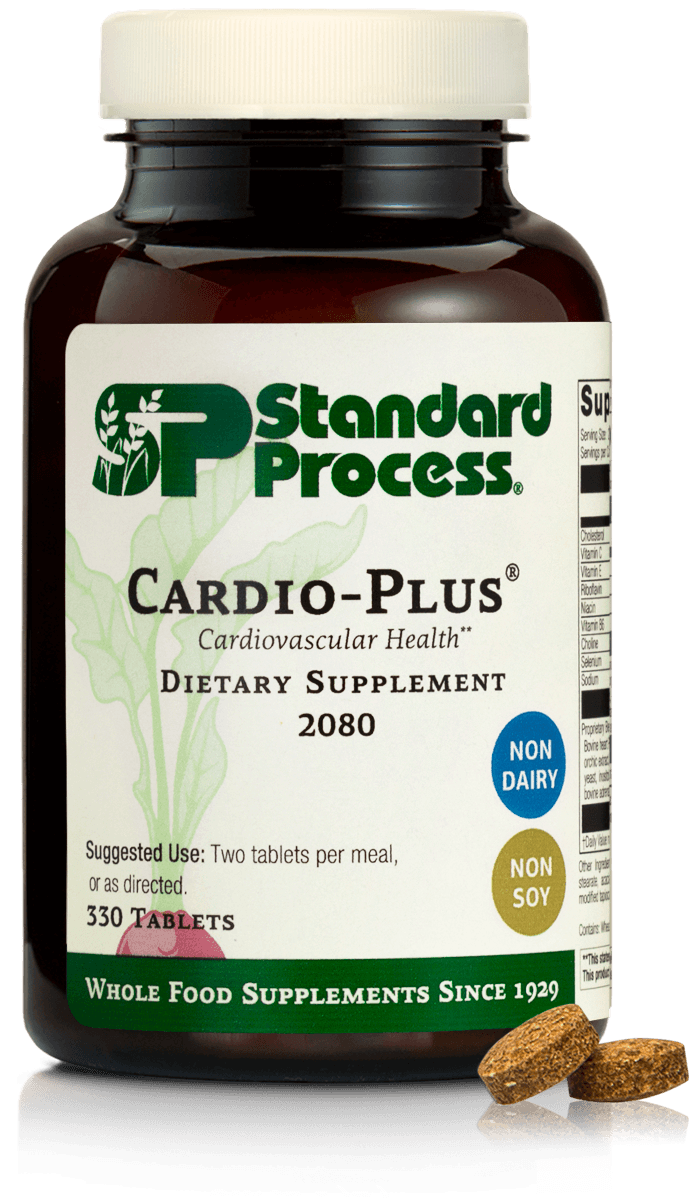
At Fast Track To Health, a practitioner-guided approach can help reduce the guesswork. Instead of selecting products based on a trending ingredient, consider your current diet, symptoms, prescriptions, lab values, and long-term health priorities before building a plan.
Your heart benefits most from consistent, informed choices. Start with one clear goal, choose a quality formula that fits that goal, and give your routine enough time to pair with the daily habits that protect cardiovascular health for years to come.





Leave a comment
This site is protected by hCaptcha and the hCaptcha Privacy Policy and Terms of Service apply.