

A one-a-day multivitamin can look like a simple solution: one bottle, a long nutrient label, and a quick routine. But when comparing whole food supplements vs multivitamins, the real question is not which option has the longest label. It is which form of nutritional support fits your diet, health goals, sensitivities, medications, and practitioner-guided plan.
For someone eating a varied diet with no known concerns, a basic multivitamin may be a reasonable nutritional safety net. For someone managing digestive discomfort, stress demands, hormone changes, immune needs, or a targeted wellness protocol, the source and formulation of a supplement can matter much more. The best choice is personal, practical, and grounded in what your body actually needs.
Whole Food Supplements vs Multivitamins: The Core Difference
Multivitamins typically combine isolated vitamins and minerals into one formula. These nutrients may be synthetic, nature-identical, or derived from food-based ingredients, depending on the product. A standard multivitamin is designed for broad coverage and convenience, often supplying a percentage of the Daily Value for several essential nutrients.
Whole food supplements are made from concentrated foods, food extracts, or ingredients grown and processed to retain naturally occurring compounds. In addition to a particular vitamin or mineral, they may contain cofactors found in food, such as phytonutrients, enzymes, and naturally associated compounds. The goal is not to replicate a perfect meal in a capsule or tablet. No supplement can do that. Rather, it is to provide nutritional support from recognizable food sources in a more complete matrix.
That distinction sounds straightforward, but labels can be confusing. “Food-based,” “natural,” and “whole food” are not always used consistently across the supplement industry. Look beyond the front label. A trusted formula clearly identifies its ingredients, provides meaningful amounts, follows quality manufacturing standards, and comes from a brand with a strong practitioner reputation.
Why Nutrient Form Can Matter
Food contains nutrients that work together. An orange offers vitamin C, but it also contains water, fiber, flavonoids, and other plant compounds. Leafy greens provide folate alongside magnesium, vitamin K, carotenoids, and many naturally occurring compounds. Researchers continue to study how these relationships influence nutrient use in the body.
Whole food formulas seek to preserve some of that broader nutritional context. For people who prefer a food-first, holistic approach, this can be especially appealing. Practitioner-trusted whole food products are often chosen to complement a targeted plan for foundational wellness, digestion, immune support, women’s health, or cardiovascular health.
That does not mean isolated nutrients are automatically inferior. Certain nutrients are best used in specific, measured forms, particularly when a clinician has identified a need through symptoms, diet history, or lab work. A person with low vitamin D, for example, may need a precise vitamin D supplement rather than relying on the small amount included in a general whole food formula. The appropriate form and dose depend on the goal.
When a Multivitamin May Be a Practical Choice
A well-made multivitamin has a place. It can offer simple, affordable support for adults whose meals are occasionally inconsistent, who travel frequently, or who want baseline coverage without building a complex routine. It may also be useful during periods of increased demand, such as a hectic work season or a temporary change in eating habits.
The convenience is real. One serving can provide a range of essential nutrients without requiring multiple bottles. For people new to supplements, that simplicity can make a healthy routine easier to maintain.
Still, a multivitamin is not a substitute for food or a personalized protocol. Many formulas provide broad nutrient coverage at modest doses, which may be helpful for maintenance but may not address a specific concern. Some also rely on forms or amounts that do not align with every person’s needs. The label deserves a careful read, especially if you already use individual nutrients, fortified foods, or prescription medications.
When Whole Food Supplements May Be the Better Fit
Whole food supplements often appeal to people who want to support their nutrition with ingredients that reflect a food-centered philosophy. They can be a strong fit when your goal is foundational wellness rather than checking off every vitamin and mineral in a single tablet.
They may also make sense for adults who value practitioner-guided care. A targeted whole food formula can be selected as part of a broader approach that considers stress, sleep, digestion, food quality, activity, and life stage. This is particularly helpful when a generic one-a-day has not felt like the right answer, or when your supplement cabinet has become a collection of random products chosen without a clear plan.
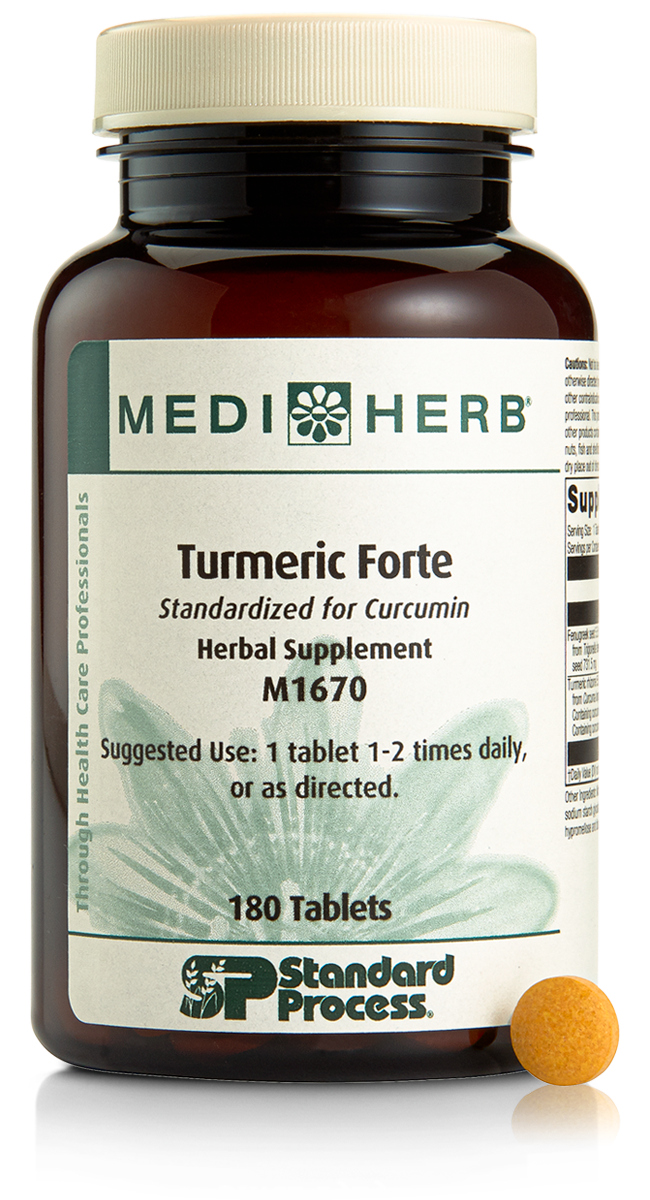
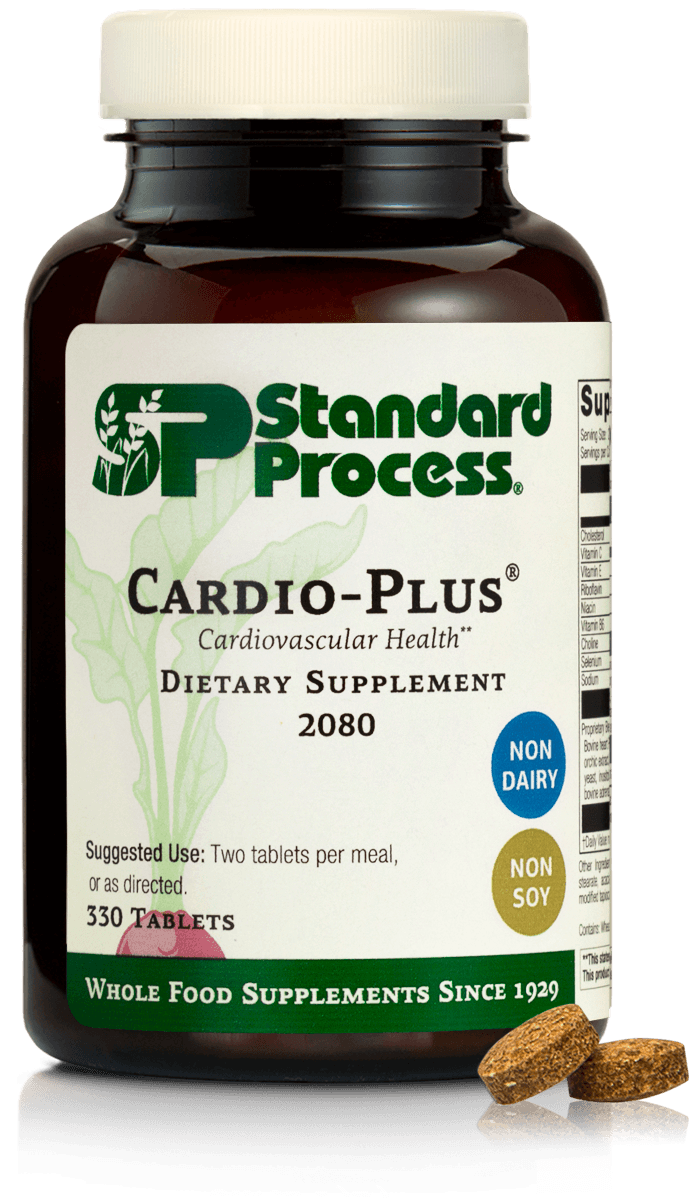
Quality matters here. Whole food formulas vary in their sourcing, processing, and potency. Choose brands that have earned trust among practitioners, use transparent ingredient standards, and provide clear directions for use. Fast Track To Health focuses on practitioner-trusted whole food formulas because guidance and product quality should work together.
What Neither Option Can Do
It is easy to treat supplements as nutritional insurance and then let the rest of the routine slide. Neither whole food supplements nor multivitamins can replace a diet built around vegetables, fruit, protein, fiber-rich carbohydrates, healthy fats, and adequate hydration. They cannot compensate for chronically poor sleep, unmanaged stress, or a medication interaction.
They also cannot diagnose a deficiency or treat a medical condition. Fatigue, hair changes, digestive symptoms, frequent illness, mood shifts, and unexplained weight changes can have many causes. Guessing with high-dose supplements may delay the right conversation with a qualified healthcare professional.
A supplement works best as one useful part of a larger health plan. The basics are less glamorous than a new bottle, but they usually have the greatest influence on how you feel day to day.
How to Choose Between the Two
Start by defining the purpose. Are you looking for simple daily coverage, or are you trying to support a specific wellness goal? That answer should guide the formula, rather than a marketing claim or a friend’s routine.
Consider these five questions before buying:
- Is my daily diet varied, or am I consistently missing major food groups?
- Do I have a known deficiency, symptom pattern, or health goal that calls for professional guidance?
- Am I already taking separate nutrients that could overlap with a multivitamin?
- Do I have food sensitivities, allergies, digestive concerns, or ingredient preferences?
- Am I taking medications, pregnant, nursing, or managing a health condition?
Read the Label With a Critical Eye
Do not assume more is better. Extremely high nutrient amounts are not always beneficial, particularly for fat-soluble vitamins such as A, D, E, and K, or minerals such as iron. Iron is a good example: some adults need it, while others should avoid taking it unless a clinician recommends it.
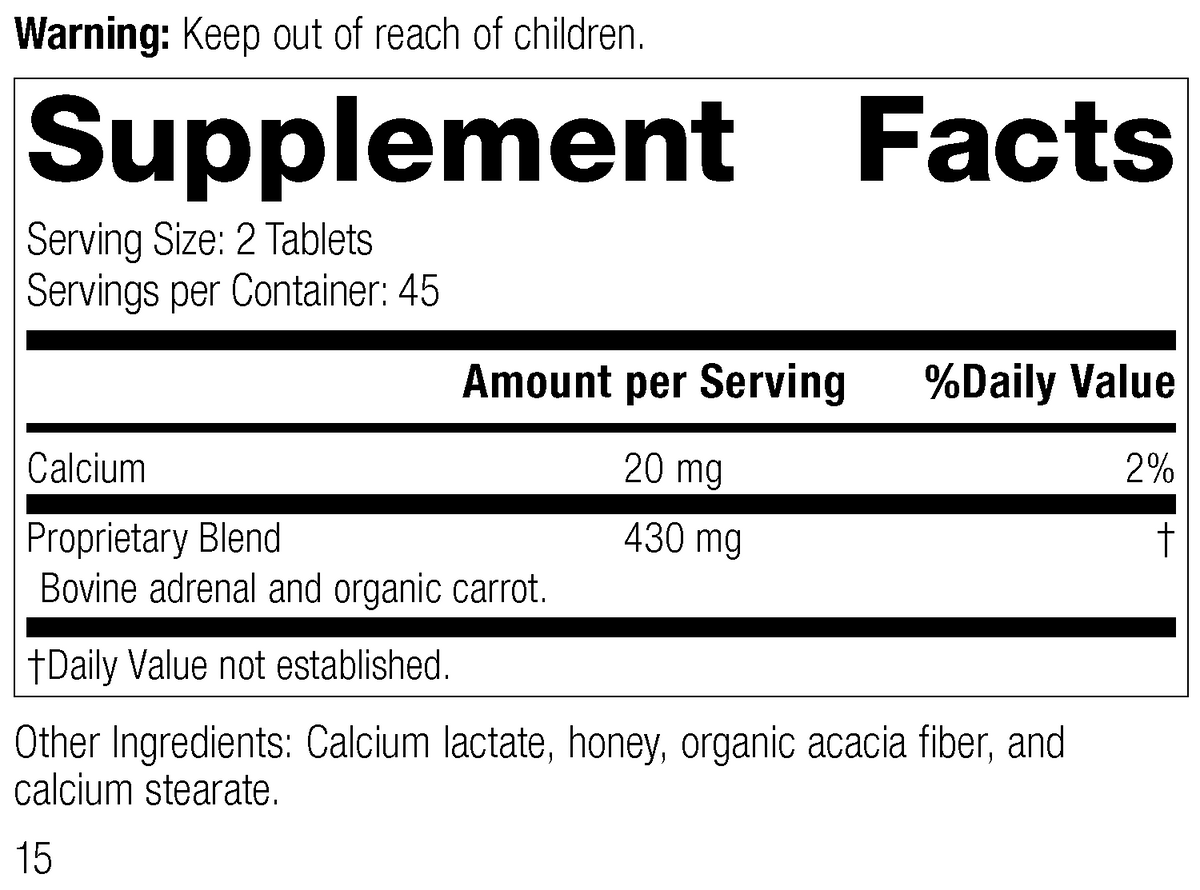
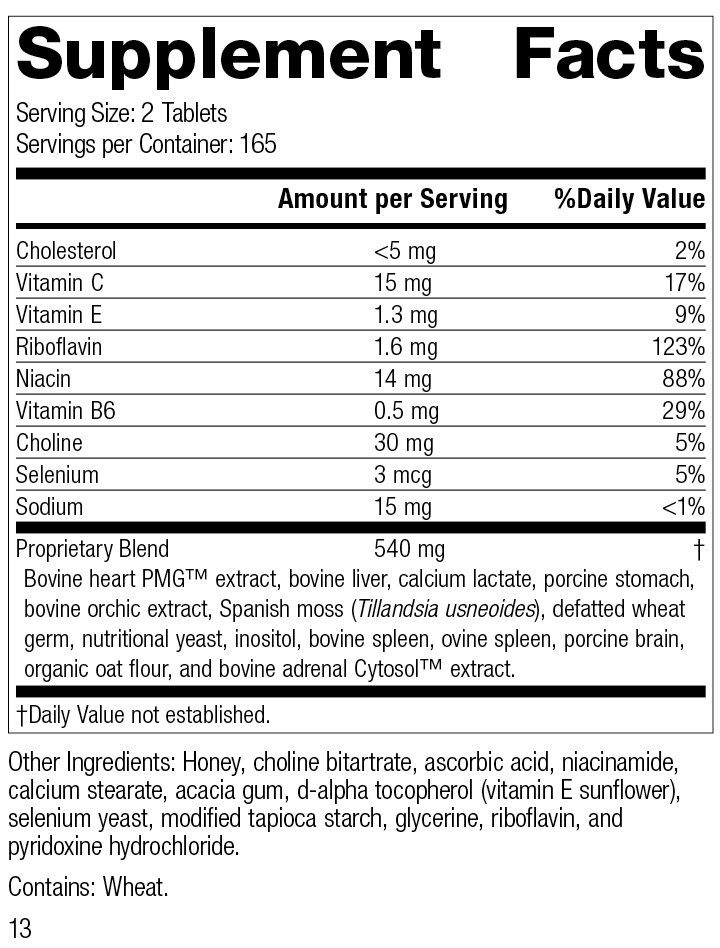
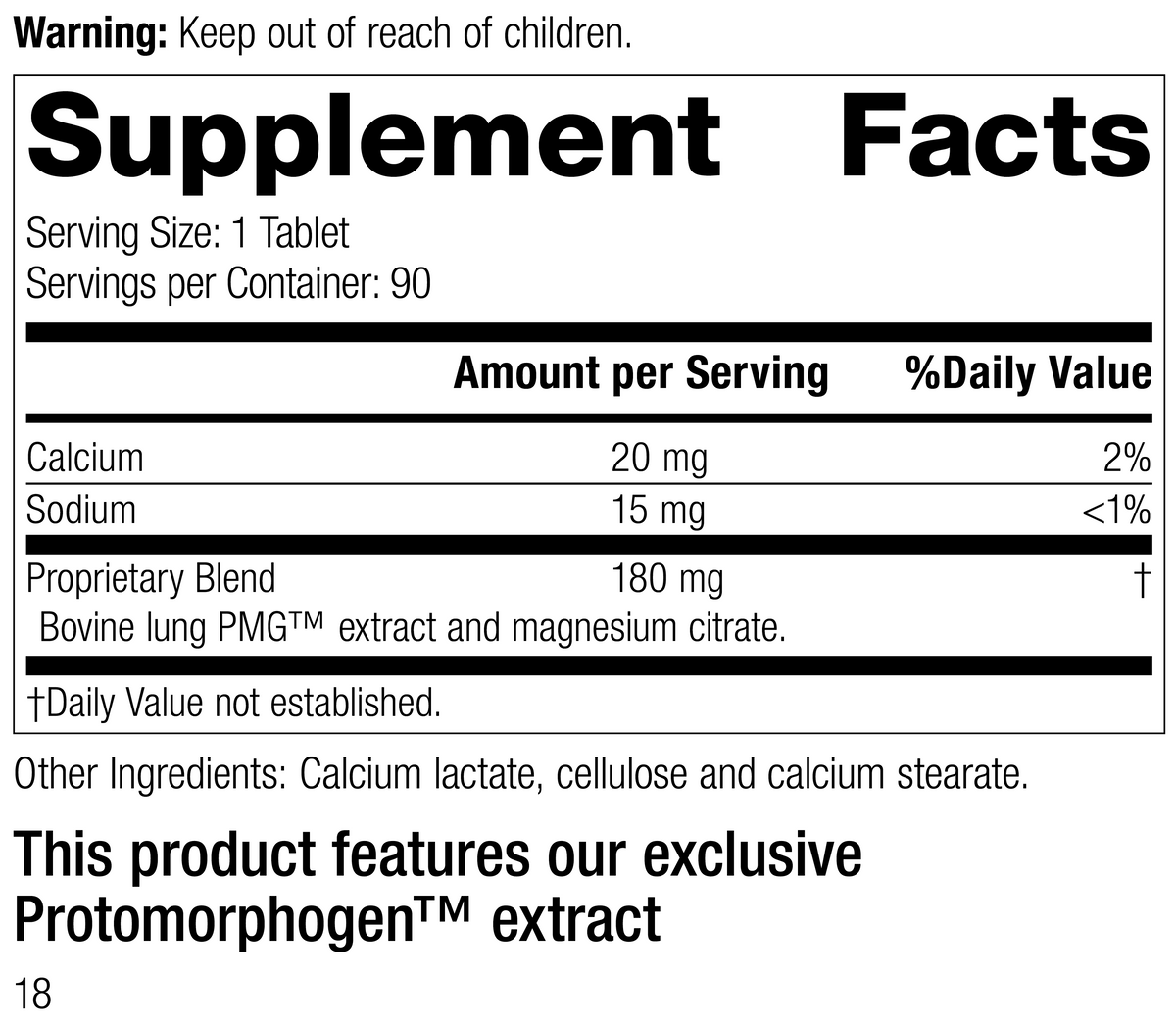
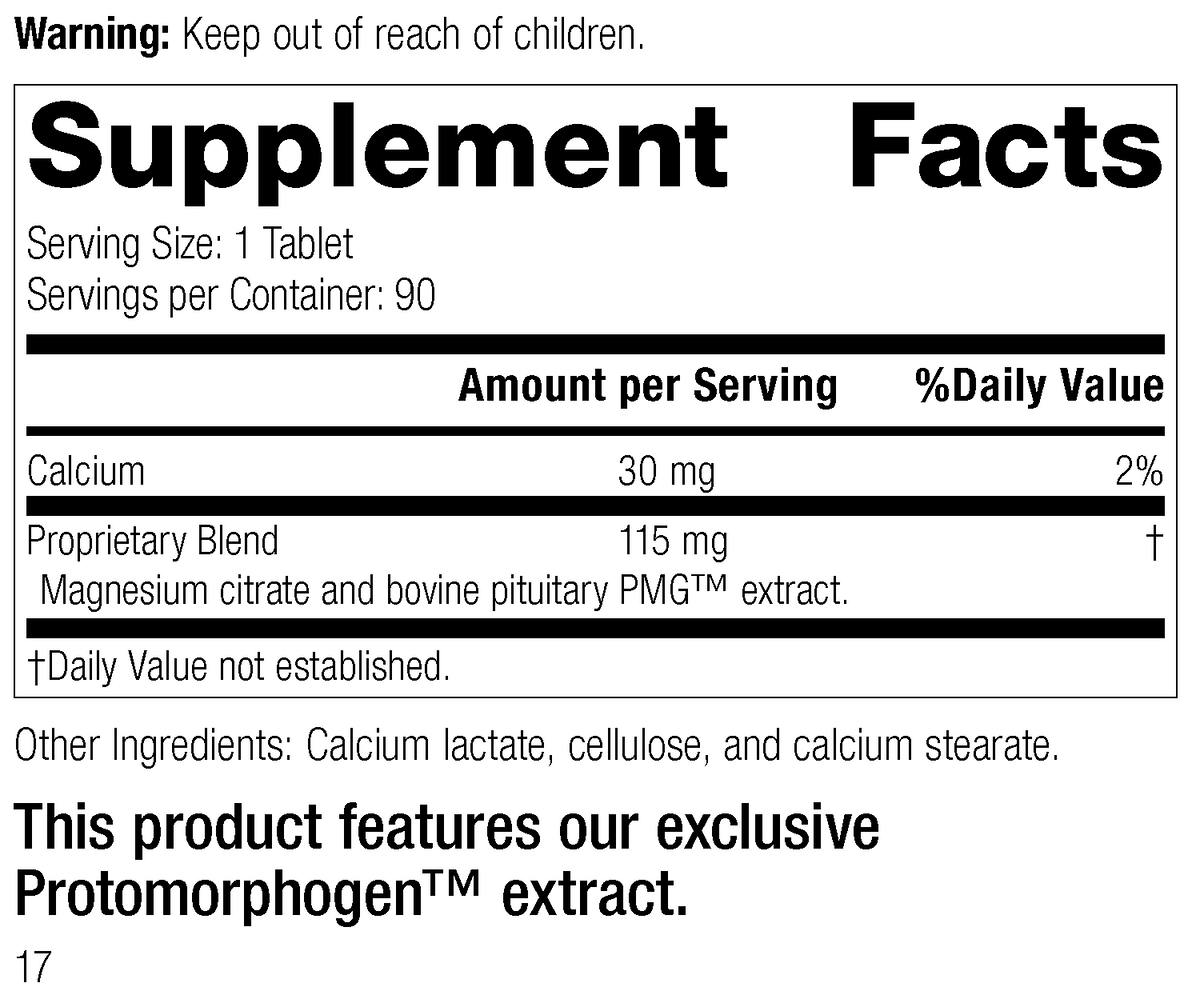
Check the serving size, not just the nutrients listed. A label may look comprehensive but require several tablets per day. Review the forms of key nutrients, the presence of added herbs or stimulants, and any ingredients that do not work for your dietary needs. If a formula uses a proprietary blend, you may not know the amount of each active ingredient, making it harder to assess whether it fits your plan.
For whole food products, look for specificity about the food sources and processing. For multivitamins, look for sensible doses and nutrient forms chosen with purpose. In both cases, authorized sourcing and manufacturer quality standards are worth prioritizing over bargain pricing.
Personalized Guidance Prevents Supplement Overload
The supplement aisle can make every health goal seem like it needs five separate products. Often, the better move is to simplify. A practitioner can help connect your symptoms, health history, diet, labs when appropriate, and current medications to a plan that has a reason behind it.
This is especially valuable for people working through hormone concerns, chronic stress, digestive changes, or immune support needs. A personalized protocol may include whole food formulas, individual nutrients, lifestyle adjustments, or a combination of these approaches. It should also have a plan for reassessment, rather than becoming a permanent stack by default.
If you are choosing for a child, an older adult, or a pet, avoid applying an adult formula without professional advice. Age, size, medical history, and medication use change what is appropriate.
Your next supplement does not need to be the most popular product on the shelf. Choose the option that has a clear purpose, a quality standard you can trust, and a place in a routine you can realistically maintain. When you pair thoughtful nutrition with practitioner guidance, your wellness plan becomes far more useful than a label full of promises.








Leave a comment
This site is protected by hCaptcha and the hCaptcha Privacy Policy and Terms of Service apply.