
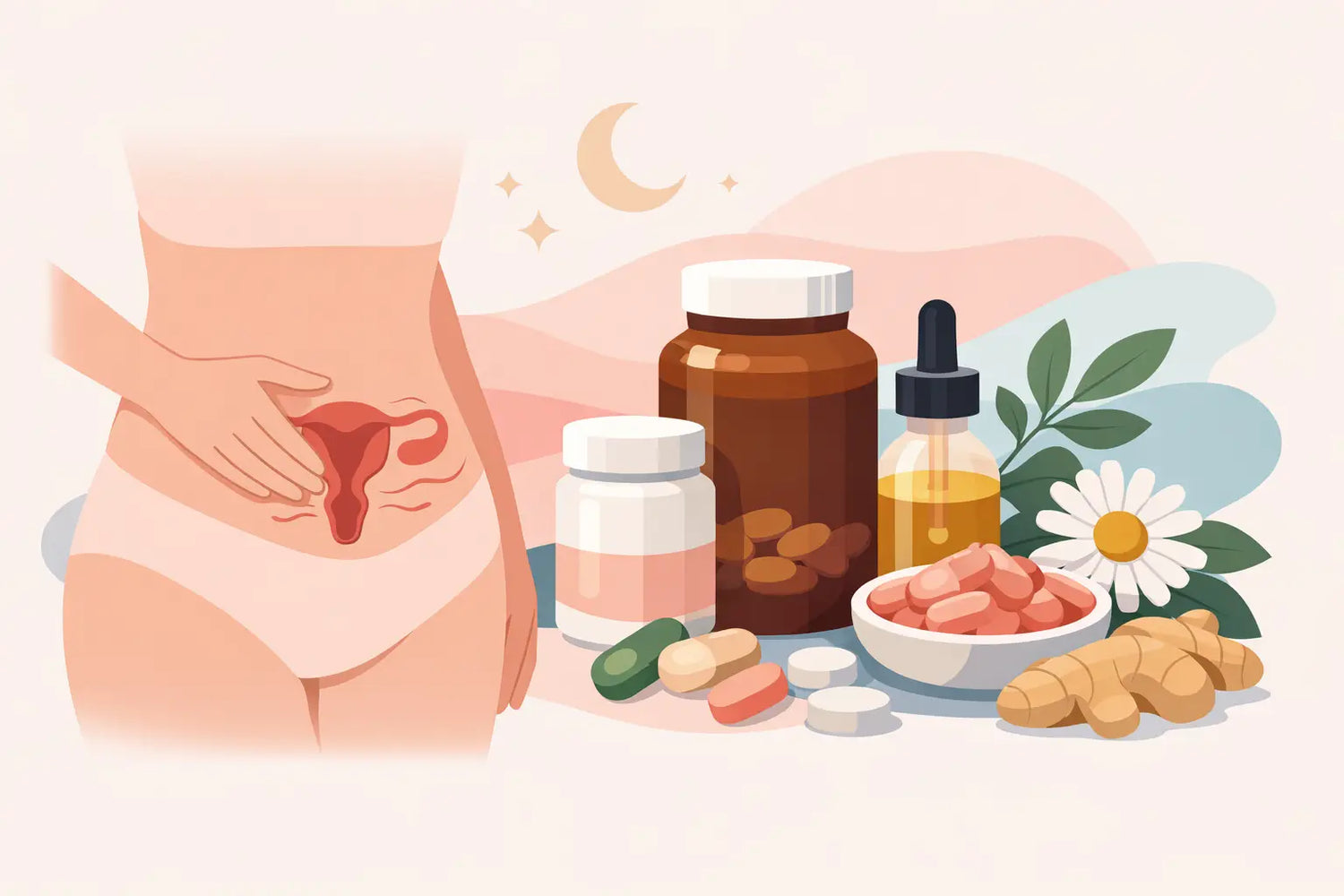
A period can bring more than cramps. For many women, the few days before and during menstruation can also mean low energy, breast tenderness, bloating, headaches, irritability, sleep changes, and a general feeling of being off. The best supplements for menstrual comfort are not a one-size-fits-all solution, but the right nutritional foundation can be a meaningful part of a personalized wellness plan.
The goal is not to simply take every popular product on the shelf. It is to identify the symptoms that affect your routine most, choose practitioner-trusted formulas with purposeful ingredients, and give your body time to respond. Supplements work best alongside regular meals, hydration, restorative sleep, movement, and appropriate medical care.
What to Look for in Menstrual Comfort Support
Menstrual symptoms can be influenced by nutrient status, stress response, inflammation, digestion, sleep, and hormone signaling. That is why a single ingredient may be helpful for one person but fall short for another.
Start by considering your pattern. Are cramps the main concern? Do you feel more emotional, anxious, or fatigued before your period? Is bloating making your clothes uncomfortable? Do symptoms interfere with work, sleep, or family life? A clear symptom pattern makes it easier to choose support with intention rather than building an overly complicated routine.
Quality matters, too. Look for transparent labels, clinically sensible dosages, and trusted manufacturing standards. Whole-food and practitioner-grade formulas can be particularly valuable for people who want broad nutritional support rather than isolated nutrients alone. If you use medications, are pregnant or nursing, or have a health condition, review any new supplement with your physician or qualified practitioner first.
7 Best Supplements for Menstrual Comfort
1. Magnesium for cramps, tension, and sleep
Magnesium is often a smart first consideration for menstrual comfort. This essential mineral supports normal muscle relaxation and nerve function, which is relevant when uterine cramping and body tension are part of the picture. It may also support restful sleep and a calmer stress response during the premenstrual phase.
Forms matter. Magnesium glycinate is commonly chosen for a gentler, calming option, while magnesium citrate may be more useful when occasional constipation is also present. Citrate can loosen stools in some people, so it is not always the best fit. Begin conservatively and assess tolerance rather than assuming more is better.
2. Vitamin B6 for PMS-related mood and energy support
Vitamin B6 plays a role in neurotransmitter production and normal energy metabolism. For women whose premenstrual days bring irritability, low mood, food cravings, or fatigue, a well-designed B-complex or women’s nutrient formula may offer useful foundational support.
B6 is not a quick fix, and it should not be taken in high doses indefinitely without professional guidance. Excess supplemental B6 can cause nerve-related side effects. A balanced formula is generally a more thoughtful approach than chasing a megadose of one nutrient.
3. Calcium and vitamin D for a stronger nutrient foundation
Calcium is not just a bone-health nutrient. Adequate calcium intake has also been studied for support during the menstrual cycle, including common PMS concerns. Vitamin D helps the body absorb and use calcium and is especially relevant for people with limited sun exposure or a known low vitamin D level.
Food remains an important source of both nutrients, but supplementation may help fill nutritional gaps. Calcium is best chosen with the full picture in mind, including dietary intake, digestive comfort, kidney health, and any medications. Your practitioner can help determine whether a standalone calcium formula is appropriate or whether a broader whole-food supplement is the better choice.
4. Omega-3 fatty acids for whole-body inflammatory balance
Omega-3 fatty acids, particularly EPA and DHA from fish oil or algae oil, support a healthy inflammatory response throughout the body. That makes them worth considering for women who experience monthly discomfort, tenderness, or stiffness alongside menstrual cramps.
Consistency matters more than taking omega-3s only when your period begins. These fats are incorporated into cell membranes over time, so daily use is often the more practical strategy. Choose a quality-tested product and take it with a meal to improve tolerance. Anyone using blood-thinning medication should seek professional advice before adding an omega-3 supplement.
5. Ginger for occasional cramp and nausea support
Ginger has a long history of use for digestive comfort and is a practical botanical to consider when menstrual days include nausea, queasiness, or an unsettled stomach. Research also suggests it may be helpful for occasional menstrual cramping.
Ginger can be used as tea, food, or a standardized supplement. A supplement may provide a more consistent dose, while tea can be a gentle option for someone who prefers a simple ritual. Ginger is generally well tolerated, but it can interact with certain medications and may not be the right choice for everyone with gallbladder concerns or bleeding disorders.
6. Chaste tree for cycle-related symptom patterns
Chaste tree, also called vitex, is one of the better-known herbs used in practitioner-guided women’s health protocols. It is typically considered for recurring premenstrual symptom patterns, especially when breast tenderness, mood shifts, or cycle irregularity are part of the broader concern.
This is not an herb to add casually because it influences hormone-related signaling. It may not be appropriate for those who are pregnant, trying to conceive without guidance, breastfeeding, using hormonal medications, or managing a hormone-sensitive condition. Chaste tree often requires several cycles of consistent use before its effects can be fairly evaluated, so professional guidance is especially helpful here.
7. Targeted botanical blends for stress, bloating, or digestive comfort
Sometimes the best option is not a single ingredient but a focused blend selected for your symptom pattern. A formula with soothing digestive herbs may be appropriate when bloating and occasional nausea dominate. A stress-support blend may make more sense when premenstrual tension, poor sleep, and feeling overwhelmed are the main challenges.
The trade-off is that blends can make it harder to identify what is helping or causing a side effect. Choose formulas with clearly listed ingredients and avoid stacking multiple blends with overlapping herbs. A practitioner can simplify the process by building a protocol that supports your goals without unnecessary duplication.
How to Build a Simple Monthly Routine
A thoughtful routine does not need to be large. Many women begin with one foundational formula, such as a quality multinutrient or magnesium product, then add one targeted option based on their most disruptive symptoms. Track symptoms for two to three cycles, including cramp intensity, flow changes, sleep, digestion, mood, and energy.
Take notes on timing as well. Some nutrients are taken daily for steady support, while certain botanicals may be used during a specific phase of the cycle. Follow the product label and your practitioner’s directions rather than copying a protocol from social media.
Give a new routine enough time, but do not ignore your body’s feedback. Stop a supplement and seek guidance if you experience a rash, severe digestive upset, dizziness, unusual bleeding, or other concerning symptoms.
When Supplements Are Not Enough
Supplements can support comfort, but they should never be used to explain away severe or worsening menstrual symptoms. Schedule medical evaluation for very heavy bleeding, sudden changes in your cycle, pain that prevents normal activity, pain during sex, bleeding between periods, fainting, fever, or symptoms that do not improve with basic care.
Conditions such as endometriosis, fibroids, thyroid disorders, anemia, pelvic inflammatory disease, and polycystic ovary syndrome can overlap with common period complaints. Getting answers is not overreacting. It is a practical step toward a more effective plan.
For women who want more personalized support, Fast Track To Health can help connect supplement choices to a broader practitioner-guided wellness strategy. The most helpful formula is the one that fits your symptoms, health history, medications, and daily routine - and helps you feel more supported through every phase of your cycle.




Leave a comment
This site is protected by hCaptcha and the hCaptcha Privacy Policy and Terms of Service apply.