

The shift from bright, active summer days to darker mornings, busier calendars, and more time indoors can show up quickly in how you feel. When people ask about the best vitamins for seasonal wellness, they are usually looking for more than a quick fix. They want dependable nutritional support that fits real life, supports foundational body systems, and comes from a source they can trust.
Seasonal wellness is personal. A parent navigating a packed school-year schedule may have different needs than someone managing stress, digestive changes, low energy, or a restrictive diet. The right approach starts with a strong nutritional foundation, then adds targeted support when your routine, diet, symptoms, and practitioner guidance point to a gap.
Why seasonal changes can affect how you feel
The seasons change more than the weather. Less daylight may affect time outdoors and vitamin D exposure. Travel, celebrations, changing work demands, and indoor gatherings can disrupt sleep, movement, hydration, and regular meals. In colder months, many people also eat fewer fresh fruits and vegetables than they do when seasonal produce is abundant.
No supplement can replace sleep, nourishing food, stress care, or medical attention when it is needed. But well-chosen vitamins can help close nutritional gaps and support normal immune, energy, and nervous system function as your habits shift. The goal is not to take everything. It is to choose a thoughtful protocol you can follow consistently.
Best vitamins for seasonal wellness: where to start
There is no single best formula for every adult. Your age, medications, health history, diet, and lab work all matter. Still, several nutrients deserve a closer look when building a seasonal wellness routine.
Vitamin D for reduced sun exposure
Vitamin D is often a practical starting point during seasons when daylight is shorter and outdoor time drops. It supports bone health, normal immune function, and healthy muscle function. Since food sources are limited, many adults rely on a supplement, particularly if they live in northern areas, work indoors, have deeper skin tones, or avoid sun exposure.
More is not always better. Vitamin D is fat-soluble and can build up in the body, so a personalized dose is preferable to guessing. Ask your practitioner whether a vitamin D blood test makes sense, especially if you plan to take it for several months. Taking it with a meal containing healthy fat may also support absorption.
Vitamin C for everyday immune support
Vitamin C is an antioxidant nutrient that supports normal immune function and collagen production. It is found naturally in citrus, berries, peppers, broccoli, and leafy greens, but intake can fall when produce variety becomes limited or meals become more convenience-driven.
A whole-food vitamin C formula can be a sensible option for adults who want reliable daily support alongside a produce-rich diet. Higher amounts may cause digestive discomfort for some people, so the best dose is the one that supports your needs without making your stomach unhappy. If you have a history of kidney stones or kidney disease, get individualized advice before using higher-dose vitamin C.
Vitamin A and carotenoids for nutritional coverage
Vitamin A contributes to normal immune function, vision, and skin health. It is available as preformed vitamin A in certain animal foods and as provitamin A carotenoids in colorful plant foods such as carrots, sweet potatoes, spinach, and winter squash.
This is an area where formula quality and professional guidance matter. Preformed vitamin A can be excessive in high doses, and pregnancy requires particular caution. A whole-food multivitamin or food-based formula may offer a more balanced way to support dietary coverage than stacking several separate products without a clear reason.
B vitamins for changing demands
B vitamins help the body use nutrients from food and support normal energy metabolism and nervous system function. They are especially worth considering if your diet is limited, you follow a plant-based eating pattern, you are under prolonged stress, or you regularly skip meals.
A quality multivitamin can provide broad B-vitamin coverage without turning your cabinet into a collection of overlapping products. If fatigue is persistent, severe, or new, do not assume it is only seasonal. A practitioner can help evaluate factors such as iron status, thyroid health, sleep quality, blood sugar patterns, and medication effects.
Zinc when dietary intake is low
Zinc is a mineral rather than a vitamin, but it belongs in a practical seasonal wellness conversation because it supports normal immune function and wound healing. Oysters, meat, beans, nuts, seeds, and dairy can contribute zinc to the diet.
Zinc is best used with intention. Taking too much for too long may interfere with copper status and cause nausea. Rather than adding a high-dose zinc product automatically, consider whether a balanced multivitamin, short-term practitioner recommendation, or more zinc-rich foods make better sense for you.
Build your foundation before adding more products
The strongest seasonal protocol starts with daily habits that make your supplements work harder for you. Aim for consistent meals with protein, fiber, and colorful plants. Keep water accessible, especially when indoor heat or travel leaves you less aware of thirst. Protect a regular sleep window as much as possible, even when your schedule is full.
It also helps to think about food seasonally. Soups, roasted vegetables, beans, eggs, yogurt, citrus, frozen berries, and leafy greens can make nutrient-dense eating easier when fresh summer options are not front and center. Frozen produce is a valuable option, not a compromise.
If your primary goal is general coverage, a practitioner-trusted whole-food multivitamin may be a better fit than several single nutrients. If you already know you have a low vitamin D level, follow a plant-based diet, or are working through a specific wellness concern, targeted support may be more appropriate. That is the trade-off: broader formulas offer convenience, while individualized formulas offer precision.
Choose quality over a crowded supplement shelf
Not all vitamins are formulated with the same standards. Look for brands that are transparent about ingredients, dosing, and quality practices. Consider whether a formula uses meaningful amounts of nutrients, whether it fits your dietary needs, and whether it duplicates products you already take.
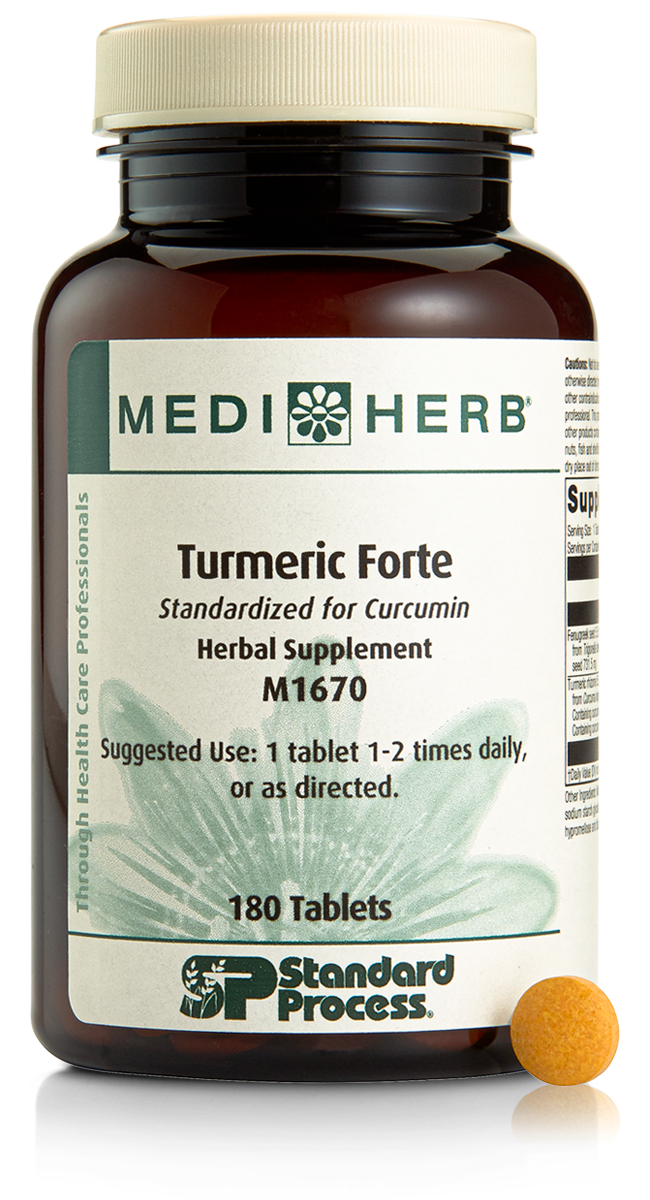
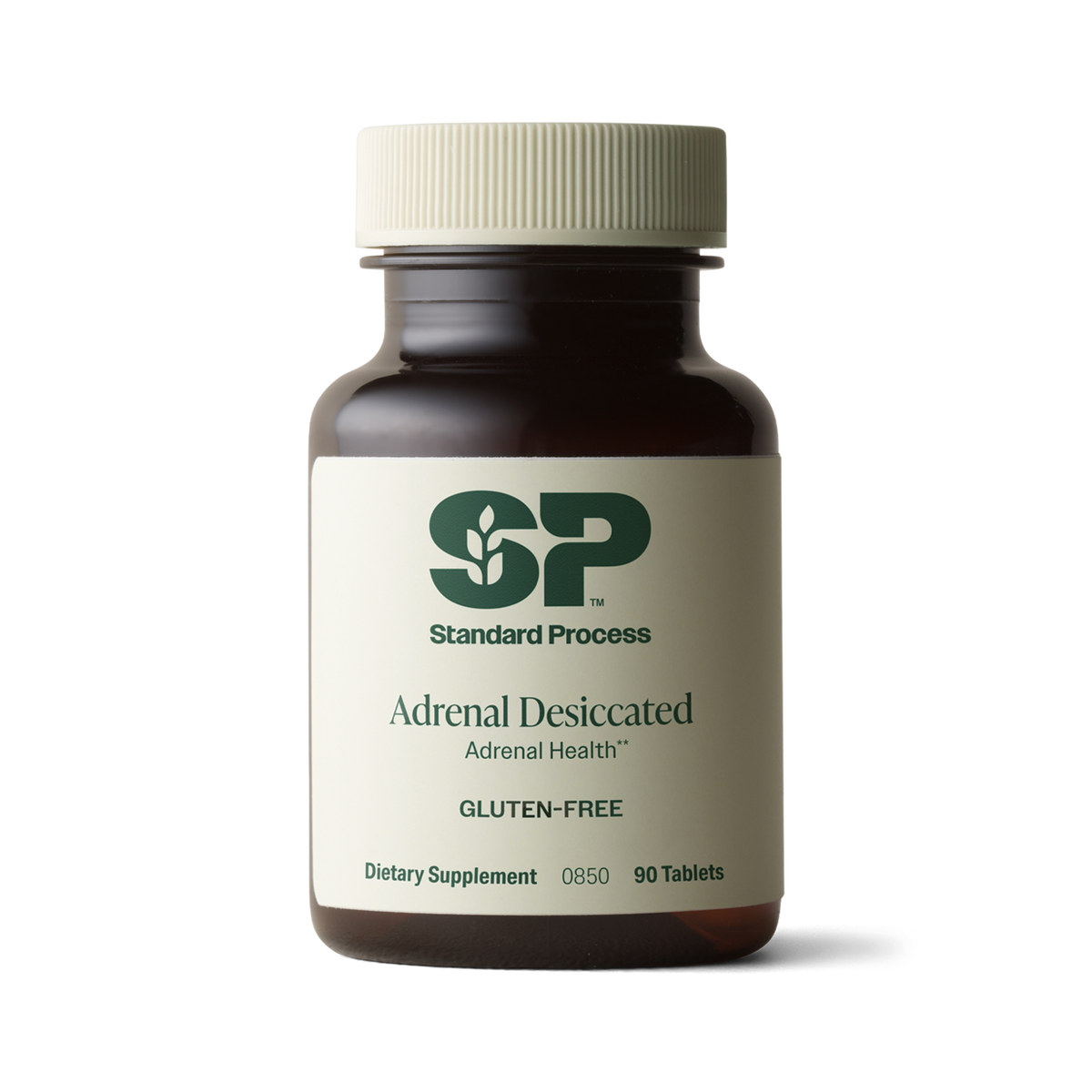
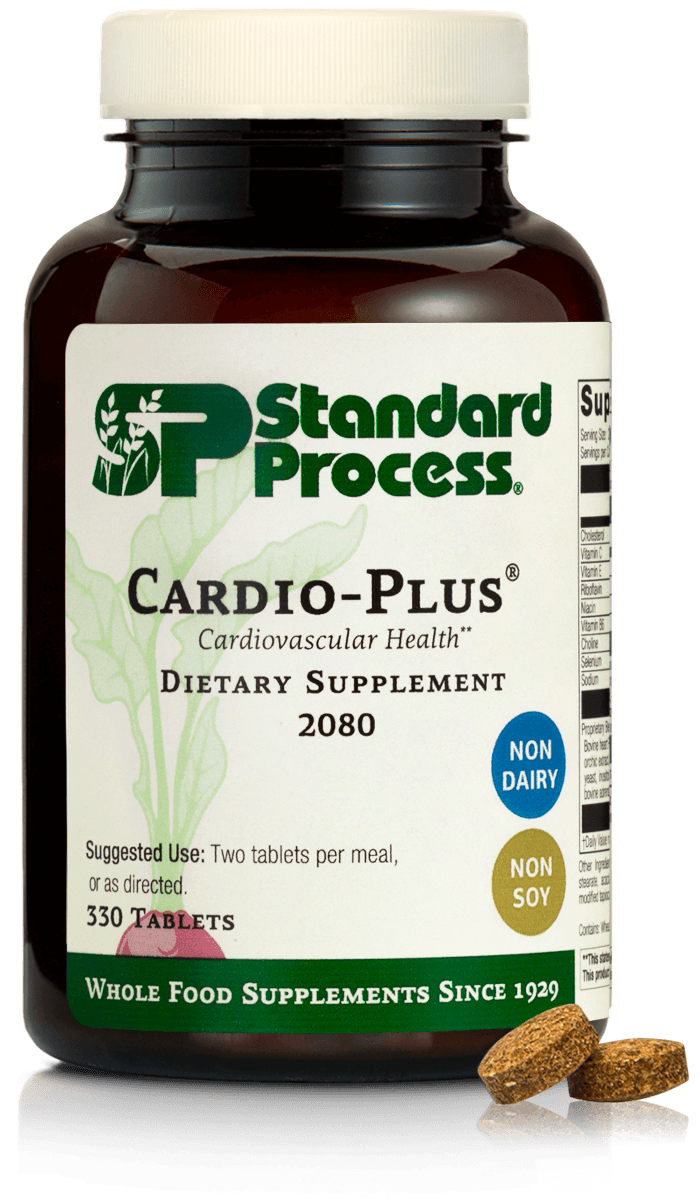
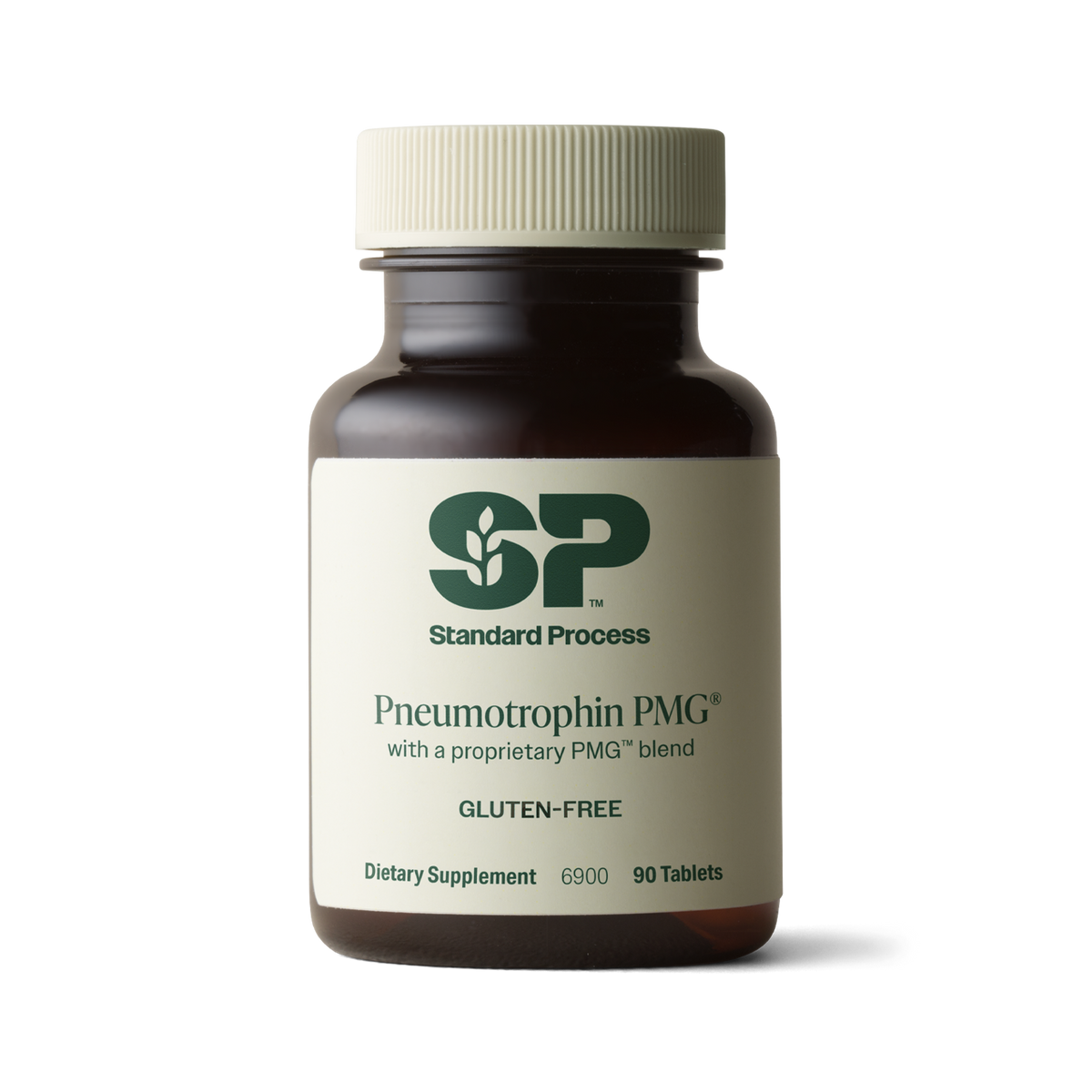
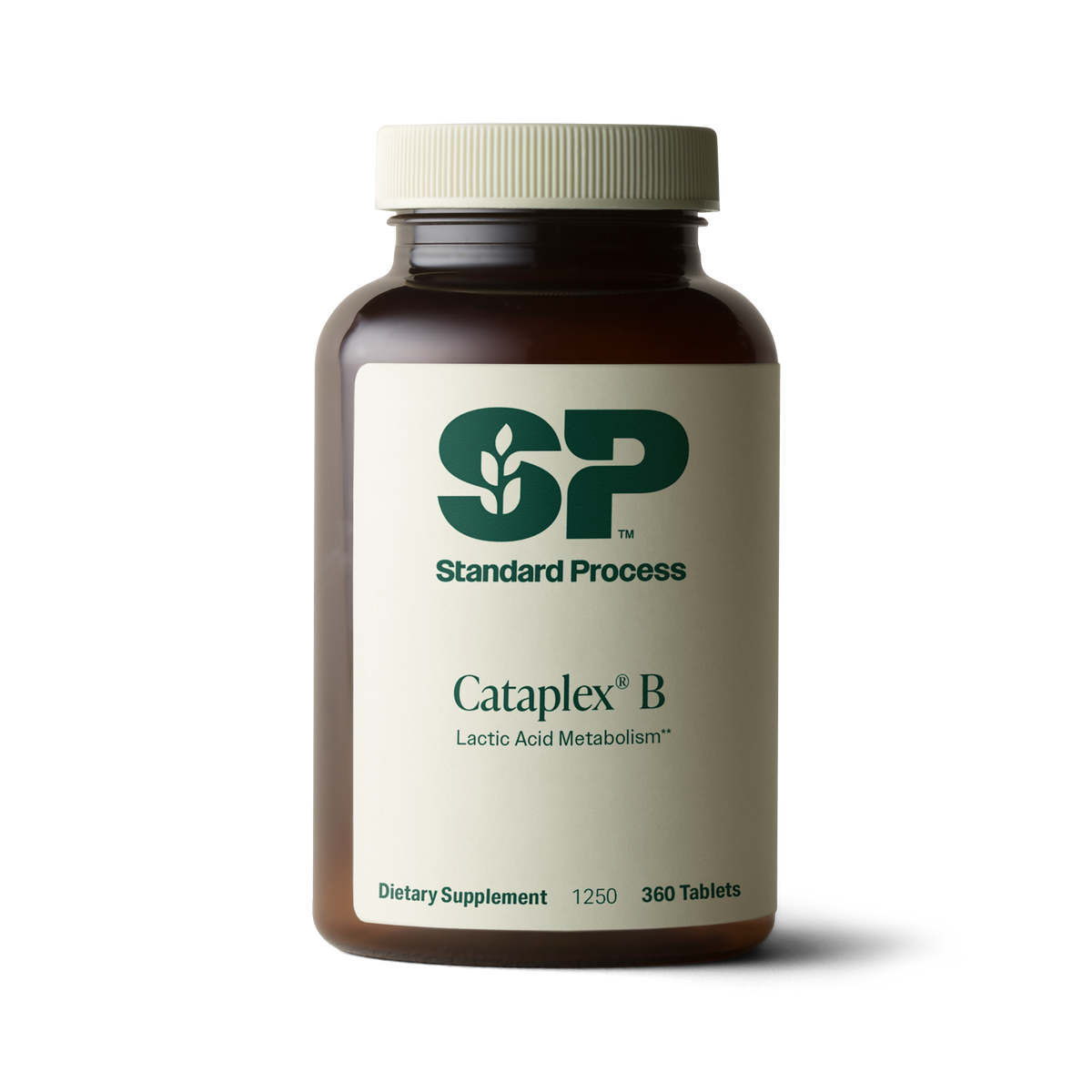
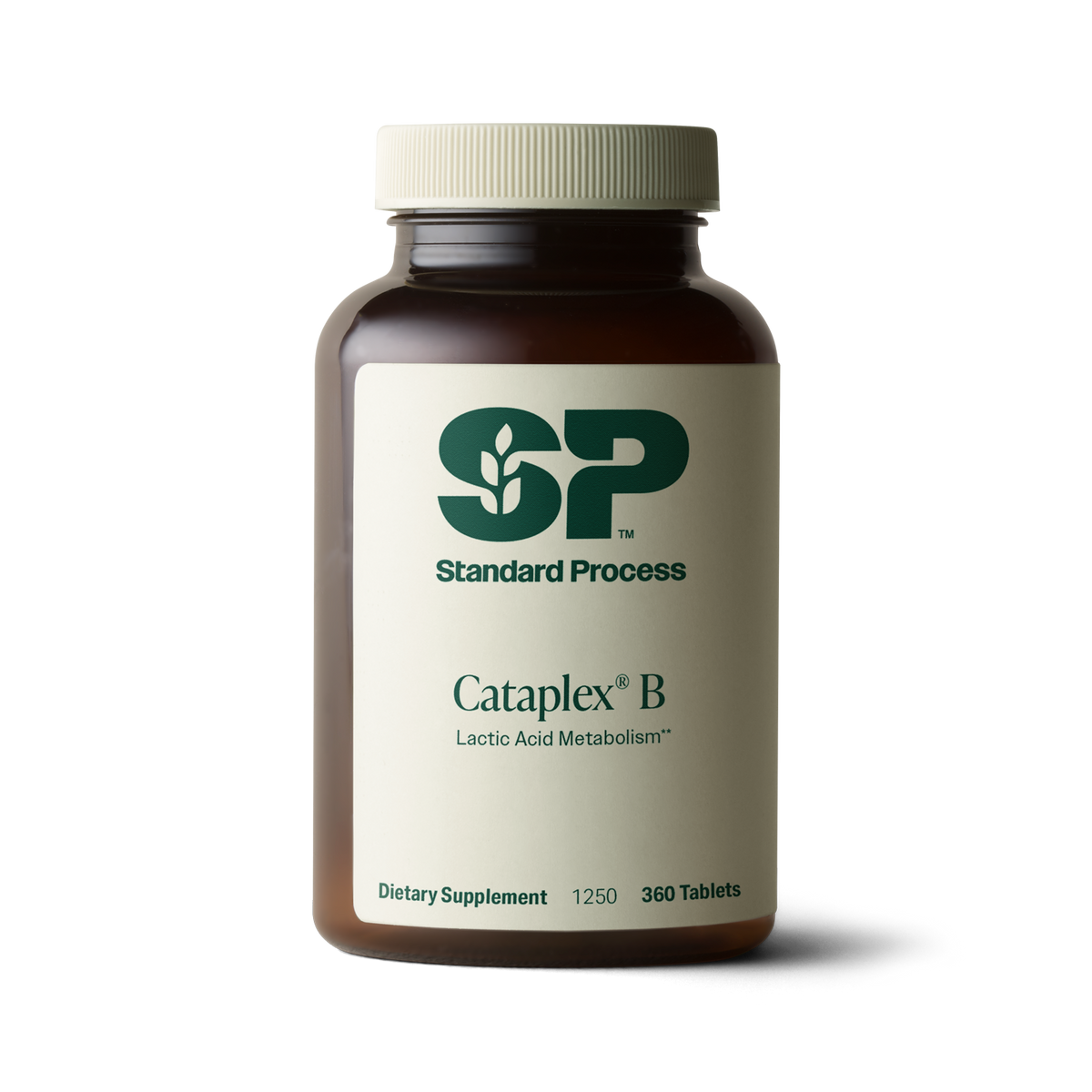
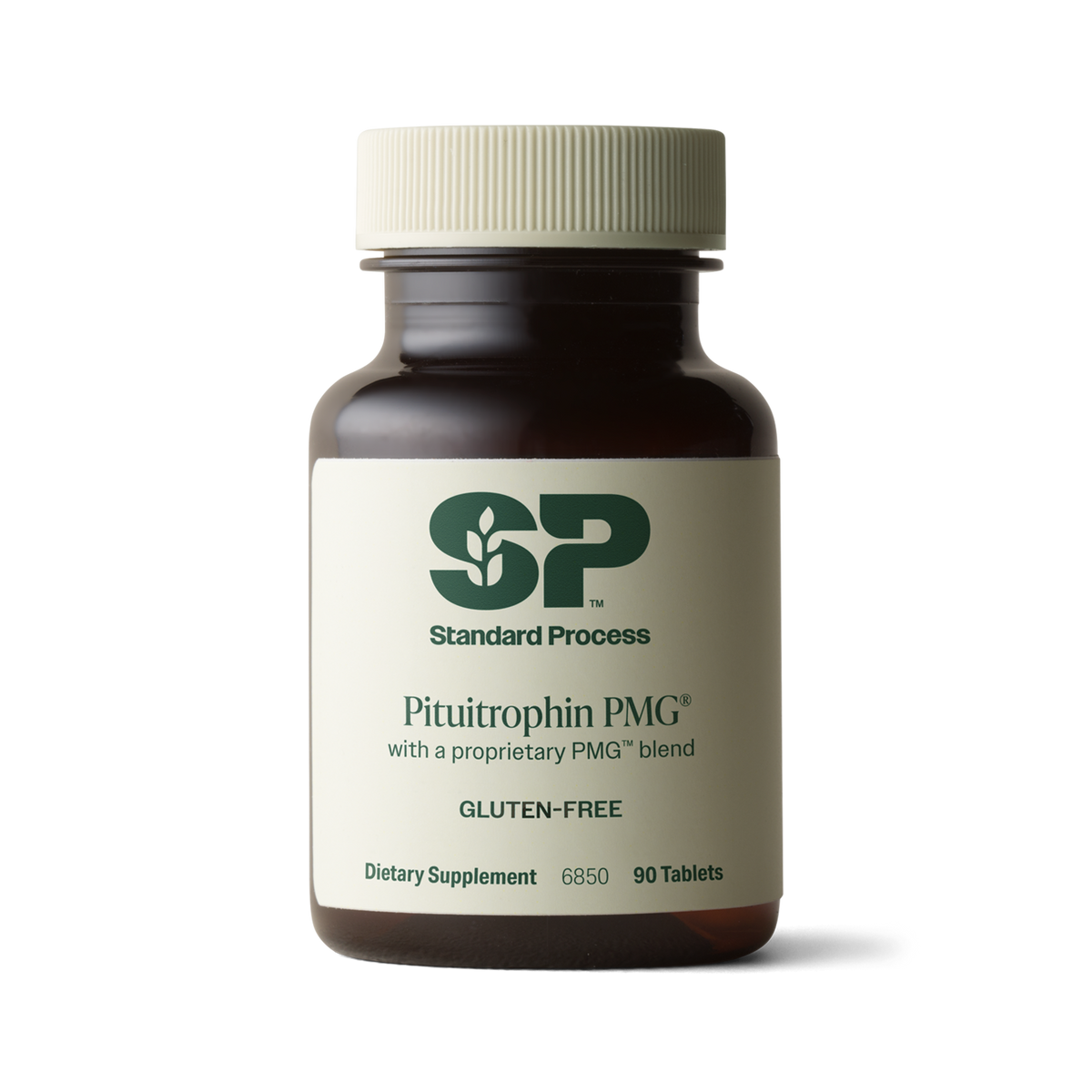
Whole-food and practitioner-trusted formulas can be especially appealing for adults who want supplements designed to complement a food-first wellness plan. At Fast Track To Health, customers can find authorized Standard Process and MediHerb options alongside practitioner-guided support for building a routine that feels clear, not overwhelming.
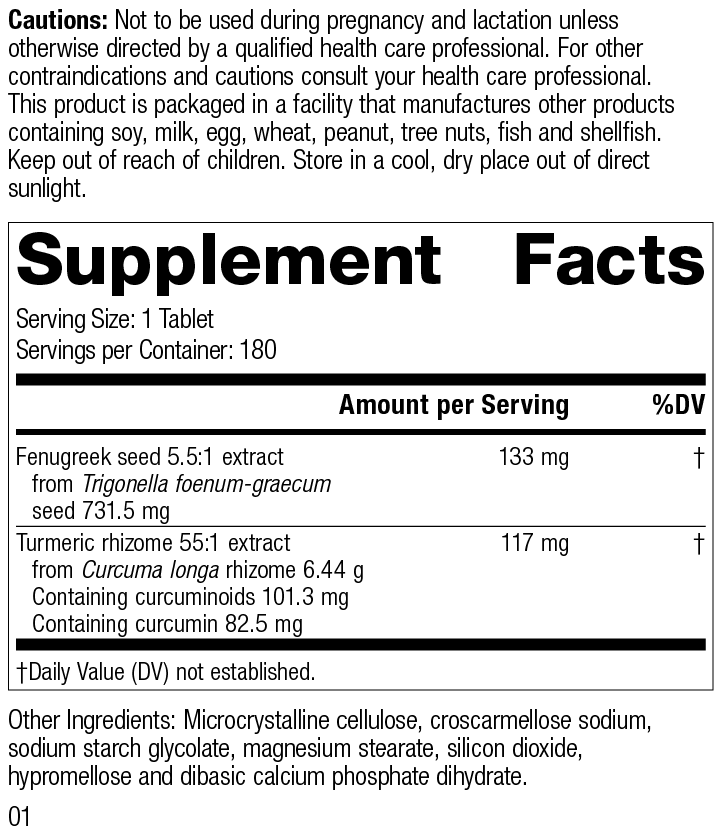
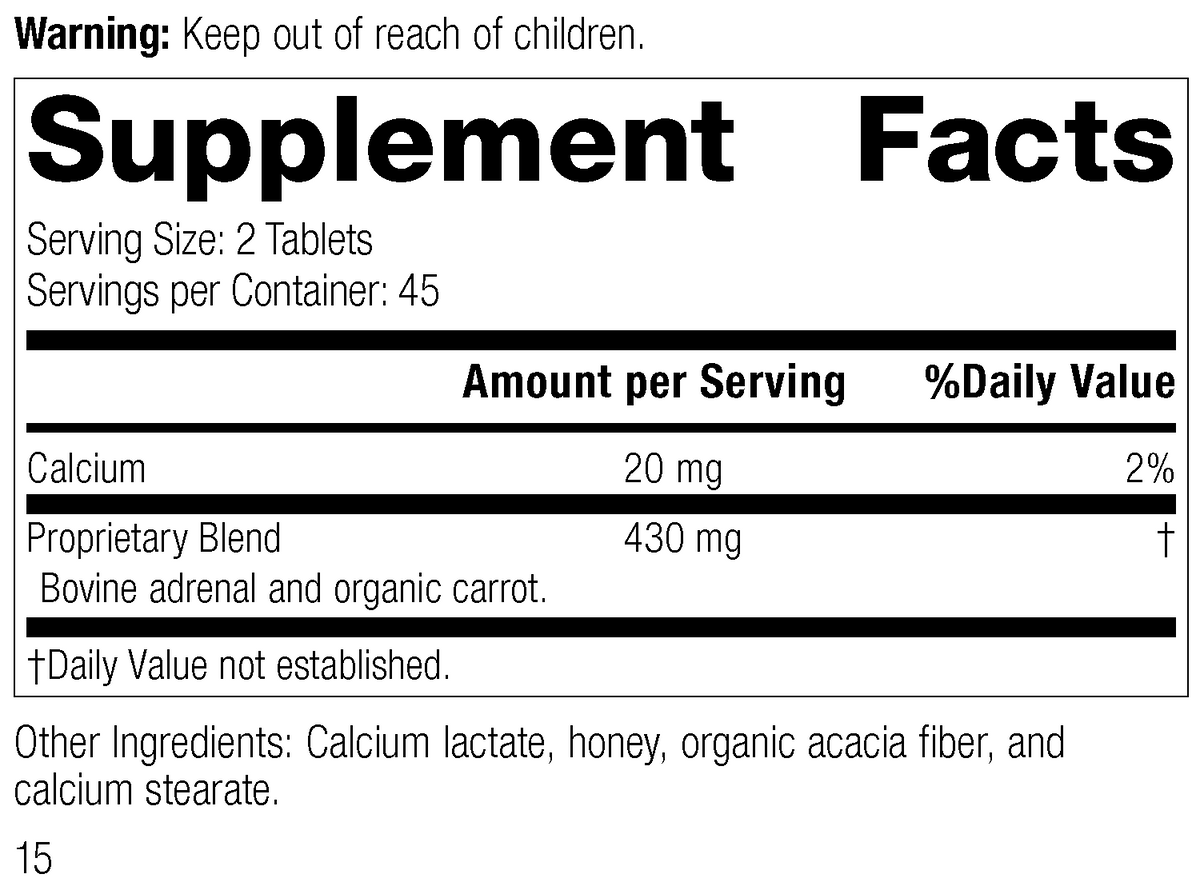
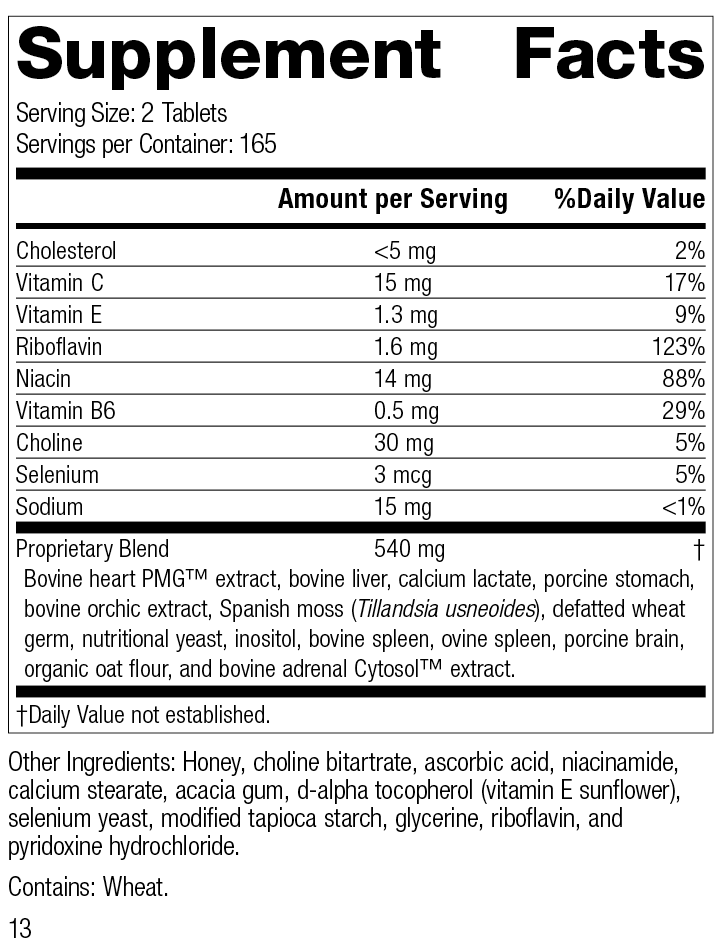
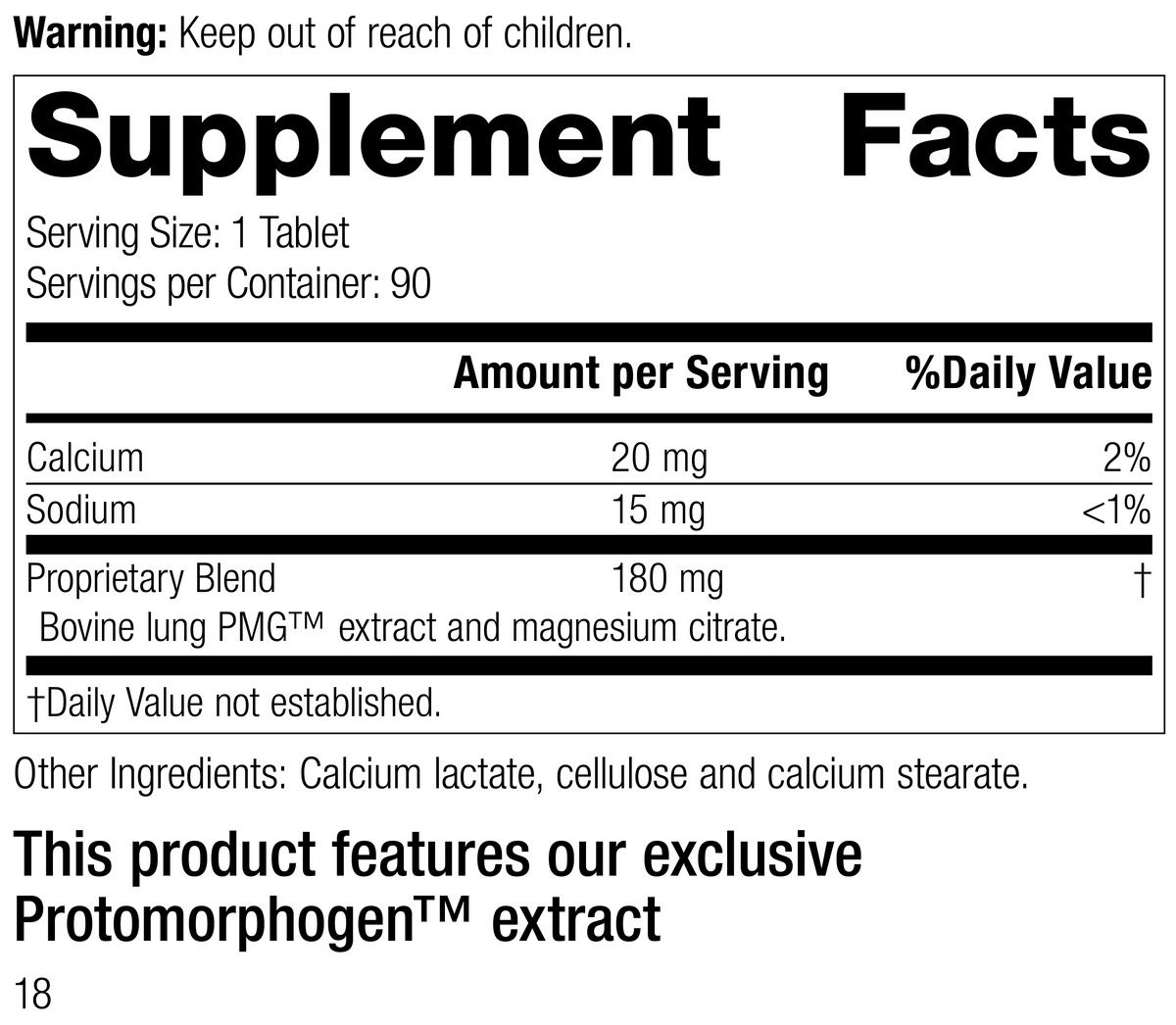
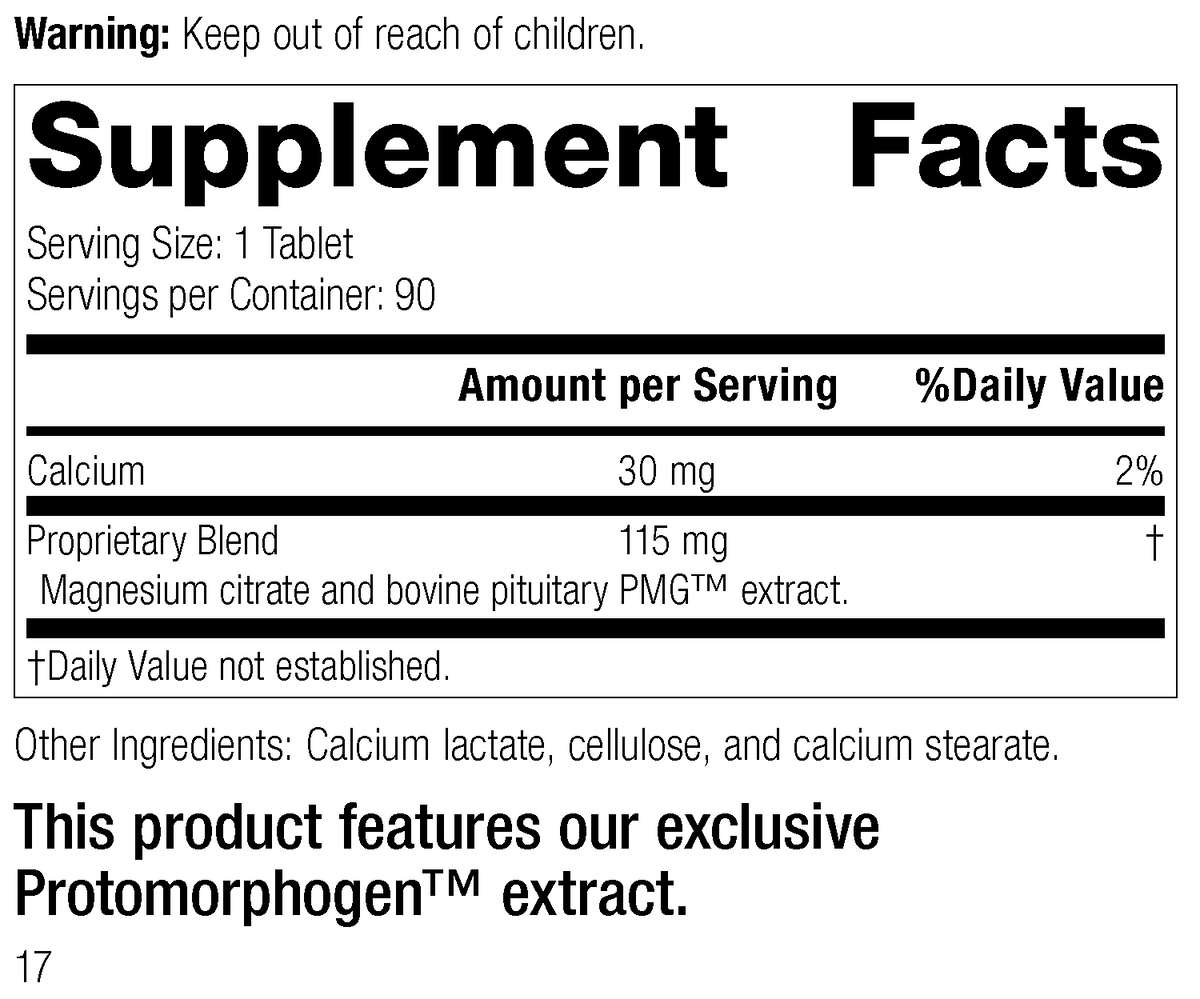
Read the Supplement Facts panel before purchasing. Watch for overlap between a multivitamin, immune formula, vitamin D product, and specialty blend. This simple step can prevent accidental overuse of nutrients such as vitamin A, vitamin D, zinc, and B6. If you take prescription medications, are pregnant or nursing, have a chronic condition, or are preparing for surgery, review your plan with a qualified healthcare professional first.
Give your routine enough time to become useful
Supplements work best when they become part of a consistent rhythm. Choose one daily cue, such as breakfast or your evening meal, and keep your products where you will see them. Taking several new formulas at once can make it difficult to know what is helping or what is causing an unwanted reaction.
Start with your highest-priority need, then reassess after a few weeks. Are you taking the product regularly? Is your diet supporting the same goal? Have your sleep and stress patterns changed? These questions are more valuable than chasing the newest seasonal trend.
A seasonal wellness routine should feel supportive, not complicated. Choose high-quality nutritional foundations, use targeted vitamins when they match your needs, and let practitioner guidance lead when your health picture is more complex. Small, steady choices now can make the next seasonal transition feel far more manageable.



Leave a comment
This site is protected by hCaptcha and the hCaptcha Privacy Policy and Terms of Service apply.