

A multivitamin can be a sensible part of a wellness routine. But when fatigue, digestive discomfort, cycle changes, poor sleep, or recurring stress keep showing up, choosing another bottle at random can feel frustrating. The question of functional medicine vs regular supplements is really about the level of guidance behind the product and the goal you are trying to support.
Regular supplements can make daily nutrition more convenient. Functional medicine takes a broader look at the patterns affecting how you feel, then uses food, lifestyle, testing when appropriate, and targeted nutritional support to create a more individualized plan. Neither option is automatically better. The right fit depends on your starting point, your health history, and how much support you need.
What regular supplements are designed to do
Regular supplements are products purchased without a personalized protocol. They may include single nutrients such as vitamin D, magnesium, or omega-3s, along with multivitamins, herbs, probiotics, protein powders, and formulas designed around common wellness goals.
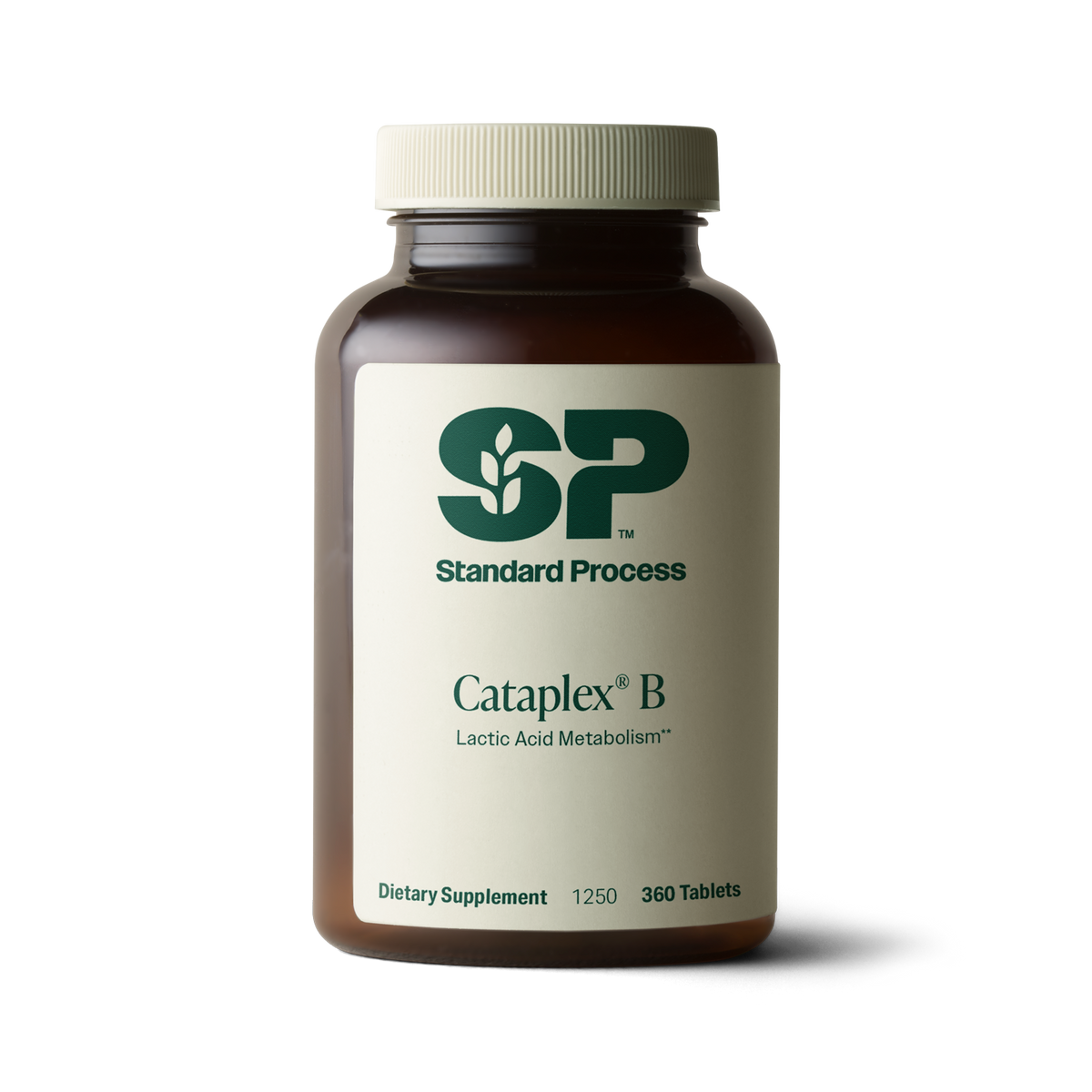
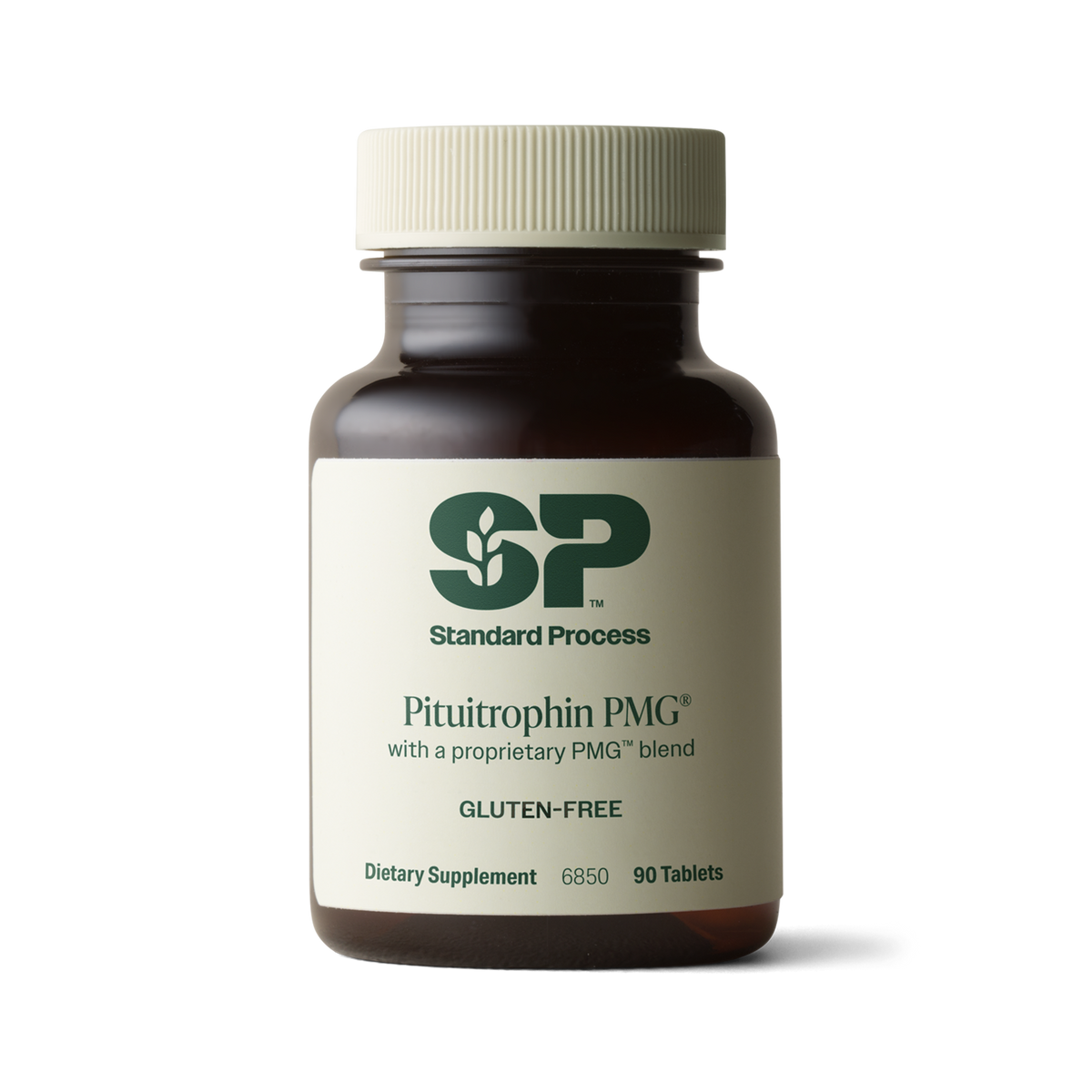
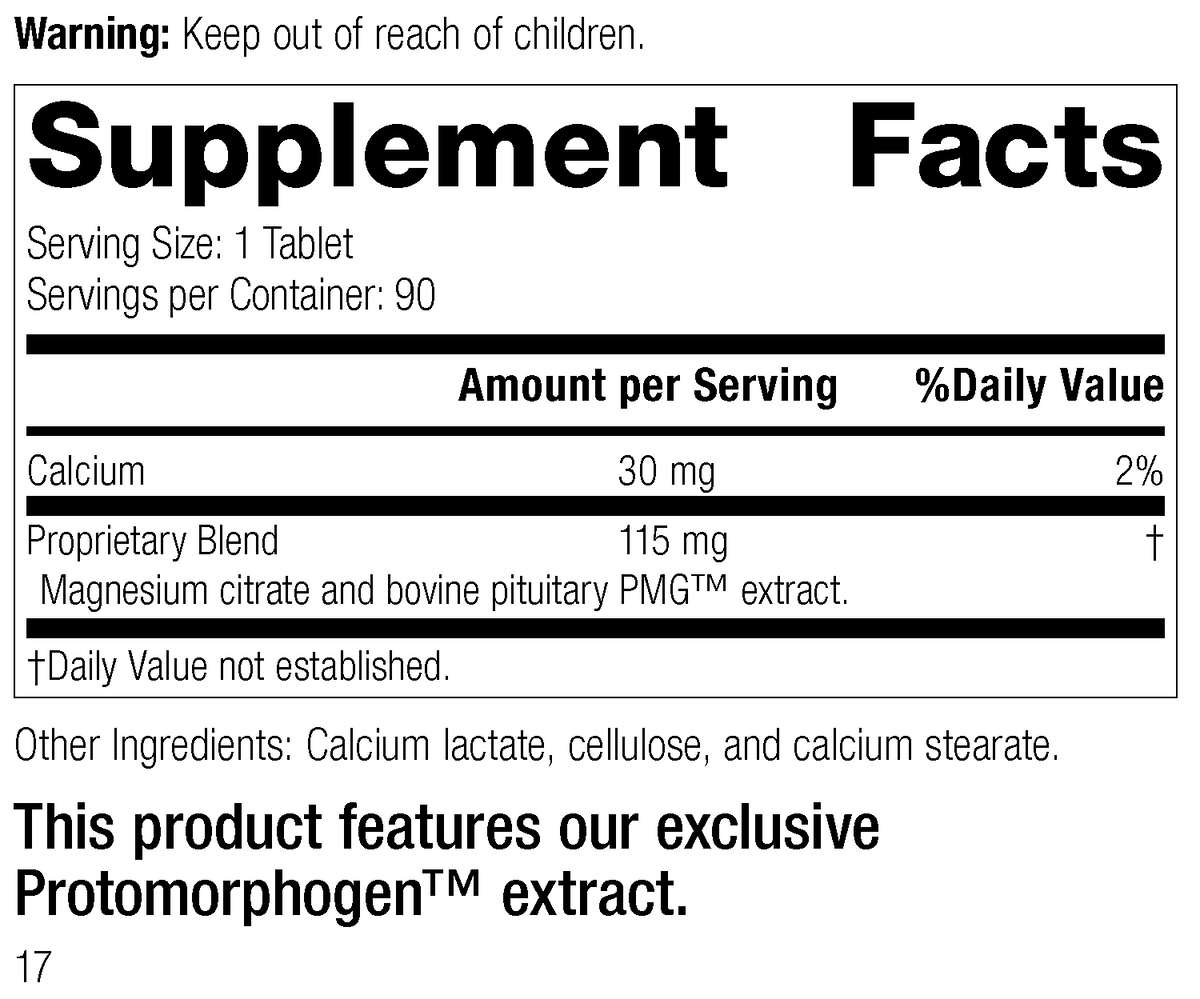
For many people, this is a practical place to start. A high-quality daily foundational supplement can help support a busy routine, limited dietary variety, seasonal immune needs, or a known nutrition gap identified by a healthcare professional. The best products clearly state their ingredients, serving size, and suggested use, and they come from manufacturers with meaningful quality standards.
The advantage is convenience. You can choose support for a clear, straightforward goal without scheduling an appointment or building an extensive plan. Regular supplements can also be more budget-friendly than a comprehensive, practitioner-guided approach.
The limitation is that a label cannot know your full story. Two people may both want energy support, for example, yet one may be under-eating protein, another may be dealing with poor sleep, and another may need medical evaluation for persistent symptoms. The same product will not necessarily make sense for all three.
Functional medicine vs regular supplements: the real difference
Functional medicine is not simply a more expensive supplement routine. It is an approach that looks for contributors to a health concern rather than focusing only on the concern itself. A qualified practitioner considers your symptoms, health history, medications, diet, stress load, sleep, movement, and sometimes lab results before recommending next steps.
Supplements may still be part of the plan, but they are selected in context. A practitioner may recommend foundational nutritional support first, then adjust the protocol as your needs, tolerance, and goals become clearer. Food quality, hydration, daily habits, and appropriate medical referrals remain part of the conversation.
This is where the distinction matters: regular supplements are generally product-led, while functional medicine is assessment-led. A regular supplement purchase begins with, “What product do I want?” A functional medicine process begins with, “What may be influencing this pattern, and what is the most appropriate support?”
That broader view can be especially valuable when symptoms overlap. Stress can affect sleep and digestion. Digestive issues can shape nutrient absorption and energy. Hormonal concerns may intersect with blood sugar habits, stress, and sleep quality. These connections do not mean every issue has a simple supplement answer. They do mean that a one-size-fits-all routine may miss useful context.
When a regular supplement may be the right choice
Regular supplements are often a strong choice when your goal is preventive, simple, and well-defined. Perhaps you want to reinforce a whole-food-focused eating pattern, support normal immune function during a demanding season, or replace a product you already know works well for you.
They can also make sense if you have received a recommendation from your physician or other qualified provider and need a reliable place to purchase the formula. Practitioner-trusted brands are especially helpful for shoppers who care about ingredient quality and prefer formulations built with a specific wellness purpose in mind.
Shopping independently works best when you keep the routine manageable. Starting several new products at once can make it difficult to tell what is helping or causing unwanted effects. Consider your existing medications and supplements, follow label directions, and ask a pharmacist or healthcare professional before adding a new product if you are pregnant, nursing, managing a medical condition, or taking prescription medication.
A regular supplement is not a lesser choice. It is simply a different level of support. For someone with clear goals and a stable routine, a thoughtfully chosen formula may be exactly what they need.
When personalized functional medicine support can help
Personalized support becomes more compelling when you have ongoing symptoms, conflicting advice, or a supplement cabinet that keeps growing without a clear strategy. It can be useful if you are trying to support concerns related to digestion, stress resilience, energy, women’s health, cardiovascular wellness, or a more focused detoxification plan.
A functional medicine practitioner can help organize the noise. Instead of taking several products because each one sounds promising, you can prioritize what fits your symptoms, preferences, budget, and lifestyle. That matters because the most sophisticated protocol is not helpful if it is too complicated to follow consistently.
This approach may also help identify when supplements should not be the main next step. New, severe, persistent, or worsening symptoms deserve prompt medical attention. Functional medicine support should complement appropriate medical care, not replace diagnosis, treatment, emergency care, or prescribed medication.
Testing may be recommended in some situations, but it is not required for every person or every concern. Good guidance uses testing thoughtfully, explains what results can and cannot show, and avoids treating a lab number in isolation. Your lived experience, clinical history, and response to changes matter, too.
Quality matters in both approaches
Whether you choose a single formula or a customized plan, product quality is worth considering. Supplements are not interchangeable just because their labels use similar names. The source, form, dose, manufacturing practices, and complementary ingredients can all affect whether a product fits your needs.
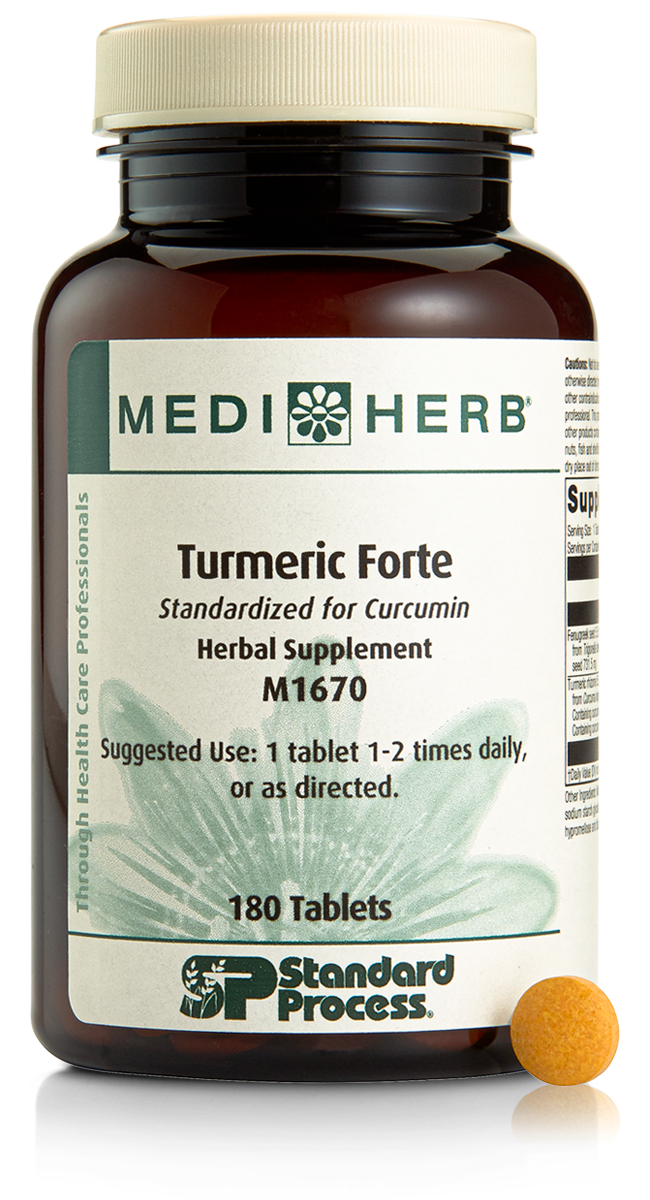
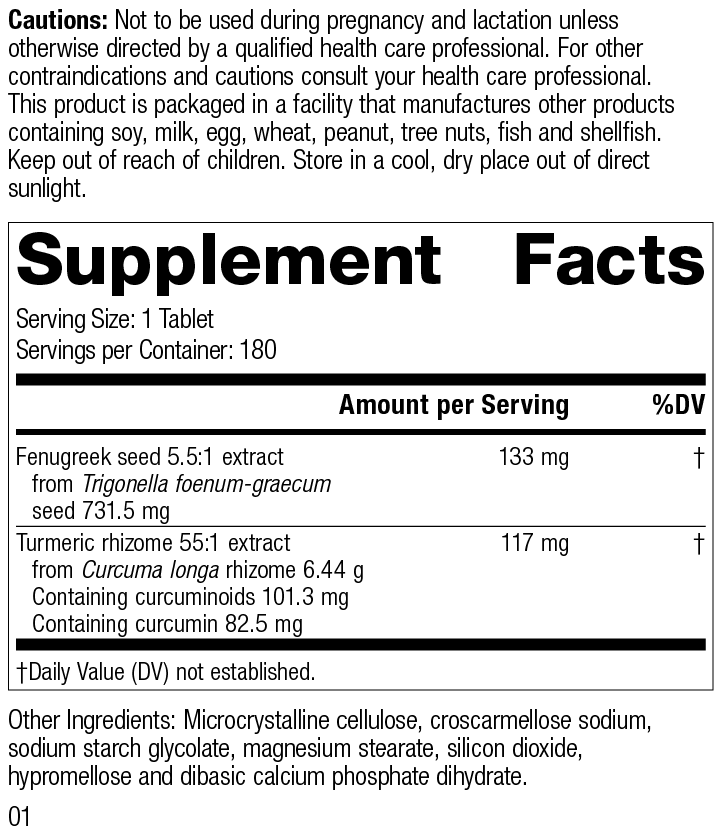
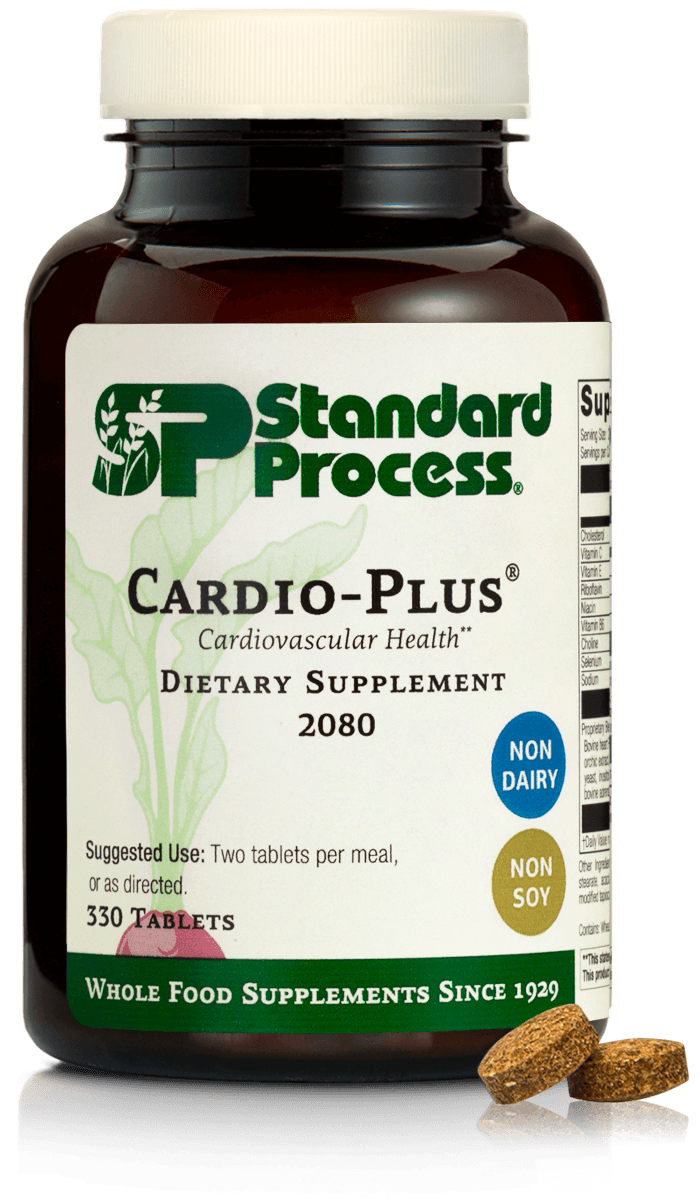
Whole-food and practitioner-trusted formulas appeal to many wellness-focused shoppers because they are designed with nutrient synergy and real-world use in mind. They can be a meaningful option for people who want more than a generic, lowest-price product. Still, “natural” does not automatically mean appropriate for everyone. Herbs and concentrated nutrients can have side effects or interactions, particularly alongside medications.
Choose products from authorized sellers, check expiration dates, and store them as directed. If you are following a practitioner’s protocol, use the exact product and dosage recommended unless they advise a change. Substituting based on a similar-looking label can alter the intended plan.
How to decide what you need now
Start with the question behind the purchase. If you are looking for broad nutritional reinforcement and know what you want to support, a carefully selected regular supplement may be a confident, convenient next move. Focus on one or two priorities rather than trying to fix everything at once.
If your needs feel layered, your symptoms persist, or you are unsure which products belong together, personalized guidance may save time and unnecessary spending. A functional medicine consultation can provide structure, helping you build a protocol that supports your goals without turning wellness into a full-time job.
You can also use a middle path. Begin with a high-quality foundational product and healthy routine basics, then seek practitioner input if progress stalls or questions remain. Sleep, balanced meals, movement, stress management, and consistent hydration are not replacements for needed care, but they create the conditions in which any supplement plan is more likely to be useful.
Build support around your real life
The best choice is not the product with the longest ingredient panel or the most ambitious promise. It is the level of support that matches your needs right now. At Fast Track To Health, shoppers can start with practitioner-trusted formulas for focused goals or seek personalized functional medicine guidance when their next step needs more context.
Give yourself permission to keep the process clear. Choose quality, pay attention to how you feel, and get qualified support when the picture is more complex. A sustainable plan that you understand and can follow is often the one that creates the most meaningful progress.




Leave a comment
This site is protected by hCaptcha and the hCaptcha Privacy Policy and Terms of Service apply.