

A supplement label can look impressive and still leave you guessing. Terms such as “professional strength,” “pure,” and “clinical” are often used broadly, while the details that matter most - ingredient form, dose, quality controls, and whether it fits your needs - may be harder to find. Learning how to pick practitioner grade vitamins helps you move beyond marketing and choose nutritional support with more confidence.
Practitioner-grade products are often selected because they are formulated with specific standards, thoughtful dosing, and professional guidance in mind. But the phrase itself is not a regulated legal category. That means a product does not earn your trust simply by printing “practitioner” on the bottle. Look at the full picture: who makes it, how it is made, what it contains, and whether it makes sense for your health goals.
What Practitioner Grade Really Means
In a meaningful sense, practitioner grade refers to more than a higher price point or a polished label. These formulas are commonly produced by established supplement manufacturers that emphasize quality sourcing, careful manufacturing, transparent labeling, and formulas used in professional wellness settings.
Many practitioner-trusted brands also focus on nutrient forms that are chosen for a particular purpose. For example, magnesium can appear in several forms, each with different characteristics, and a B-complex may use active or coenzymated forms of certain B vitamins. Neither approach is automatically right for every person. The goal is to understand why a formula was built the way it was, rather than assuming more ingredients or a larger dose is always better.
Whole food-based supplements deserve the same thoughtful review. Some people value formulas derived from concentrated food materials because they align with a food-first wellness philosophy. They can be a useful part of a plan, but they are not a substitute for a varied diet, appropriate medical care, or individualized guidance when symptoms are persistent.
How to Pick Practitioner Grade Vitamins: Start With Your Goal
The best supplement is not necessarily the bestselling multivitamin or the formula with the longest ingredient panel. It is the one that supports a defined need without adding unnecessary overlap to your routine.
Start by naming what you want support for. You may be looking to fill a nutritional gap, support healthy energy production, promote digestive comfort, maintain immune health, or build a more consistent foundation during a stressful season. A clear goal narrows the field and makes it easier to evaluate whether a formula is relevant.
Be specific about what you are already taking. It is surprisingly easy to double up on nutrients. A multivitamin, immune formula, sleep product, and electrolyte powder may all contain vitamin D, zinc, magnesium, or B vitamins. More is not automatically better, particularly with nutrients that can accumulate or cause side effects at higher intakes.
If you have recent lab work, a known deficiency, dietary restrictions, or a health history that affects nutrient needs, those details can guide a more useful conversation with a qualified practitioner. Supplements should complement your care plan, not compete with it.
Read the Supplement Facts Panel, Not Just the Front Label
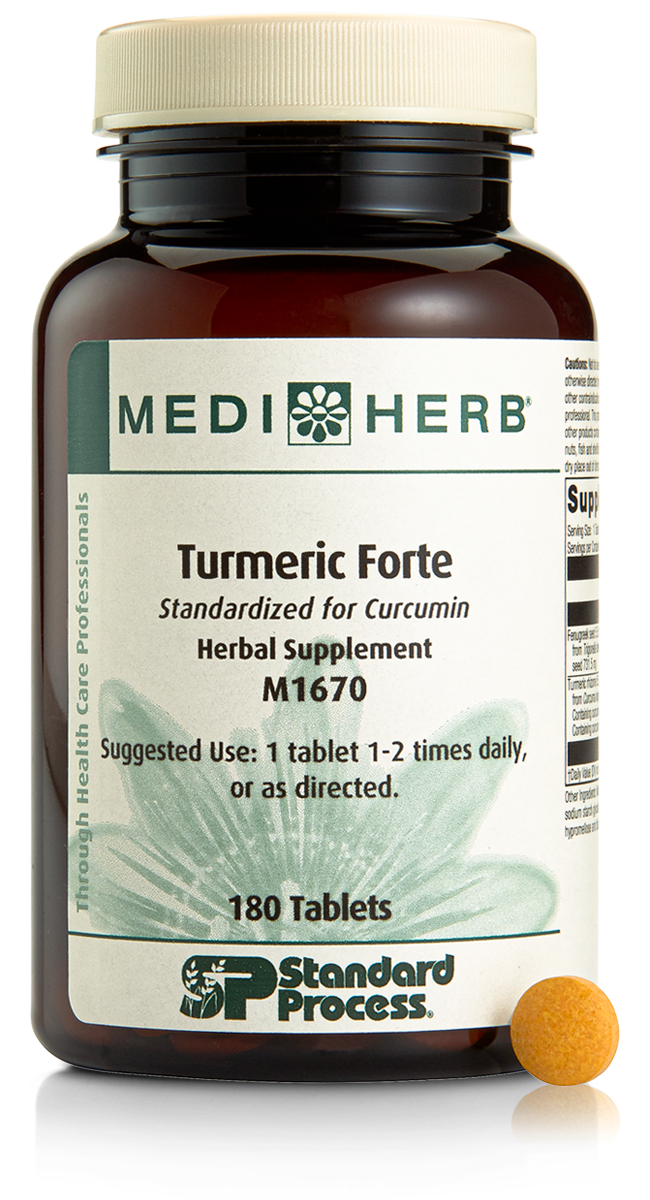
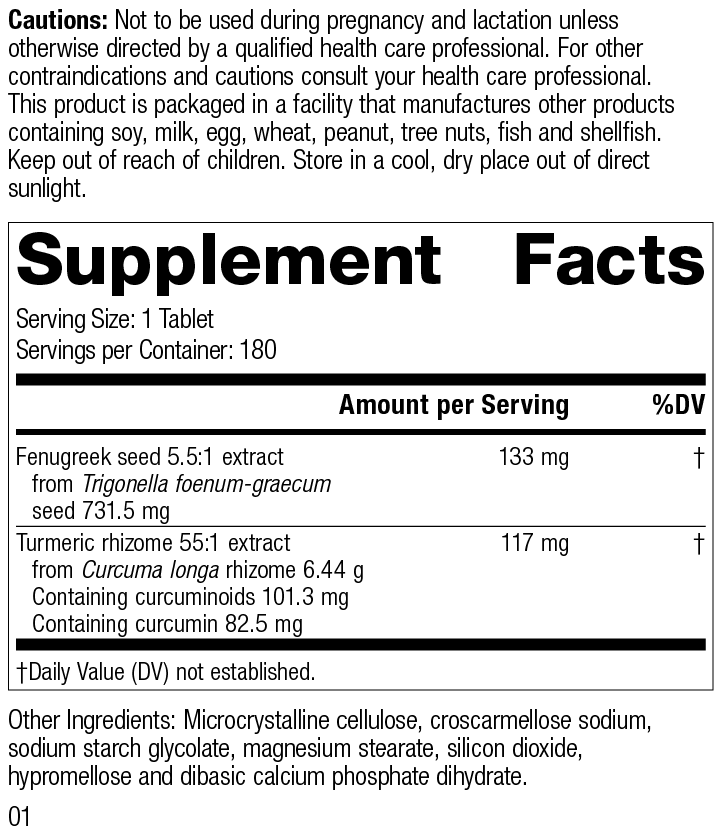
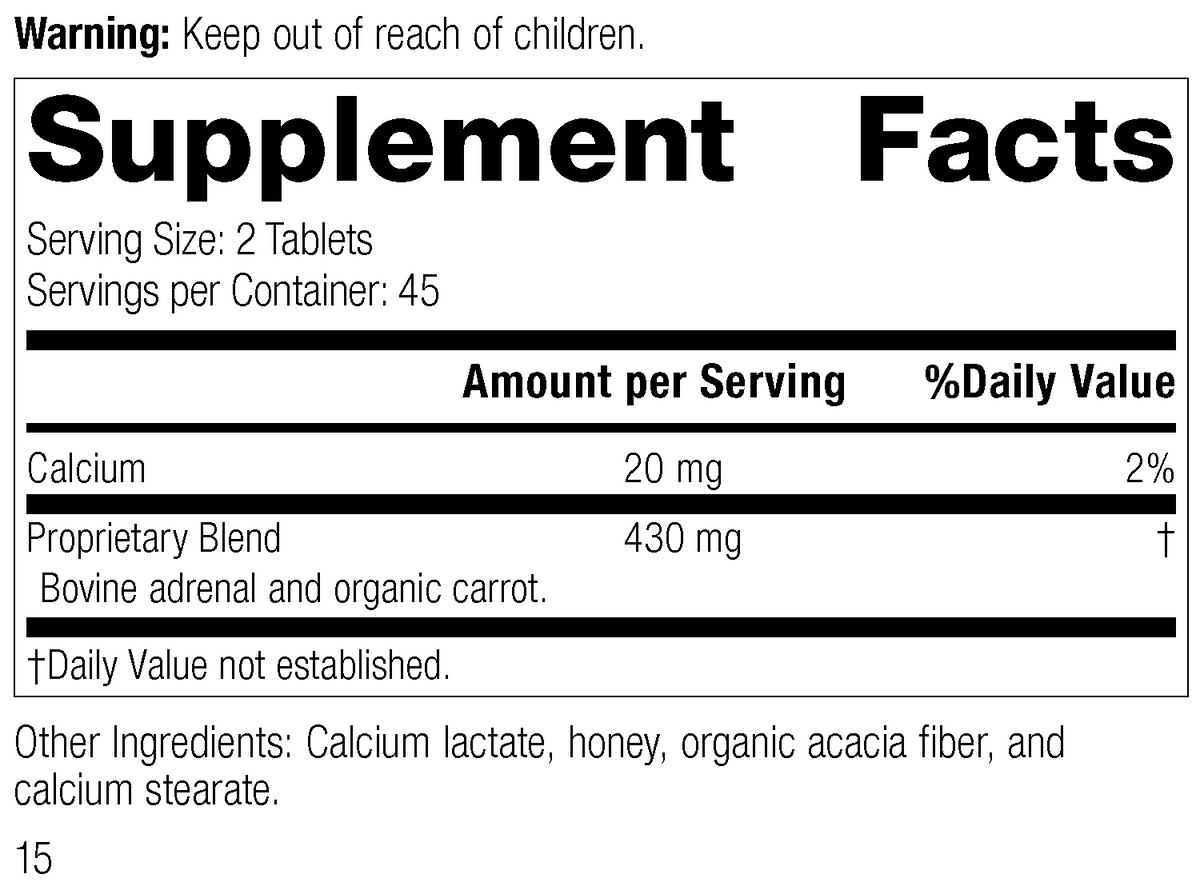
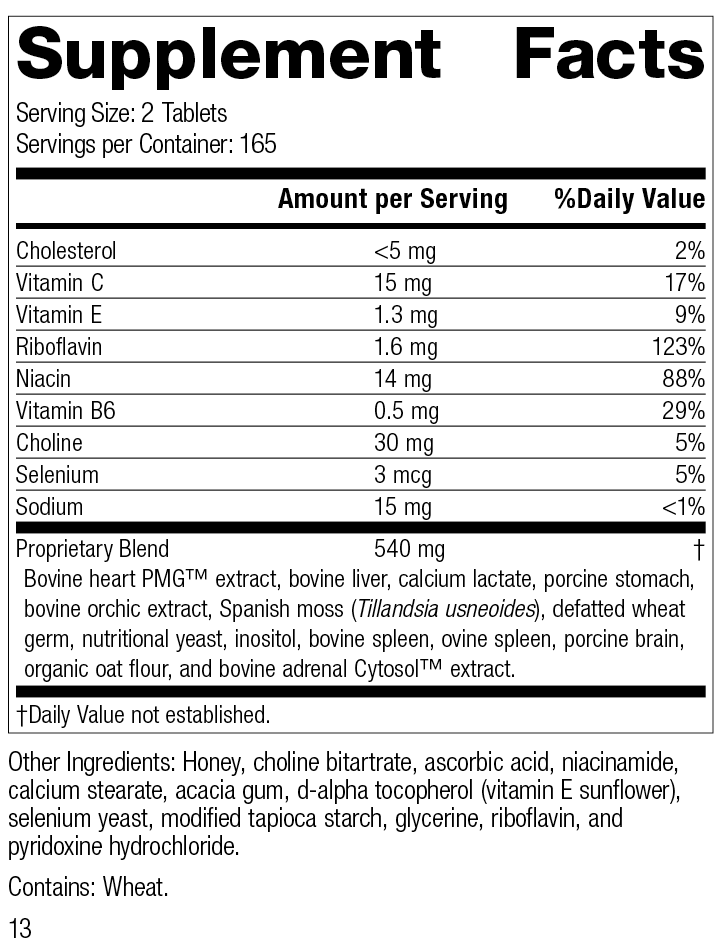
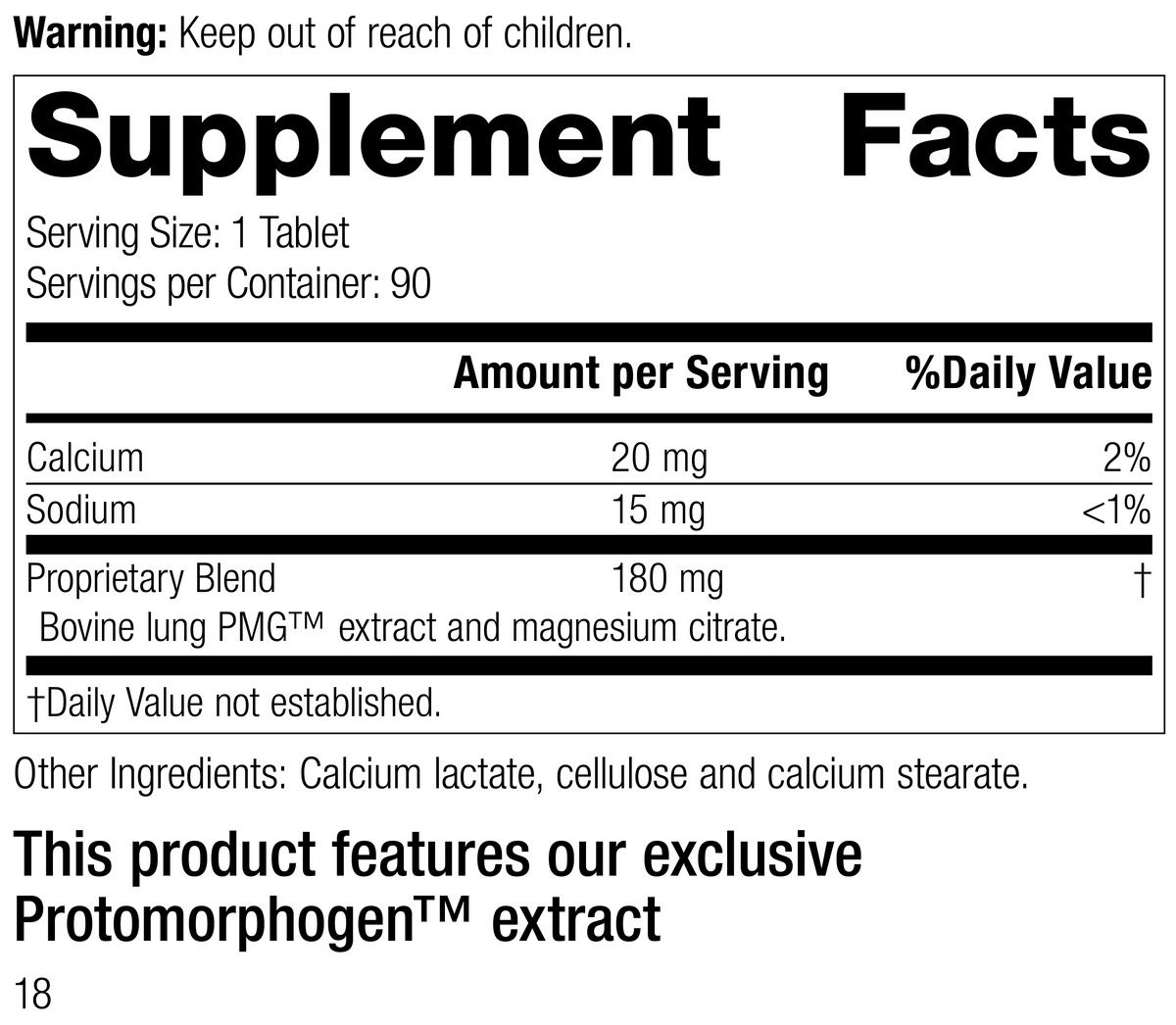
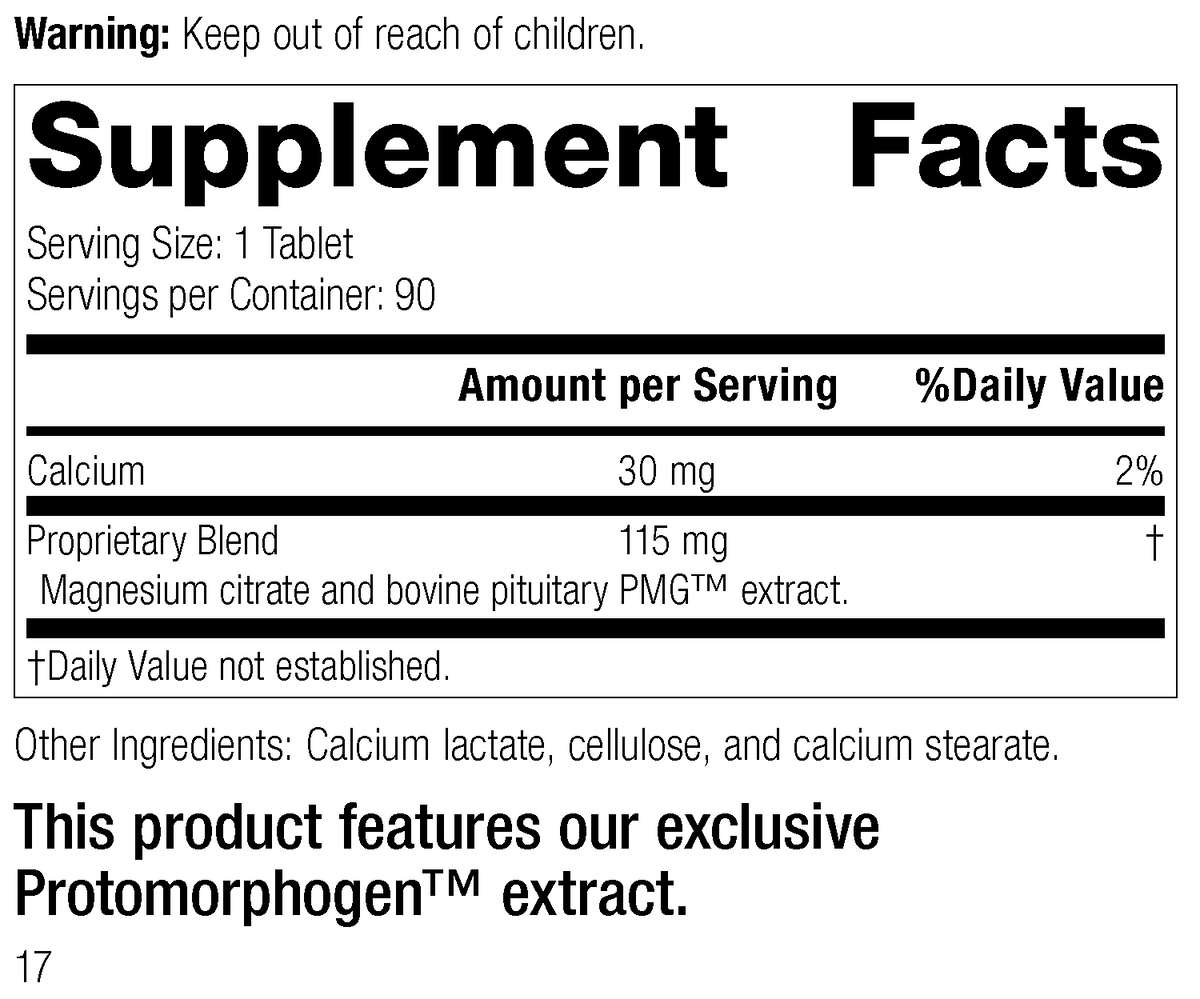
The front of the bottle tells you what a brand wants to emphasize. The Supplement Facts panel tells you what you are actually taking. Read it with a few practical questions in mind.
First, check the serving size. A bottle may appear to contain 120 capsules, but the suggested serving could be four capsules daily. That changes both the true supply and the daily cost.
Next, look at the amount of each nutrient and compare it with your needs. A high-potency formula may be appropriate under practitioner direction, but it is not automatically a better everyday choice. Consider the total amount you receive across all supplements, fortified foods, and drinks.
Then, review the ingredient forms. A label should clearly state what is being used rather than hiding details behind vague proprietary blends. Transparency makes it easier to compare products, identify potential sensitivities, and discuss the formula with your practitioner.
Finally, scan the other ingredients. Capsules, binders, and flavoring agents are not always a concern, but they matter for people avoiding certain allergens or following specific dietary preferences. A well-made product should make these details accessible.
Look for Quality Practices You Can Verify
Because dietary supplements are not approved by the FDA before they are sold, responsible manufacturing and brand accountability matter. This does not mean every quality product will use identical language on its website or label. It does mean the company should be able to stand behind its process.
Look for signs that a brand follows current Good Manufacturing Practices, often called cGMPs. These standards address manufacturing procedures, quality controls, sanitation, recordkeeping, and other practices intended to help ensure a product is made consistently.
Third-party testing can add another layer of confidence, especially when a company explains what is tested. Depending on the product, testing may address identity, potency, purity, contaminants, microbes, heavy metals, or allergens. A certificate of analysis is useful only when it reflects meaningful batch-level quality controls, so do not be afraid to ask a retailer or manufacturer for clarification.
Sourcing also matters. Trustworthy companies should be prepared to explain their ingredient standards and how they manage quality throughout manufacturing. If a product makes dramatic promises but offers little information about its ingredients, testing, or company history, treat that as a reason to pause.
Choose an Authorized Source
Where you buy vitamins affects the confidence you can have in what arrives at your door. Supplements sold through unauthorized marketplaces or unfamiliar third-party sellers may be improperly stored, expired, diverted, or counterfeit. Even a trusted brand name cannot fully protect you if the seller cannot verify its supply chain.
An authorized retailer has a direct relationship with the manufacturer or approved distribution channel. This is especially valuable with professional brands that are commonly recommended within practitioner-led wellness plans. You should be able to confirm product freshness, lot information, storage expectations, and customer support if a question arises.
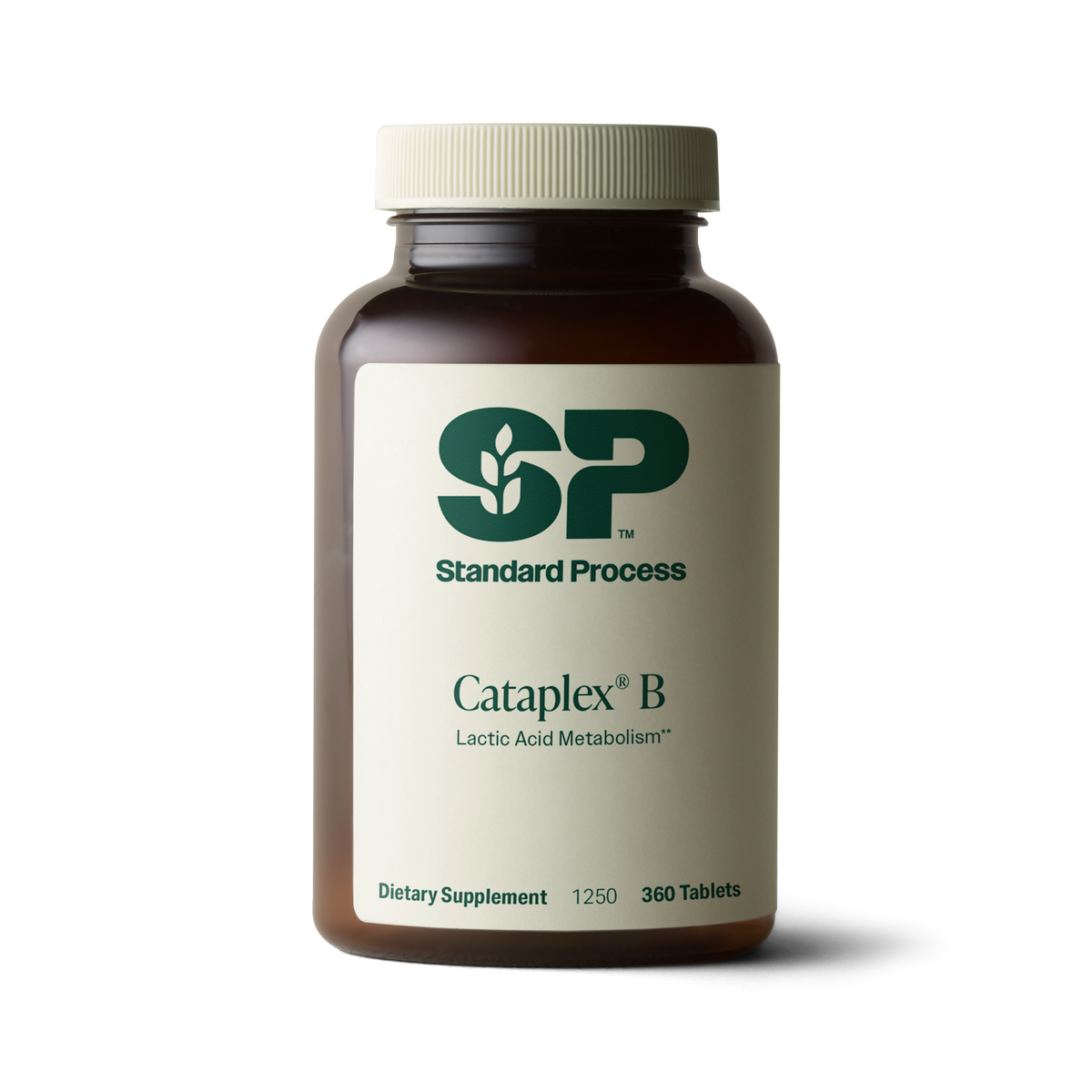
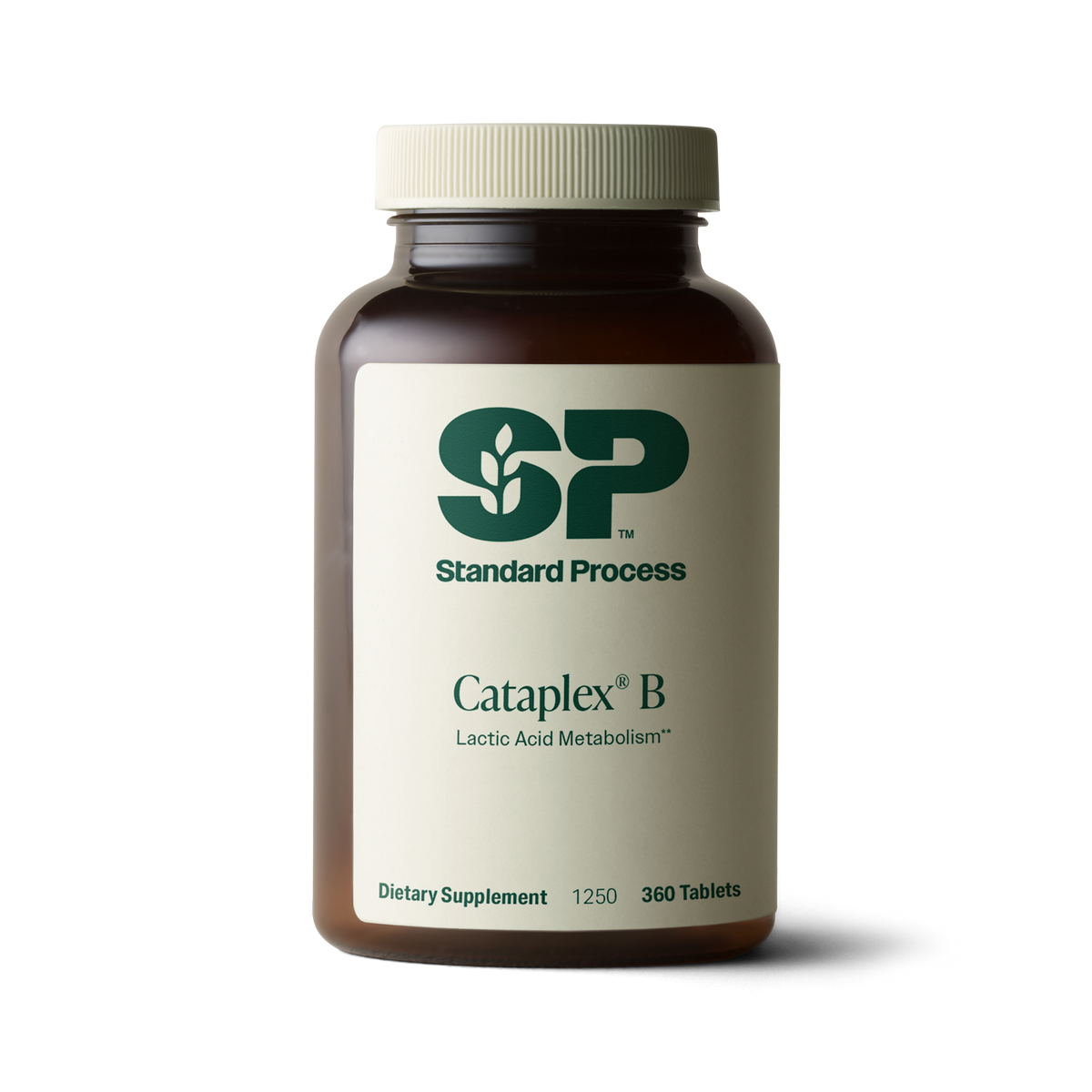
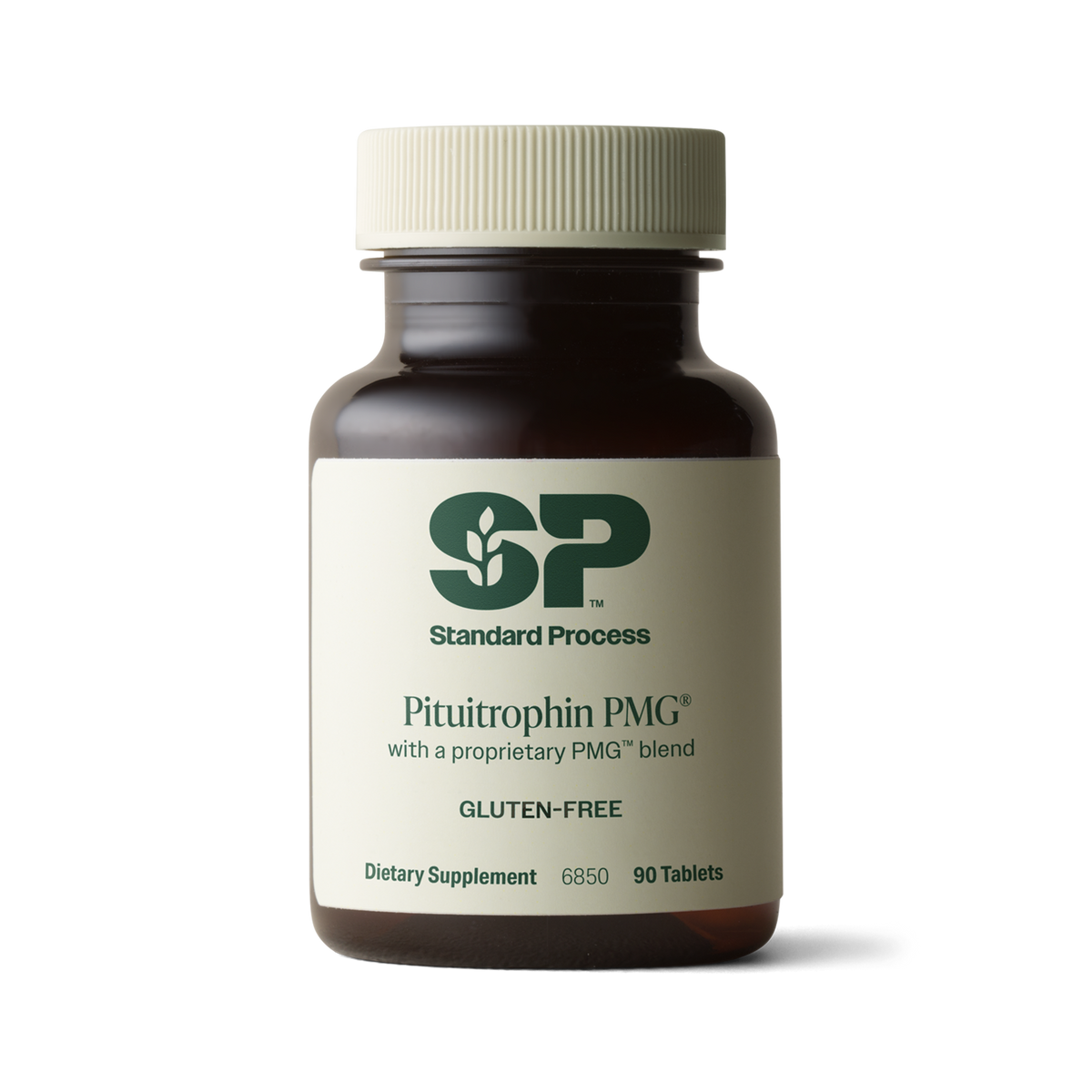
At Fast Track To Health, authorized practitioner-trusted formulas are paired with access to guidance, helping customers choose products based on their wellness goals rather than guesswork alone.
Be Careful With Big Promises and One-Size-Fits-All Protocols
A quality supplement supports normal body function. It should not need to promise to cure, reverse, or replace treatment for a medical condition. Be cautious with products marketed as a fast fix for complex concerns such as fatigue, hormone changes, digestive symptoms, or stress. Those concerns can have many causes, and the right next step may include a conversation with your healthcare professional.
The same caution applies to generic protocols. A friend’s supplement stack may not be right for you, even if it worked well for them. Your medications, diet, health history, age, and goals all influence what is appropriate. This is particularly relevant for pregnant or breastfeeding individuals, people preparing for surgery, and anyone managing a chronic condition.
Know When Practitioner Guidance Adds Value
You do not need an elaborate protocol to make a smart first purchase. For a straightforward foundational supplement, careful label reading and an authorized source may be enough. But guidance becomes more valuable when you are taking multiple products, dealing with recurring symptoms, using prescription medications, or trying to address a specific nutritional concern.
A qualified practitioner can help identify overlap, timing, dosage, and possible interactions. They can also help set realistic expectations. Some supplements are best evaluated over several weeks, while others may not be a fit at all. A thoughtful plan includes a reason for each product and a point at which you reassess whether it is helping.
Make Your Final Decision With Confidence
Before placing an order, ask yourself whether you can answer four simple questions: What am I taking this for? What is the daily dose and ingredient form? How does the company demonstrate quality? Is this product appropriate alongside my current medications and supplements?
If the answers are clear, you are in a far better position than someone choosing based on packaging alone. Start with a focused goal, choose a transparent formula from an authorized source, and give your routine enough consistency to assess it. The most helpful vitamin plan is not the most complicated one - it is the one you understand, can maintain, and can adjust with informed support when your needs change.



Leave a comment
This site is protected by hCaptcha and the hCaptcha Privacy Policy and Terms of Service apply.