
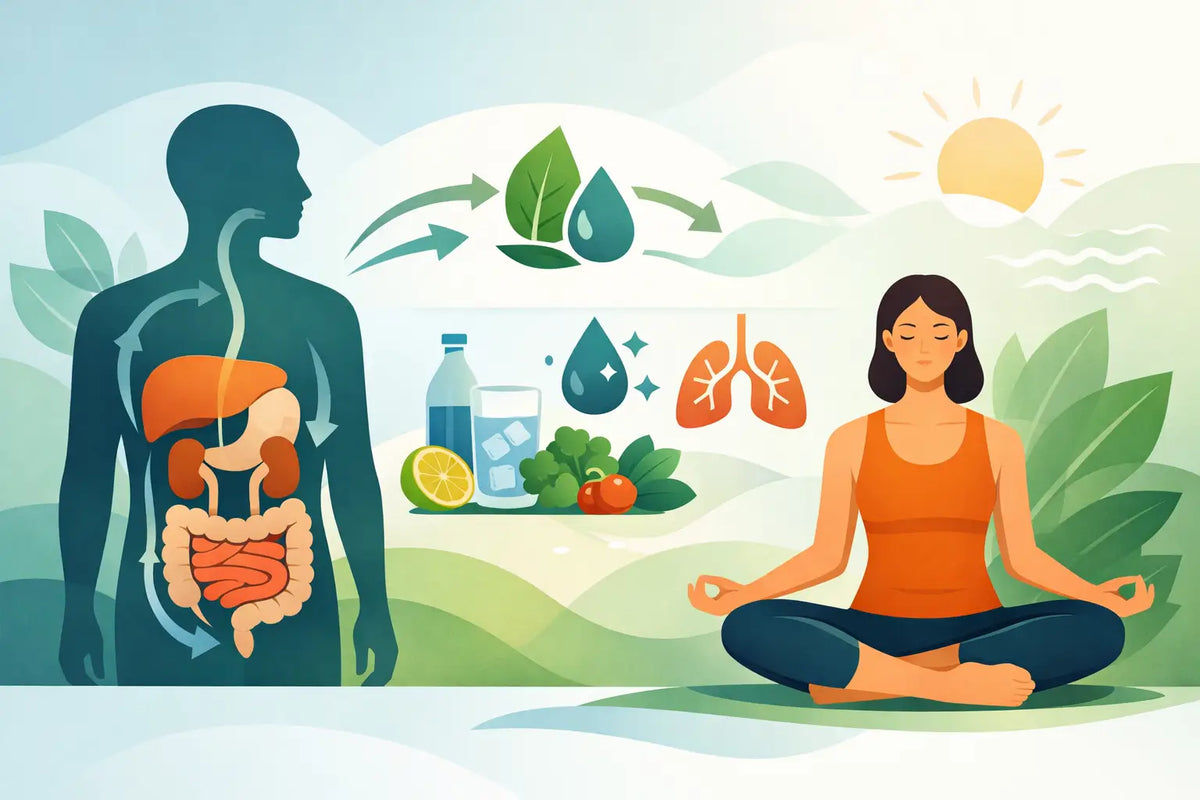
Your body is already working around the clock to process hormones, medications, metabolic byproducts, alcohol, and compounds from food and the environment. Learning how to improve detox pathways is not about forcing a dramatic cleanse or surviving on juice. It is about giving the liver, digestive tract, kidneys, skin, lungs, and lymphatic system the daily support they need to do their jobs well.
For many people, the most effective detox support begins with foundational habits that are easy to underestimate: regular meals, enough protein, consistent hydration, quality sleep, and healthy bowel movements. Supplements can be valuable tools, especially when chosen with practitioner guidance, but they work best as part of a complete wellness plan.
What Detox Pathways Actually Do
Detoxification is a normal biological process, not a short-term event. The liver plays a central role by transforming certain compounds into forms the body can safely move and eliminate. These steps are often described as Phase I and Phase II detoxification. Phase I begins the processing of a compound, while Phase II pairs it with nutrients or other molecules to make it more water-soluble and easier to excrete.
The work does not stop at the liver. The digestive tract carries many waste products out through stool. The kidneys filter and remove waste through urine. Your lungs release carbon dioxide, while the skin supports temperature regulation and excretion through sweat. The lymphatic system helps move fluid and cellular waste through the body.
This is why a restrictive cleanse can backfire. If you dramatically cut calories, skip protein, become constipated, or fail to drink enough fluids, you may remove key supports the body needs for normal detoxification. A better approach is steady, well-nourished support.
How to Improve Detox Pathways With Food
Food provides the amino acids, vitamins, minerals, fiber, and plant compounds involved in normal detox processes. Rather than looking for a single "detox food," build meals that supply a wide range of nutrients consistently.
Prioritize adequate protein
Protein is especially relevant because amino acids support many of the body’s normal metabolic and detoxification reactions. Include a quality protein source at meals, such as eggs, poultry, fish, Greek yogurt, beans, lentils, tofu, or grass-fed meats when appropriate for your dietary preferences.
The right amount depends on your body size, activity level, age, kidney health, and medical history. Someone recovering from intense exercise or eating primarily plant-based may have different needs than someone with a condition that requires protein restriction. A practitioner can help you determine what fits your situation.
Eat more colorful plants and fiber
Vegetables, fruits, legumes, herbs, and whole grains bring valuable phytonutrients and fiber to the table. Cruciferous vegetables such as broccoli, Brussels sprouts, cabbage, arugula, and cauliflower are popular in detox-focused nutrition because they contain naturally occurring sulfur-containing compounds.
Fiber deserves equal attention. It supports regularity and helps the body move waste through the digestive tract. If bowel movements are infrequent, uncomfortable, or unpredictable, adding more detox supplements without addressing digestion may not be the best first move. Increase fiber gradually, pair it with water, and choose foods you can tolerate consistently.
Aim to rotate your produce rather than relying on the same few foods. Berries, citrus, leafy greens, beets, onions, garlic, carrots, apples, and herbs all contribute different nutrients and plant compounds.
Do not fear healthy fats
Healthy fats help make meals satisfying and support the absorption of fat-soluble nutrients. Olive oil, avocado, nuts, seeds, and fatty fish can all have a place in a balanced plan. Extremely low-fat eating is not automatically better for detoxification or hormone health.
Support Regular Elimination Every Day
A healthy detox plan needs an exit route. Regular bowel movements and adequate urine output matter because they reflect basic hydration, digestion, and elimination support.
Start by drinking fluids throughout the day, not only when you feel thirsty. Water needs vary with climate, activity, body size, pregnancy, medications, and dietary intake. A simple practical sign is pale-yellow urine most of the time, though supplements and foods can sometimes change urine color.
Movement also helps. Walking after meals, strength training, stretching, and other regular physical activity support circulation, digestion, stress management, and lymphatic flow. You do not need punishing workouts to support your body. A daily walk is a meaningful place to start, especially if your current routine is largely sedentary.
Sweating can feel refreshing, but it is not a substitute for liver, kidney, or digestive function. If you use saunas or intense exercise, replace fluids and electrolytes appropriately. People who are pregnant, have cardiovascular conditions, take blood pressure medications, or have a history of fainting should ask their clinician before using heat-based practices.
Protect the Sleep-Stress Connection
Chronic stress and short sleep can make every wellness goal feel harder. When life is demanding, people often eat irregularly, rely more heavily on alcohol or ultra-processed foods, skip movement, and experience digestive changes. Those patterns can affect how supported you feel day to day.
Create a realistic evening routine instead of chasing perfection. Keep a consistent sleep and wake time when possible, dim lights before bed, limit late-night work, and make dinner substantial enough that you are not waking hungry. Seven to nine hours is a useful target for many adults, but sleep quality matters too.
Stress support is personal. Breathwork, prayer, time outside, counseling, journaling, gentle yoga, and social connection can all be useful. Choose the practice you will actually repeat. A five-minute habit done daily is more valuable than an elaborate plan you abandon after one week.
Reduce the Inputs That Add to Your Load
The goal is not to create fear around everyday life. You cannot control every environmental exposure, and the body is designed to handle normal metabolic demands. Focus on practical changes that lower unnecessary inputs without becoming overwhelming.
Consider reducing alcohol, avoiding tobacco and vaping, washing produce, storing food in glass or stainless steel when convenient, and using ventilation when cooking or working with strong cleaning products. Choose fragrance-free personal care products if scents trigger headaches or skin irritation. These are sensible adjustments, not rules for a perfect lifestyle.
Also review medications and supplements regularly. More is not always better. Some herbs, high-dose nutrients, and multi-product protocols may be inappropriate for people with liver or kidney disease, those who are pregnant or breastfeeding, or anyone taking prescription medications. Never stop prescribed medication in favor of a cleanse or supplement plan.
When Practitioner-Guided Detox Support Makes Sense
A supplement can help fill nutritional gaps or provide targeted support, but it should match your goals, health history, and current routine. Practitioner-trusted whole food and herbal formulas may be useful when a personalized plan calls for additional liver, digestive, antioxidant, or stress support.
This is where individualized guidance makes a real difference. Symptoms such as fatigue, bloating, skin changes, headaches, irregular bowel movements, or trouble sleeping are not proof that you "need detox." They can have many causes, including food intolerances, thyroid concerns, anemia, medication effects, hormone changes, infections, or digestive conditions. A thoughtful practitioner can help identify the next best step rather than treating every symptom with the same cleanse.
At Fast Track To Health, customers can use guided wellness tools and practitioner-led support to build a supplement approach that fits their needs. This is especially helpful if you already use several products, have a complex health history, or want help choosing practitioner-grade formulas with confidence.
A Sustainable Starting Point
If you want to support detox pathways this week, begin with the basics: eat protein and plants at regular meals, drink enough water, prioritize daily bowel regularity, move your body, and protect your sleep. Then consider whether targeted nutritional support would add value to your plan.
Your body does not need to be punished into detoxifying. It needs steady nourishment, sensible habits, and the right level of guidance to keep doing the remarkable work it was built to do.



Leave a comment
This site is protected by hCaptcha and the hCaptcha Privacy Policy and Terms of Service apply.