

The 3 p.m. energy crash, a racing mind at bedtime, tension that settles into your shoulders - stress rarely stays neatly in one part of life. Stress relief supplements can be a valuable part of a wellness routine, but the best choice depends on how stress is showing up for you, what your daily habits look like, and the support your body may already need.
A quality formula is not a shortcut around sleep, nourishment, movement, or medical care. It is targeted nutritional support that can help you build a steadier foundation. For many people, that is a more realistic goal than trying to eliminate stress altogether.
Why Stress Can Feel So Physical
Your stress response is designed to protect you. In a short-term challenge, it helps you focus, react, and get through a demanding moment. The issue is not having a stress response. The issue is when the pressure continues day after day and your body has little opportunity to recover.
That can affect sleep quality, digestion, food choices, concentration, mood, muscle tension, and energy. It can also make healthy routines harder to maintain. Someone who feels wired late at night may reach for caffeine the next morning, then feel more depleted by afternoon. A thoughtful supplement plan can support the areas under the most strain while you work on the larger pattern.
Stress Relief Supplements: Choose Support by Need
There is no single gold-standard supplement for every stressful season. A formula that feels supportive for a busy professional with occasional tension may not be the right fit for someone dealing with disrupted sleep, low energy, medication changes, or persistent anxious feelings.
Instead of shopping by the loudest promise on the label, start with your primary goal. Are you seeking a more settled evening routine, better resilience during high-demand days, nutritional support for your nervous system, or help maintaining energy without leaning harder on stimulants? That answer gives your choices direction.
Start With Nutritional Foundations
Stress can increase the demand for nutrients involved in energy production and normal nervous system function. Practitioner-trusted formulas often begin with foundational support rather than relying on one trendy ingredient.
B vitamins, magnesium, and vitamin C are commonly considered in stress-support protocols because they contribute to normal metabolic and nervous system processes. Whole-food-based formulas may also offer food-derived nutrients and botanical compounds that fit a broader wellness approach. The right option depends on your diet, current supplement routine, and individual health history.
If your meals have been inconsistent, your sleep is short, and you are regularly relying on coffee to get through the day, a foundation-first approach may make more sense than stacking several stimulating products. Supplements work best when they complement the habits you can practice consistently.
Consider Adaptogenic Herbal Support Carefully
Adaptogens are herbs traditionally used to support the body's ability to adapt to occasional stress. Depending on the formula, they may be used for daytime resilience, mental stamina, or balanced energy. They are not all interchangeable, and more is not automatically better.
Some people prefer an adaptogenic formula in the morning because it supports a demanding workday without the sharp lift and drop they associate with extra caffeine. Others find certain herbs too activating, especially if they are sensitive to stimulants or already struggle to fall asleep. Timing matters just as much as the ingredient list.
Herbal formulas also deserve extra care if you are pregnant, nursing, managing a hormone-sensitive condition, taking prescription medication, or preparing for surgery. Personalized guidance can help you avoid choosing an ingredient simply because it is popular.
Look for Calming Botanicals for Evening Support
When stress is most noticeable after the day slows down, a calming botanical formula may fit better than a daytime resilience blend. Ingredients such as lemon balm, passionflower, and other traditionally calming herbs are often selected to support relaxation and a more peaceful transition into an evening routine.
This category is best viewed as a companion to sleep hygiene, not a replacement for it. Dim lights, a consistent bedtime, reduced late-night scrolling, and a bedroom that is cool and quiet give calming supplements a better environment in which to do their job. If you wake often, snore loudly, or have ongoing insomnia, bring those concerns to a qualified healthcare professional rather than self-treating indefinitely.
Support the Gut-Brain Connection
Stress and digestion often affect each other. You may notice that stressful weeks bring appetite changes, occasional digestive discomfort, or a tendency to eat quickly and irregularly. Supporting digestion with whole-food nutrition, adequate hydration, fiber-rich meals, and an appropriate digestive or probiotic formula can be a practical part of a broader stress plan.
This does not mean every stress concern starts in the gut. It means the digestive system is one meaningful place to look when stress seems to show up physically. A practitioner can help connect the dots when symptoms are persistent or complex.
What to Look for on a Stress Support Label
A well-chosen formula should make sense for your goal and be clear about what it contains. Avoid treating a long ingredient list as proof of quality. A focused formula with meaningful amounts of ingredients and a clear purpose is often easier to use well.
When comparing stress relief supplements, consider these four practical details:
- Formulation purpose: Choose daytime resilience, foundational nutrient support, relaxation, or sleep-transition support based on when your symptoms occur.
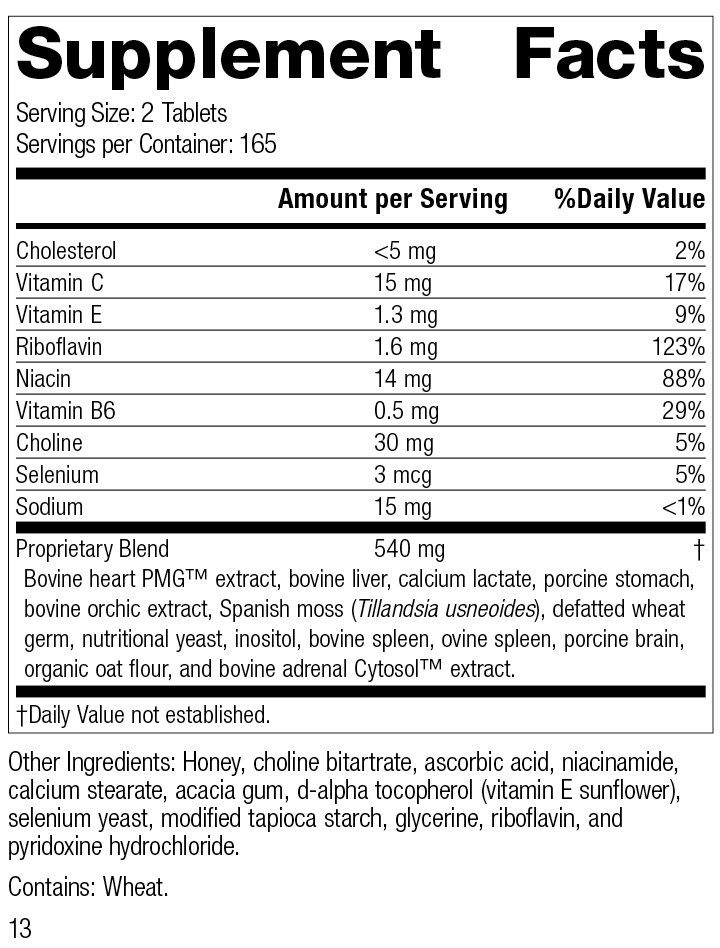
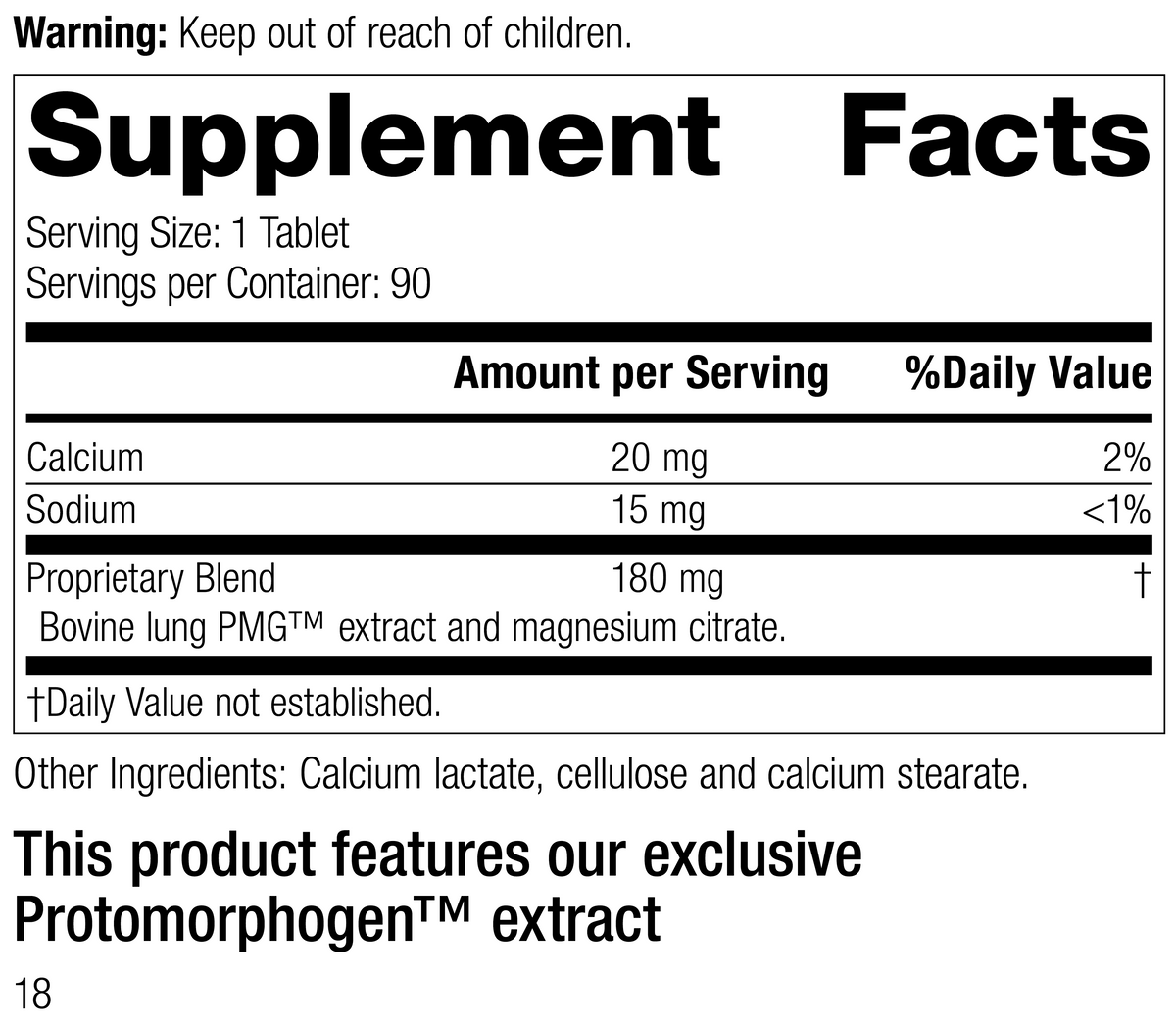
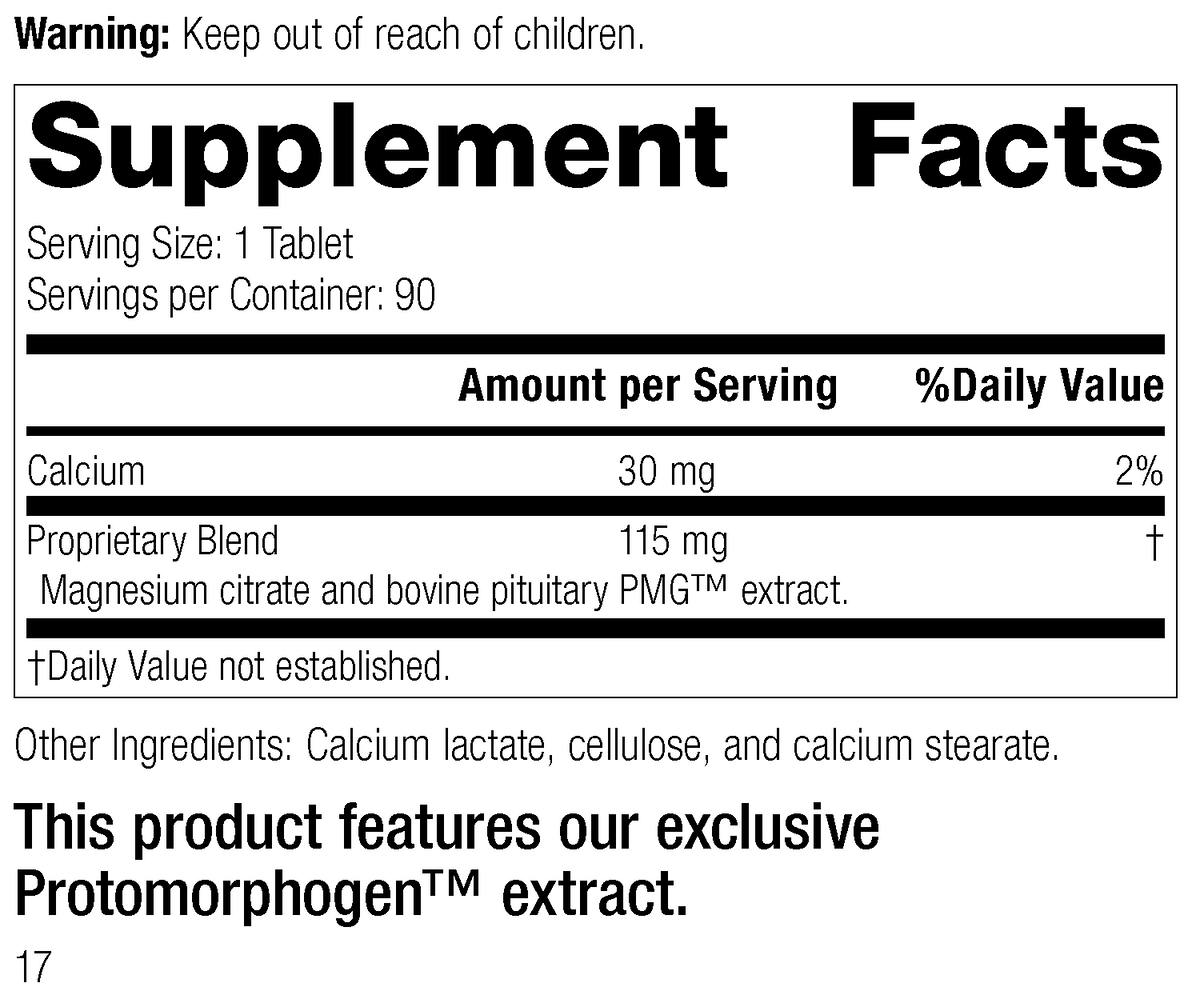
- Ingredient transparency: Look for clearly identified herbs, nutrients, and amounts rather than vague proprietary blends that make comparison difficult.
- Quality standards: Practitioner-trusted brands with established manufacturing practices offer more confidence than unknown, impulse-buy products.
- Your full routine: Account for coffee, energy drinks, medications, other supplements, and any health conditions before adding another product.
Build a Routine You Can Actually Keep
The most effective protocol is usually the one you will follow on an ordinary Tuesday, not only during a highly motivated weekend. Attach your supplement to a routine that already exists. A daytime formula may belong beside breakfast. An evening formula may fit after dinner or during your wind-down ritual, according to label directions.
Give a new routine enough time for a fair evaluation, unless you experience an adverse reaction. Some people expect an immediate shift, but nutritional support often works best as part of steady, repeated care. At the same time, do not keep taking something that leaves you jittery, groggy, uncomfortable, or simply no better off.
A few simple lifestyle choices can make the plan more effective: eat regular meals with adequate protein, get outside early in the day, use movement to release tension, and create a boundary between work and rest when possible. These actions are not glamorous, but they help your stress-support strategy become more than another bottle in the cabinet.
When Personalized Guidance Is Worth It
A tailored plan is especially useful when stress overlaps with hormone concerns, digestive changes, low energy, frequent sleep disruption, or a long list of current supplements. It is also a smart step if you are taking medications or have a diagnosed health condition.
At Fast Track To Health, practitioner-guided support can help you move beyond guesswork and toward a supplement routine built around your health goals. Authorized, practitioner-trusted formulas provide a dependable starting point, while personalized guidance helps ensure your choices fit together.
Stress may be part of life, but feeling constantly depleted does not have to become your baseline. Choose support with intention, make room for recovery in small daily ways, and ask for knowledgeable guidance when your body is asking for more than a quick fix.





Leave a comment
This site is protected by hCaptcha and the hCaptcha Privacy Policy and Terms of Service apply.