

A cabinet full of supplements can look like commitment to your health. It can also create confusion, duplicate ingredients, wasted money, and a routine you cannot keep up with. A functional medicine supplement planning guide starts somewhere more useful: with your health priorities, your daily patterns, and the specific support your body may need.
Functional medicine takes a whole-person view. Rather than treating a supplement as a quick fix for one symptom, it considers nutrition, digestion, stress, sleep, activity, health history, medications, and goals together. Supplements can be valuable nutritional tools, but their role is to support a thoughtful plan, not replace the foundations of health or necessary medical care.
Start With the Outcome You Want to Support
The best supplement plan is focused. Before choosing products, identify the primary area that needs attention over the next eight to twelve weeks. You may be looking for steadier energy, digestive comfort, immune support, more resilient stress response, cardiovascular support, or targeted nutritional support during a life stage such as menopause.
Be specific about what you want to observe. “Feel better” is hard to measure. “Have regular, comfortable bowel movements,” “wake up less often,” or “maintain consistent afternoon energy” gives you a clearer way to assess whether a plan is helping.
Symptoms are useful clues, but they do not diagnose a nutrient deficiency or medical condition. Persistent fatigue, unexplained weight changes, severe digestive symptoms, chest pain, significant mood changes, or new symptoms deserve evaluation from a qualified healthcare professional. Lab testing, a full health history, and practitioner guidance can help distinguish between a need for nutritional support and an issue that requires medical treatment.
Build Your Functional Medicine Supplement Plan in Layers
A sustainable plan usually begins with fewer products, not more. Think in layers: foundational habits first, targeted nutritional support second, and periodic reassessment throughout.
Layer 1: Support the daily basics
Food quality, hydration, protein intake, fiber, movement, stress regulation, and consistent sleep affect how you feel long before a new bottle has time to work. If meals are irregular or highly processed, a carefully selected whole-food-based multivitamin or nutritional foundation may help fill gaps. It should not become permission to ignore what is on your plate.
Digestive support may also belong in the foundation layer for some people. Nutrients are only useful if your body can digest, absorb, and use them. Depending on your needs, a practitioner may consider options that support healthy digestion, regularity, or the gut environment. The right choice depends on symptoms, dietary pattern, health history, and medications.
Layer 2: Choose one priority system
Once the basics are covered, choose the health system that most closely matches your current goal. A person under heavy work and caregiving stress may need a different approach than someone focused on seasonal immune support or healthy cardiovascular function.
For example, stress support plans may include nutrients or botanical formulas selected to support a healthy stress response and restful sleep habits. A hormone-focused plan may consider nutritional building blocks, liver and digestive function, stress load, and the timing of symptoms across the month. Immune support may be more appropriate during periods of increased seasonal demand, while digestion-focused support may be used alongside food and lifestyle adjustments.
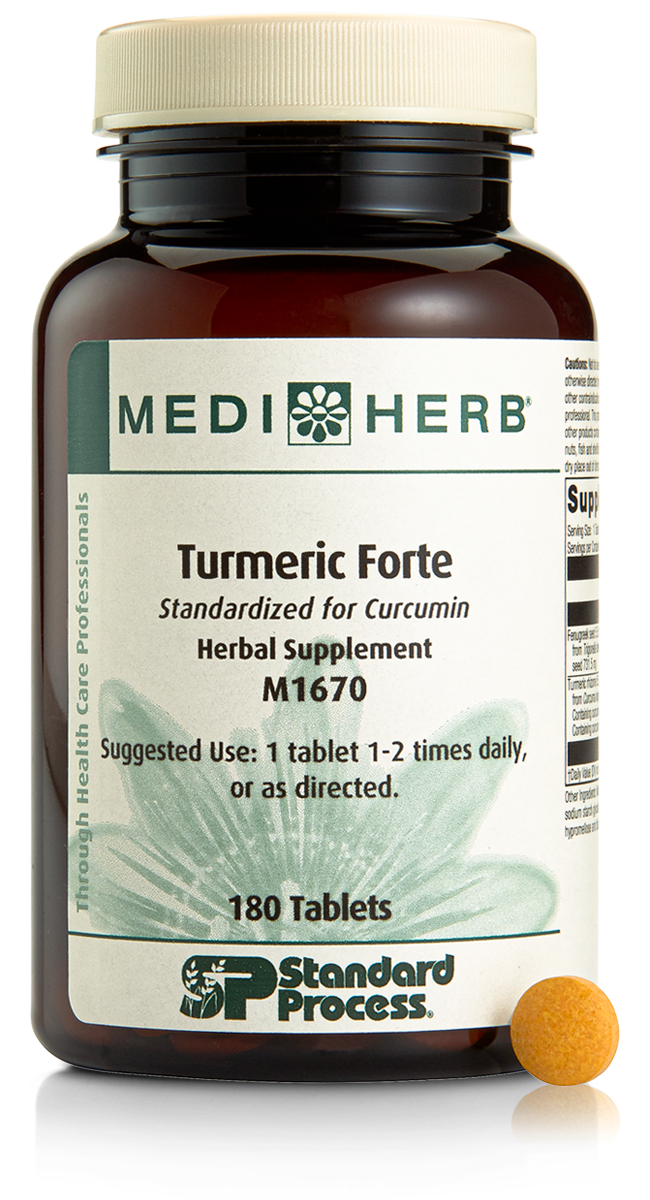
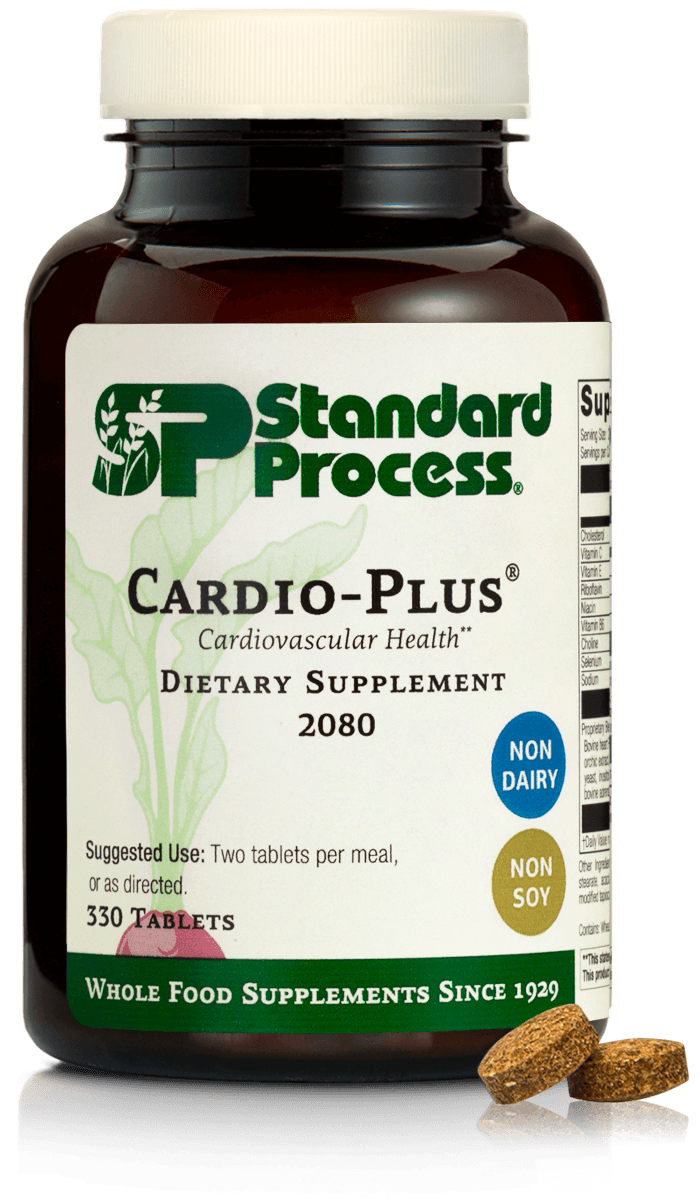
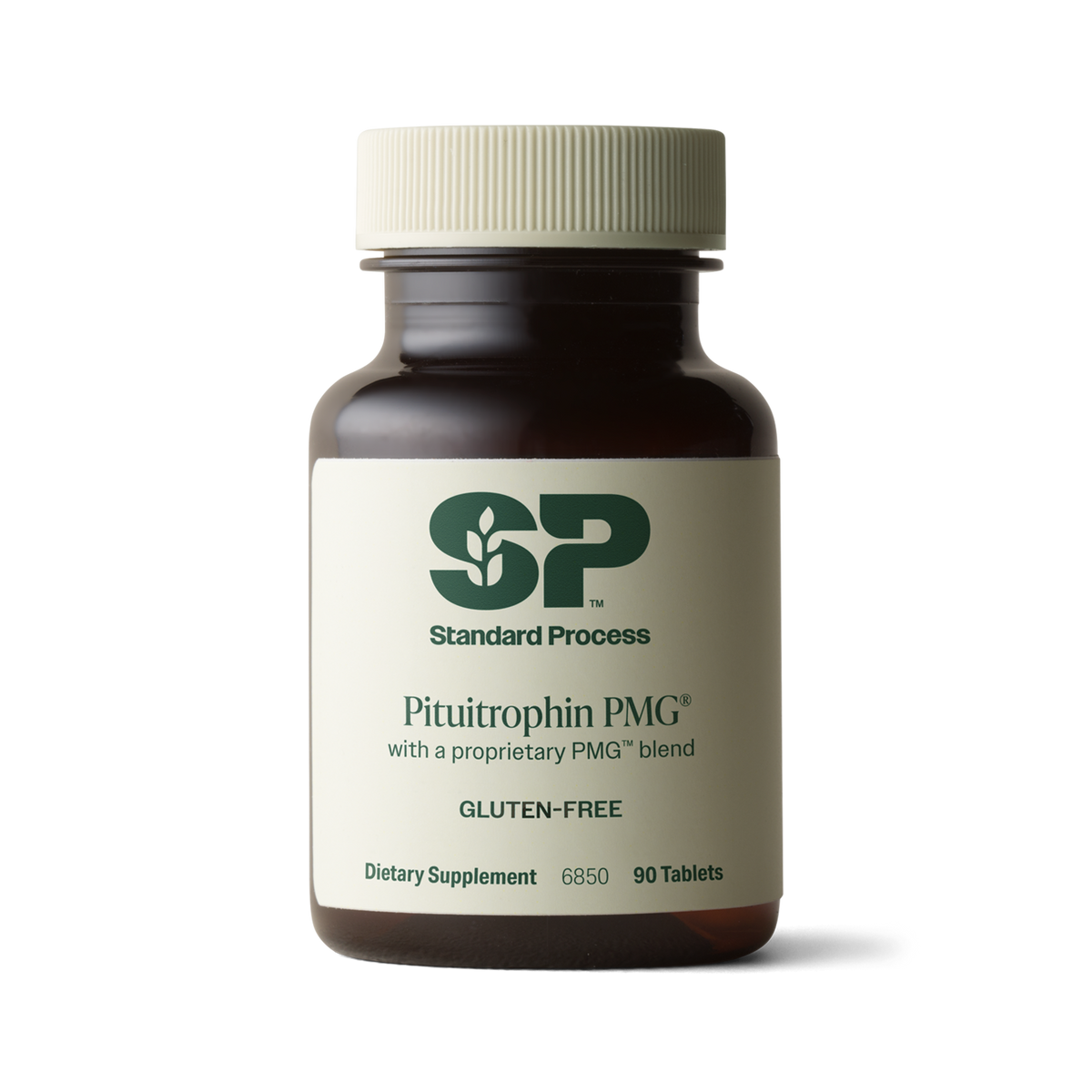
This is where quality matters. Practitioner-trusted products are formulated with specific ingredients, doses, and intended uses in mind. Authorized brands such as Standard Process and MediHerb are often chosen by practitioners because their formulas are designed for targeted nutritional support, not just generic label claims.
Layer 3: Add only when there is a reason
More is not automatically better. Adding three or four products at once makes it difficult to know what is helping, what is causing an unwanted reaction, and whether you are doubling up on key ingredients.
Introduce one new product at a time when possible. Follow the label and practitioner directions, and give your routine enough consistency to evaluate it. Some people notice changes within days, while nutritional support for longer-term goals may require several weeks. The timeline depends on the formula, your starting point, your habits, and the goal itself.
How to Choose Supplements With Confidence
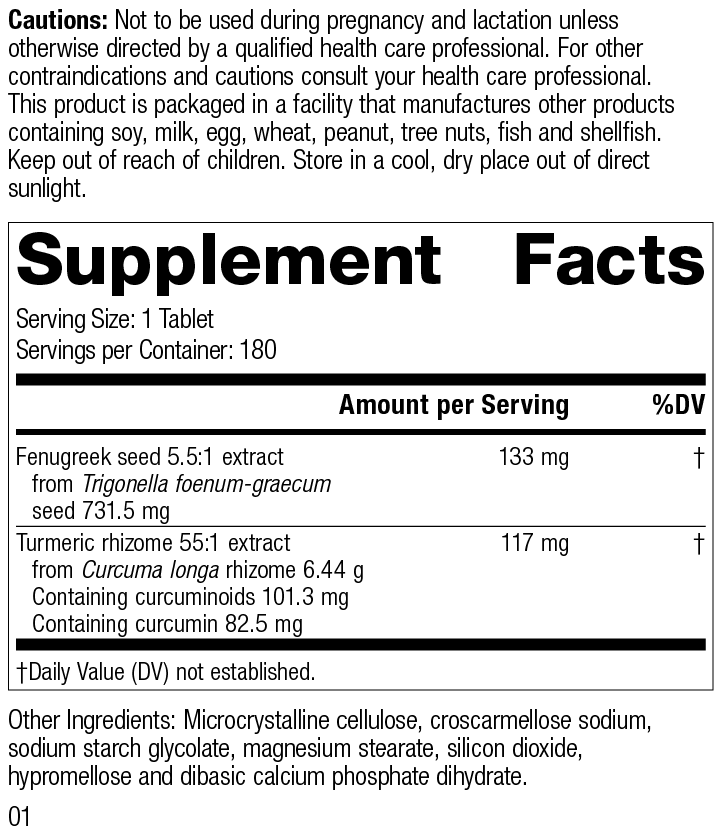
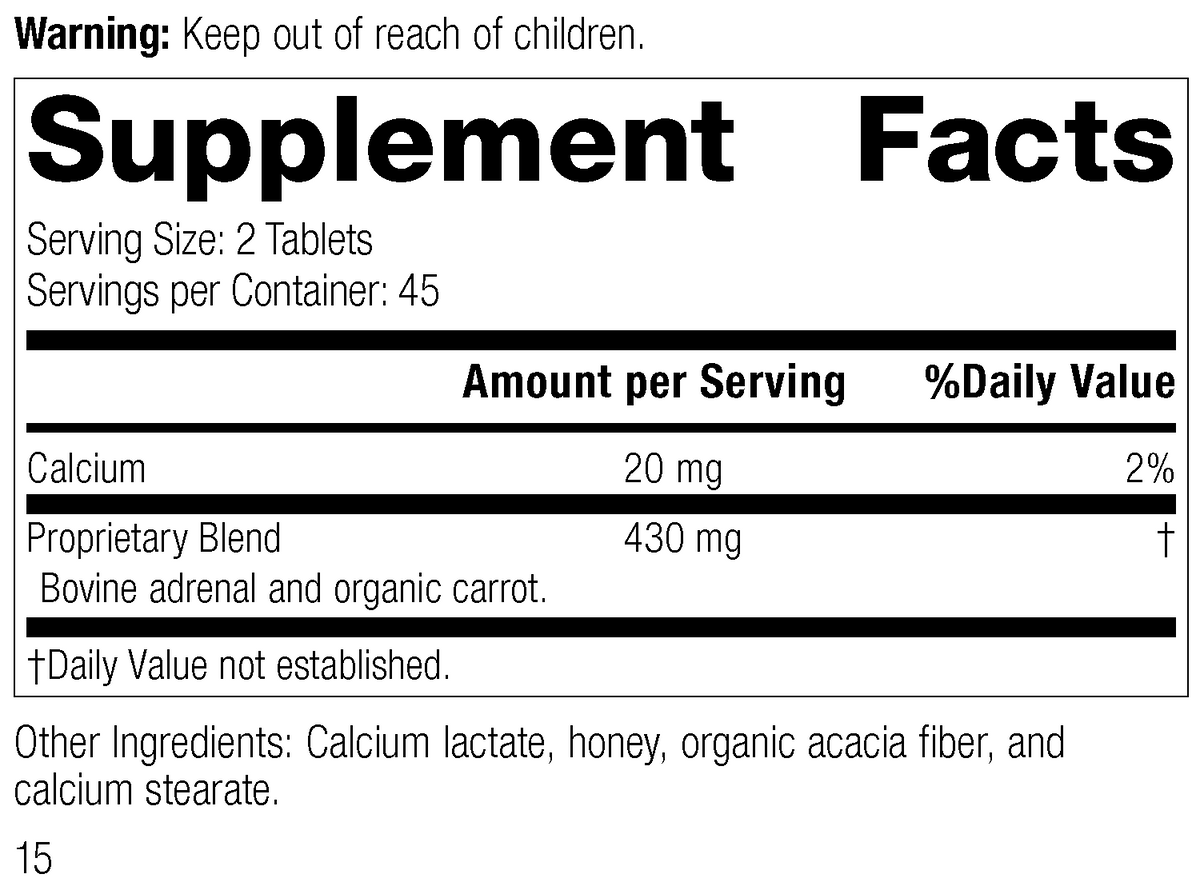
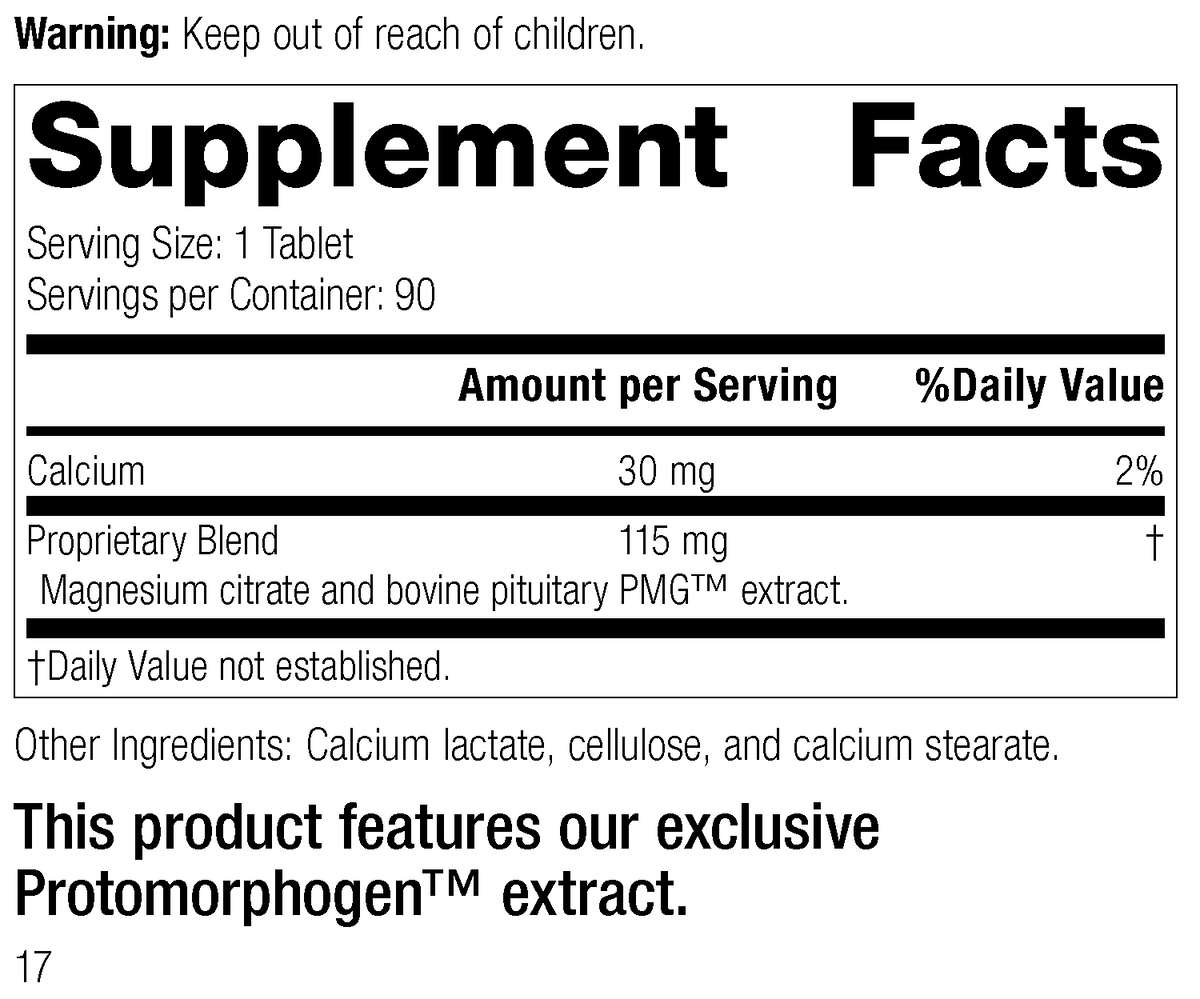
A label can be informative, but it is not the whole story. Look beyond a trendy ingredient name and consider whether the formula fits your plan. A high-quality option should clearly identify its ingredients, serving size, and intended use. It should also come from a company with established manufacturing standards and a reputation for professional-quality products.
Whole-food and botanical formulas can be especially appealing to people who want nutrition-oriented support. Still, “natural” does not mean suitable for every person or safe at every dose. Herbs and concentrated nutrients can interact with medications and may be inappropriate during pregnancy, breastfeeding, surgery preparation, or certain medical conditions.
Pay attention to overlap. A multivitamin, immune formula, stress formula, and single nutrient can all contain the same vitamin or mineral. Total intake matters. Review every product in your routine, including powders, gummies, drinks, and over-the-counter remedies, before adding another supplement.
If you take prescription medication, have a diagnosed health condition, are pregnant or nursing, or are planning surgery, consult your physician, pharmacist, or qualified practitioner before beginning a new regimen. This step is not a formality. It helps protect you from interactions and ensures your plan supports, rather than complicates, your care.
Make the Routine Easy Enough to Follow
Even a well-designed plan cannot help if it stays unopened in the pantry. Match your routine to your actual schedule. If mornings are rushed, keep your breakfast supplements where you prepare food. If a product is meant to be taken with a meal, pair it with the meal you miss least often. Use a simple reminder until the habit feels automatic.
A written plan removes guesswork. Record the product name, dose, timing, why you are taking it, and the date you started. Include a few markers you want to track, such as sleep quality, energy, digestion, stress resilience, cravings, or exercise recovery. This gives you useful information at your next practitioner visit and makes it easier to identify patterns.
Do not force a schedule that creates discomfort. Some supplements are better tolerated with food, while others have specific timing instructions. Follow the product label and the guidance you received. If you notice nausea, headaches, digestive changes, rashes, dizziness, or any concerning symptom, stop the new product and contact a healthcare professional for guidance.
Review Your Plan Before It Becomes Clutter
Your needs can change with the seasons, stress levels, diet, age, medications, and health goals. A supplement plan should be reviewed, not treated as permanent by default. Set a check-in date about eight to twelve weeks after starting a focused protocol, unless your practitioner recommends a different timeline.
At that check-in, ask practical questions. Did you take it consistently? Did the outcome you chose improve? Have your diet, sleep, activity, or medication needs changed? Are there formulas that can be paused, adjusted, or replaced with a more targeted option?
Some supplements are appropriate for ongoing foundational support, while others make more sense for a defined season or goal. It depends on your individual needs. A practitioner-guided plan can help you avoid both extremes: taking products indefinitely without review or stopping helpful support too quickly.
When Personalized Guidance Is Worth It
A personalized consultation can be especially helpful when your concerns overlap. For example, stress, poor sleep, irregular digestion, and hormonal shifts often influence one another. Trying to solve each issue with a separate product can leave you with an expensive and overly complicated routine.
At Fast Track To Health, practitioner-guided support and curated supplement plans can help narrow the choices to formulas that fit your goals. A supplement quiz can be a useful starting point, but it is not a diagnosis. Use it to organize your priorities, then seek individualized support when symptoms are persistent, complex, or affected by medications and medical conditions.
The goal is not the biggest supplement collection. It is a clear, well-tolerated plan that supports your body, fits your life, and is reviewed often enough to stay relevant. Start with one meaningful goal, choose quality support with care, and give your routine the consistency it needs to earn its place.





Leave a comment
This site is protected by hCaptcha and the hCaptcha Privacy Policy and Terms of Service apply.